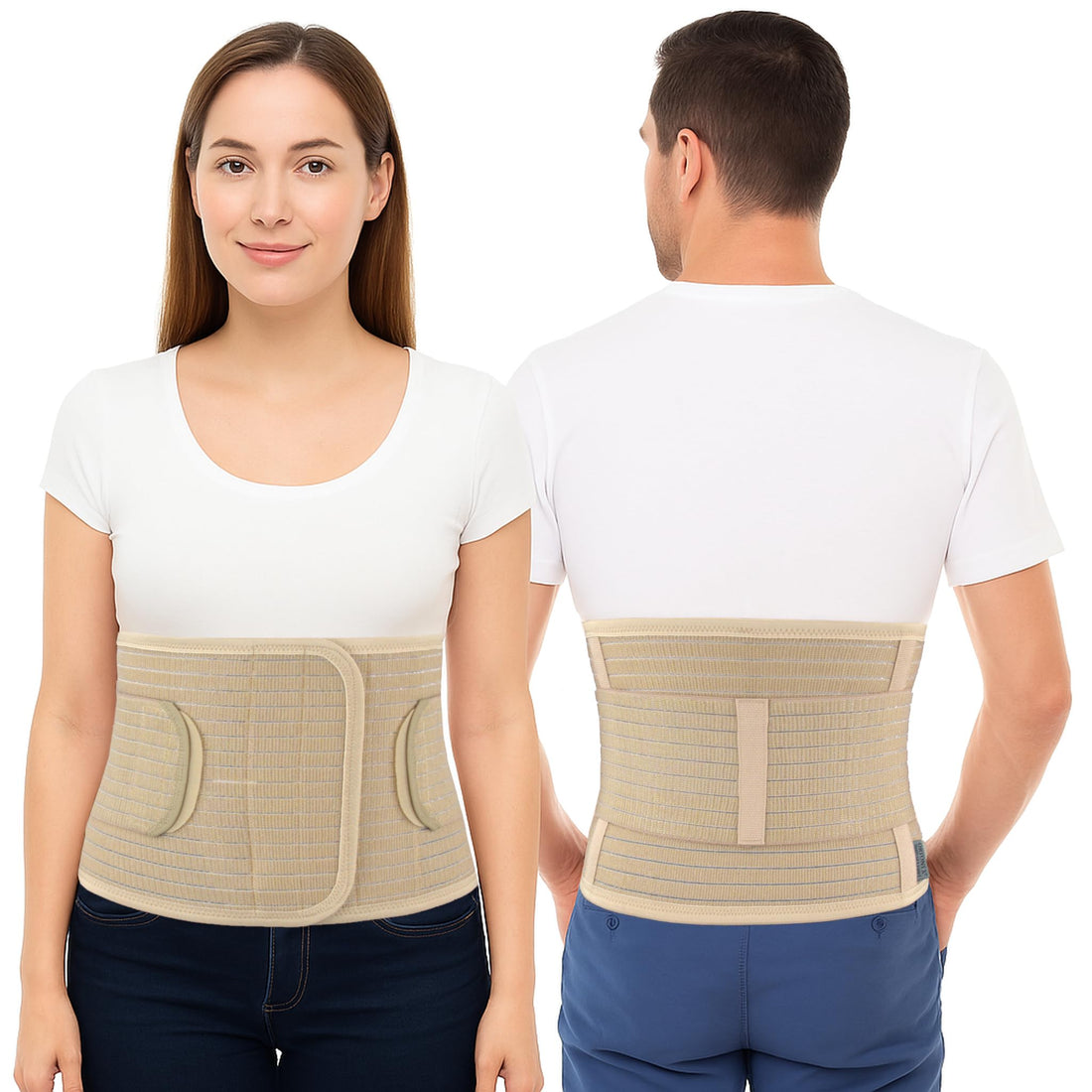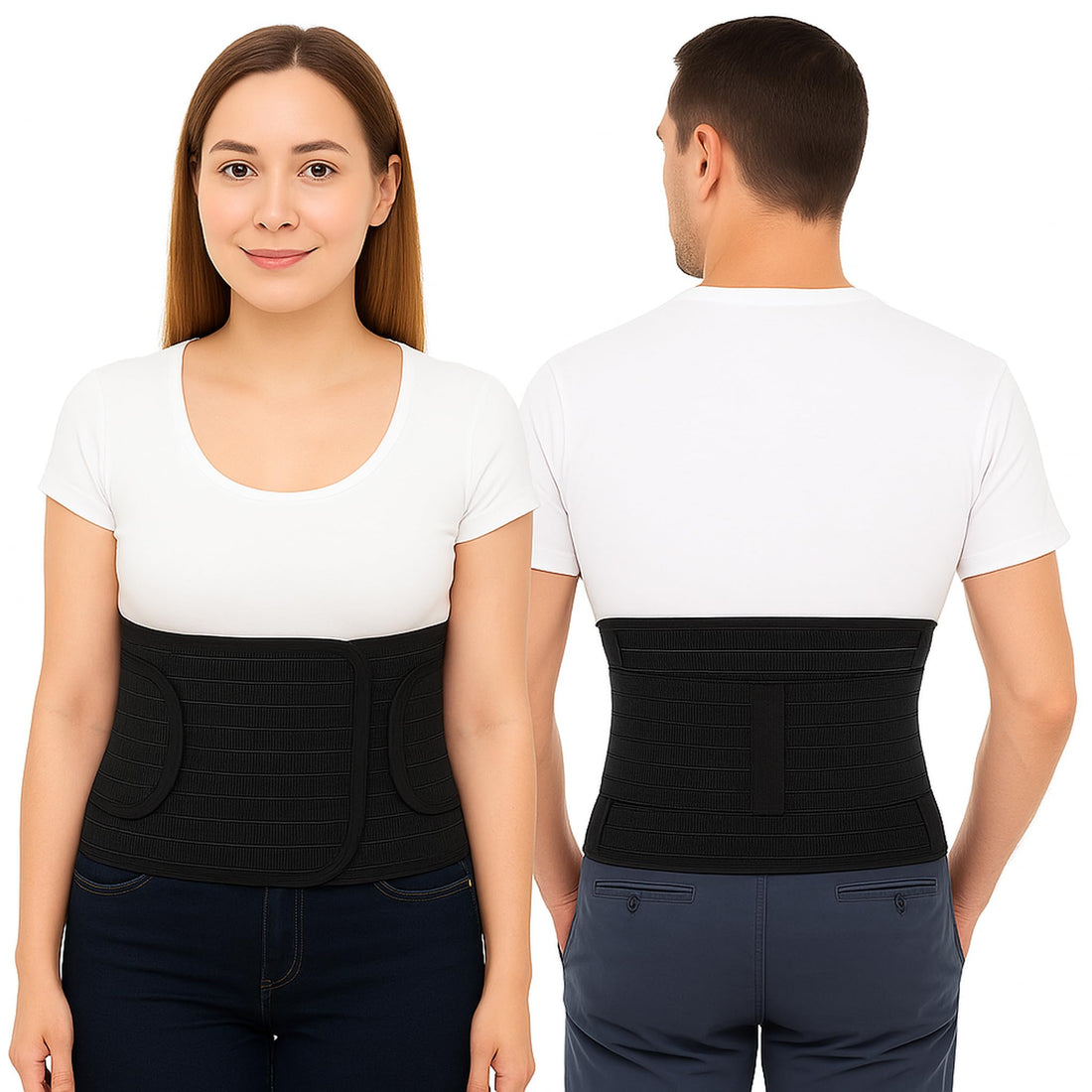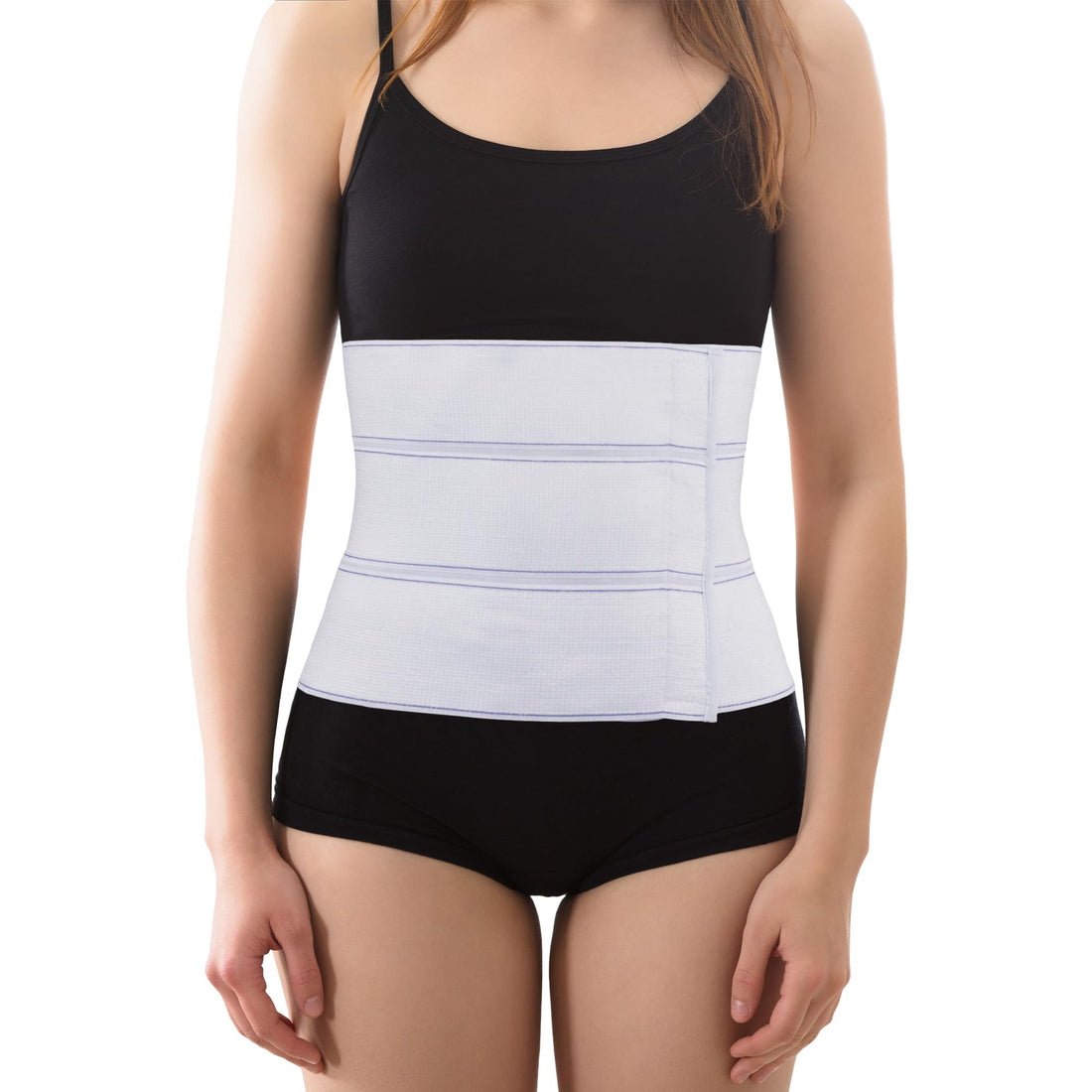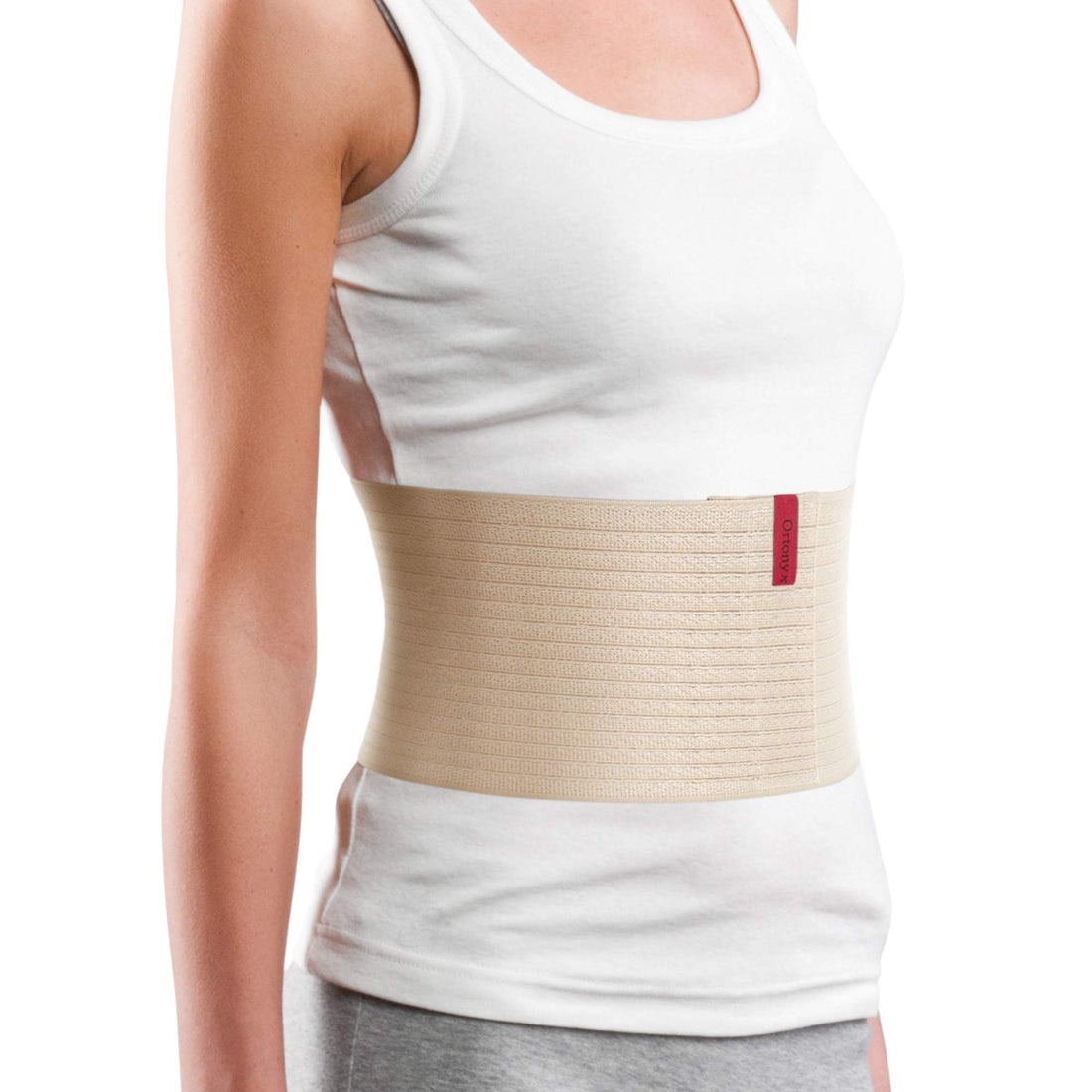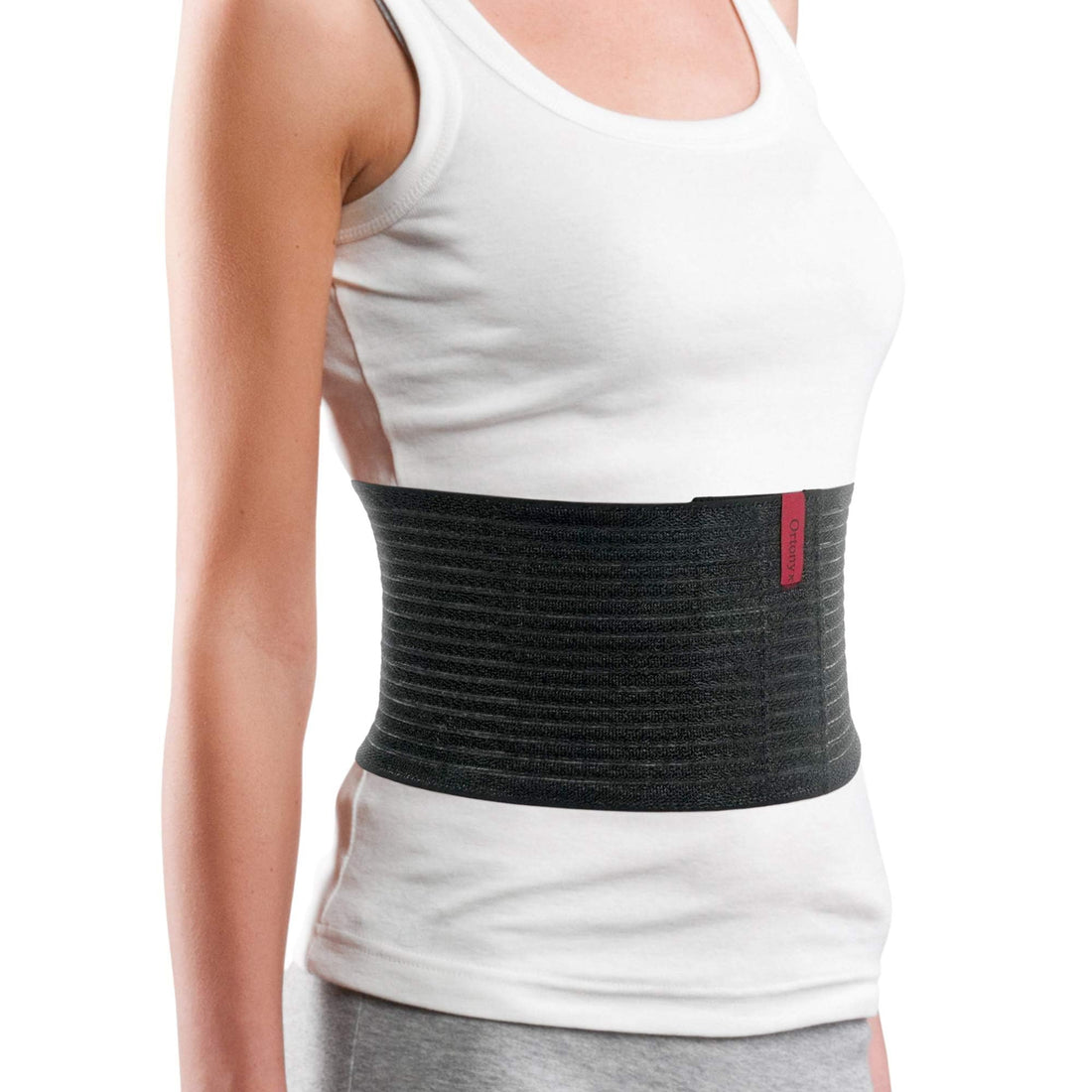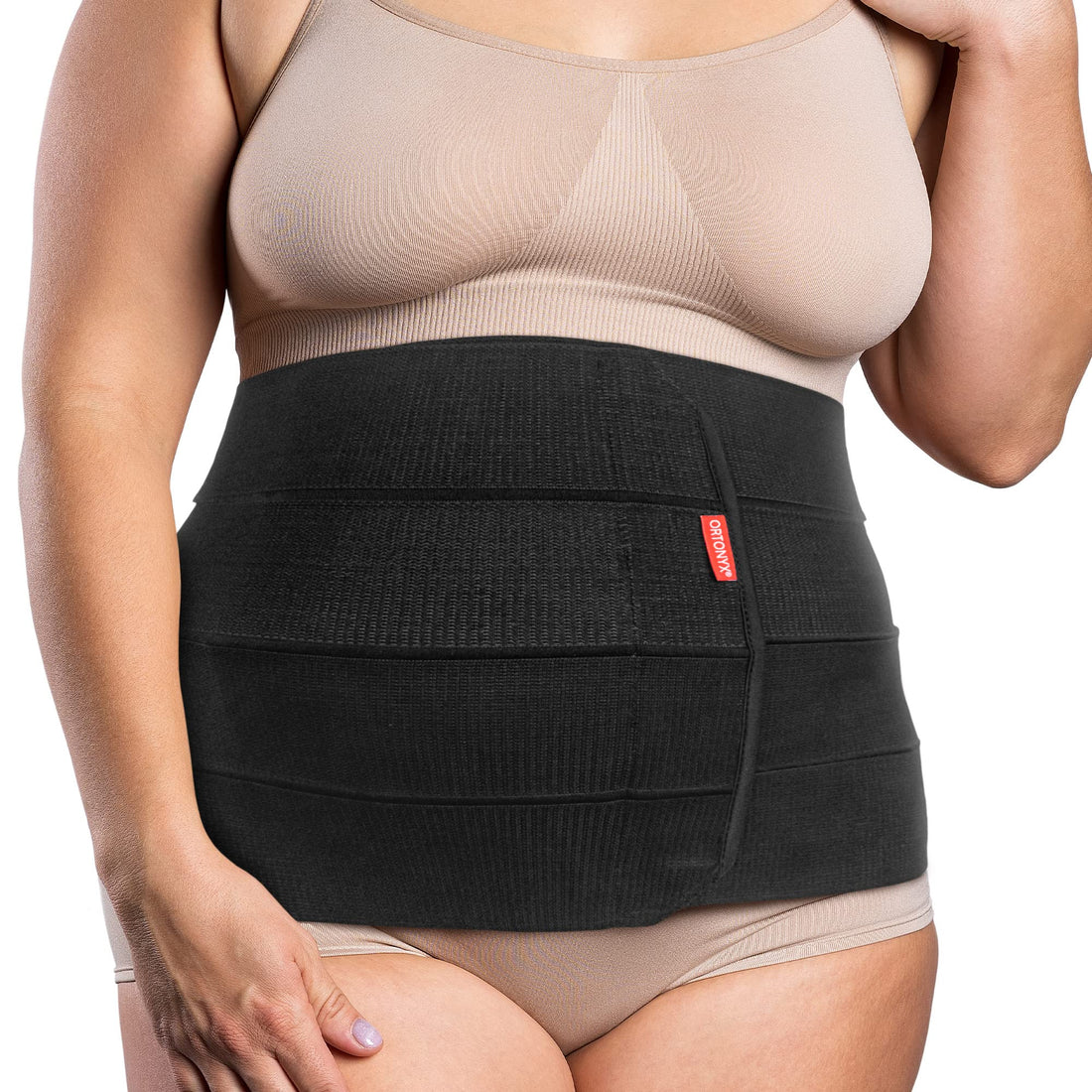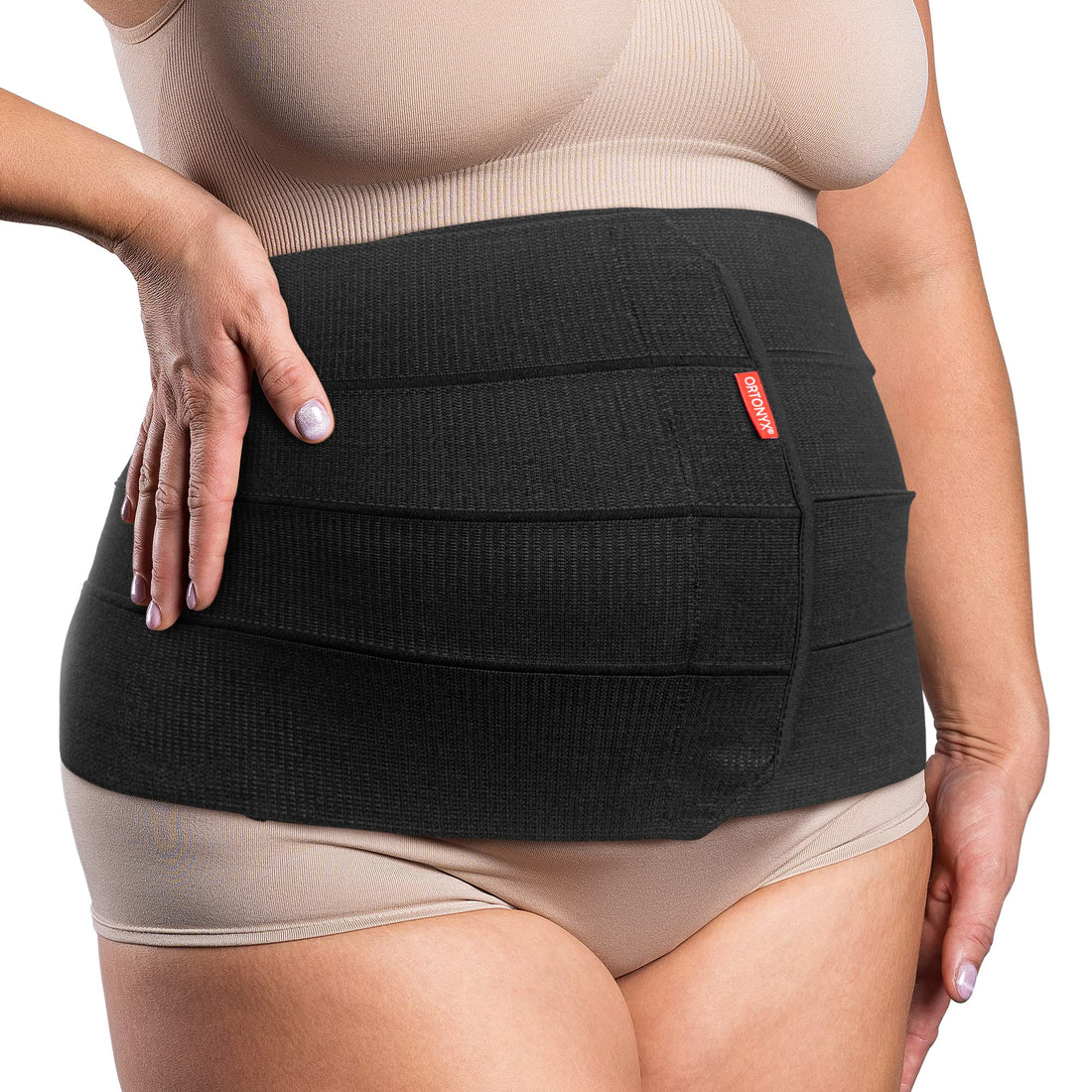

Wearing Abdominal Binder At Work is the focus of this ORTONYX guide: practical fit, comfort, and safety guidance for choosing support without replacing personalized medical advice.
For many people who need abdominal support — whether due to a hernia, post-surgery recovery, or chronic back pain — the challenge is not just wearing a binder but wearing it effectively in a work environment. Different jobs place different demands on your body, and your approach to binder use should adapt accordingly. This guide covers strategies for desk workers, warehouse employees, healthcare professionals, and anyone who needs reliable abdominal support throughout the workday.
Why Work Is the Critical Test for Your Binder
Most people spend 8 to 10 hours per day at work, making it the environment where binder support matters most. Unlike at home, where you can rest or adjust as needed, work often demands sustained activity, specific postures, and limited opportunities to readjust your support. A binder that works well for a short walk at home may not hold up to an entire work shift.
Office and Desk Work
Sitting for extended periods presents unique challenges for abdominal binder users. The seated position compresses the abdomen, which can cause the binder to ride up, roll down, or dig into the ribcage or hip bones.
Tips for desk workers:
- Choose a binder with a lower profile: A 6 to 9-inch binder is often more comfortable for sitting than a 12-inch model, which may dig into the ribs when seated.
- Adjust your chair: Ensure your chair supports an upright posture. Slouching increases abdominal pressure and can make binder discomfort worse.
- Take standing breaks every 45 to 60 minutes. Even 2 minutes of standing allows your abdomen to decompress and gives your skin a brief rest.
- Check your posture frequently. The cue from your binder can remind you to sit upright, which benefits both your abdominal support and your spinal health.
- Layer strategically: A thin, moisture-wicking undershirt beneath the binder and a slightly looser shirt over it helps the binder stay discreet and comfortable.
Warehouse and Physical Labor
Jobs that involve lifting, bending, walking, and standing for long shifts demand the most from your binder. The combination of movement and increased intra-abdominal pressure during lifting requires a support that stays securely in place.
Tips for physical workers:
- Choose a wider binder with strong Velcro closures. A 9 to 12-inch binder provides more surface area for grip and is less likely to shift during movement.
- Check your binder multiple times per shift. The combination of sweat and movement can cause even the best binder to loosen. A quick readjustment in the restroom can help reduce the risk of it from becoming ineffective.
- Use proper lifting technique. Your binder supports your abdominal wall, but it does not replace proper body mechanics. Bend your knees, keep the load close to your body, and avoid twisting while lifting.
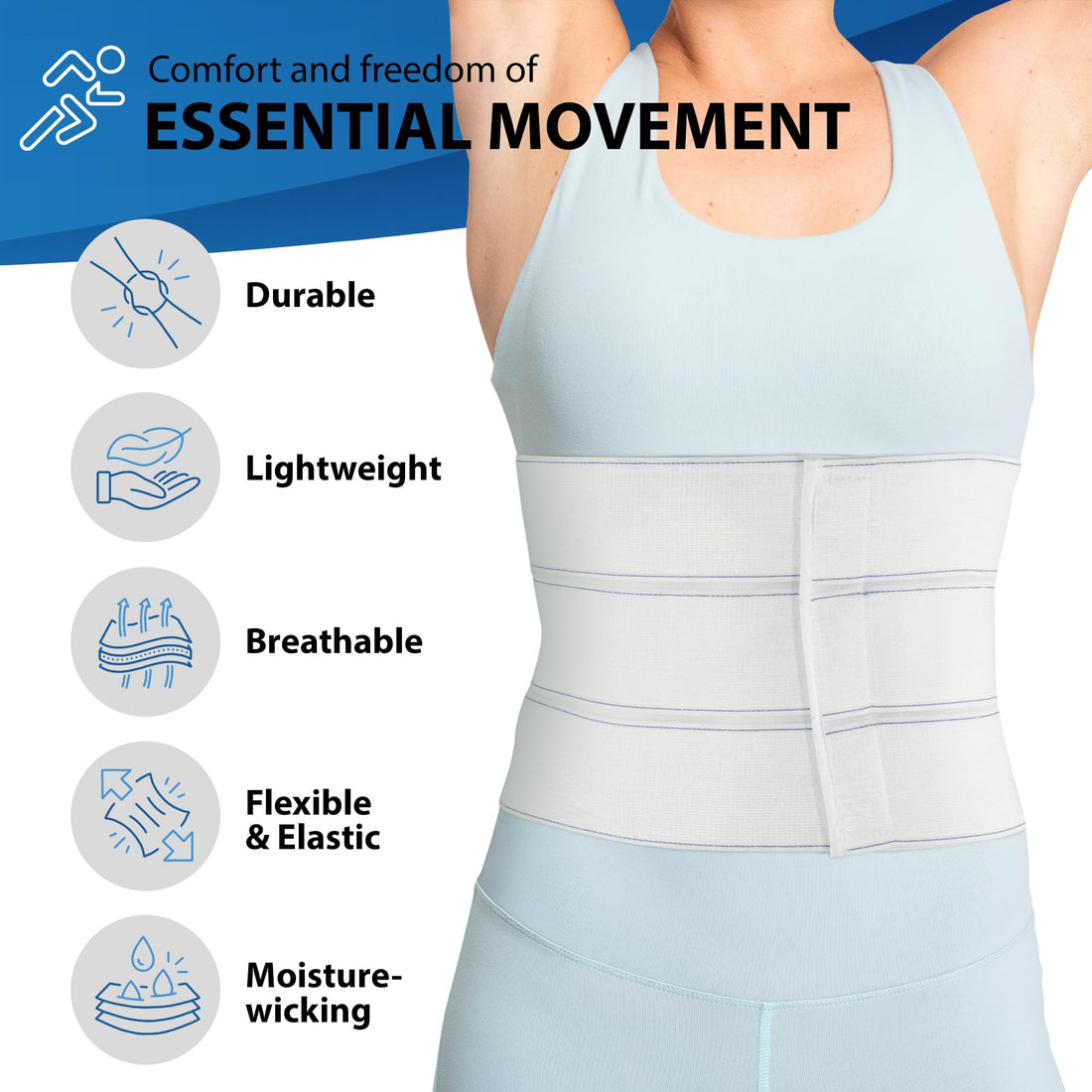
- Consider a moisture-resistant option. If you sweat heavily at work, look for binders with breathable, moisture-wicking panels.
- Bring a backup. For 10 to 12-hour shifts, having a second binder to switch into midway through the day can help reduce the risk of moisture buildup and maintain effective compression.
Healthcare and Active Jobs
Nurses, nursing assistants, physical therapists, and others in healthcare roles face a combination of challenges: long hours on their feet, frequent bending and reaching, and the need to move quickly. The binder must support without restricting the mobility these jobs require.
Tips for healthcare workers:
- Prioritize flexibility. Choose a binder that allows a full range of motion. You should be able to bend, reach, and twist without the binder digging in or popping open.
- Wear compression shorts or leggings under scrubs to create a smooth surface for the binder and reduce friction.
- Consider the noise factor: Hook-and-loop closures can be loud in quiet patient environments. High-quality Velcro is quieter and more secure than generic alternatives.
Managing Binder Discomfort During Long Shifts
- Skin protection: Apply a cornstarch-based powder or use a thin cotton liner to reduce friction during long shifts.
- Incremental loosening: If your workday is 8+ hours, you can loosen the binder by one setting during breaks and tighten again when returning to activity.
- Stay hydrated: Dehydration can make skin more prone to irritation under compression.
- Listen to your body: If you experience sharp pain, breathing difficulty, or numbness, remove or significantly loosen the binder — your safety comes first.
Find Work-Ready Abdominal Support
Your binder should work as hard as you do. ORTONYX abdominal binders are constructed from durable, medical-grade materials with secure closures and breathable fabrics — designed to provide reliable support through long workdays in any environment.
Wearing Abdominal Binder At Work: Fit and Safety Checklist
- Confirm the support fits the exact area that needs help.
- Keep pressure comfortable enough for normal breathing and movement.
- Stop use and ask a clinician if pain, numbness, swelling, or skin irritation increases.
ORTONYX Fit Notes
Wearing abdominal binder at work requires a balance between support and movement. Office workers may need a lower-profile fit that does not bunch while sitting. Warehouse and active workers may need firmer support during short lifting or walking periods, with planned breaks to check skin and comfort. ORTONYX binders are adjustable for these changing demands.
The binder should not be used to push through restrictions after surgery. Follow lifting limits and return-to-work guidance from your clinician or employer.
Workday Binder Breaks and Skin Checks
During a full workday, abdominal binder comfort can change with meals, posture, heat, and activity. Plan short breaks to check skin and adjust tension. Office workers may loosen support while seated, while active workers may tighten briefly for walking or light tasks within their medical restrictions.
ORTONYX binders are intended to support daily movement, not override post-surgical limits. If your job involves lifting, twisting, or prolonged standing, confirm your return-to-work plan with your clinician before relying on a binder for support.
Browse Abdominal Binders for All-Day Support
About ORTONYX: ORTONYX designs orthopedic support devices including braces, binders, and recovery supports. This article draws on product-design experience and common patient questions, but it is not a substitute for personalized medical care.
Related guides: Post-Surgery Binder Guide | Binder for Hernia Support
This information is for educational purposes only and is not intended as medical advice. Consult with a healthcare professional before starting any treatment or using support devices.