
Hernia Mesh Vs Belt is the focus of this ORTONYX guide: practical fit, comfort, and safety guidance for choosing support without replacing personalized medical advice.
Hernia repair is a common surgical procedure, and mesh is frequently used when surgeons want to reinforce the weakened tissue area. Whether mesh is appropriate depends on the hernia type, size, symptoms, and the surgeon’s recommendation.
What Is Hernia Mesh?
Hernia mesh is a medical device used in the surgical repair of hernias. Made from synthetic materials such as polypropylene or polyester, the mesh is placed over or within the hernia defect to reinforce the weakened abdominal wall. The mesh acts as a scaffold, allowing the body's own tissue to grow through and around it to create a durable, tension-free repair.
Mesh repair is commonly recommended because reinforcement can reduce recurrence risk in many cases. Exact recurrence risk varies by hernia type, surgical method, patient health, and surgeon experience, so patients should discuss the benefits and risks with their surgeon.
However, mesh has also been the subject of controversy. According to the FDA, some patients have experienced complications such as chronic pain, mesh contraction, migration, infection, or adhesion to internal organs. These complications, while uncommon, have led to product liability litigation and FDA recalls of specific mesh products. The risk profile varies significantly by mesh type and surgical technique, which is why discussing the specific mesh your surgeon plans to use — including its material, weight, and pore size — is essential.
What Is a Hernia Belt?
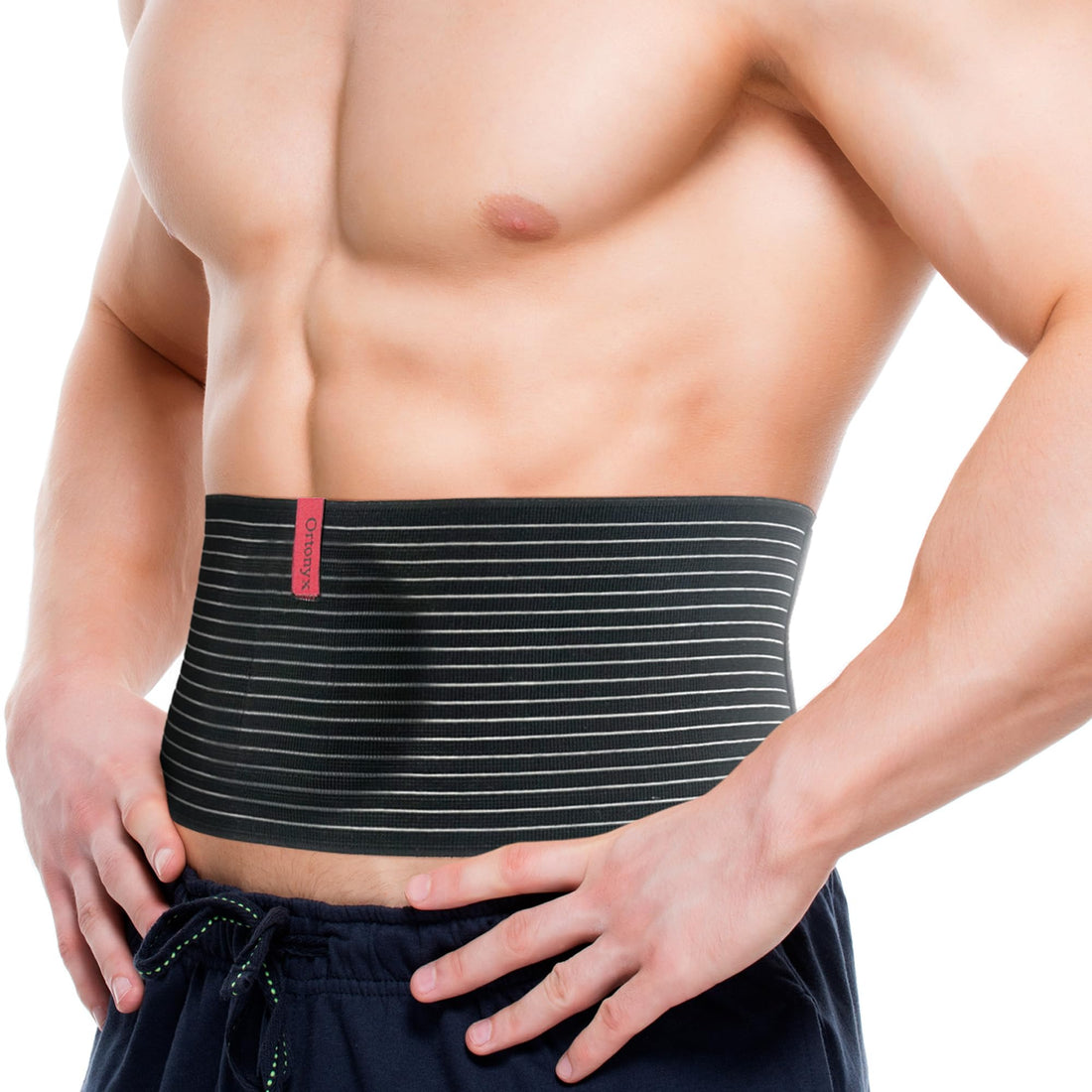
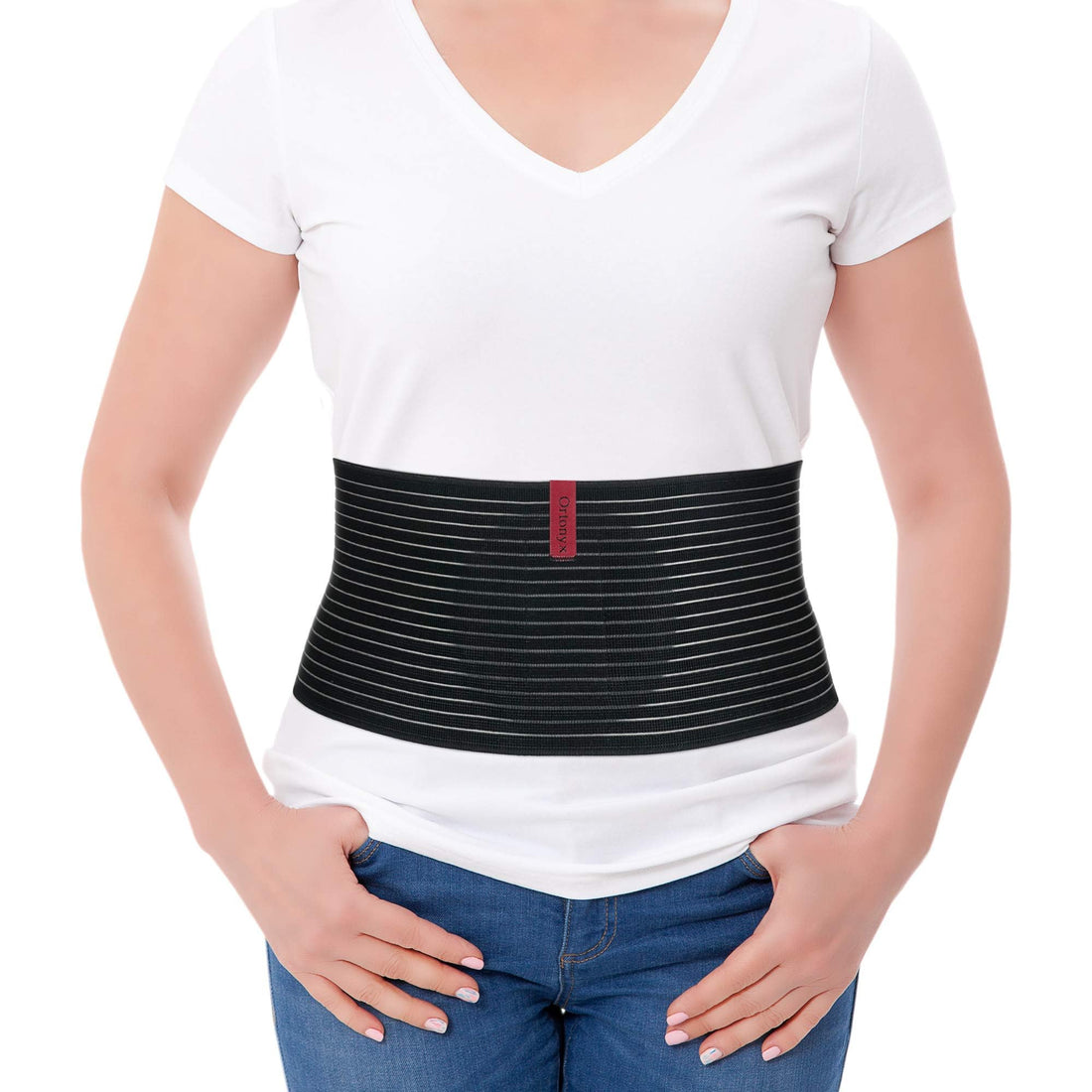
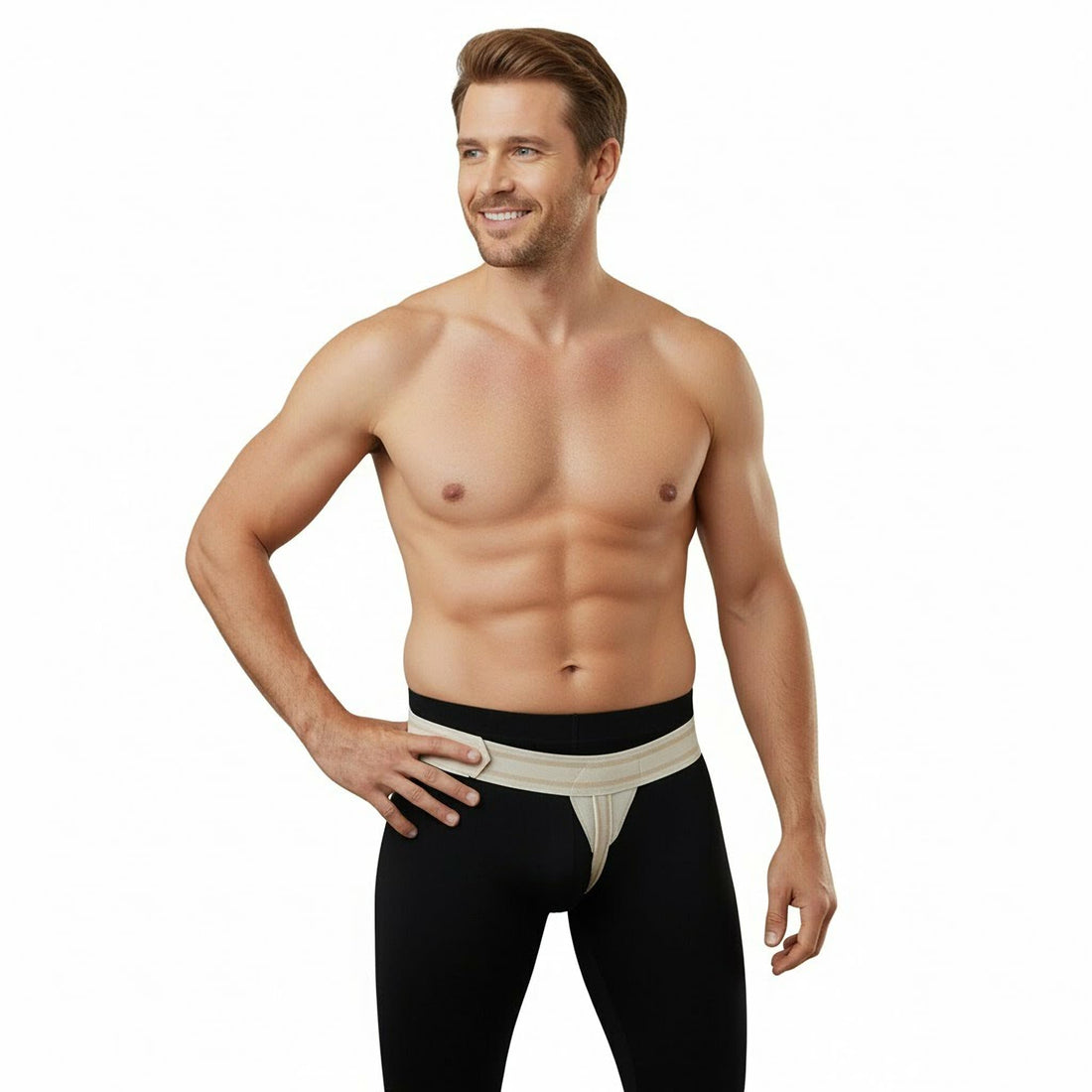
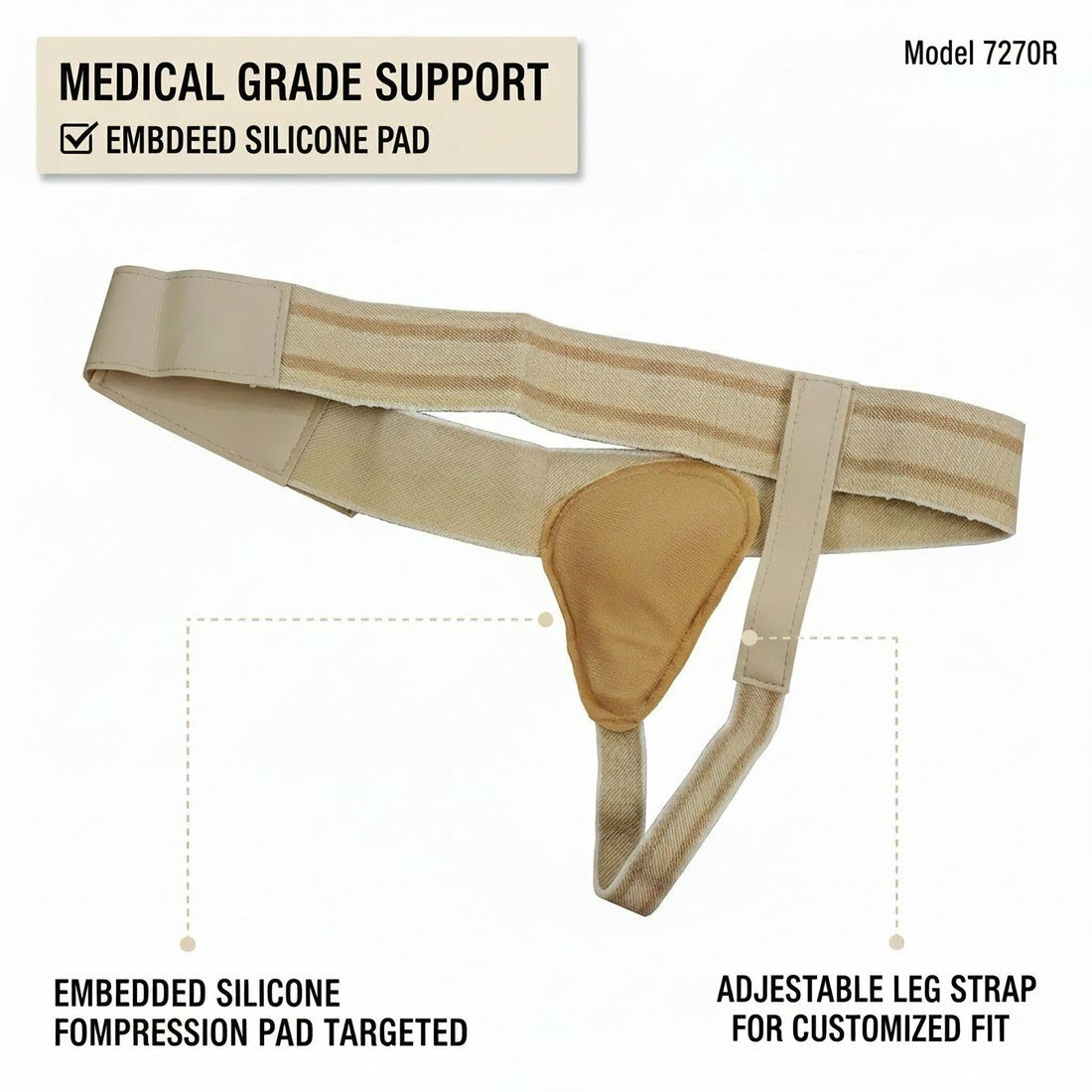
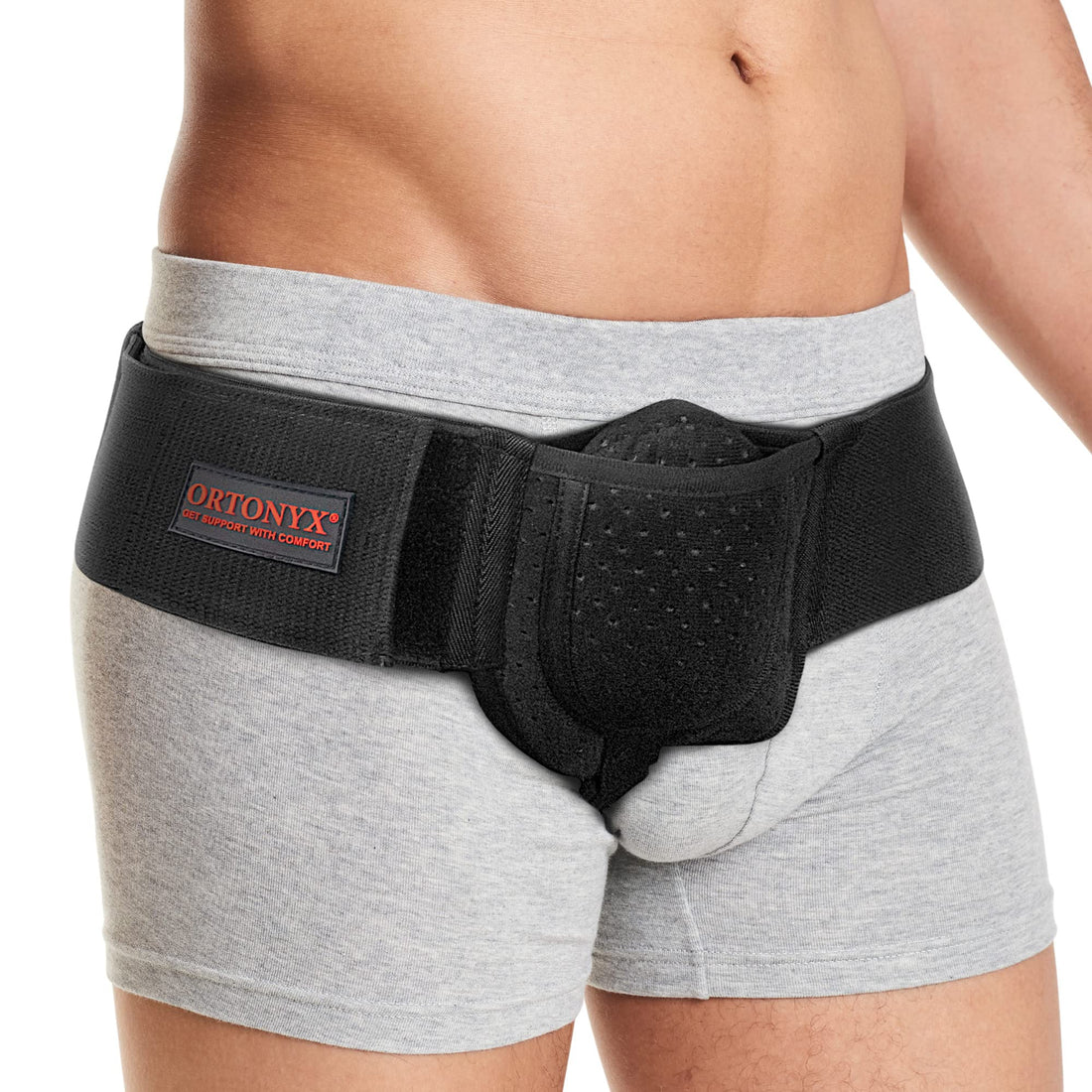
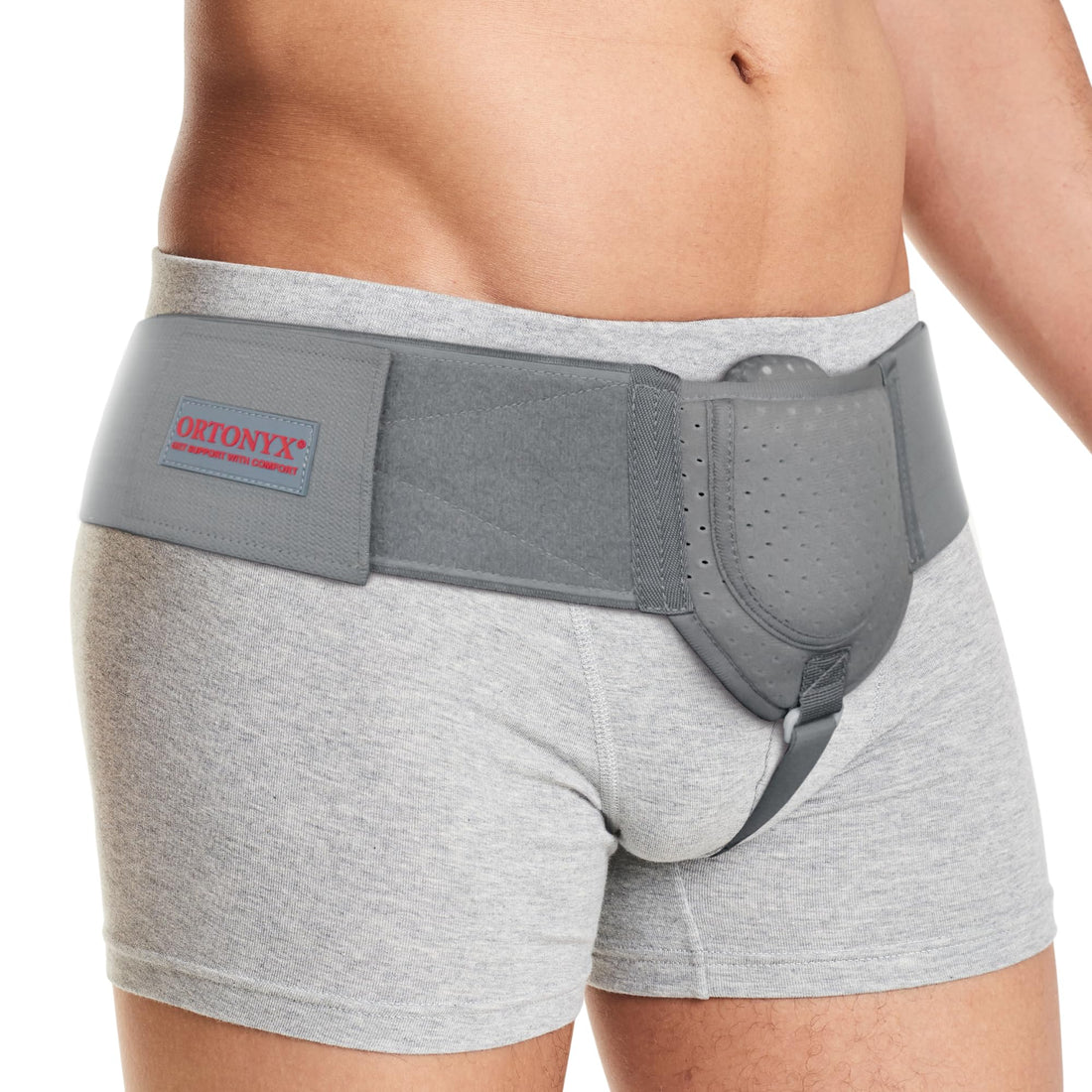
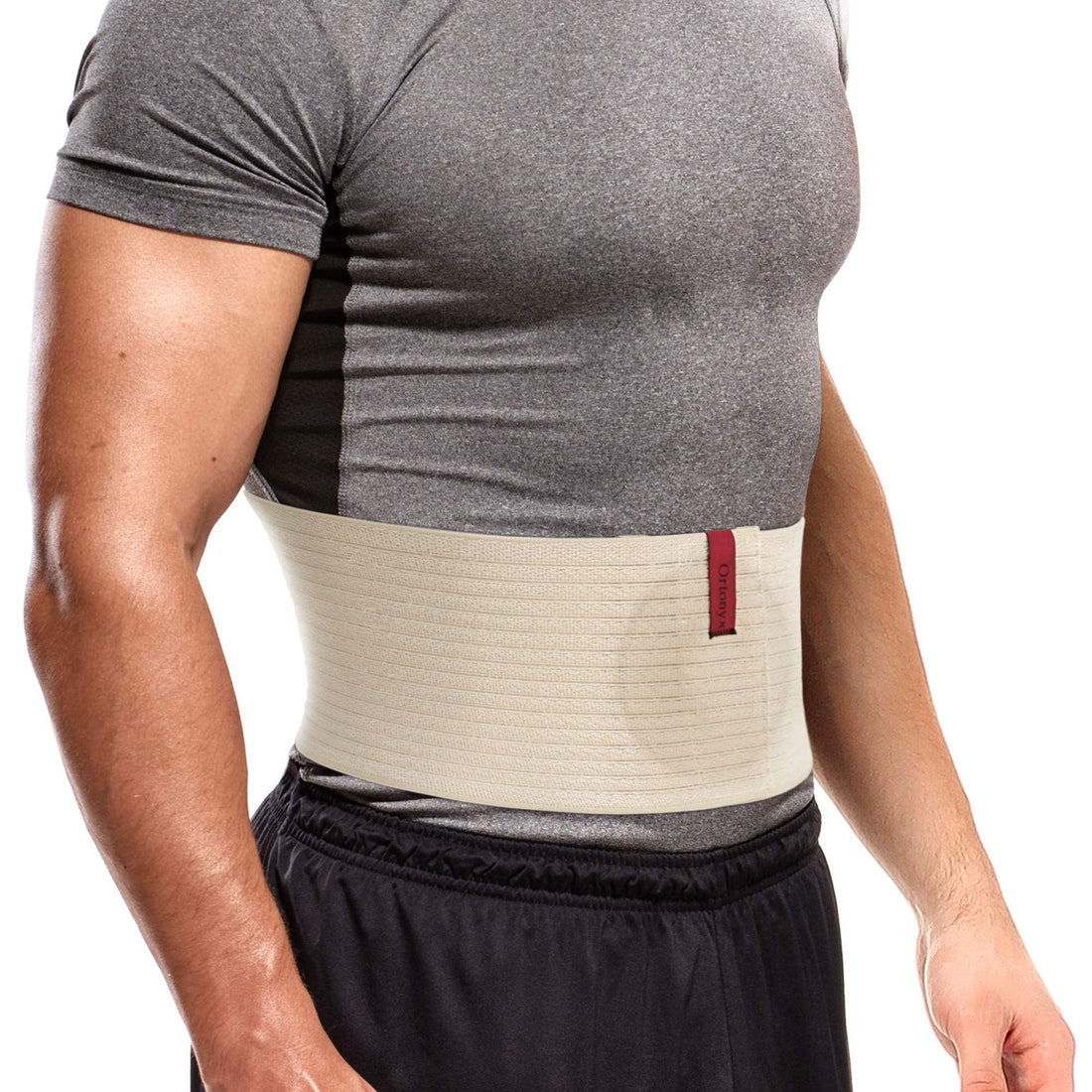
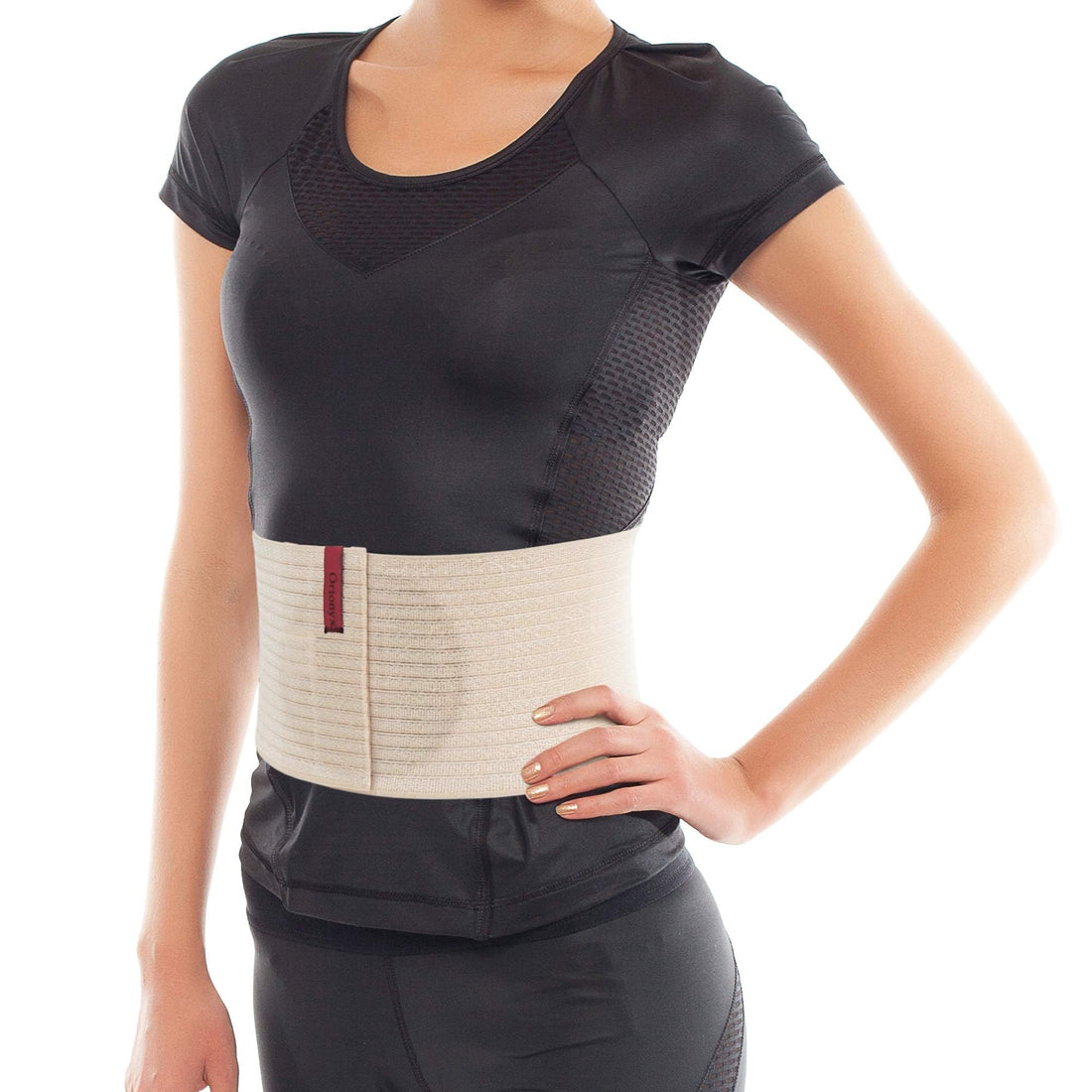
A hernia belt is a non-surgical external support garment worn around the abdomen or groin. It applies compression over the hernia site to hold protruding tissue in place and reduce discomfort. A hernia belt does not support the hernia or repair the abdominal wall defect — it manages symptoms and provides support during daily activities.
The American College of Surgeons recognizes watchful waiting with supportive devices as a valid management strategy for patients with small, minimally symptomatic hernias, particularly those who are poor surgical candidates due to age or health conditions. Hernia belts are commonly used in several scenarios:
- While awaiting surgery (bridging therapy)
- When surgery is not recommended due to age, frailty, or significant comorbidities
- During pregnancy when surgery is safely deferred
- As a trial of conservative management before committing to surgery
Key Differences
| Aspect | Hernia Mesh | Hernia Belt |
|---|---|---|
| Purpose | Permanent surgical repair | Symptom management and support |
| supports hernia? | Yes — repairs the anatomic defect | No — manages symptoms externally |
| Recurrence rate | 1-3% with mesh (NEJM data) | N/A — does not repair the hernia |
| Recovery | 2-6 weeks post-surgical recovery | No recovery — immediate use |
| Risks | Infection, chronic pain, mesh complications (rare) | Skin irritation, muscle dependence, delayed treatment |
| Cost | Significant — surgery, anesthesia, facility fees | Modest — device cost only |
Making the Right Choice for Your Situation
For most healthy adults with symptomatic hernias, mesh repair offers the most durable long-term solution. However, for elderly patients, those with significant medical comorbidities, or those with very small, asymptomatic hernias, watchful waiting with a supportive belt is a medically accepted alternative. The American College of Surgeons notes that the annual risk of a small, asymptomatic inguinal hernia progressing to strangulation is approximately 1 percent — low enough that observation is reasonable for many patients.
Factors to discuss with your surgeon include the size and type of your hernia, whether it is causing symptoms that affect your quality of life, your overall surgical risk profile, the specific mesh product being recommended, and realistic expectations for both surgical and non-surgical approaches.
Find Your Support Solution
If you are preparing for surgery, managing a hernia conservatively, or recovering from a repair, the right external support makes a daily difference. ORTONYX hernia support belts are designed for comfortable, adjustable compression throughout your hernia care journey.
Hernia Mesh Vs Belt: Fit and Safety Checklist
- Confirm the support fits the exact area that needs help.
- Keep pressure comfortable enough for normal breathing and movement.
- Stop use and ask a clinician if pain, numbness, swelling, or skin irritation increases.
ORTONYX Fit Notes
Hernia mesh vs hernia belt is a comparison between surgical repair and external support. Mesh is placed by a surgeon to reinforce tissue. A belt sits outside the body and can only help manage pressure and comfort. ORTONYX hernia belts are designed for people who need daily external support while they monitor symptoms or wait for medical guidance.
A belt should never be described as a repair. If symptoms become more painful, the bulge changes color, or nausea and vomiting appear, seek medical attention promptly.
Browse Hernia Belts | Shop Inguinal Supports
About ORTONYX: ORTONYX designs orthopedic support devices including braces, binders, and recovery supports. This article draws on product-design experience and common patient questions, but it is not a substitute for personalized medical care.
Related guides: Non-Surgical Management | Belt vs Truss
This information is for educational purposes only and is not intended as medical advice. Consult with a healthcare professional before starting any treatment or using support devices.