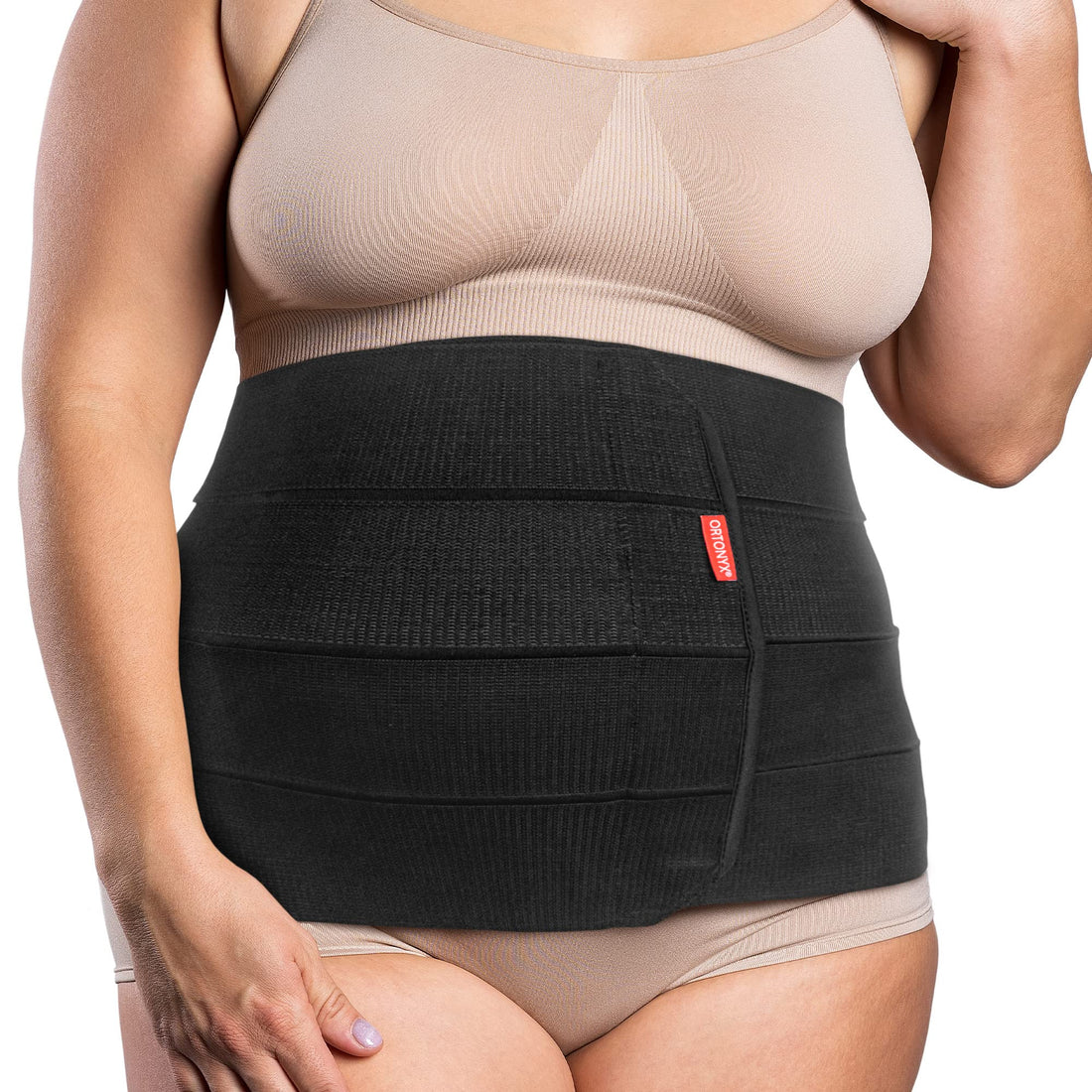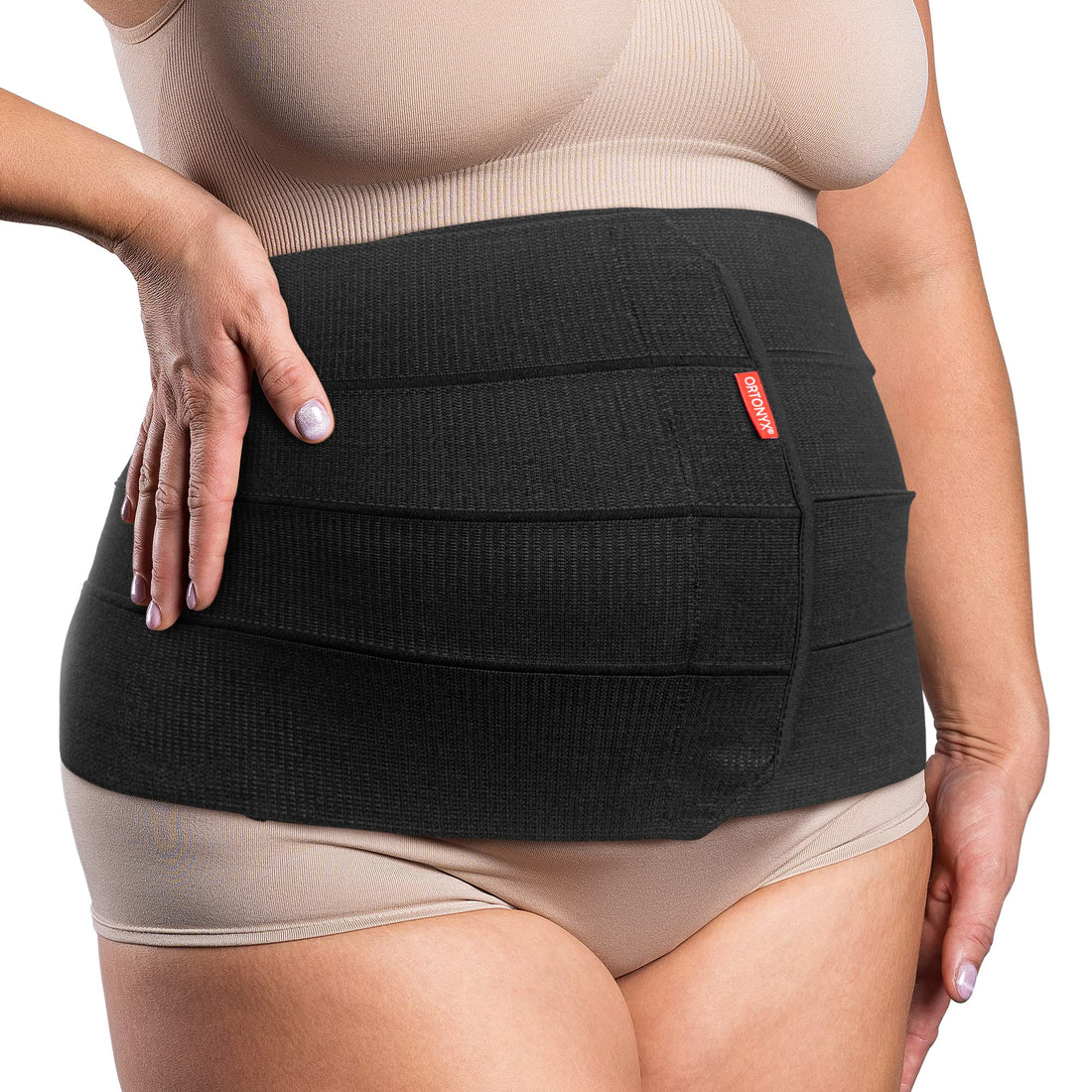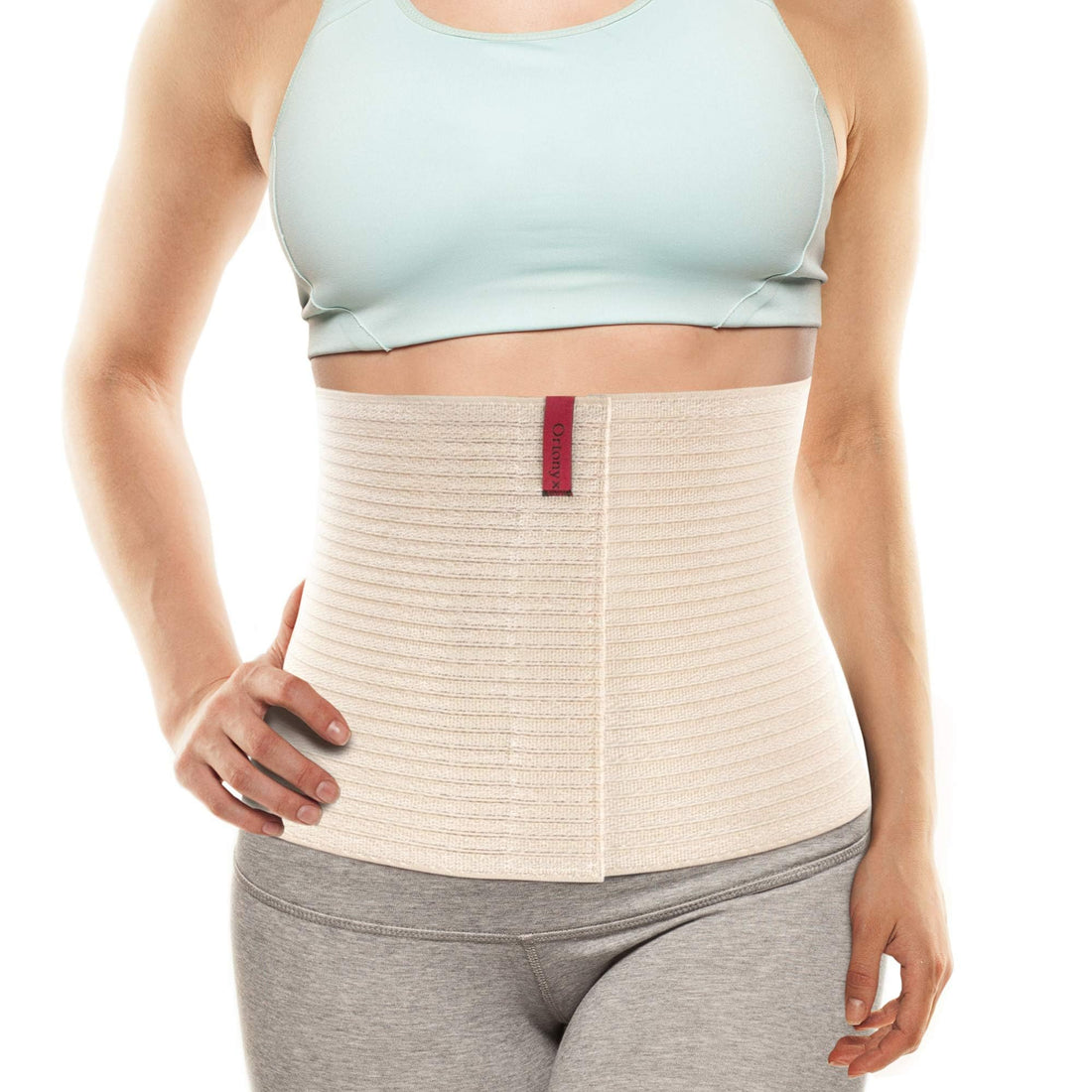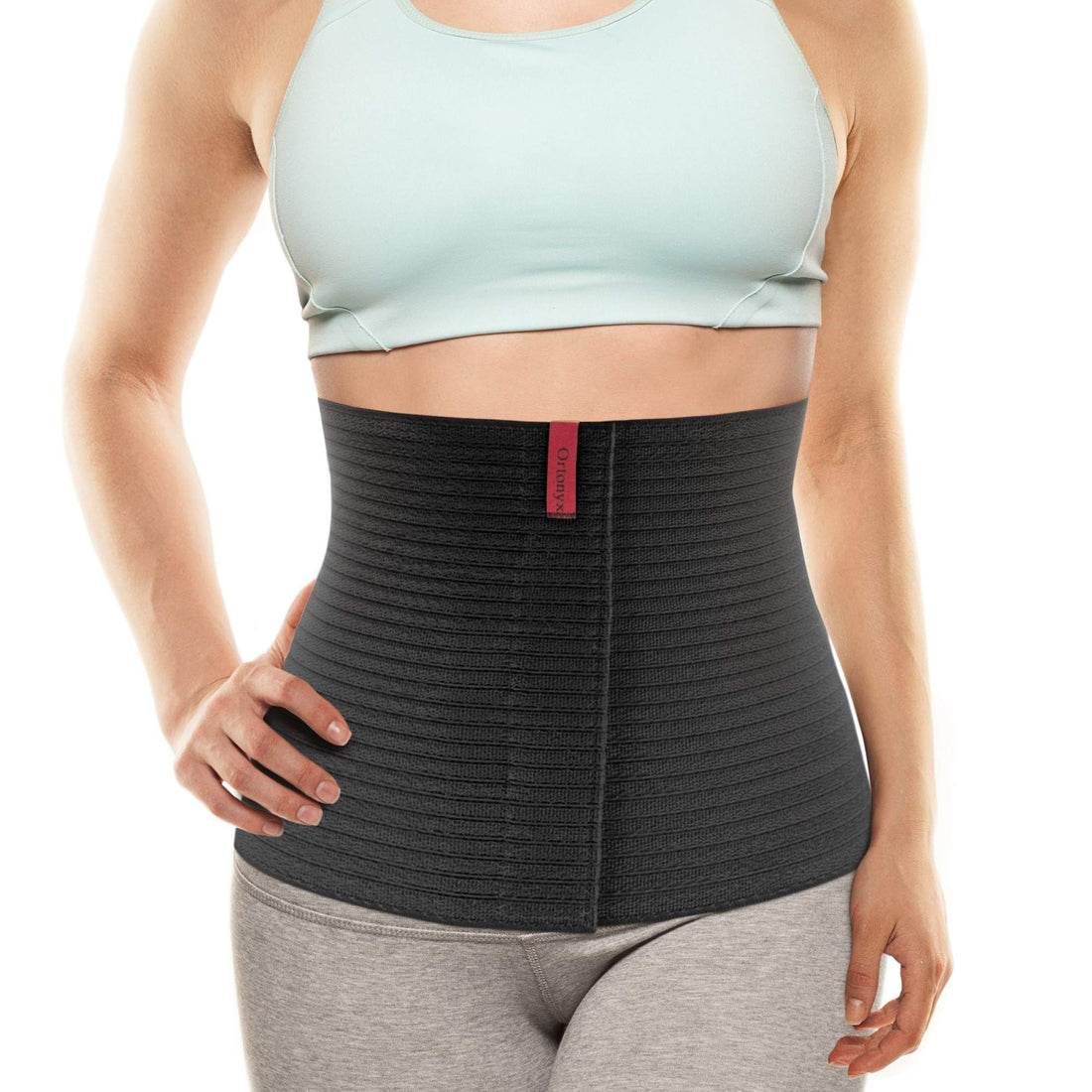

Abdominal Binder For Hernia is the focus of this ORTONYX guide: practical fit, comfort, and safety guidance for choosing support without replacing personalized medical advice.
An abdominal binder is a wide elastic support garment worn around the midsection to provide gentle compression and stability. For individuals living with a hernia, an abdominal binder can be a transformative tool for managing symptoms and helping reduce the risk of the condition from worsening. But how exactly does it help, and when should you use one?
What Is an Abdominal Binder and How Does It Work?
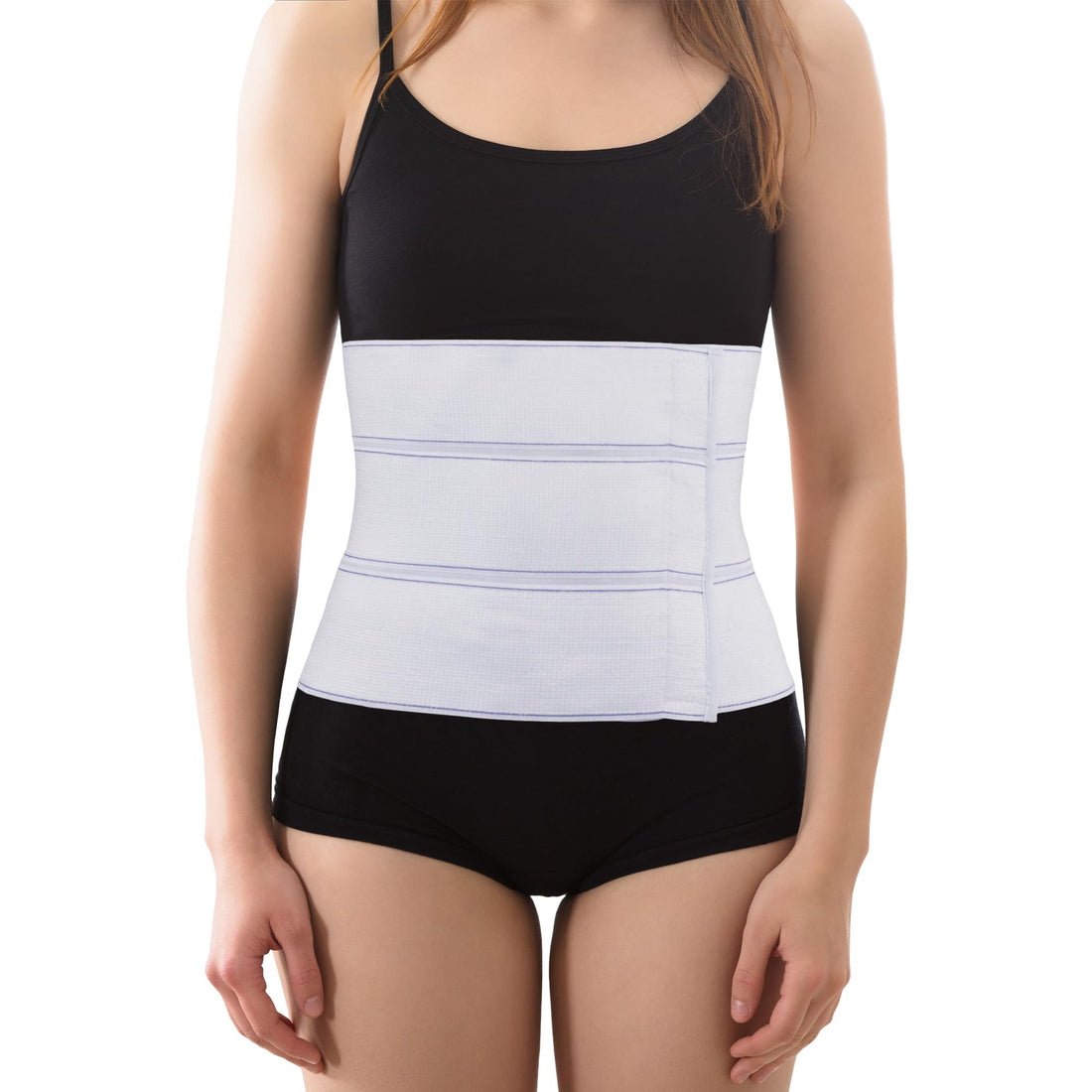
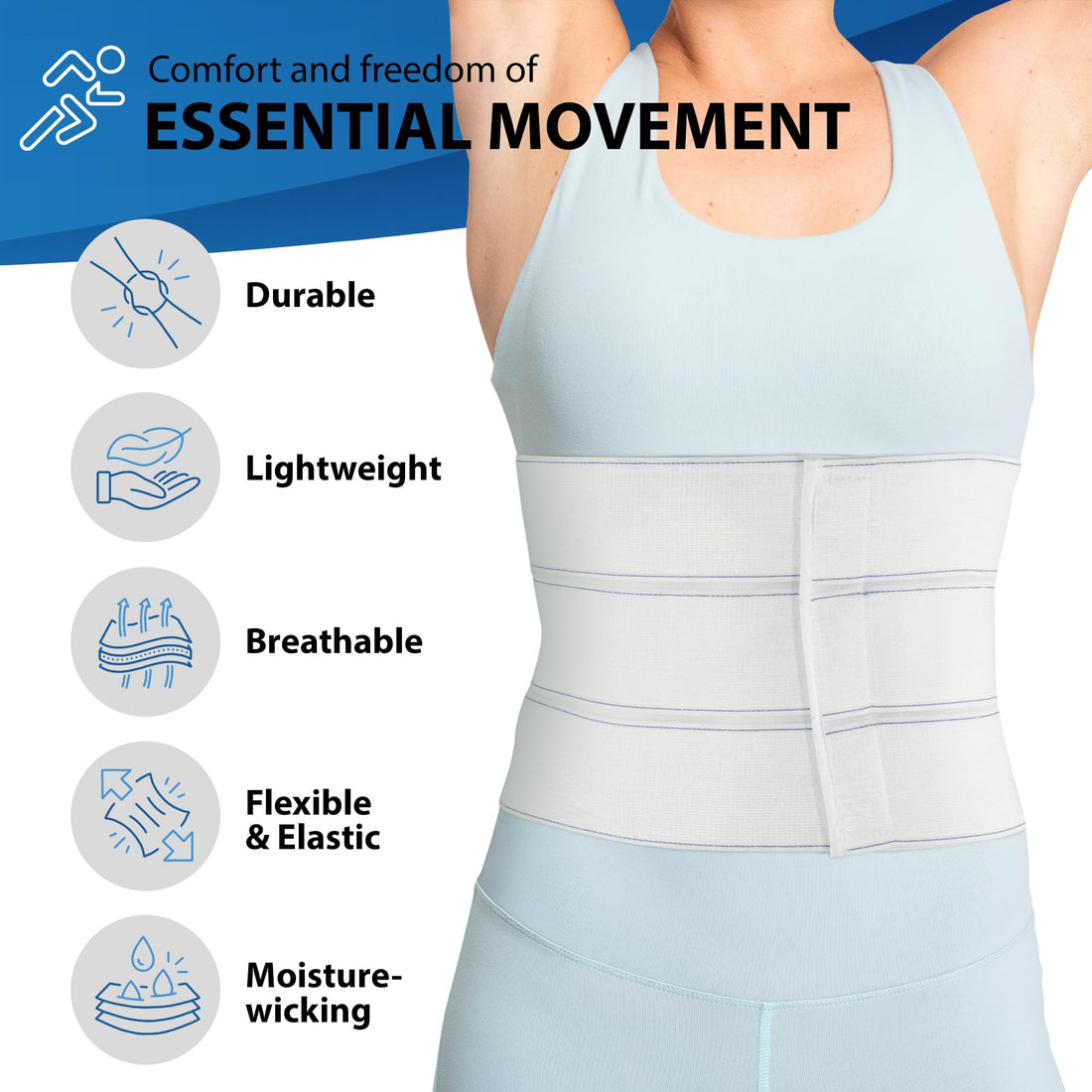
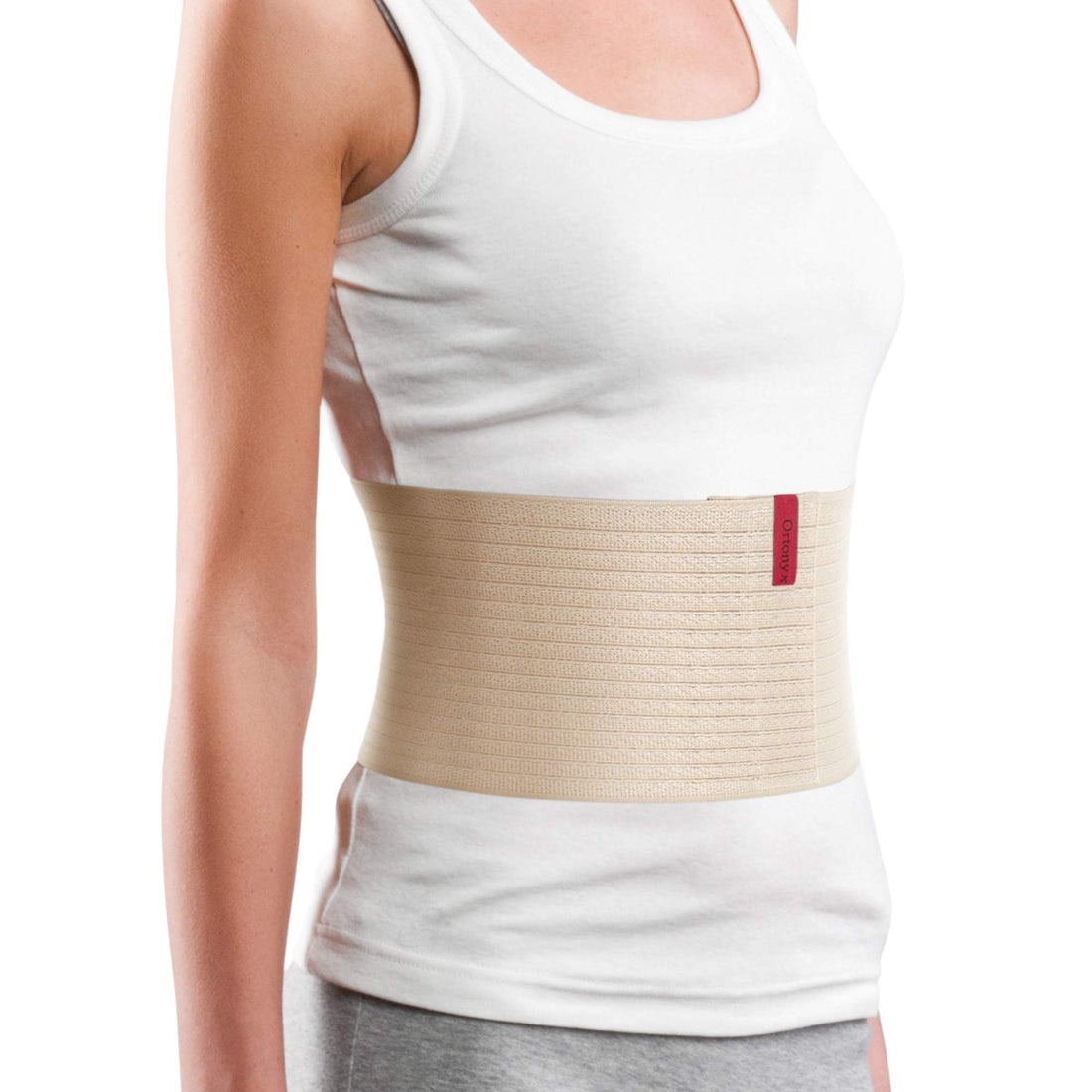
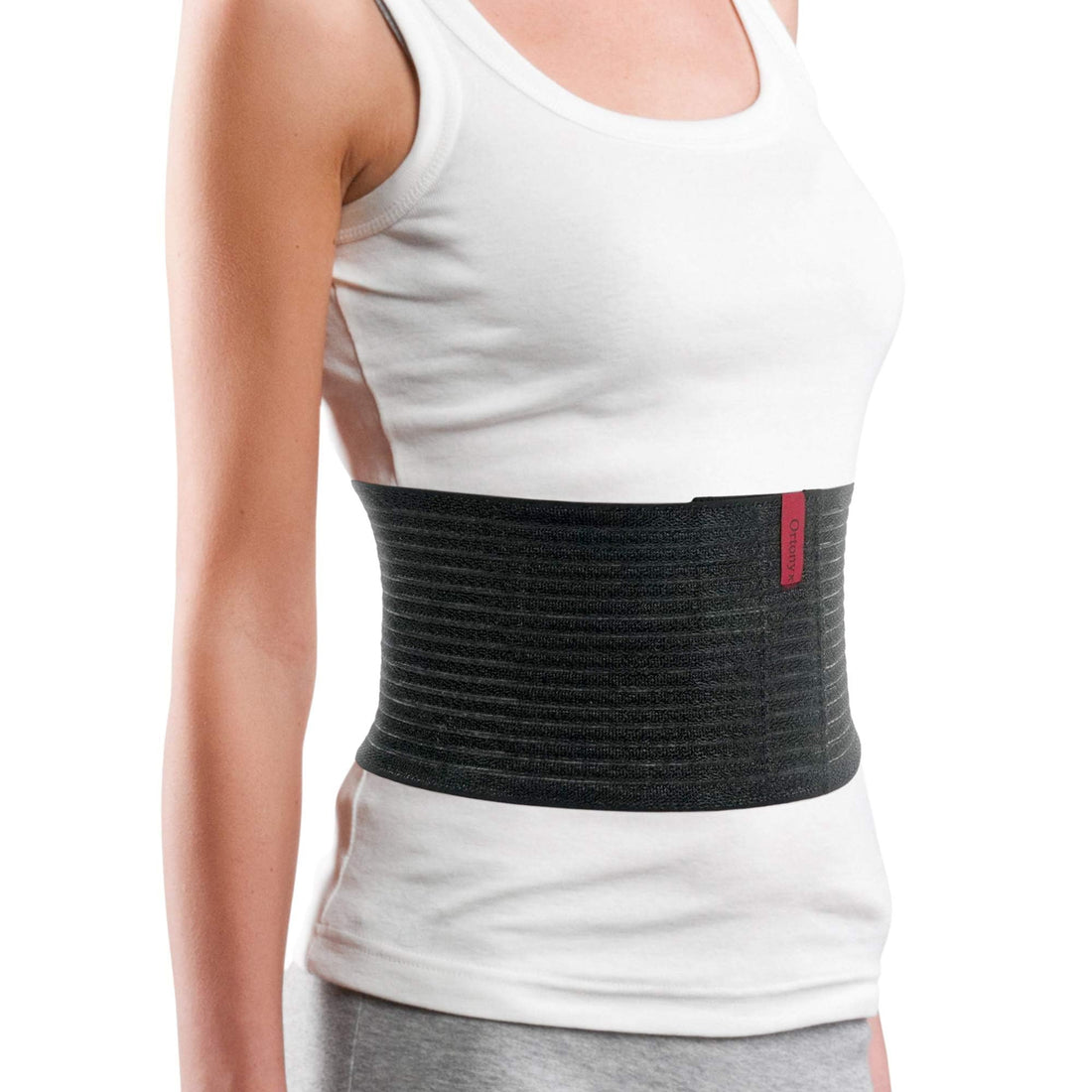
An abdominal binder is a broad elastic band — typically 6 to 12 inches wide — that wraps around the abdomen and fastens with Velcro or hook-and-loop closures. Unlike a targeted hernia belt that applies focused pressure to a specific spot, an abdominal binder provides uniform compression across the entire abdominal wall.
This compression serves several purposes:
- External support: By gently pressing against the abdominal wall, the binder helps hold the herniated tissue in place, helping reduce the risk of it from protruding further through the muscle defect.
- Pain reduction: The steady pressure can significantly reduce the discomfort that comes from hernia tissue moving or bulging during daily activities.
- Posture improvement: By supporting the core, binders encourage better posture, which reduces strain on the abdominal muscles.
- Post-surgical support: After hernia repair surgery, binders help protect the incision site and reduce swelling.
Types of Hernias an Abdominal Binder Can Help
Abdominal binders are most effective for certain types of hernias:
Umbilical Hernias
Located at the navel, umbilical hernias are common in both adults and infants. A binder provides broad support across the belly button area, which is particularly effective because umbilical hernias tend to be centrally located and respond well to uniform compression.
Incisional Hernias
These occur at the site of a previous surgical incision, where the abdominal wall has been weakened. Because incisional hernias can appear anywhere along the abdomen, a full-coverage binder offers adaptable support regardless of the hernia's location.
Ventral Hernias
Any hernia that appears along the midline of the abdomen falls into this category. The wide coverage of an abdominal binder makes it an excellent option for managing ventral hernias of various sizes.
When to Wear an Abdominal Binder for Hernia Support
Knowing when to use your binder can make the difference between effective symptom management and unnecessary discomfort:
- During physical activity: Wear your binder when walking, doing light housework, or performing any activity that engages your core muscles. The binder helps keep the hernia reduced and minimizes the risk of sudden protrusion.
- When standing for extended periods: Gravity puts constant downward pressure on herniated tissue. A binder counteracts this force throughout the day.
- During exercise: For approved low-impact activities, wearing a binder provides essential core support. However, always consult your doctor before exercising with a hernia.
- Post-surgery recovery: Your surgeon may recommend wearing a binder for several weeks following hernia repair to support the healing abdominal wall and reduce the risk of recurrence.
How to Put On an Abdominal Binder Correctly
Proper application is essential for both comfort and effectiveness. Follow these steps:
- Lie on your back if possible. This allows the hernia to naturally reduce, or fall back into place, before you apply compression.
- Center the binder over the area of your hernia. For umbilical hernias, this means centering on the navel.
- Start from the bottom closure and work your way up, pulling the binder snug but not painfully tight.
- Check for even pressure across the entire binder surface. You should feel supported, not squeezed.
- Test your range of motion by gently standing and sitting. The binder should not dig in or roll down.
Sizing Tips for Maximum Comfort
An improperly sized binder can do more harm than good. Here is what to keep in mind:
- Measure your waist at the level of your navel, not your pant line.
- Choose a binder that offers 3 to 6 inches of adjustability in either direction from your measurement.
- Consider your needs: If you plan to wear the binder during activity, you may prefer a slightly wider model for more coverage.
- Between sizes? Size down. A binder that is too large will not provide adequate compression.
For a detailed measurement guide, see our article on Hernia Belt Sizing: How to Measure for the Perfect Fit.
Abdominal Binder vs. Hernia Belt: What is the Difference?
While both devices support the abdominal wall, they serve different purposes:
- Abdominal binders provide broad, uniform compression across the entire abdominal area. They are ideal for larger hernias, post-surgical recovery, and general support.
- Hernia belts feature a focused pressure pad or cushion that applies targeted compression directly over the hernia site. These are better suited for smaller, well-defined hernias, particularly inguinal and small umbilical hernias.
For a more detailed comparison, read our guide on Abdominal Binder vs. Hernia Belt: Key Differences.
When NOT to Use an Abdominal Binder
There are important situations where binders should be avoided:
- Strangulated hernia: If your hernia becomes hard, painful, and cannot be pushed back in — this is a medical emergency. Do not apply a binder; seek immediate care.
- Skin irritation or open wounds: The binder material can aggravate existing skin conditions.
- Breathing difficulty: If the binder restricts your ability to take a full breath, it is too tight. Remove it immediately.
- Severe pain: A binder should never cause sharp or increasing pain.
How Long Should You Wear an Abdominal Binder Each Day?
For non-surgical use, most people can comfortably wear an abdominal binder for 6 to 8 hours per day. Start with shorter periods and gradually increase as your body adjusts. Remove the binder for at least a few hours each day to allow your skin to breathe and your muscles to engage naturally.
After surgery, follow your surgeon's specific instructions, which typically involve wearing the binder for 2 to 6 weeks, often around the clock for the first week except during bathing.
Find Your Hernia Support Solution
Finding the right abdominal support is a personal choice based on your hernia type, activity level, and comfort preferences. ORTONYX offers a complete range of abdominal binders designed with medical-grade elastic, breathable materials, and secure closures to provide the compression and comfort you need.
ORTONYX Fit Notes
An abdominal binder for hernia support should feel snug enough to reduce pulling sensations, but not so tight that it affects breathing, digestion, or skin comfort. ORTONYX abdominal binders are most useful when the support panel sits flat across the weakened area and the closure can be adjusted during the day as swelling or activity changes.
For daily use, check the fit while standing, sitting, and walking. The binder should stay in place without rolling. If the hernia bulge becomes painful, firm, discolored, or cannot be gently reduced, remove the binder and contact a clinician promptly.
Browse Abdominal Binders | Shop Hernia Belts
About ORTONYX: ORTONYX designs orthopedic support devices including braces, binders, and recovery supports. This article draws on product-design experience and common patient questions, but it is not a substitute for personalized medical care.
Related guides: Hernia Belt Sizing Guide | Binder vs Hernia Belt Comparison
This information is for educational purposes only and is not intended as medical advice. Consult with a healthcare professional before starting any treatment or using support devices.