
Hernia Belt Sizing is the focus of this ORTONYX guide: practical fit, comfort, and safety guidance for choosing support without replacing personalized medical advice.
Choosing the correct hernia belt size is one of the most important steps in managing your hernia effectively. A belt that is too small will be uncomfortable and may restrict breathing or circulation. One that is too large will fail to provide the compression needed to keep the hernia reduced. This guide will walk you through how to measure for a hernia belt and ensure you get the perfect fit.
Why Proper Sizing Matters
A correctly sized hernia belt needs to achieve a delicate balance: enough compression to hold the herniated tissue in place, but not so much that it causes discomfort, skin irritation, or breathing difficulty. An improperly sized belt can:
- Fail to keep the hernia reduced, rendering the belt ineffective
- Slip or shift during daily activities, requiring constant readjustment
- Cause chafing, bruising, or skin breakdown at pressure points
- Restrict circulation if excessively tight
- Lead to muscle dependence if worn incorrectly for extended periods
How to Measure for a Hernia Belt
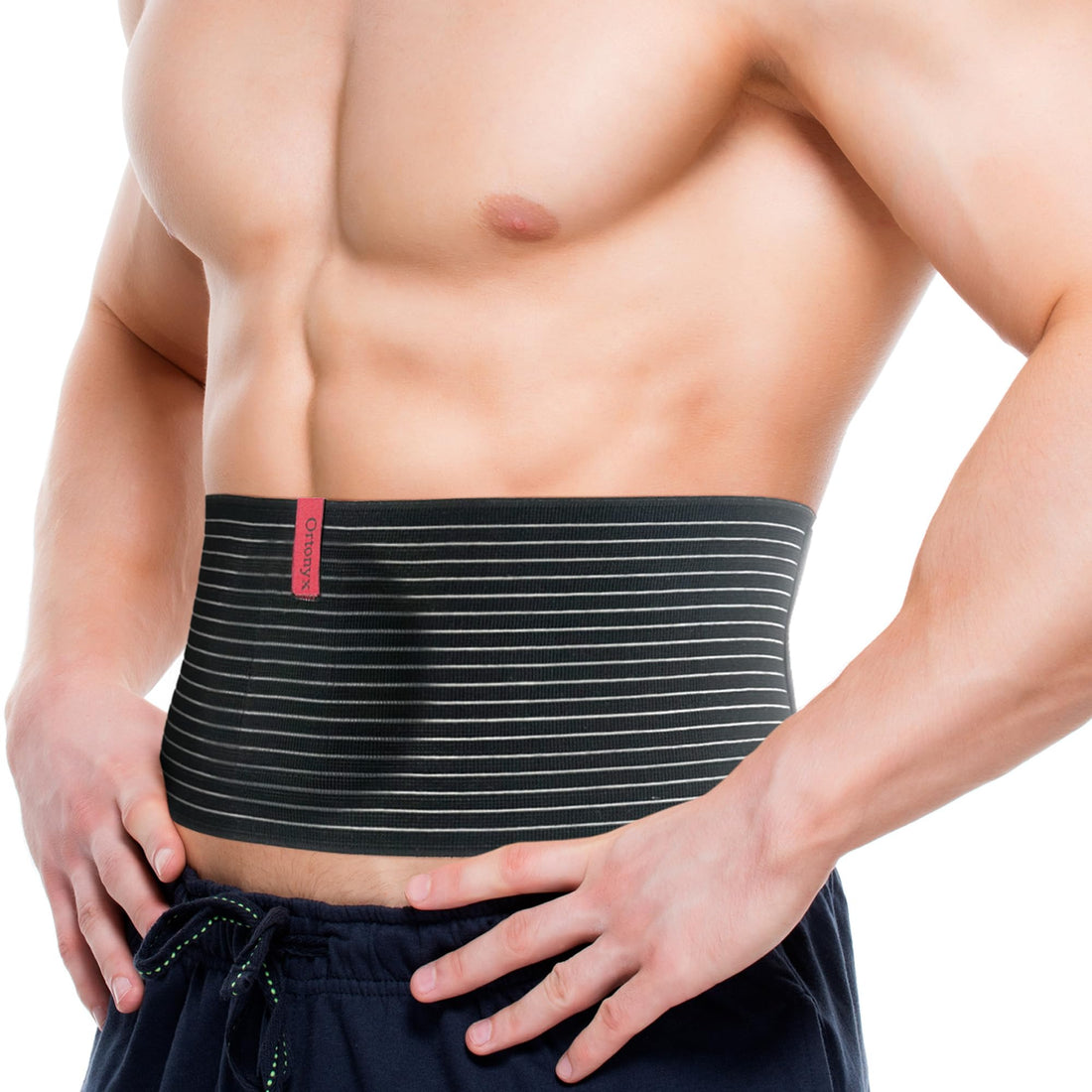
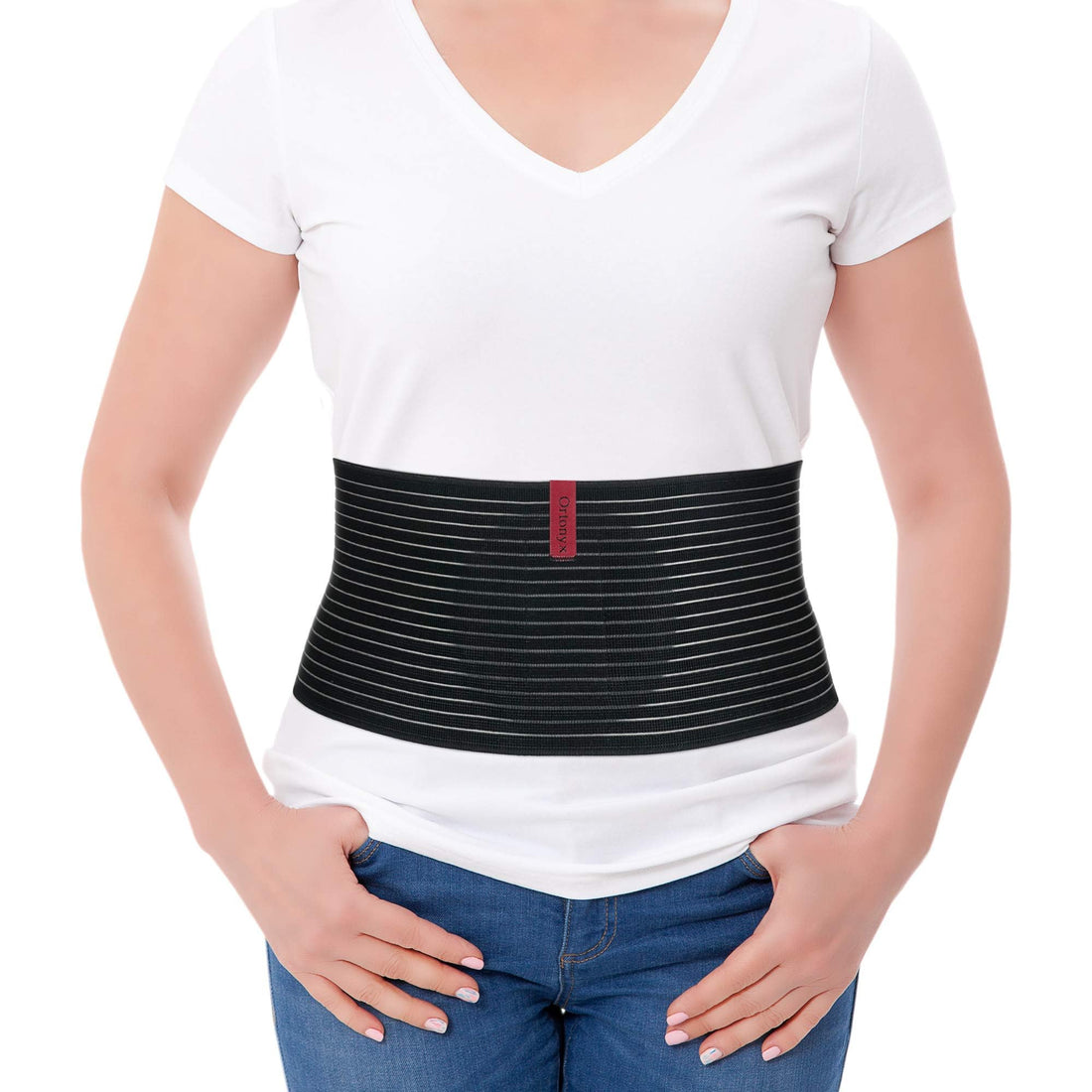
For Umbilical and Abdominal Hernia Belts
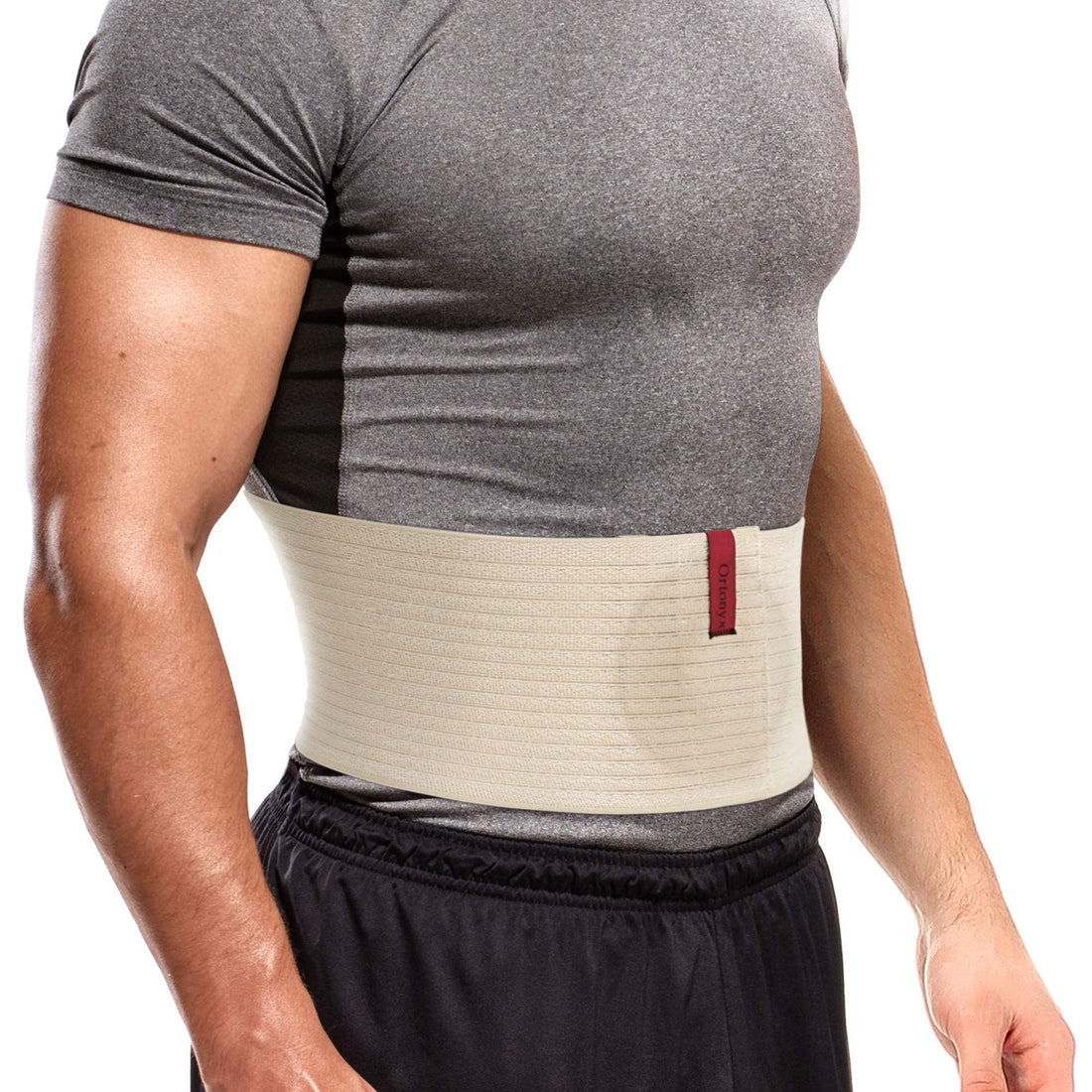
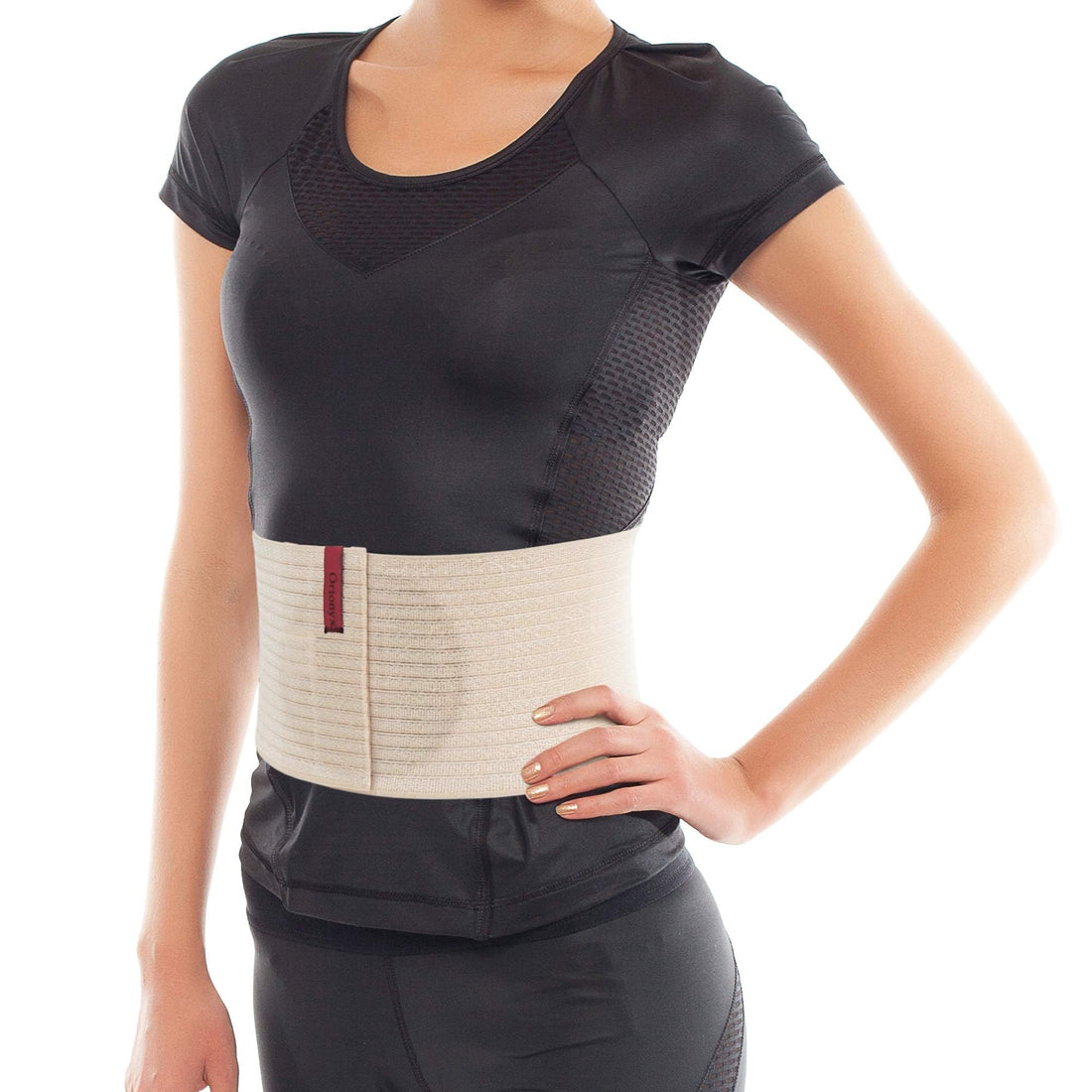
Umbilical and abdominal hernia belts are sized by waist circumference. Follow these steps:
- Use a flexible measuring tape. If you do not have one, use a piece of string and measure it against a ruler.
- Stand upright with your abdomen relaxed. Do not suck in your stomach — you want your natural measurement.
- Measure around your waist at the level of your navel (belly button). Wrap the tape parallel to the floor, not angled.
- Take the measurement at the end of a normal exhale. Do not hold your breath or push your stomach out.
- Record the measurement in inches or centimeters and compare it to the manufacturer's size chart.
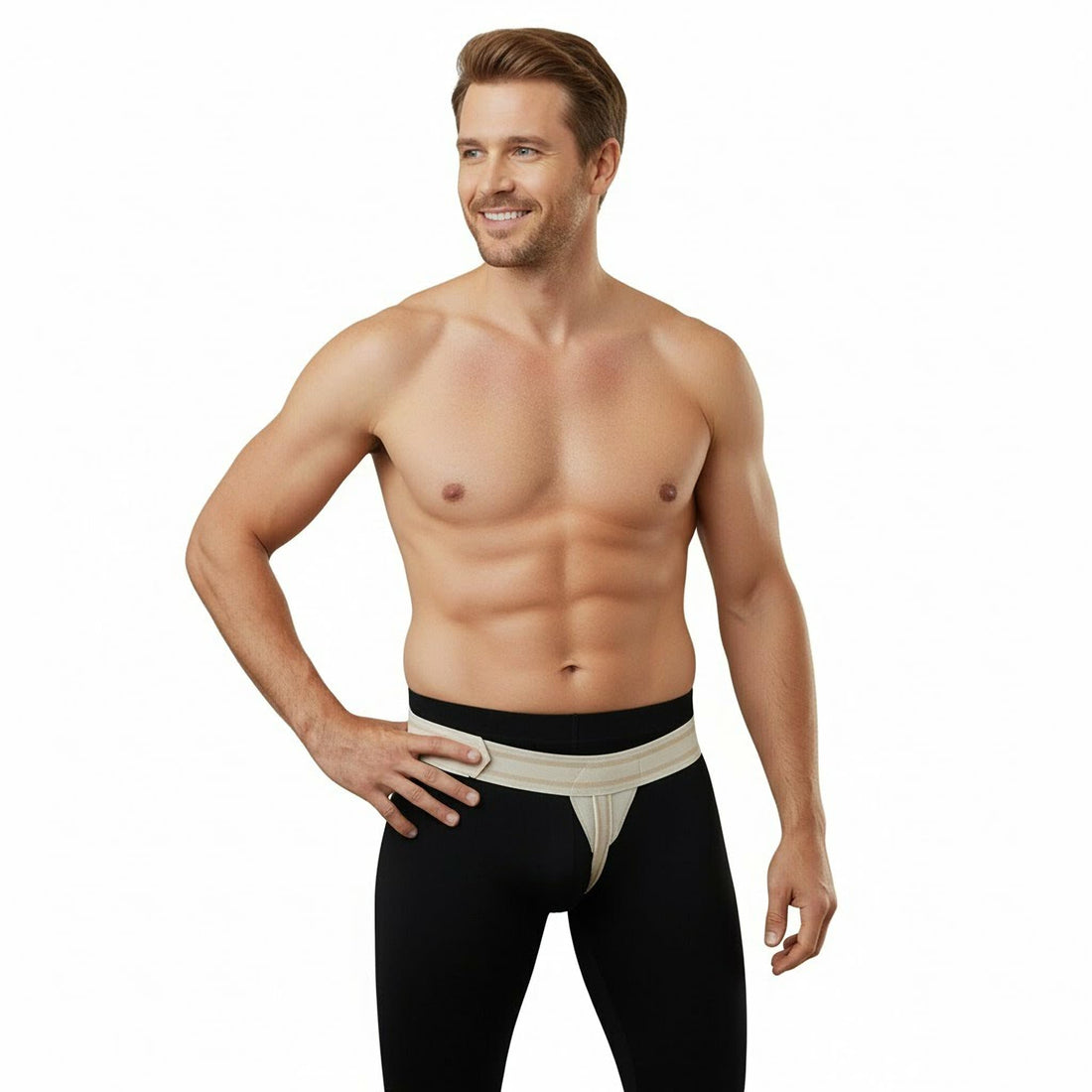
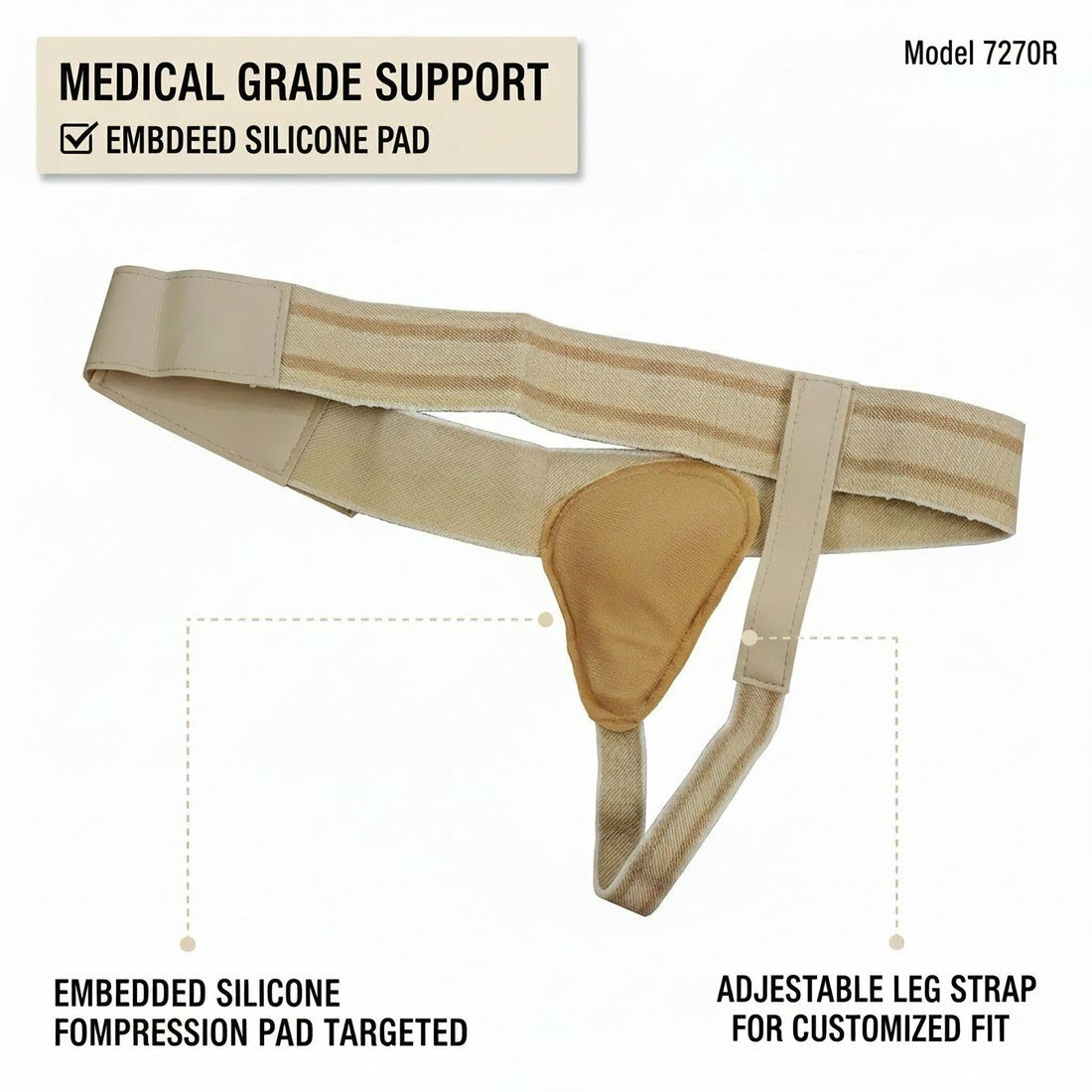
For Inguinal Hernia Belts and Trusses
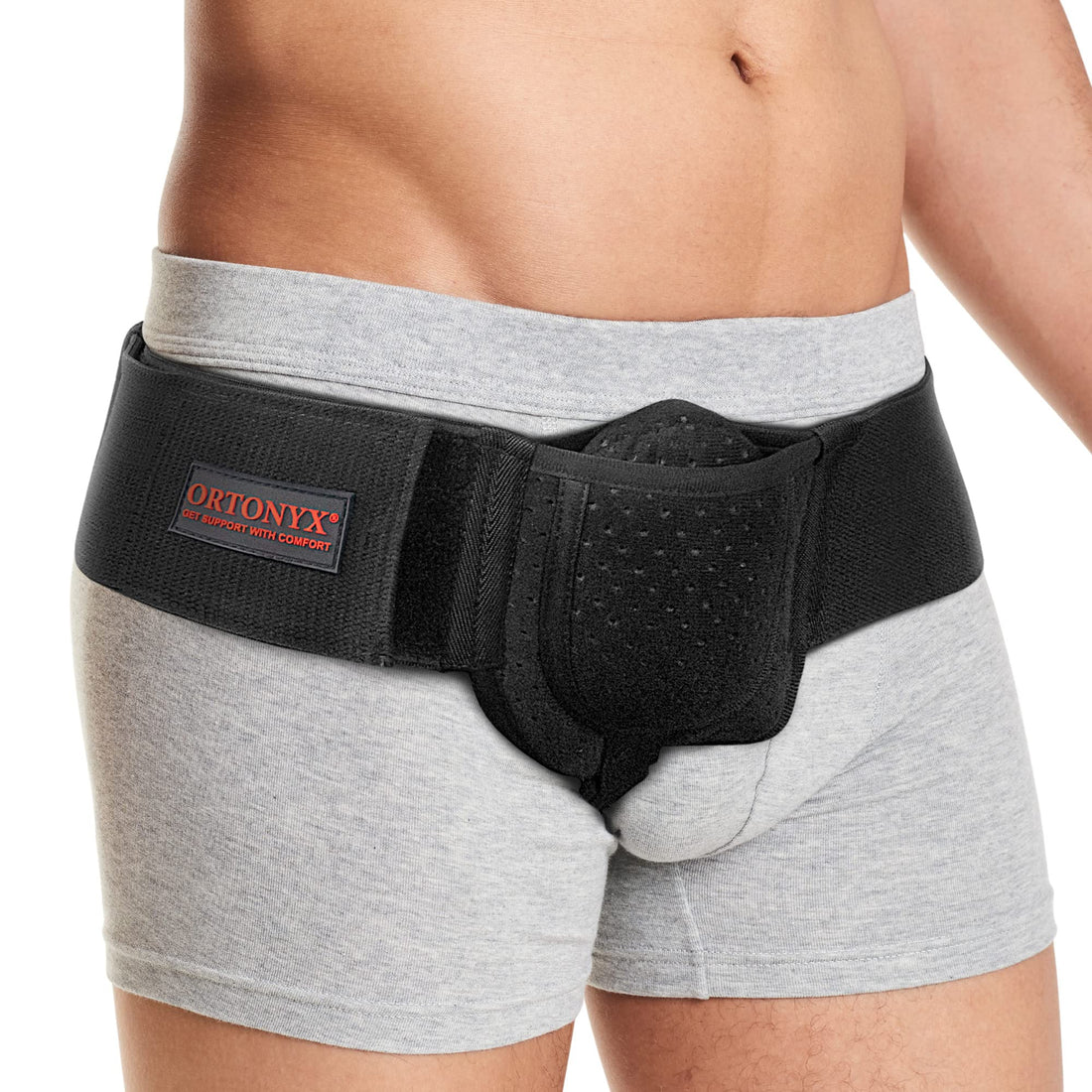
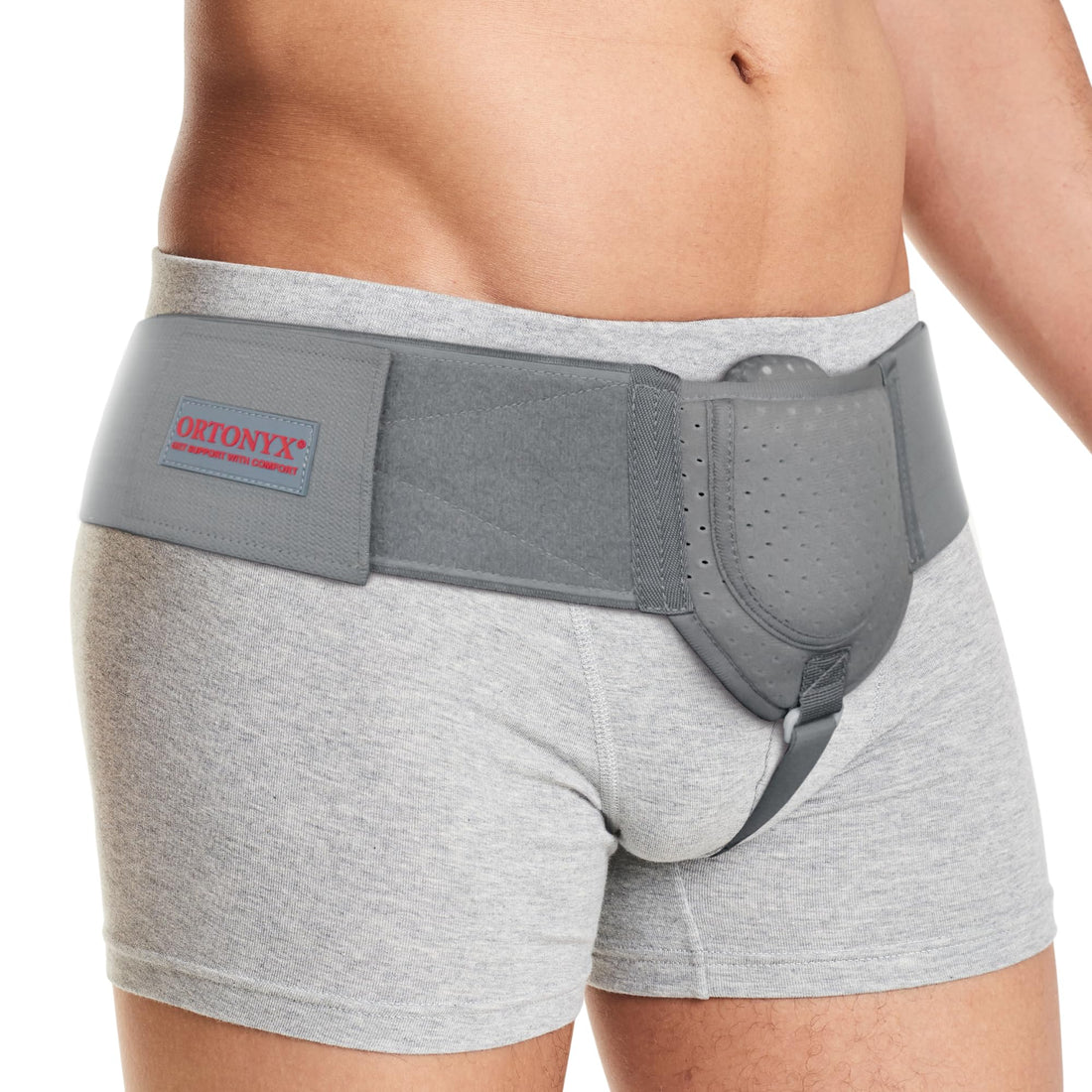
Inguinal hernia supports are sized differently because they wrap around the hip and groin area rather than the waist. Measure:
- Hip circumference: Wrap the tape around the widest part of your hips, approximately at the level of your hip bones.
- Thigh circumference (if the belt has a leg strap): Measure around the upper thigh at the groin crease.
- Compare both measurements to the manufacturer's chart and select the size that accommodates your largest measurement.
Common Sizing Mistakes
- Measuring over clothing: Even a thin layer can add half an inch or more. Measure against bare skin or a single thin layer.
- Using pant size: Waist measurements for hernia belts are medical measurements, not clothing sizes. A size 34 pant does not equal a 34-inch medical waist measurement.
- Measuring while lying down: Your abdominal circumference changes significantly between standing and lying positions. Always measure standing.
- Guessing: A surprising number of people estimate their measurement by look or feel. Do not do this — use a tape measure.
- Ignoring the size chart: Sizing varies between manufacturers. Always consult the specific brand's chart rather than assuming your size.
What to Do If You Are Between Sizes
If your measurement falls between two sizes, consider these factors:
- Size down if your hernia is small and easily reducible, or if you plan to wear the belt primarily during activity.
- Size up if you have a larger hernia, if you will wear the belt for extended periods, or if you prefer a slightly more relaxed fit.
- Choose a belt with multiple adjustment points to give yourself more flexibility. Many ORTONYX belts offer 3 to 6 inches of adjustability.
Adjusting Your Belt for Maximum Comfort
Once you have the right size, proper adjustment is key:
- Put the belt on while lying down. This allows the hernia to reduce naturally before compression is applied.
- Fasten the belt snugly, but ensure you can slide two fingers between the belt and your skin.
- Check that any pressure pad or cushion sits directly over the hernia site.
- Stand up slowly and check that the belt stays in position and the hernia remains reduced.
- Re-adjust after eating or during position changes, as your abdominal circumference shifts throughout the day.
Signs of a Poor Fit
- The belt rides up or rolls down during wear
- You need to readjust the belt more than 2 to 3 times per day
- The hernia bulges through or around the belt
- You experience chafing, bruising, or skin marks that last more than 30 minutes after removing the belt
- The belt feels uncomfortably tight even on the loosest setting
- The belt slips or rotates during normal walking
If you experience any of these signs, re-measure and consider a different size or style.
Find Your Perfect Fit
Getting the right size is the first step toward effective, comfortable hernia management. ORTONYX hernia belts are designed with adjustable closures and multiple sizing options to accommodate a wide range of body types and hernia presentations.
Hernia Belt Sizing: Fit and Safety Checklist
- Confirm the support fits the exact area that needs help.
- Keep pressure comfortable enough for normal breathing and movement.
- Stop use and ask a clinician if pain, numbness, swelling, or skin irritation increases.
ORTONYX Fit Notes
A hernia belt sizing guide is only useful if measurements are taken in the position where the belt will be worn. Measure around the body at the level of the hernia while standing, then compare that number with the product’s size chart. ORTONYX hernia belts include adjustable straps so the pad can stay centered as activity changes.
Fit should be checked after sitting, bending, and walking. A belt that slides, rolls, or shifts off the bulge will not provide consistent support and may need a different size or style.
Browse Hernia Belts | Shop Inguinal Supports
About ORTONYX: ORTONYX designs orthopedic support devices including braces, binders, and recovery supports. This article draws on product-design experience and common patient questions, but it is not a substitute for personalized medical care.
Related guides: Belt vs Truss Comparison | Binder vs Belt Guide
This information is for educational purposes only and is not intended as medical advice. Consult with a healthcare professional before starting any treatment or using support devices.