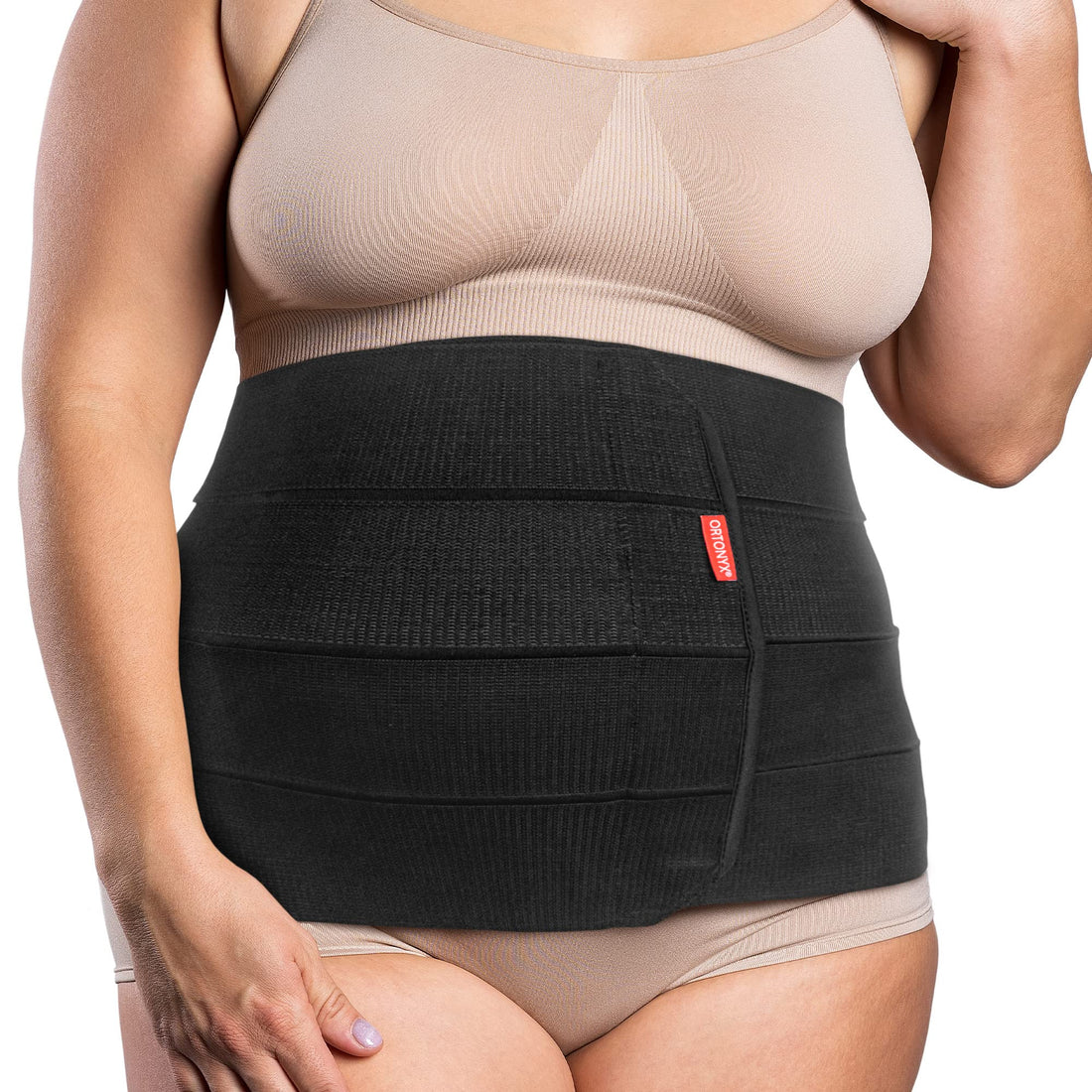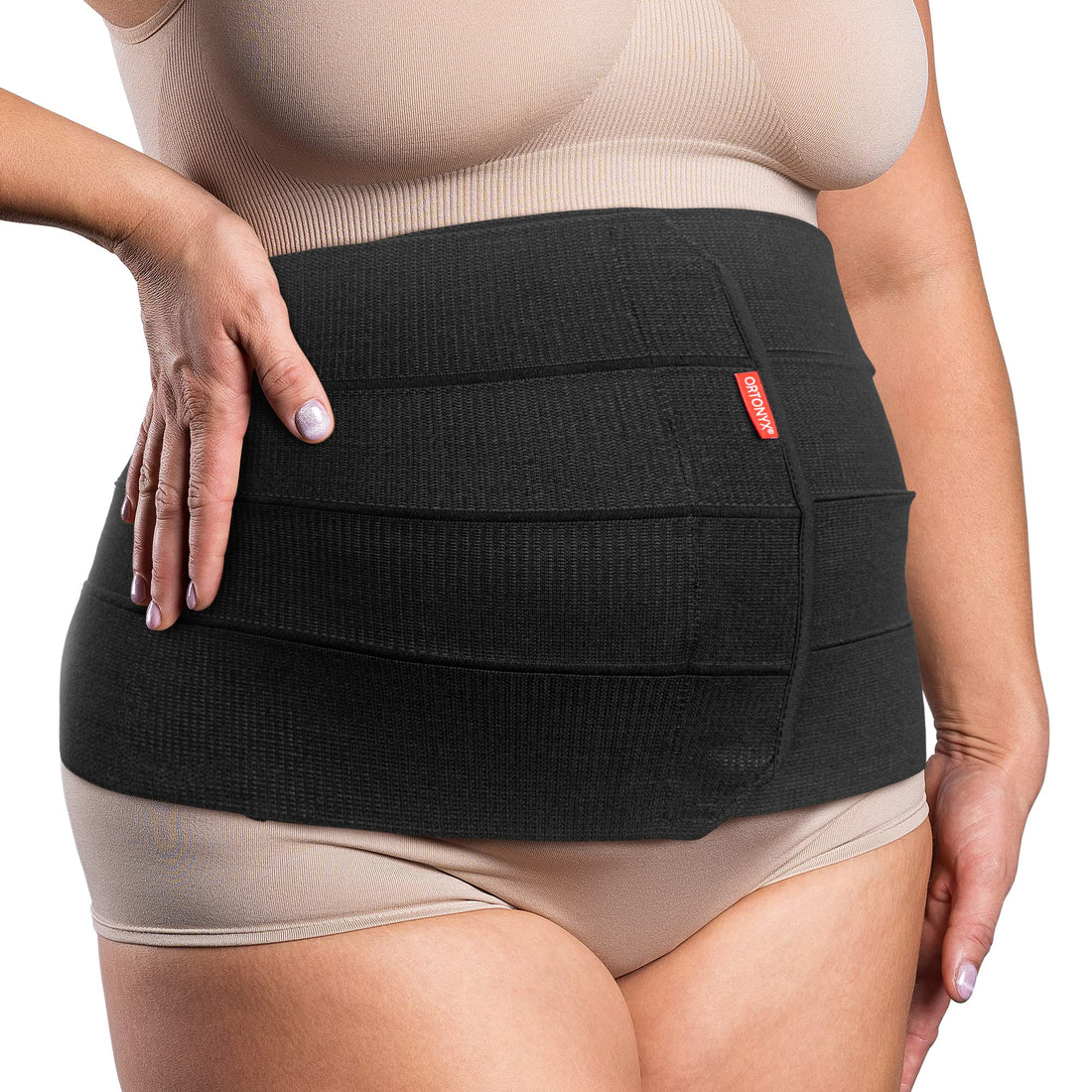

Recovering from a cesarean delivery is a major physical challenge. Between caring for a newborn and healing from major abdominal surgery, new mothers need every advantage they can get. One of the most commonly recommended recovery tools is an abdominal binder after C-section. But when should you start wearing one, and how do you use it safely?
Why an Abdominal Binder Helps After C-Section
A C-section involves an incision through the skin, fat, muscle, and uterus — multiple layers of tissue that need time and support to heal. An abdominal binder provides several key benefits during this recovery:
- Incision support: The gentle compression stabilizes the incision site, reducing pain during movement, coughing, sneezing, and laughing — all of which place significant stress on the healing wound.
- Reduced swelling: Compression helps minimize post-surgical edema and fluid accumulation around the incision.
- Core support: After pregnancy and surgery, the abdominal muscles are significantly weakened. A binder provides external support that makes it easier to sit up, stand, and walk.
- Pain reduction: Multiple studies have found that women who use abdominal binders after C-section report lower pain scores and reduced need for pain medication.
- Improved mobility: With the incision supported, many women find it easier to move around, which is essential for helping reduce the risk of blood clots and promoting overall recovery.
When to Start Wearing an Abdominal Binder
The timing depends on your individual recovery and your obstetrician's guidance. In general:
- Immediately after surgery (hospital): Many hospitals now provide binders or encourage their use within 24 hours of a C-section. If your doctor approves, gentle binder use can begin while you are still in the hospital, typically 12 to 24 hours after surgery.
- First days at home: Continue wearing the binder during waking hours, removing it for showering and skin checks. The first week is when binder support is most beneficial.
- Weeks 2 to 4: Continue wearing the binder during activity and when upright. You may begin removing it during rest periods.
- Weeks 4 to 6: Gradually transition away from the binder as your strength and comfort improve. Most women discontinue regular use by 6 weeks postpartum.
How to Wear Your Binder Safely After C-Section
- Wait for clearance: Confirm with your nurse or doctor that it is safe to begin binding before applying any compression.
- Position carefully: The binder should cover the incision completely, with the bottom edge below the incision and the top edge at or just below your bra line. Never place the binder's edge directly on the incision.
- Lie on your back when first applying the binder. This allows your abdominal muscles to relax completely.
- Fasten from bottom to top with gentle, even pressure. The compression should feel supportive, not tight. You should be able to breathe comfortably and slide two fingers under the binder.
- Avoid direct incision pressure: If the binder edge falls on your incision, place a thin layer of sterile gauze or a soft cloth between the binder and your skin.
- Check your incision daily: Remove the binder at least twice daily to inspect the wound for signs of infection: increased redness, warmth, drainage, or separation of the incision edges.
Choosing the Right Binder
Look for a binder specifically designed for postpartum use with these features:
- Adjustable compression: Multiple Velcro closure points allow you to customize the fit as your body changes.
- Breathable material: Postpartum sweating is common, and breathable fabric reduces the risk of moisture-related skin issues.
- Wide coverage: A binder that is 9 to 12 inches wide provides full coverage of the abdominal area without creating pressure points.
- Gentle compression: Postpartum binders should provide support, not aggressive waist training. The goal is comfort and healing.
Signs You Should Remove the Binder
- Increased pain at the incision site
- Difficulty breathing or feeling short of breath
- Numbness, tingling, or coldness in the legs
- Increased vaginal bleeding
- Any signs of infection at the incision
- Feeling of pelvic pressure or a sensation of something "falling"
If you experience any of these symptoms, remove the binder and contact your healthcare provider.
Beyond the Binder: Complete C-Section Recovery
An abdominal binder is just one tool in your recovery toolkit. Complete recovery also involves:
- Gentle walking: Begin short walks as soon as your doctor approves. Walking promotes circulation, reduces blood clot risk, and supports bowel function.
- Proper nutrition: Adequate protein, vitamin C, and zinc support wound healing. Stay well-hydrated.
- Rest: Your body needs time to heal. Accept help, and do not push yourself to resume normal activities too quickly.
- Pelvic floor awareness: If you experience pelvic heaviness or prolapse symptoms, consult a pelvic health physiotherapist before continuing binder use.
Find Your Post-C-Section Support
Recovering from a C-section while caring for a newborn is an extraordinary demand on your body. ORTONYX abdominal binders are designed to provide the gentle, adjustable support you need to heal comfortably during the postpartum period.
Abdominal Binder After C-Section Fit Checklist
- Confirm the support fits the exact area that needs help.
- Keep pressure comfortable enough for normal breathing and movement.
- Stop use and ask a clinician if pain, numbness, swelling, or skin irritation increases.
ORTONYX Fit Notes
An abdominal binder after C-section should be introduced only when your clinician says pressure near the incision is appropriate. Early use is usually about comfort during standing, coughing, and short walks. ORTONYX abdominal binders allow gentle adjustment so support can be changed as swelling and tenderness improve.
Check the incision area after each wear session. Stop and ask for guidance if binding increases bleeding, drainage, redness, warmth, or sharp pain around the incision.
Practical Wear Schedule After C-Section
Once your clinician clears binder use, start with short periods during movement rather than wearing it continuously. Many people find the most benefit during standing, walking, coughing, or getting in and out of bed. Remove the binder while resting if it causes warmth, itching, or pressure near the incision.
ORTONYX abdominal binders can be adjusted as swelling changes. A comfortable fit should feel supportive across the abdomen without pressing sharply on the incision line or making it harder to breathe deeply.
Browse Maternity and Postpartum Support | Shop Abdominal Binders
About ORTONYX: ORTONYX designs orthopedic support devices including braces, binders, and recovery supports. This article draws on product-design experience and common patient questions, but it is not a substitute for personalized medical care.
Related guides: Postpartum Belly Binding | Post-Surgery Binder Timeline
This information is for educational purposes only and is not intended as medical advice. Consult with a healthcare professional before starting any treatment or using support devices.