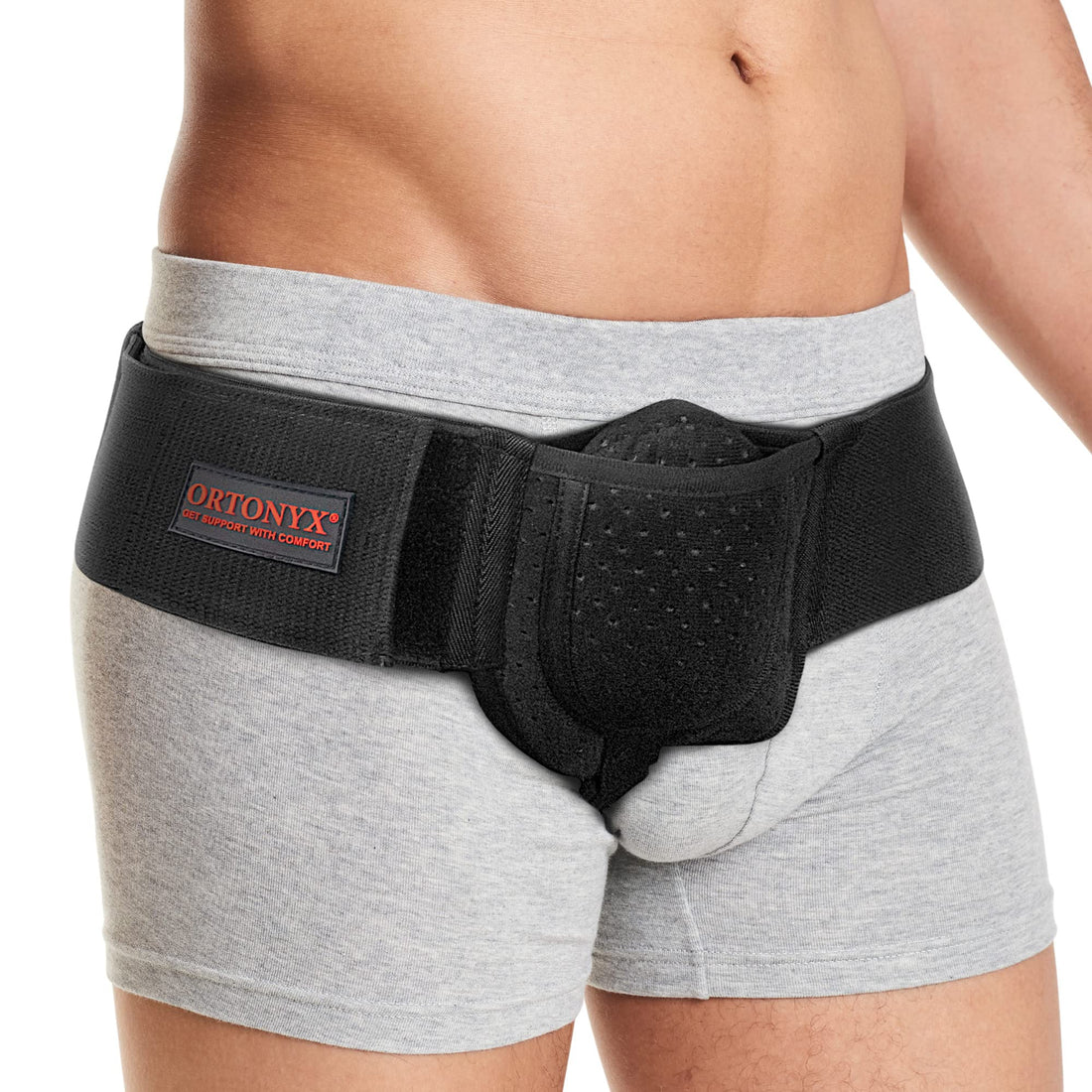
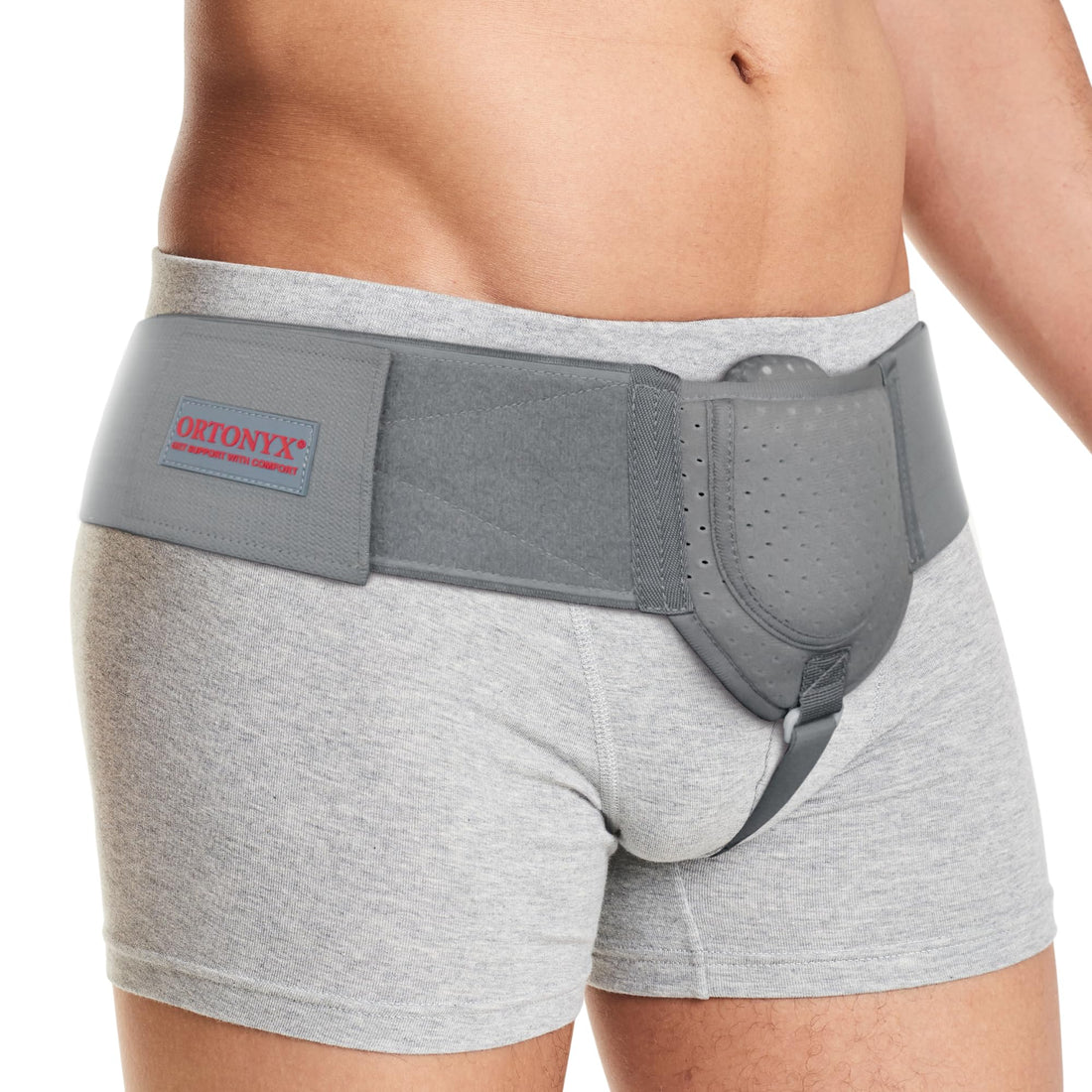
Inguinal Hernia Belt for Men and Women with Removable Compression Pad - Left/Right Side
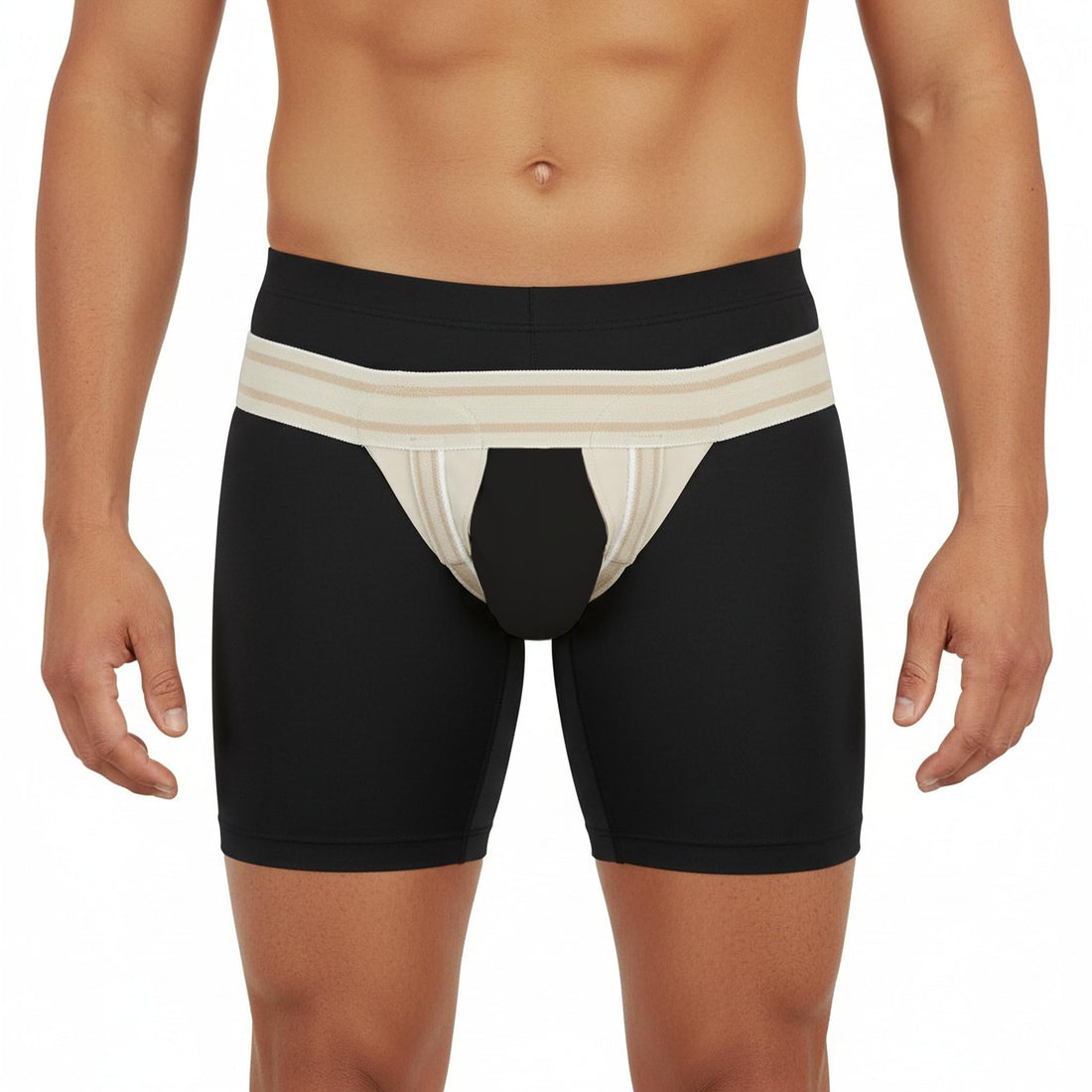
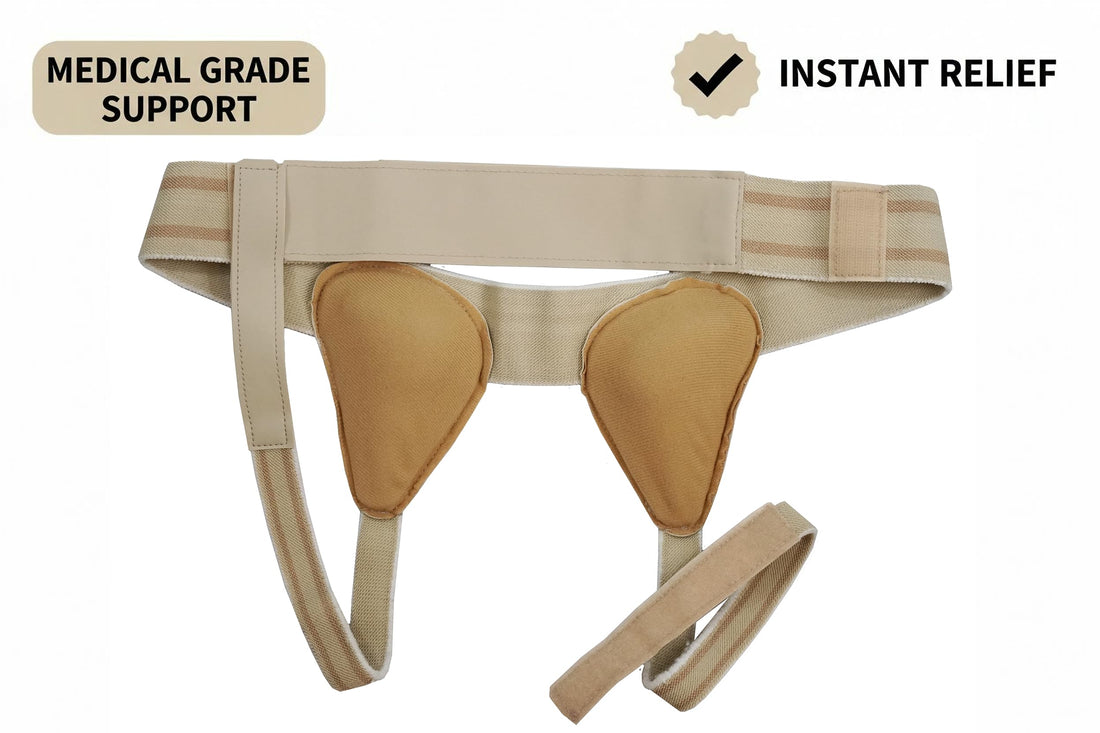
Inguinal Groin Hernia Truss Support Belt
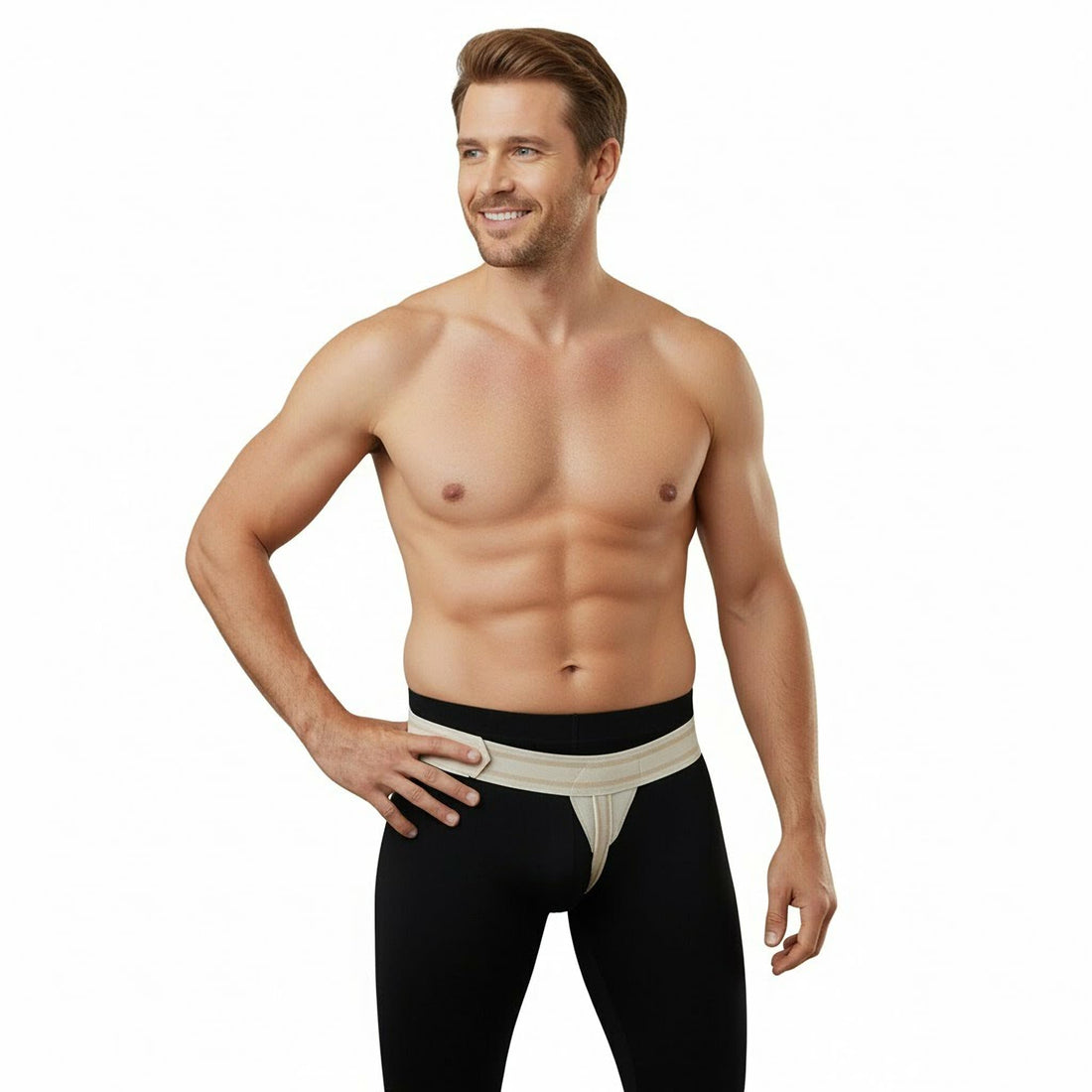
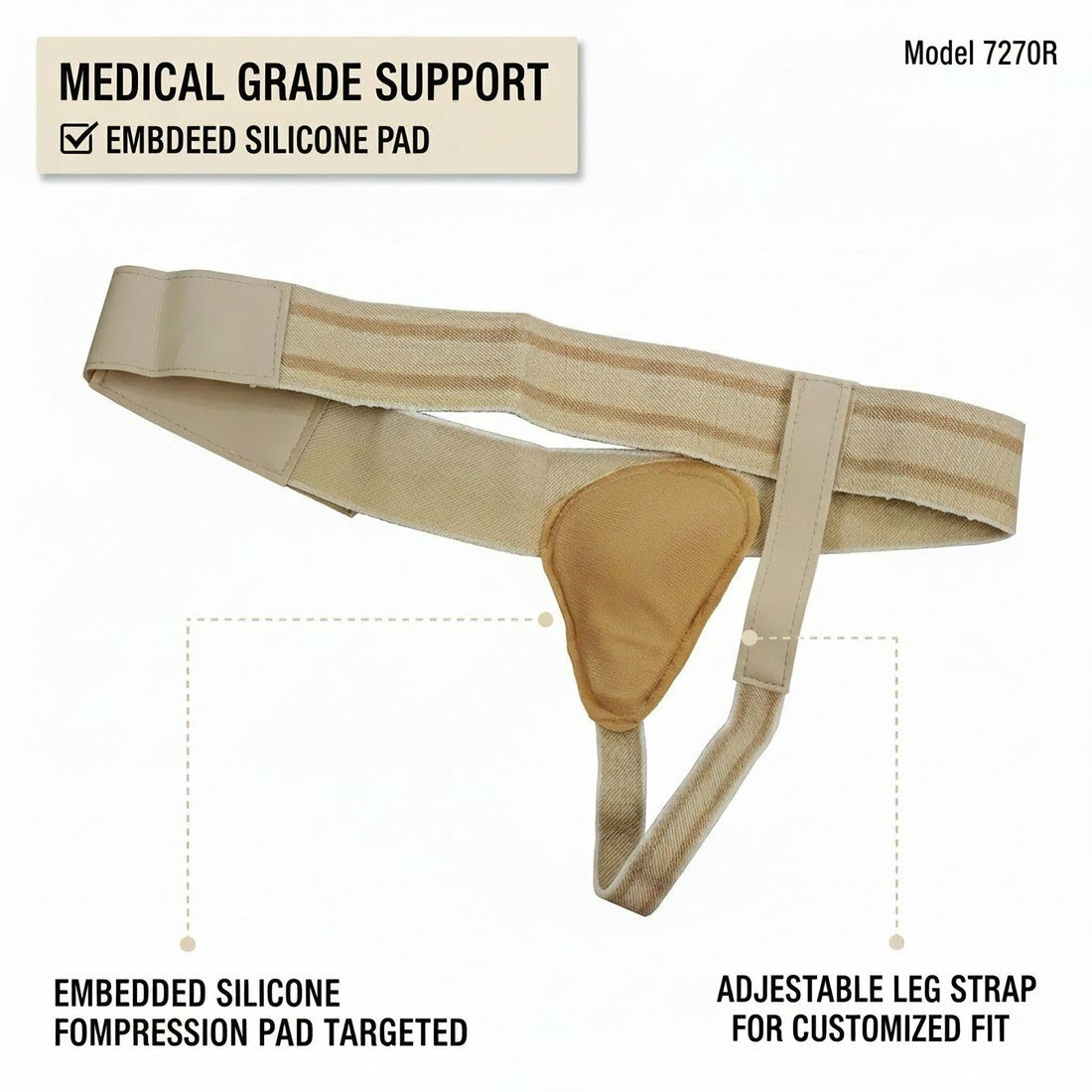
Inguinal Groin Hernia Truss Support Belt
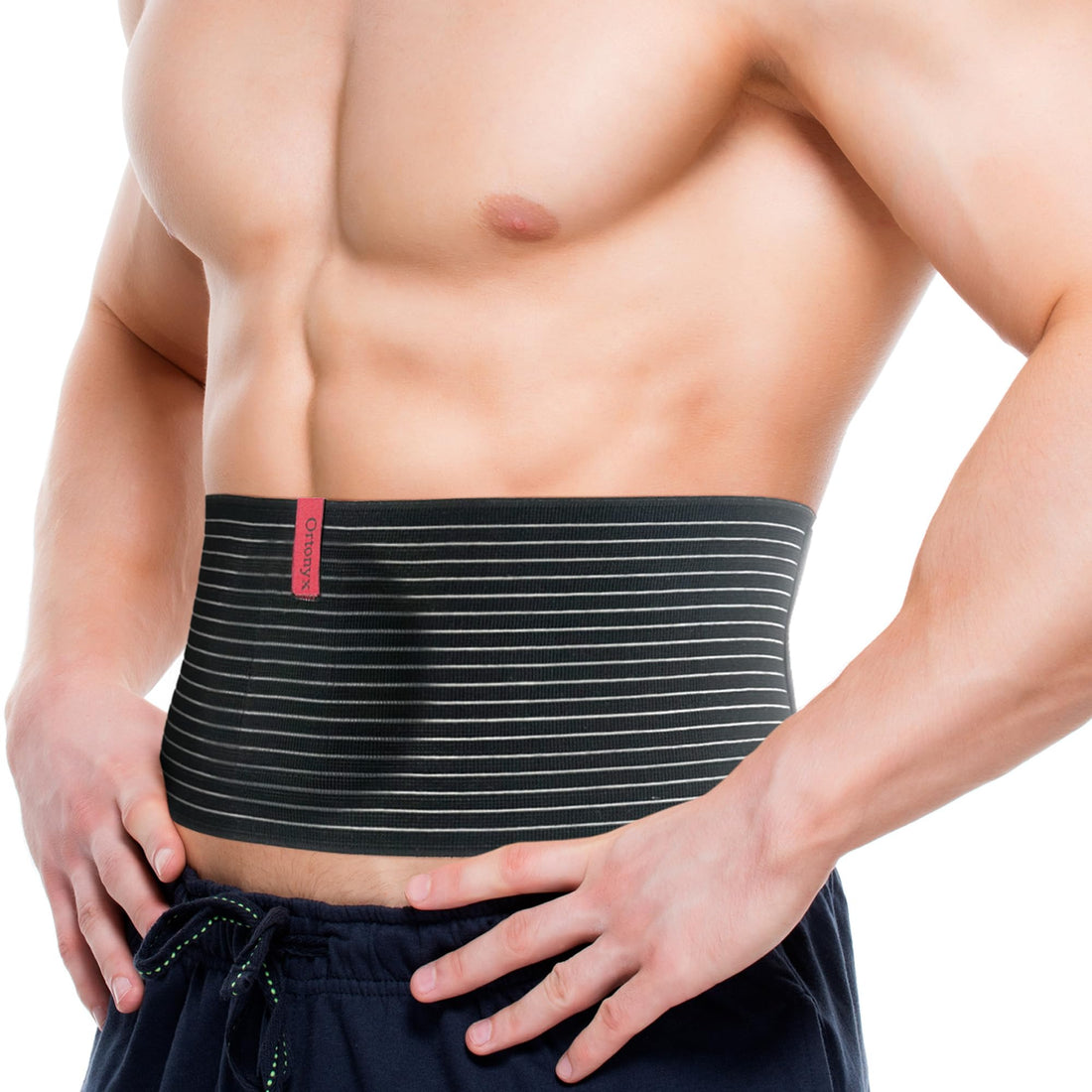
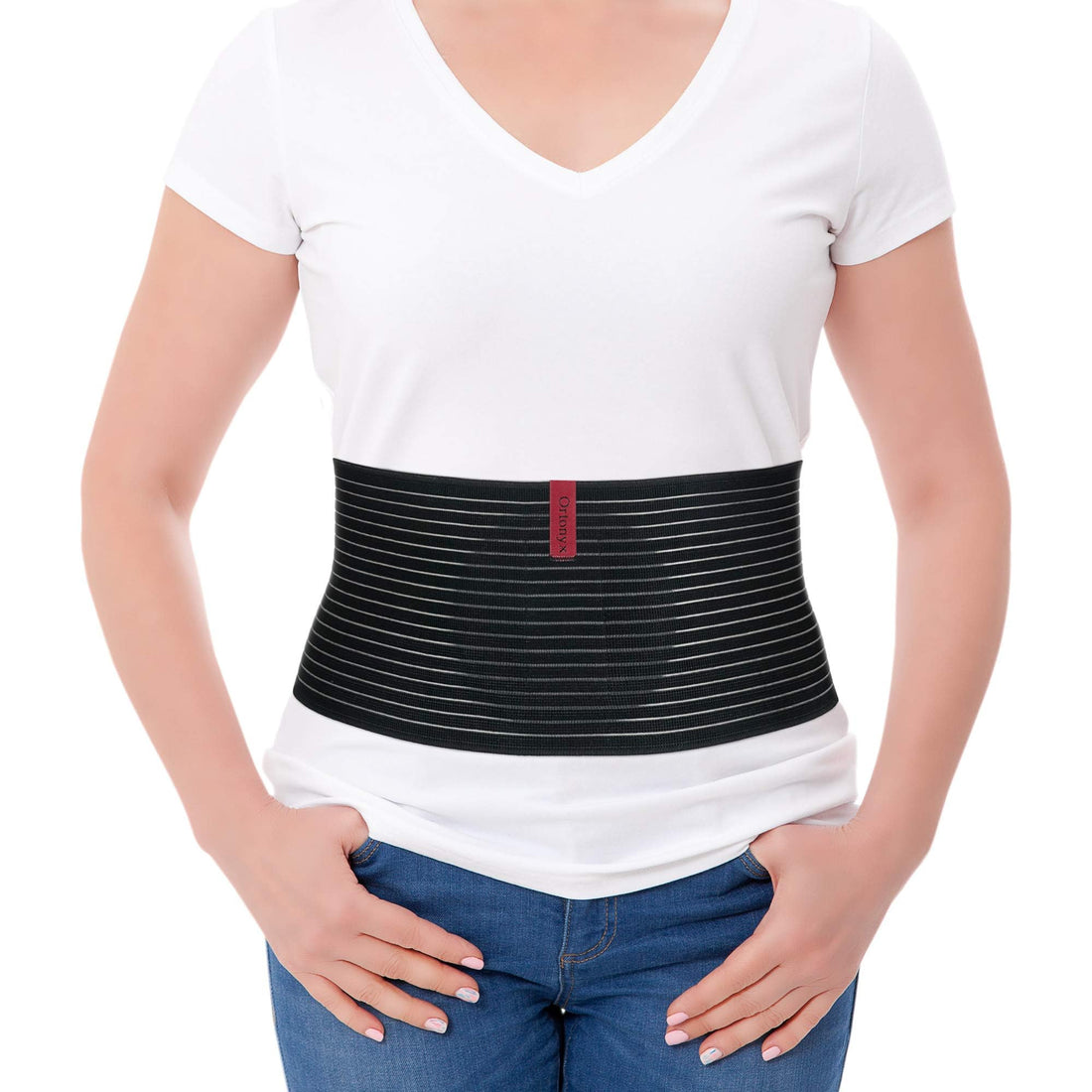
HB5241 Slim Umbilical Hernia Belt for Men and Women
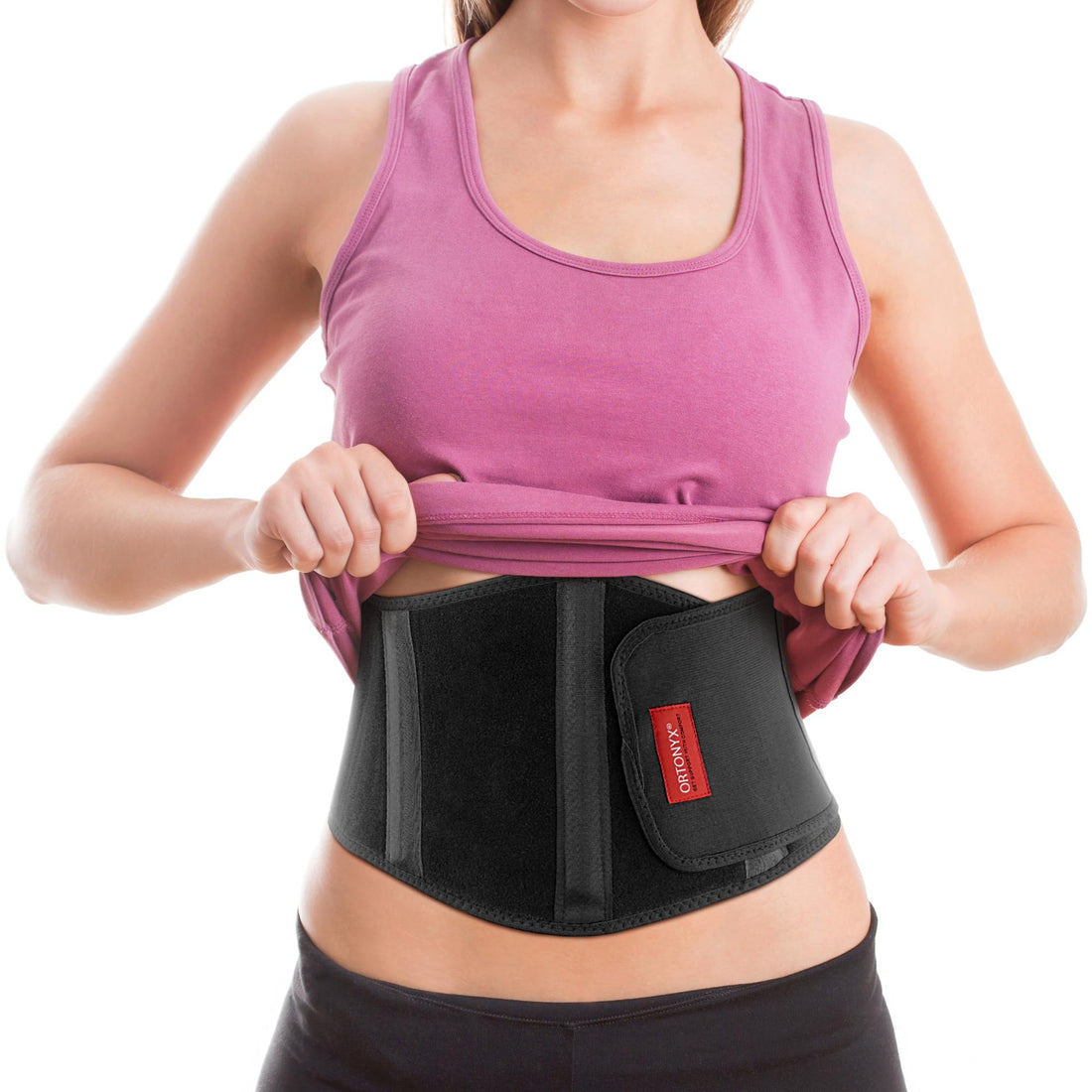
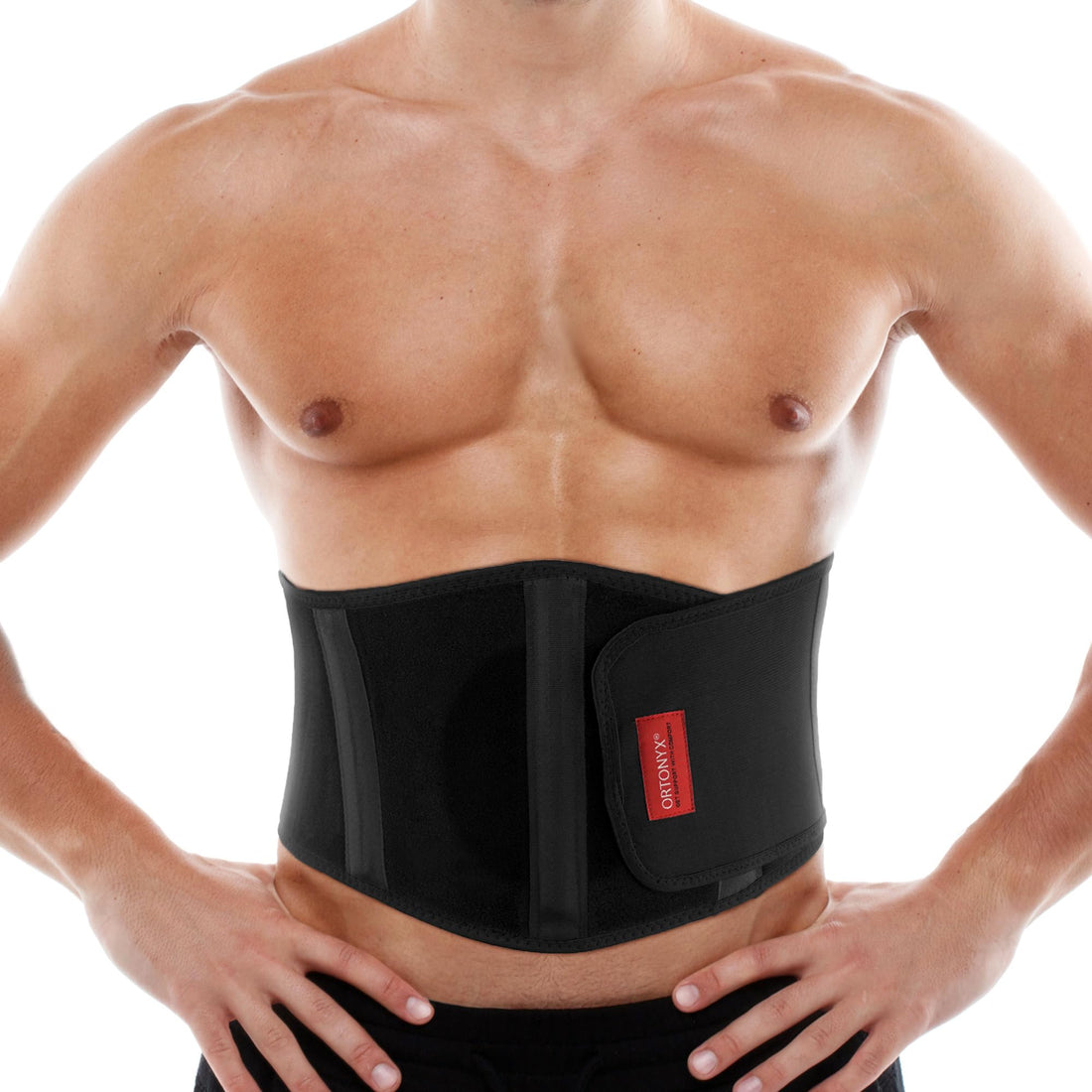
Ergonomic Umbilical Navel Hernia Belt / Abdominal Support Brace
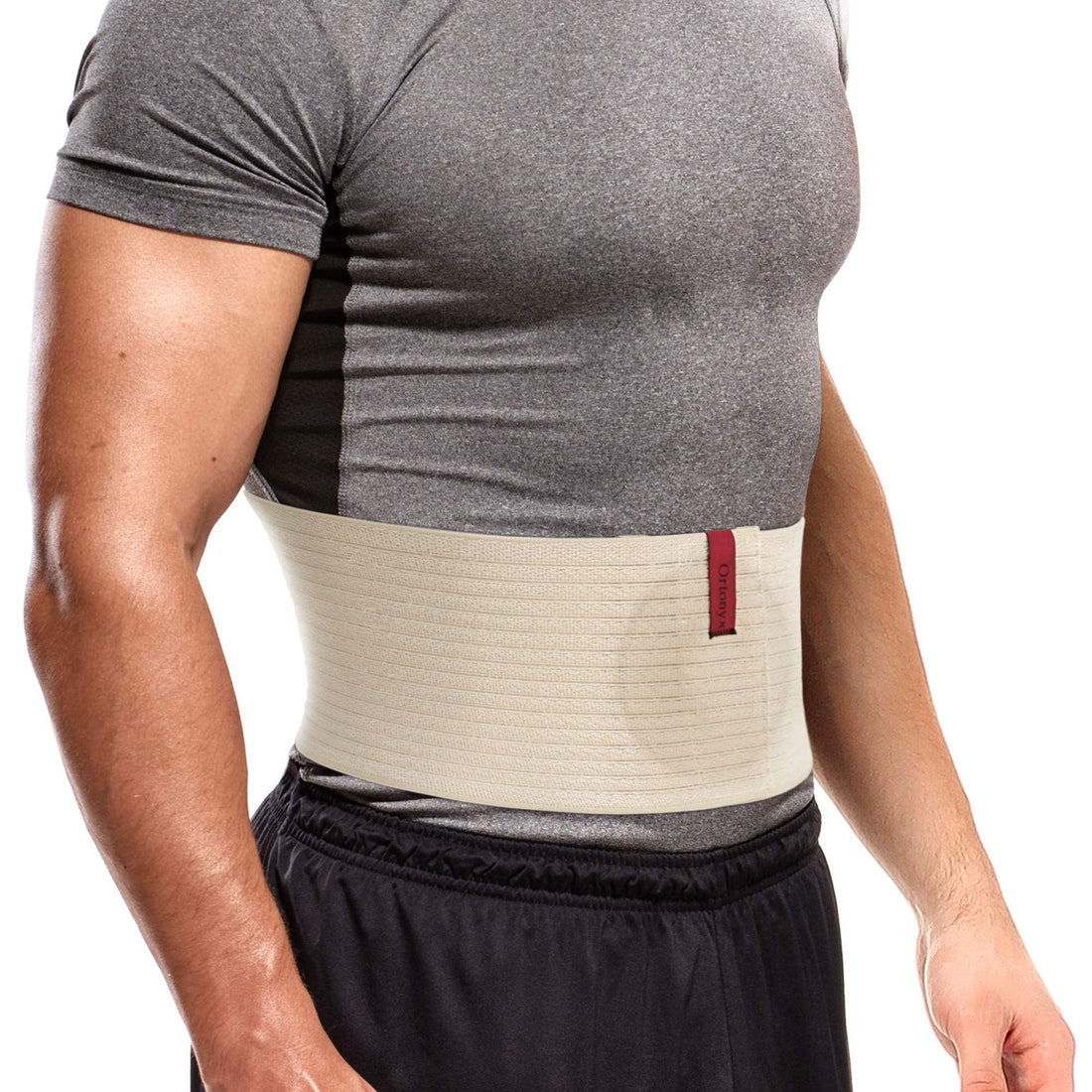
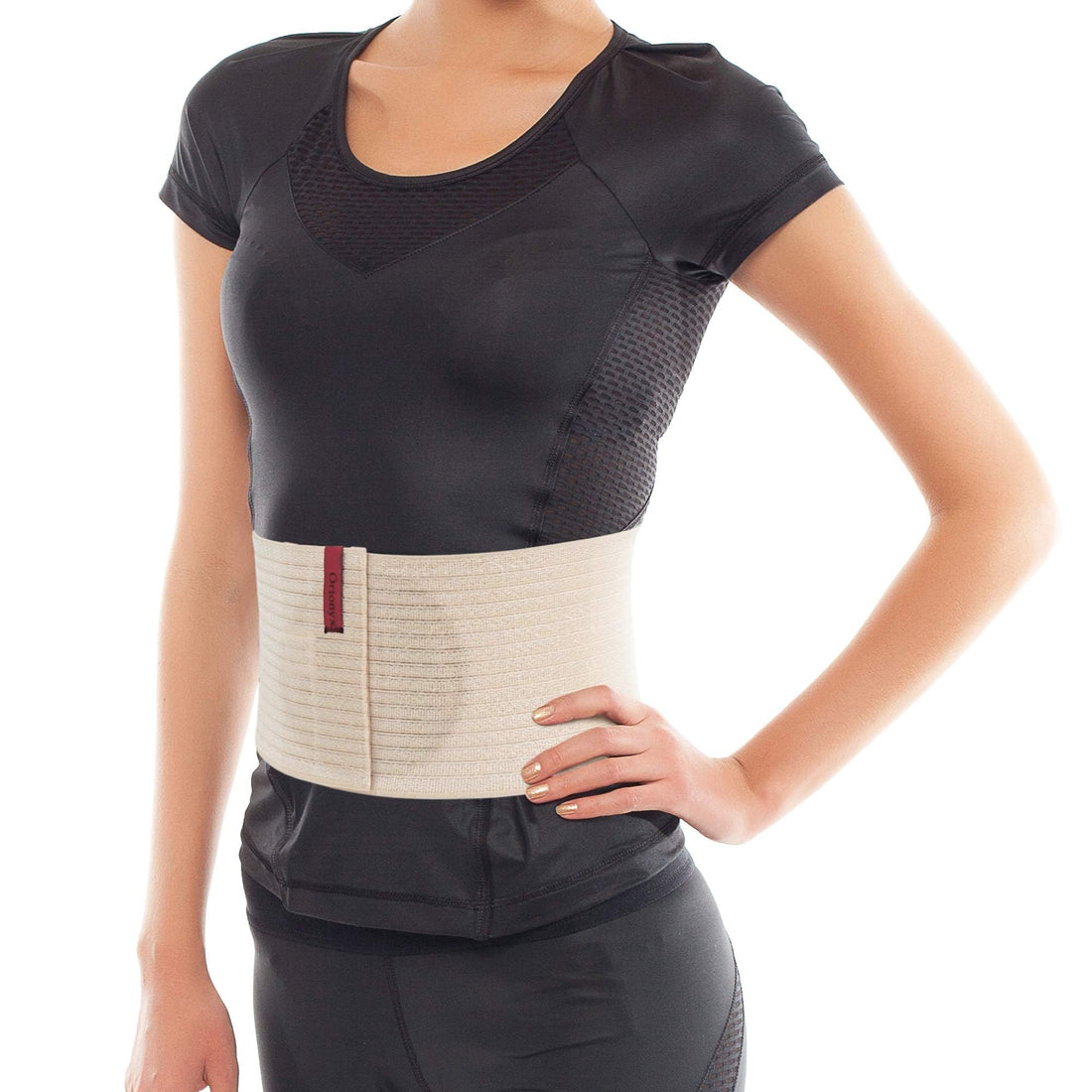
Premium Umbilical Hernia Belt for Men and Women - Abdominal Support Binder
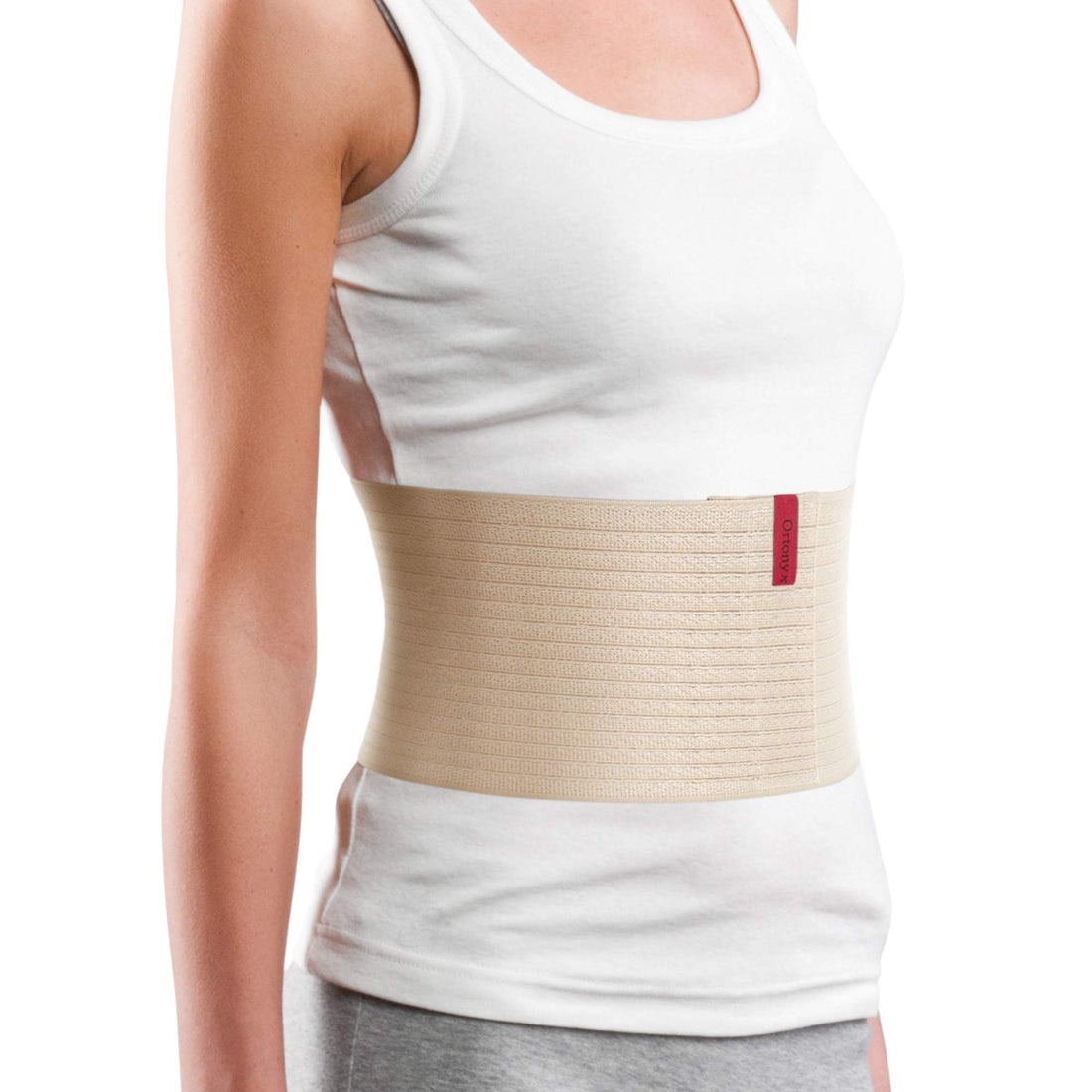
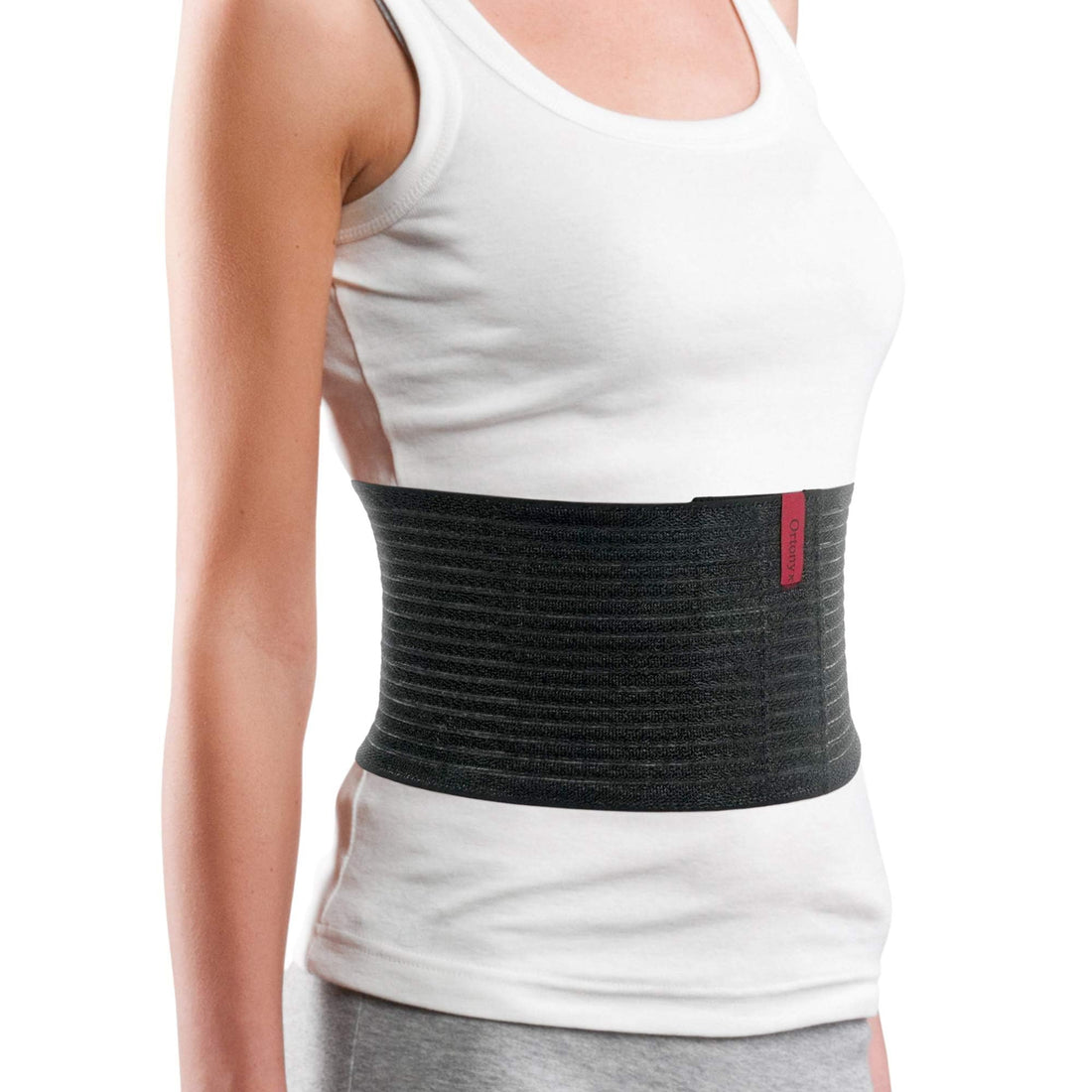
Abdominal Binder for Men and Women - 6.25" Wide
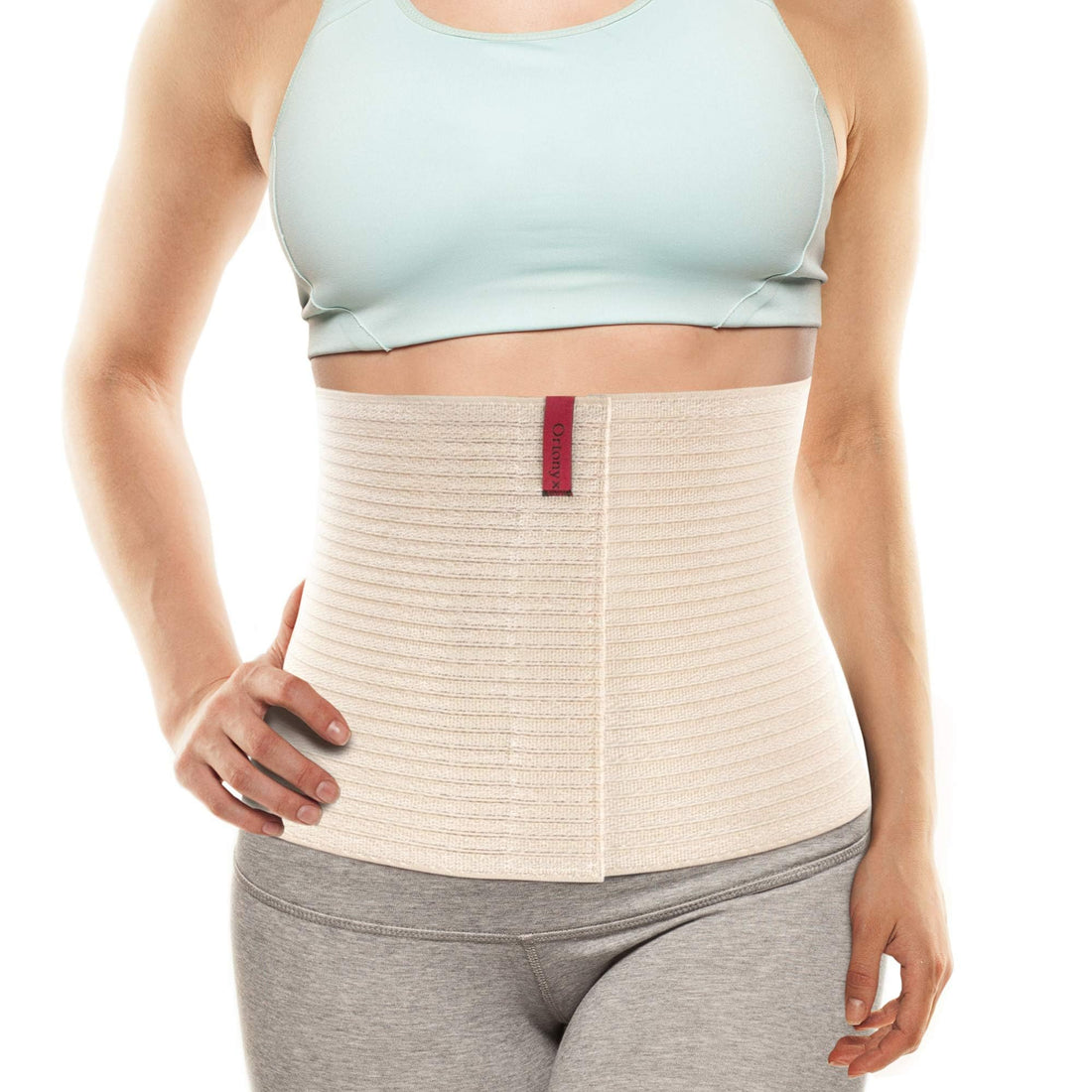
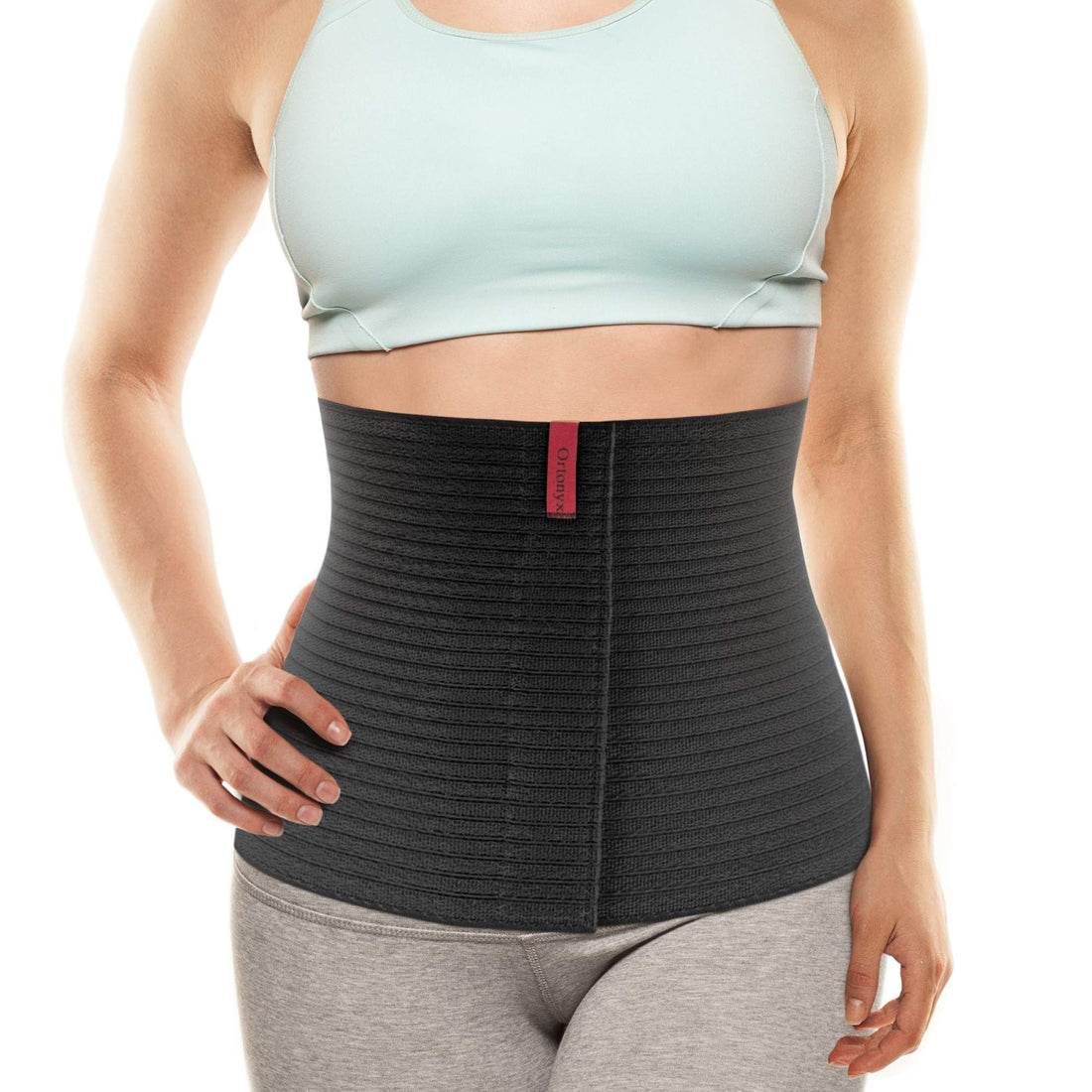
Abdominal Binder for Men and Women Postpartum Post-Operative Post-Surgery Band 10.25" Wide
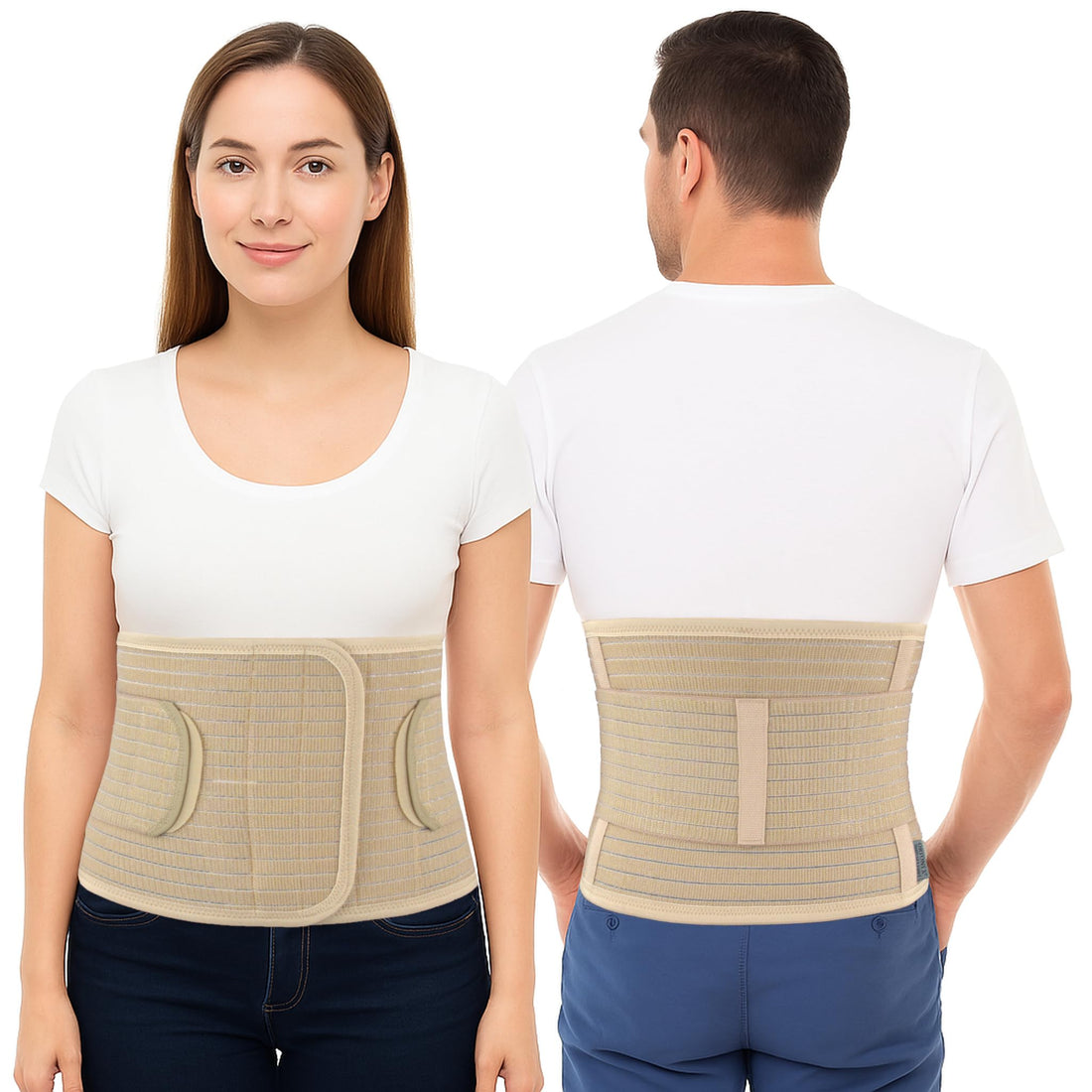
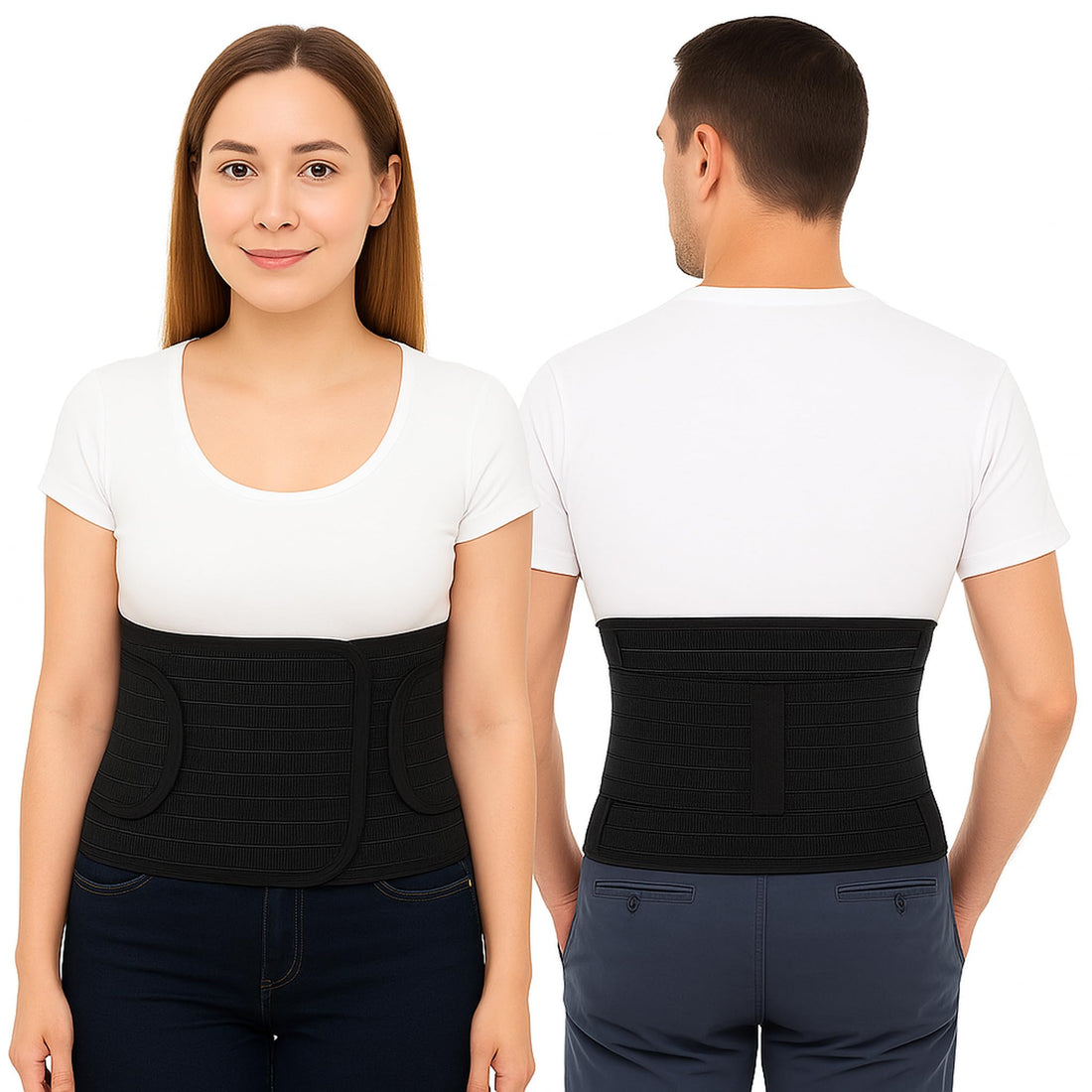
Abdominal Binder and Back Support Belt, Ergonomic 9.25" Wide
- Featured
- Most relevant
- Best selling
- Alphabetically, A-Z
- Alphabetically, Z-A
- Price, low to high
- Price, high to low
- Date, old to new
- Date, new to old
Choose by support type
Not sure which hernia belt you need? Start with location, then compare products above.

Inguinal / groin
Pad support for left, right, or both sides (truss-style belts).
Shop inguinal belts →
Umbilical / navel
Targeted support around the belly button with adjustable fit.
Shop umbilical belts →
Abdominal binders
Broader wrap-style compression for abdomen and post-op comfort.
Shop binders →A support belt or binder does not diagnose, treat, or cure a hernia. Follow advice from a qualified clinician. Seek urgent care for sudden severe pain, vomiting, fever, or a firm/discolored bulge.
What is a hernia belt?
A hernia belt is an external support garment designed to apply gentle, localized or broad compression around a hernia site or the abdomen. Shoppers often use one term—“hernia belt”—for three different product families. Choosing the right family first makes product comparison much easier.
Hernia support types compared
| Support type | Primary area | Typical design | Shop |
|---|---|---|---|
| Inguinal / groin | Groin / inguinal canal | Truss-style belt with left, right, or bilateral pads | Inguinal hernia belts |
| Umbilical / navel | Belly button / mid-abdomen | Belt or binder with a targeted navel pad | Umbilical hernia belts |
| Abdominal binder | Broader abdomen | Wrap-style compression (often pad-compatible) | Abdominal binders |
How to choose the right hernia support
1. Match the body location identified by your clinician (groin vs navel vs full abdomen).
2. Compare configuration — single-side vs bilateral pads, removable pad vs wrap coverage, and under-clothing profile.
3. Check sizing on each product page. Aim for a snug fit that does not cause pain, numbness, tingling, or restricted breathing.
4. Plan wear schedule with clinician guidance for daily activity, work, or post-operative comfort support.
Fit and safety basics
Position any pad only as the product instructions describe. Re-check fit after sitting, walking, and bending. Loosen or remove the support if discomfort increases. A belt is not a substitute for clinical evaluation when symptoms change.
Frequently asked questions
Can one hernia belt work for every hernia type?
Usually no. Inguinal, umbilical, and binder-style supports are built for different locations and pressure patterns. Start with the collection that matches your support area, then compare models.
Does a hernia belt repair a hernia?
No. ORTONYX belts and binders provide external support and comfort only. They do not repair or cure a hernia. Ask a clinician about diagnosis and care options.
When should I seek urgent medical care?
Seek urgent care for sudden severe pain, vomiting, fever, or a firm/discolored bulge. Do not rely on a belt in those situations.
Where can I read more before buying?
See our hernia belt guide, belt vs truss comparison, and binder vs hernia belt article.
Why shop ORTONYX hernia supports
ORTONYX focuses on adjustable fit, clear product labeling by support type, and discreet everyday wear. Free shipping on all orders and a 30-day easy return window help you compare options with less risk. FDA-registered device lineup; always verify the individual product page for details.
ORTONYX supports provide external comfort and stabilization only. They do not diagnose, treat, cure, or prevent medical conditions. Follow individualized advice from a qualified healthcare professional. Seek urgent care for sudden severe pain, numbness, color change, fever, vomiting, or a firm/discolored bulge.