
Understanding Hernias: What You Need to Know
Hernias are among the most common conditions requiring medical attention and abdominal support. Whether you've been recently diagnosed or are learning about hernias for the first time, this comprehensive guide will help you understand the different types, recognize symptoms, and explore your management options.
What Is a Hernia?
A hernia occurs when an organ or fatty tissue pushes through a weak spot in the surrounding muscle or connective tissue (fascia). Think of it like an inner tube poking through a weak spot in a tire. While hernias can develop in several areas of the body, abdominal hernias are by far the most common.
Types of Hernias
Inguinal Hernia
The most common type, accounting for approximately 75% of all hernias.
- Location: Groin area
- More common in: Men (due to a natural weakness in the inguinal canal)
- Types: Direct (develops over time through weakened muscle) or indirect (follows the path of the inguinal canal)
- Symptoms: Bulge in the groin that may increase with coughing, straining, or standing; aching or burning sensation
For targeted inguinal hernia support, the ORTONYX Inguinal Hernia Truss provides focused compression where you need it most.
Umbilical Hernia
- Location: At or near the belly button (navel)
- Common in: Infants (often resolves by age 3–4) and adults (especially pregnant women and those with obesity)
- Symptoms: Visible bulge at the navel, discomfort when bending or lifting
- Note: While infant umbilical hernias often close on their own, adult umbilical hernias typically require treatment
The ORTONYX Umbilical Hernia Belt features an integrated pressure pad designed specifically for navel hernia support.
Incisional Hernia
- Location: At the site of a previous surgical incision
- Timeline: Can develop months or years after surgery
- Risk factors: Wound infection, obesity, emergency surgery, premature return to activities
- Management: Often requires careful abdominal support during both prevention and treatment
Learn more in our detailed incisional hernia guide.
Epigastric Hernia
- Location: Upper abdomen, between the navel and ribcage
- Size: Usually small (under 2 cm)
- Contents: Typically fatty tissue
- More common in: Men (3:1 ratio)
See our complete epigastric hernia patient guide for detailed information.
Parastomal Hernia
- Location: Around a surgically created stoma
- Prevalence: Affects 30–50% of ostomy patients
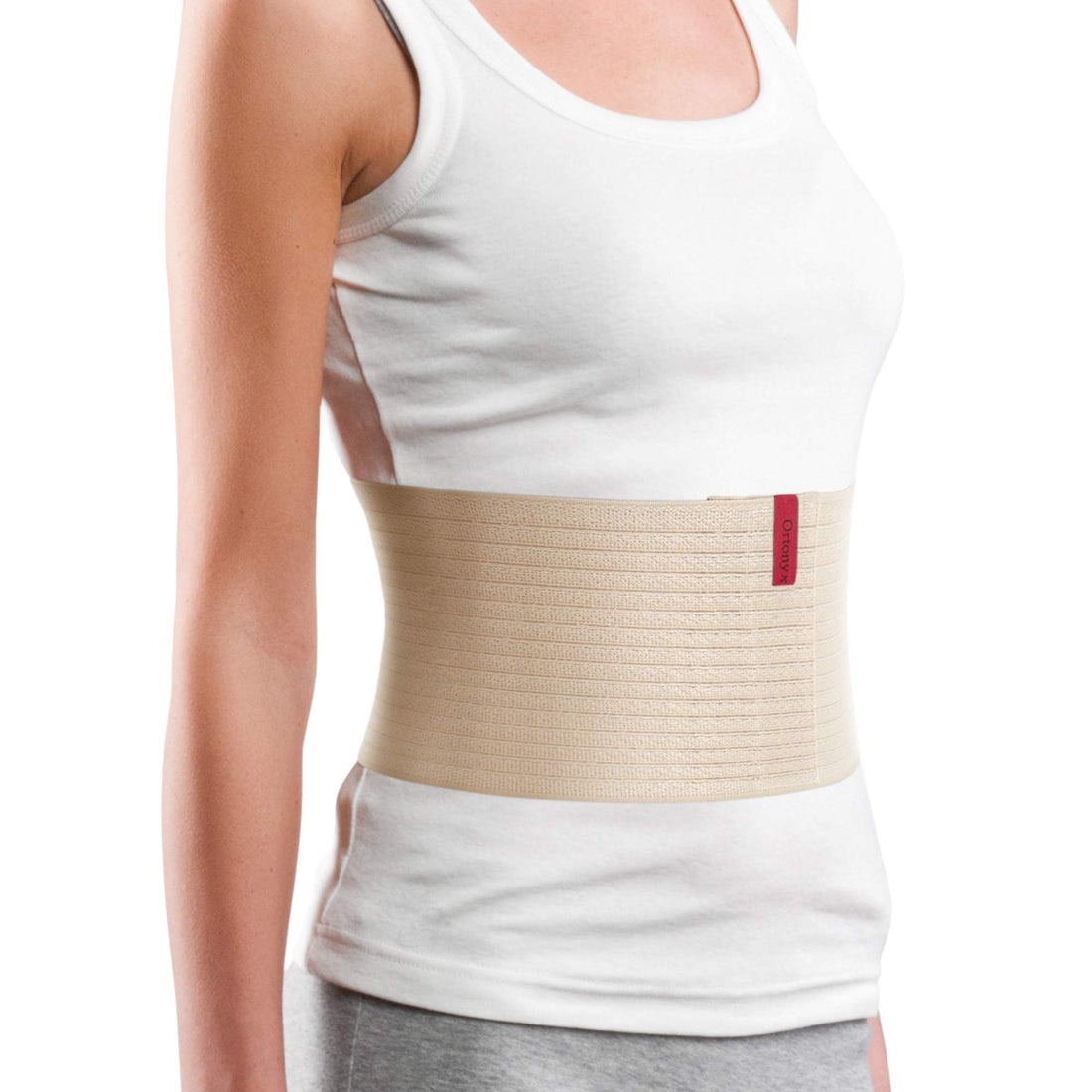
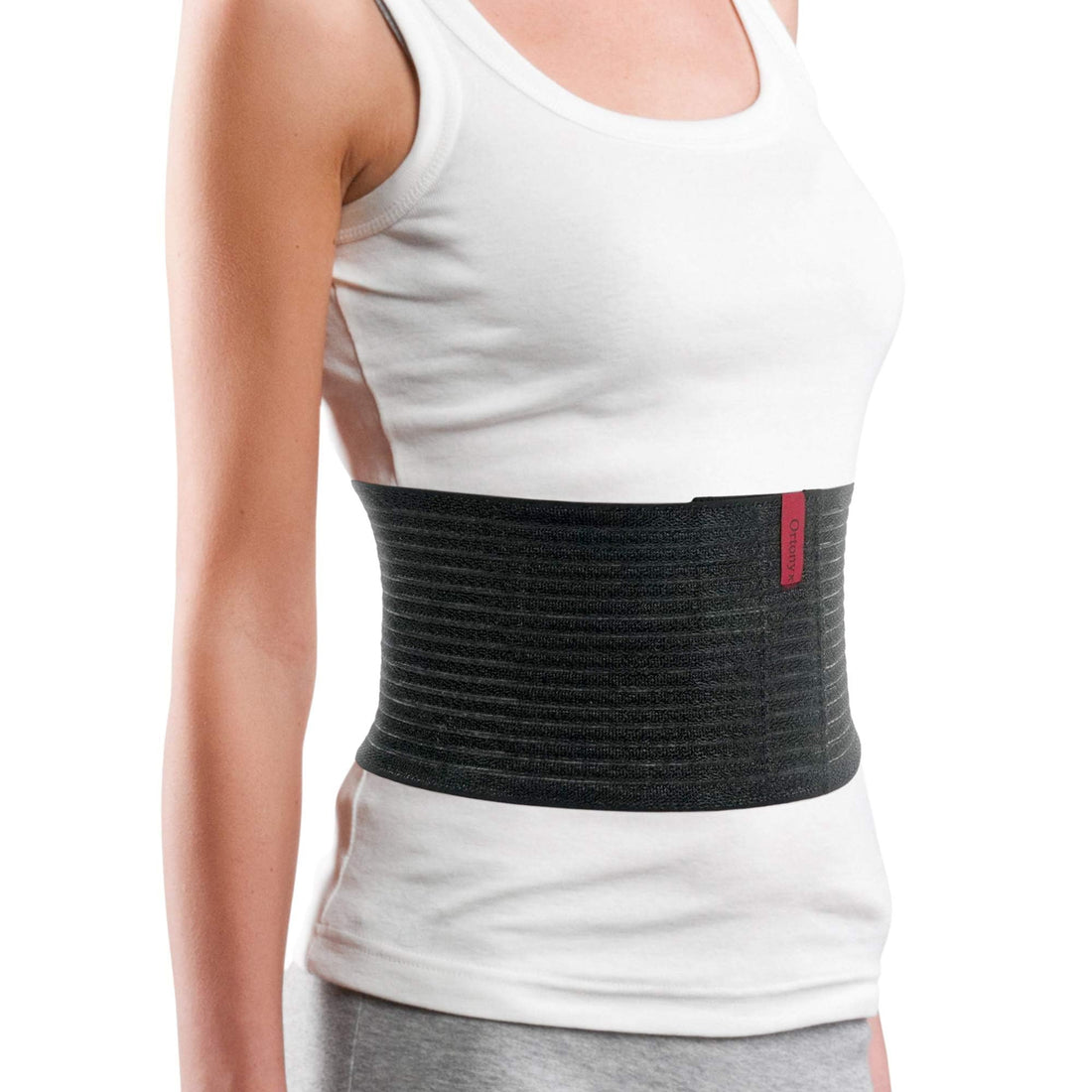
- Management: Specialized ostomy support belts are essential
The ORTONYX Ostomy Belt is designed specifically for parastomal hernia support. Read our full parastomal hernia management guide.
Hiatal Hernia
- Location: Upper stomach pushes through the diaphragm into the chest cavity
- Symptoms: Heartburn, acid reflux, difficulty swallowing
- Note: Unlike other hernias, hiatal hernias are internal and don't cause visible bulging
Common Hernia Symptoms
While symptoms vary by type and severity, common signs include:
- Visible bulge that increases with straining, coughing, or standing
- Pain, aching, or burning sensation at the hernia site
- Feeling of heaviness or pressure in the affected area
- Discomfort that worsens with physical activity
- The bulge may reduce (go back in) when lying down
When to Seek Emergency Care
Call 911 or go to the emergency room immediately if you experience:
- Sudden, severe pain at the hernia site
- The bulge becomes firm, tender, and won't reduce (push back in)
- Nausea, vomiting, or fever
- Inability to pass gas or have a bowel movement
- Discoloration of the skin over the hernia
These symptoms may indicate strangulation—a serious complication where blood supply to the trapped tissue is cut off, requiring emergency surgery.
Hernia Support Options
Hernia Belts and Trusses
Support garments can help manage hernia symptoms and provide comfort:
- Provide targeted compression to keep the hernia reduced
- Allow you to continue daily activities with less discomfort
- Available for different hernia types and locations
- Range from general abdominal binders to hernia-specific belts
Choosing the Right Support
- Consider hernia location: Inguinal, umbilical, and incisional hernias each benefit from different support designs
- Ensure proper fit: Measure carefully for the best results
- Look for adjustability: Your body and hernia may change over time
- Prioritize comfort: You'll likely wear your support for extended periods
ORTONYX Hernia Support Products
- Umbilical Hernia Belt — Targeted navel hernia support with pressure pad
- Inguinal Hernia Truss — Focused groin hernia compression
- Ostomy Support Belt — Parastomal hernia support with stoma access
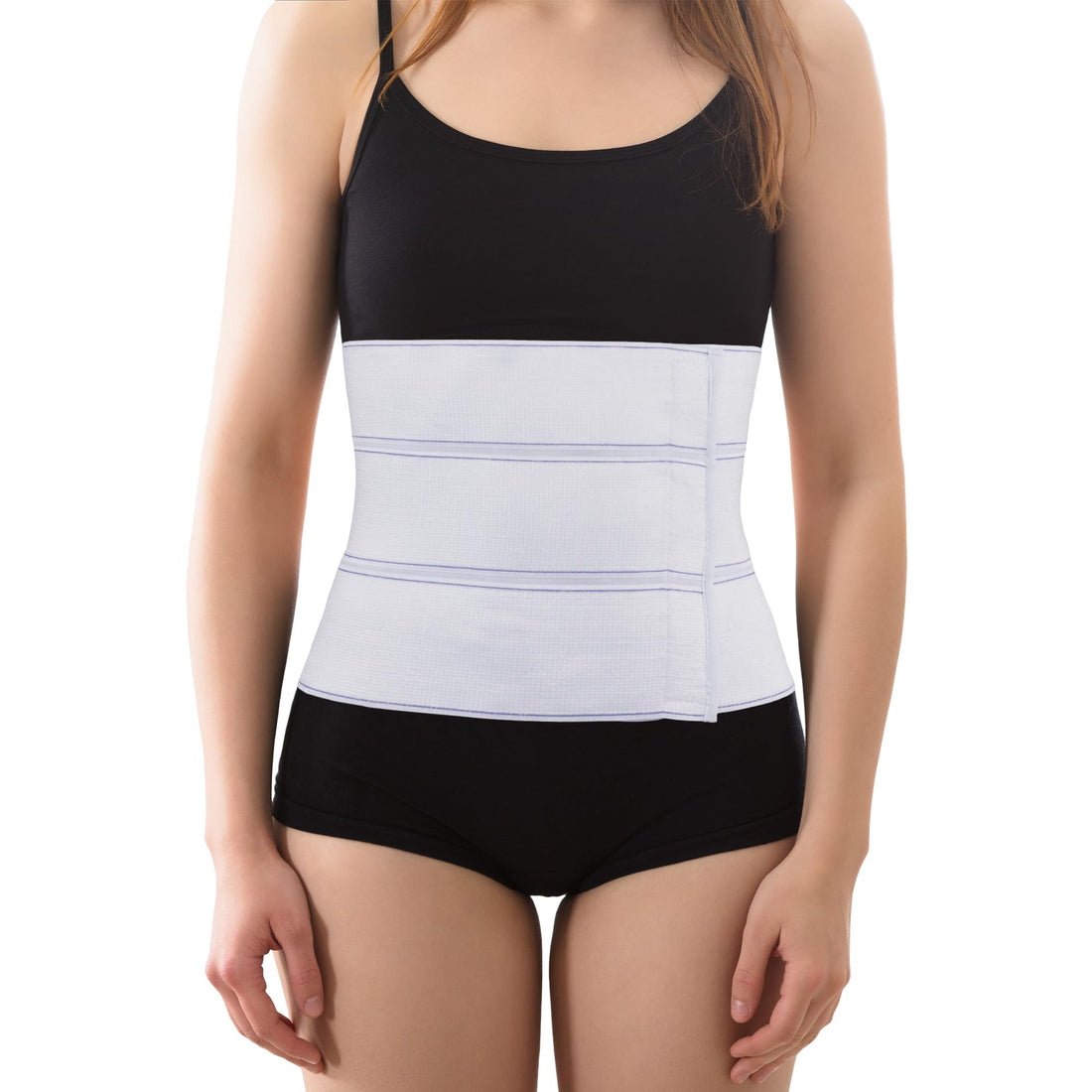
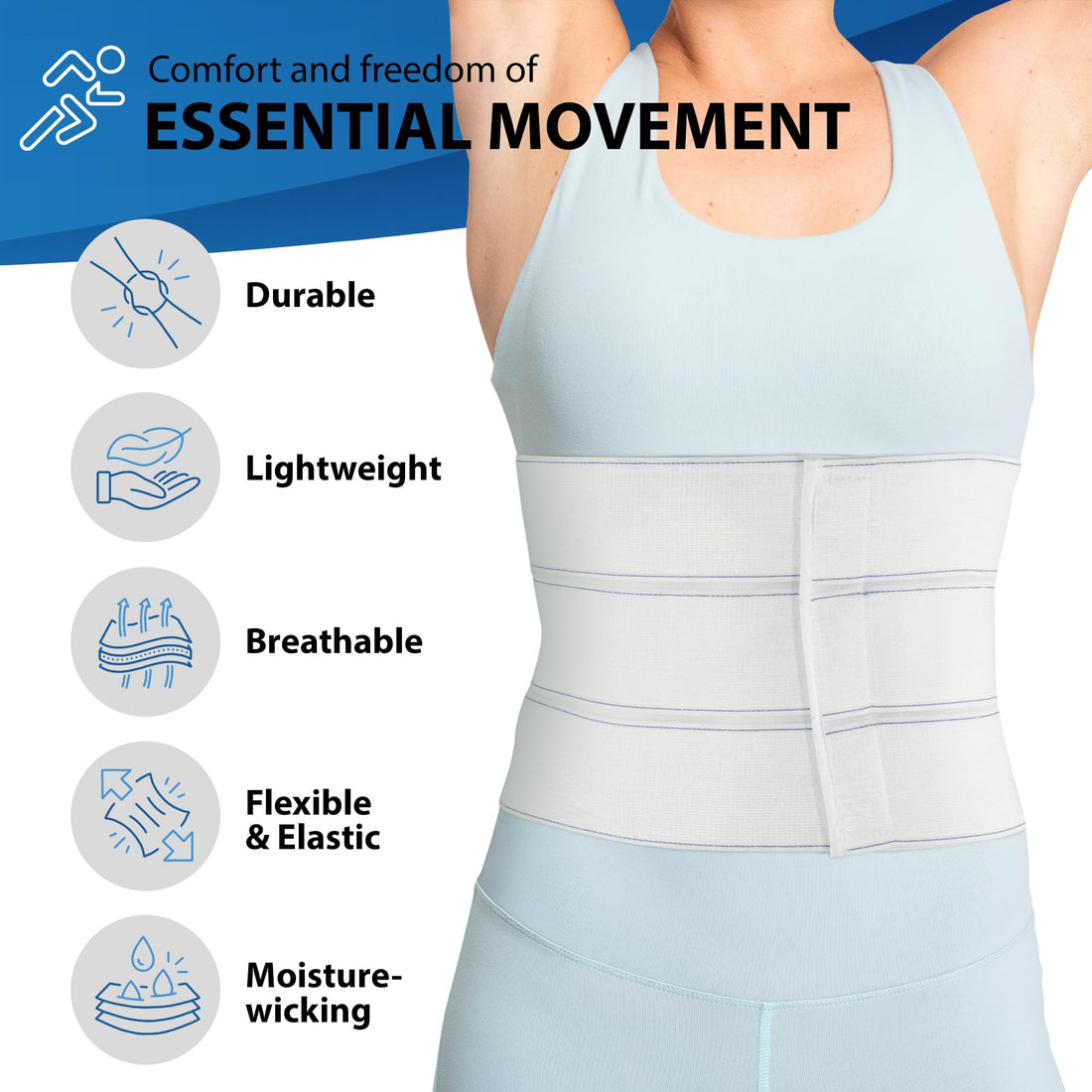
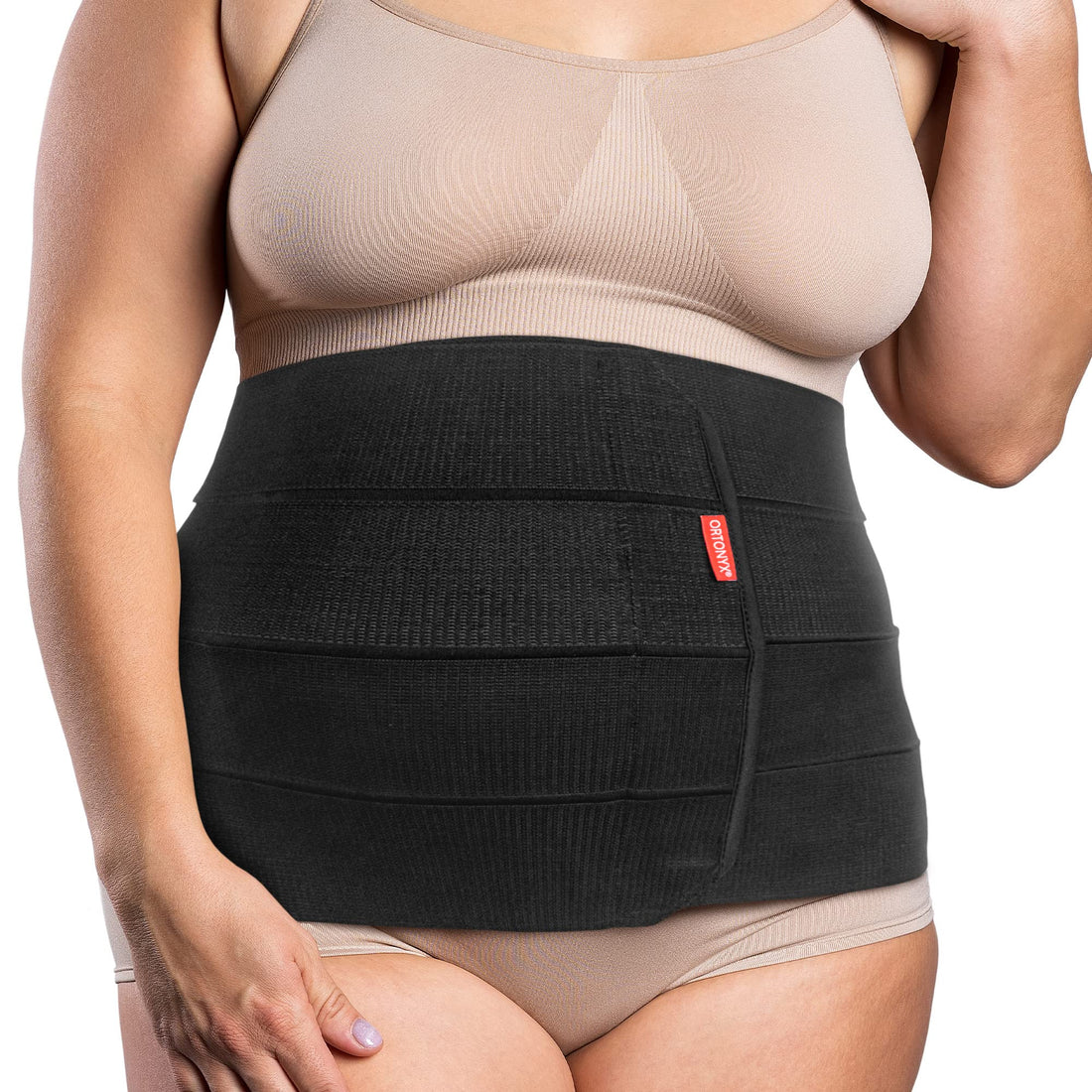
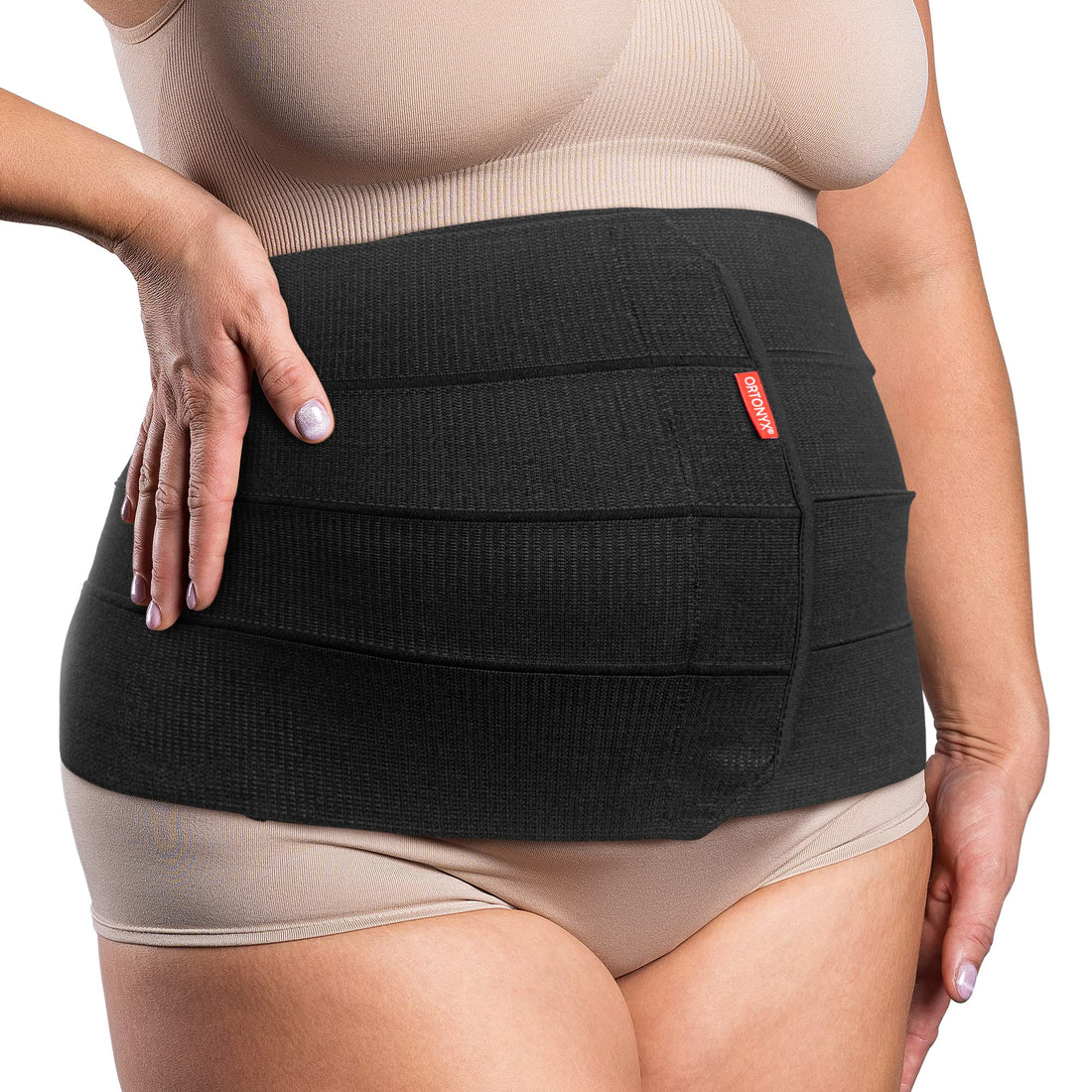
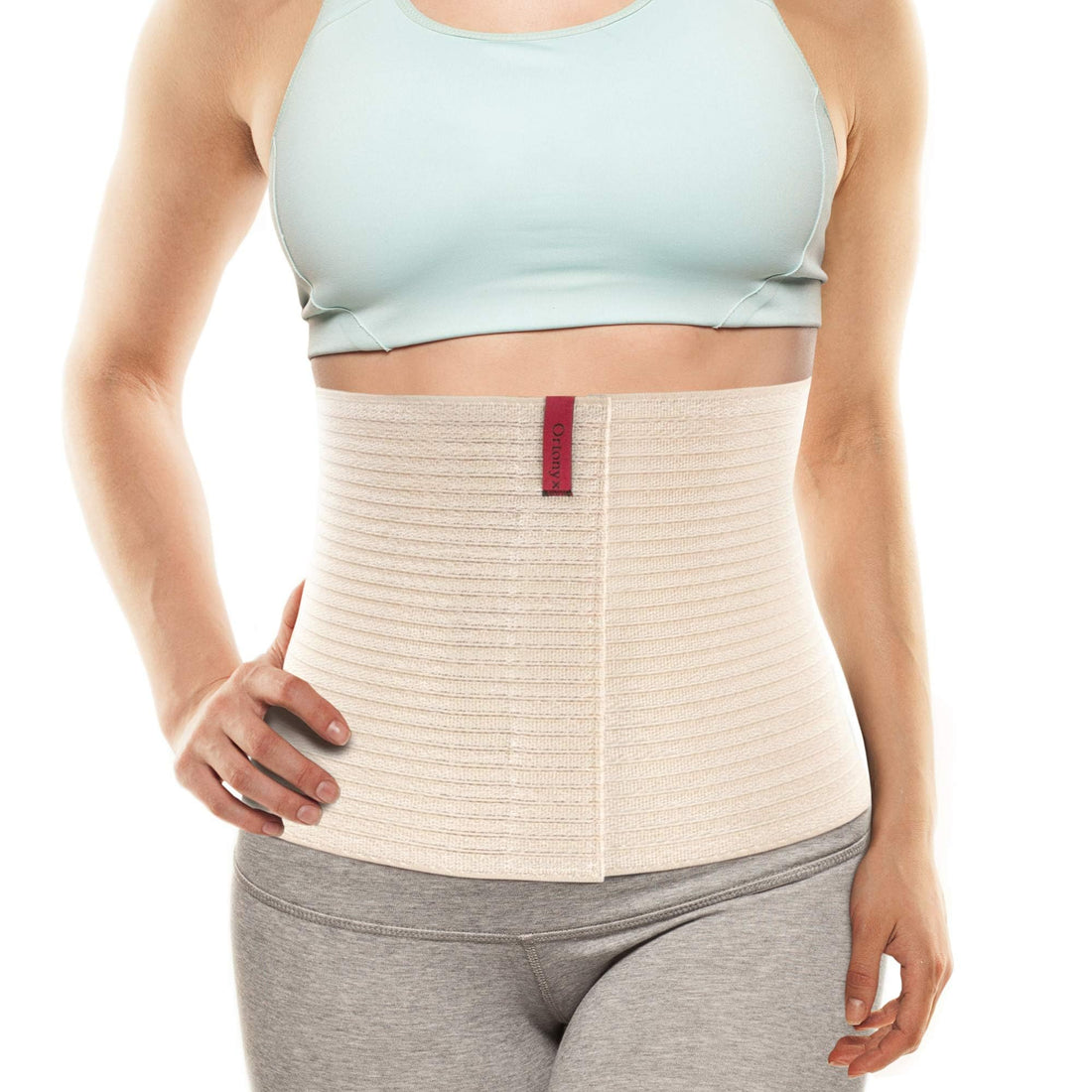
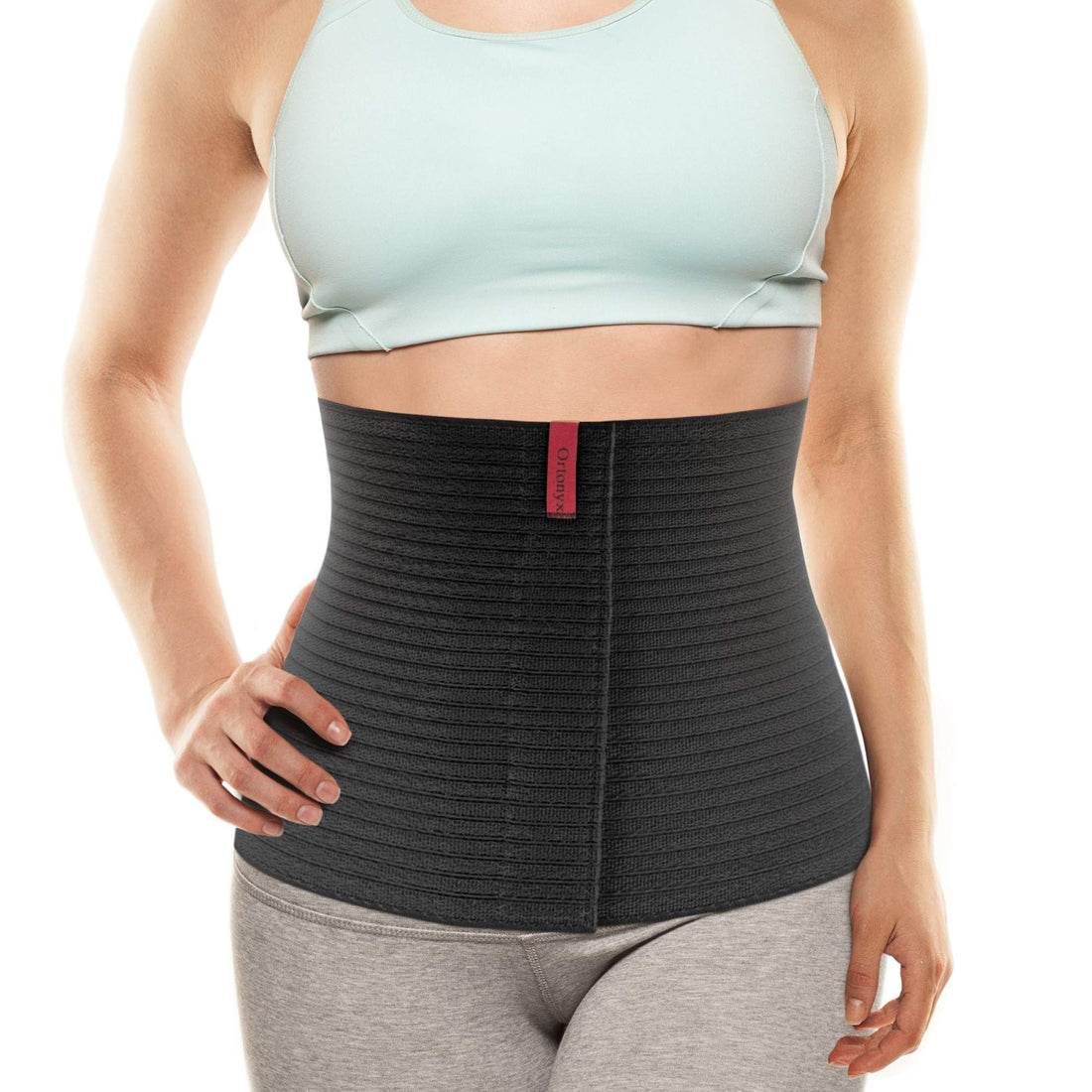
- Abdominal Binders — Broad abdominal support for incisional and general hernias
Living with a Hernia
Daily Management
- Maintain a healthy weight to reduce abdominal pressure
- Avoid heavy lifting or use proper body mechanics when lifting
- Wear appropriate support during physical activities
- Follow up regularly with your healthcare provider
- Learn to recognize warning signs that require medical attention
Treatment Options
Conservative management (watchful waiting with support) may be appropriate for small, asymptomatic hernias. Surgical repair may be recommended for symptomatic hernias, large defects, or hernias at risk for complications. Your healthcare team will help determine the best approach for your individual situation.
Frequently Asked Questions
Can hernias heal without surgery?
Hernias do not heal on their own—the muscle defect doesn't close spontaneously. However, many hernias can be effectively managed without surgery through support garments, lifestyle modifications, and regular monitoring. Surgery remains the only definitive repair.
Are hernias hereditary?
There is a genetic component. If family members have had hernias, you may be at higher risk due to inherited connective tissue characteristics. This doesn't mean you'll definitely develop one—lifestyle factors also play a significant role.
Can I exercise with a hernia?
Many people with hernias can exercise safely with appropriate modifications. Walking, swimming, and gentle stretching are generally well-tolerated. Avoid heavy lifting, intense straining, and high-impact activities. Always wear your support garment during exercise and follow your doctor's specific guidelines.
How do I know which type of hernia I have?
Location is the primary distinguishing factor. Your healthcare provider can diagnose your specific hernia type through physical examination and, if needed, imaging studies. Different hernia types require different support strategies, so accurate diagnosis is important.
While support products can significantly improve hernia symptoms and quality of life, surgical repair may ultimately be the best option for your situation. Always work with your healthcare team to determine the right treatment plan for you.