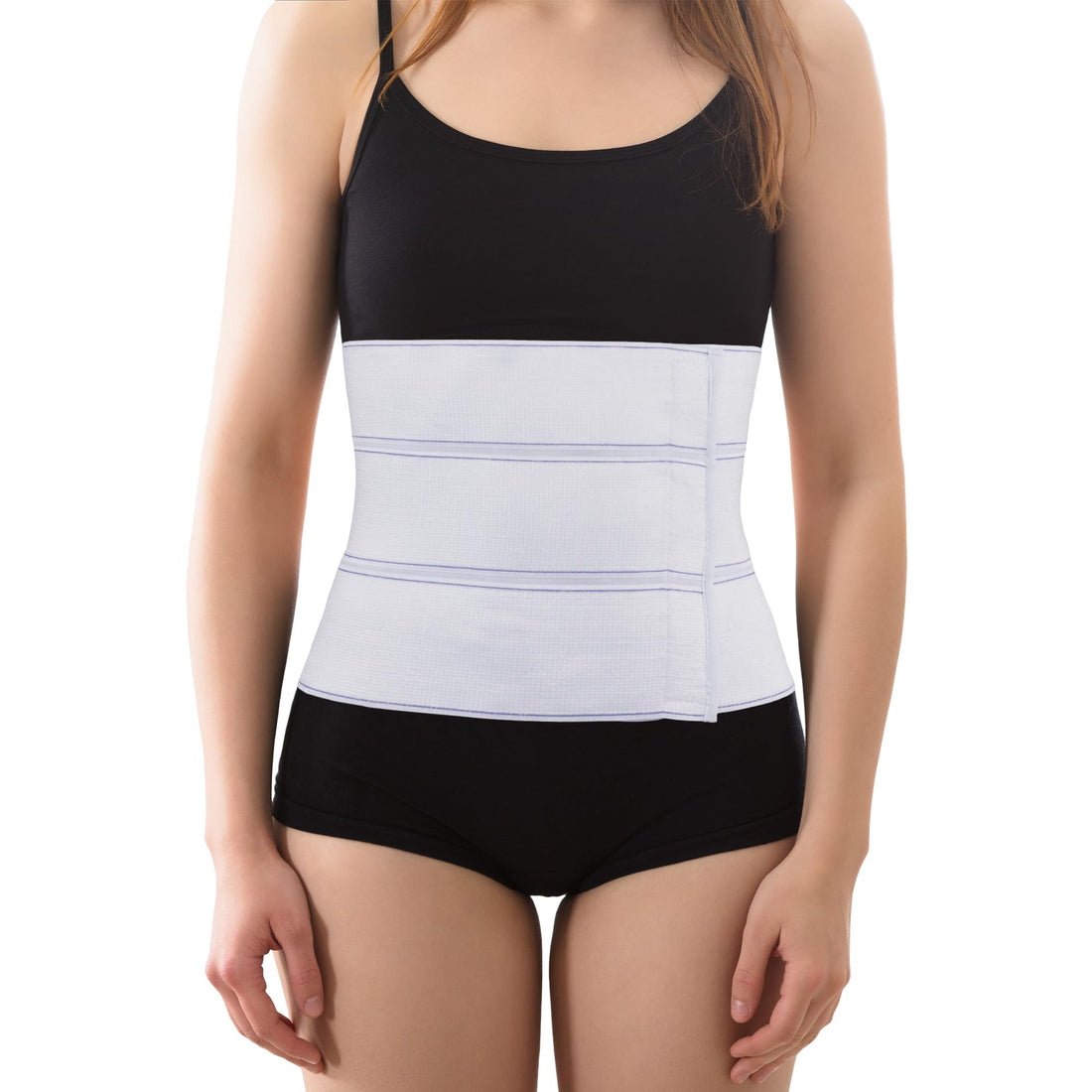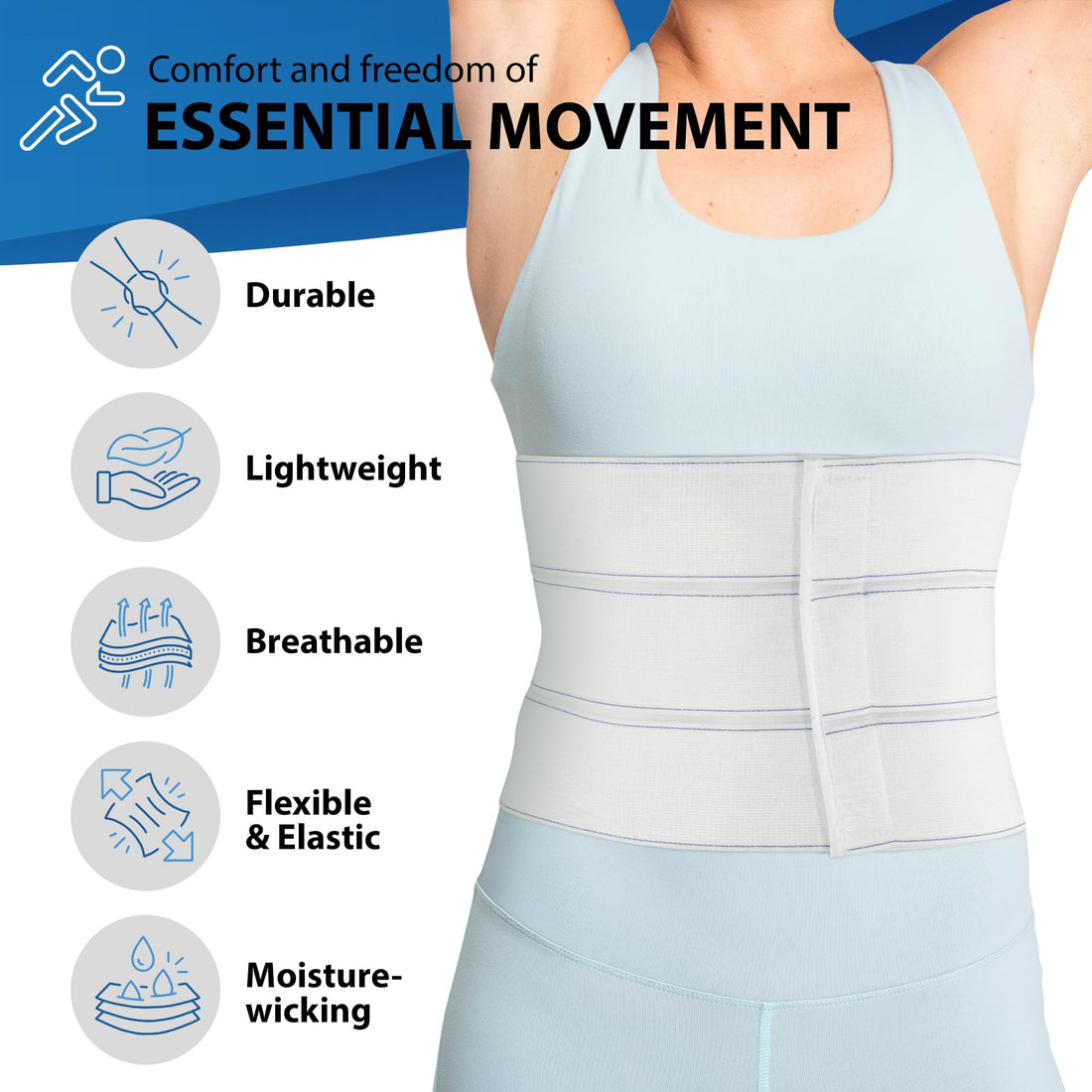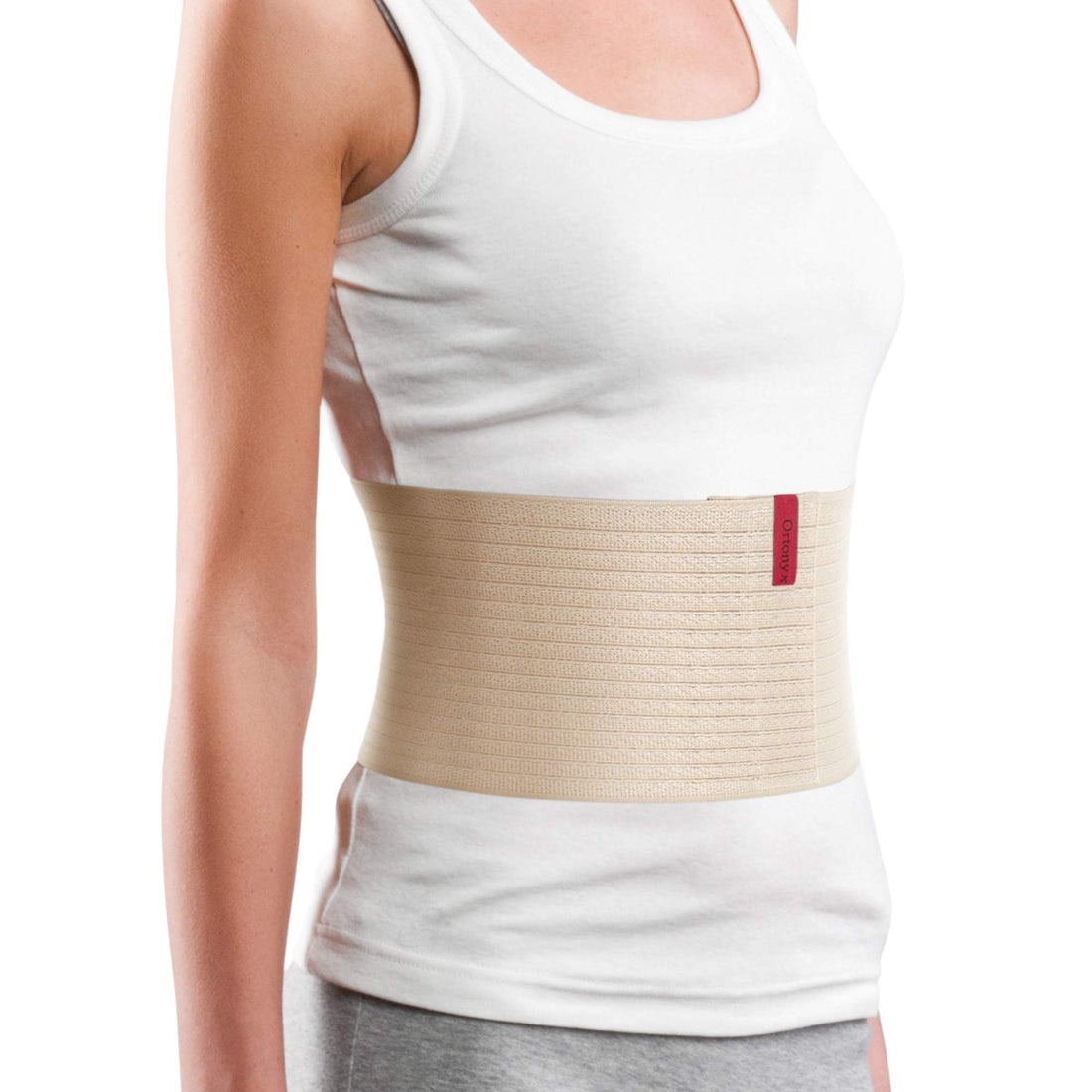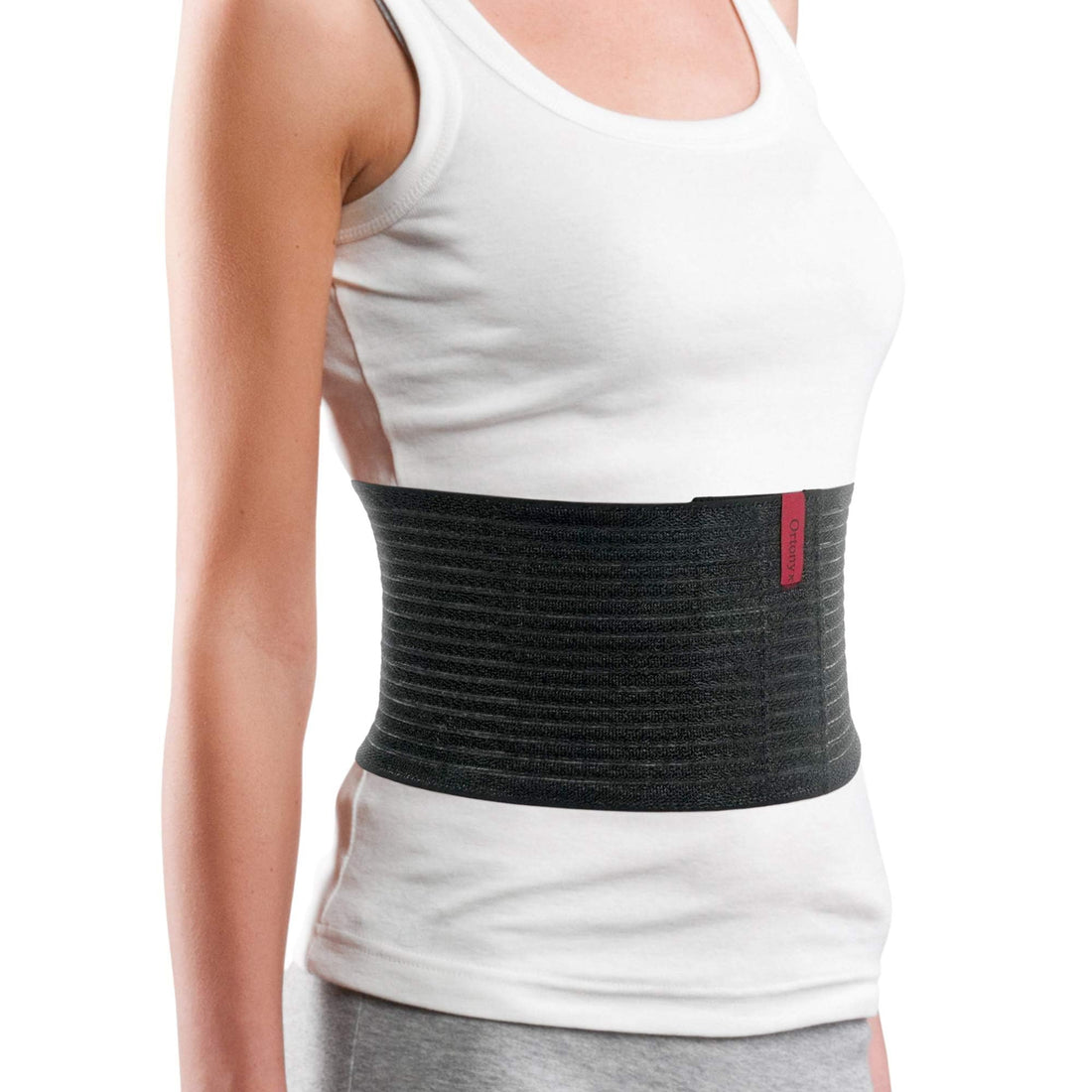

Finding Your Perfect Fit: Why Proper Sizing Is Essential
Selecting the correct abdominal binder size is one of the most important steps in your recovery journey. An improperly sized binder can cause discomfort, restrict breathing, or simply fail to deliver the support your body needs. At ORTONYX, we've helped thousands of patients find their ideal fit—and this guide will walk you through the process step by step.
Why Abdominal Binder Size Matters
A properly fitted abdominal binder delivers firm, even compression without restricting your breathing or circulation. When a binder is too loose, it shifts and bunches, offering little meaningful support. When it's too tight, it can impede healing, cause skin irritation, and even restrict blood flow. The goal is supportive compression that feels secure yet comfortable enough for all-day wear.
How to Measure for Your Abdominal Binder
What You'll Need
- A flexible measuring tape (cloth or vinyl)
- A mirror or a helper for accuracy
- Pen and paper to record your measurements
Step-by-Step Measuring Process
- Stand naturally — Don't suck in your stomach or push it out. Relax and breathe normally.
- Locate the measurement point — This is the widest part of your abdomen, typically at or just below the navel.
- Wrap the tape — Keep it parallel to the floor and snug against your body, but not pulled tight.
- Take multiple measurements — Measure 2–3 times to confirm accuracy.
- Account for dressings — If you're measuring post-surgery, include any bandages or wound dressings in your measurement.
Understanding Size Charts
Most abdominal binders use waist/abdomen circumference for sizing. Here's a general guide:
- Small: 24–34 inches
- Medium: 34–44 inches
- Large: 44–54 inches
- X-Large: 54–64 inches
- XX-Large: 64–74 inches
Important: Always check the specific manufacturer's size chart, as sizing can vary between brands. ORTONYX abdominal binders include detailed sizing information on each product page to help you choose with confidence.
Special Sizing Considerations
Post-Surgical Swelling
After surgery, swelling is completely normal and expected. Consider choosing a binder with a wide adjustment range or an adjustable panel design. The ORTONYX abdominal binder collection features hook-and-loop closures that accommodate significant changes in circumference as swelling subsides.
Body Shape Changes During Recovery
Your body will change throughout recovery. Look for binders with:
- Multiple closure points for fine-tuned adjustment
- Elastic side panels that flex with your body
- Adjustable compression zones
Height and Coverage
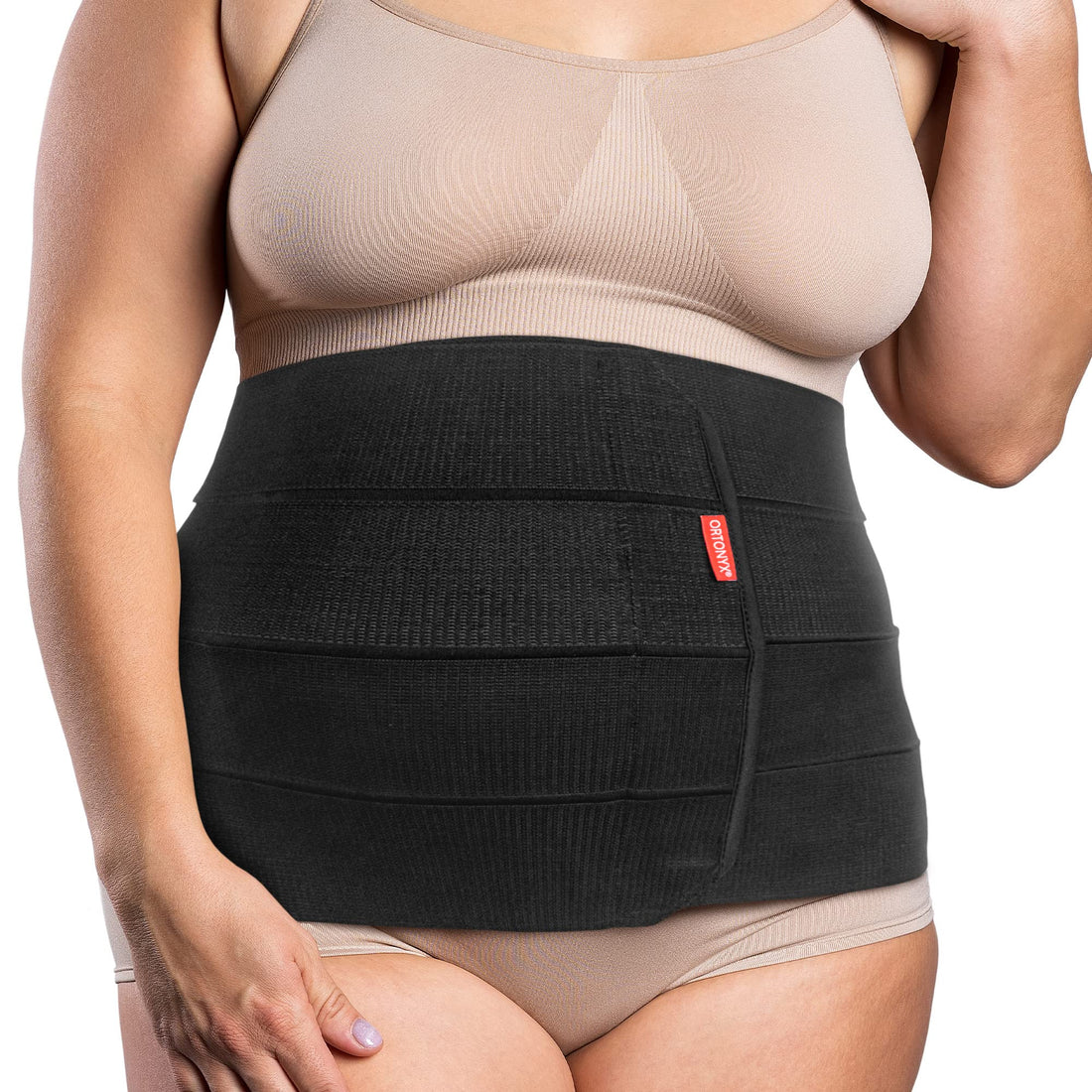
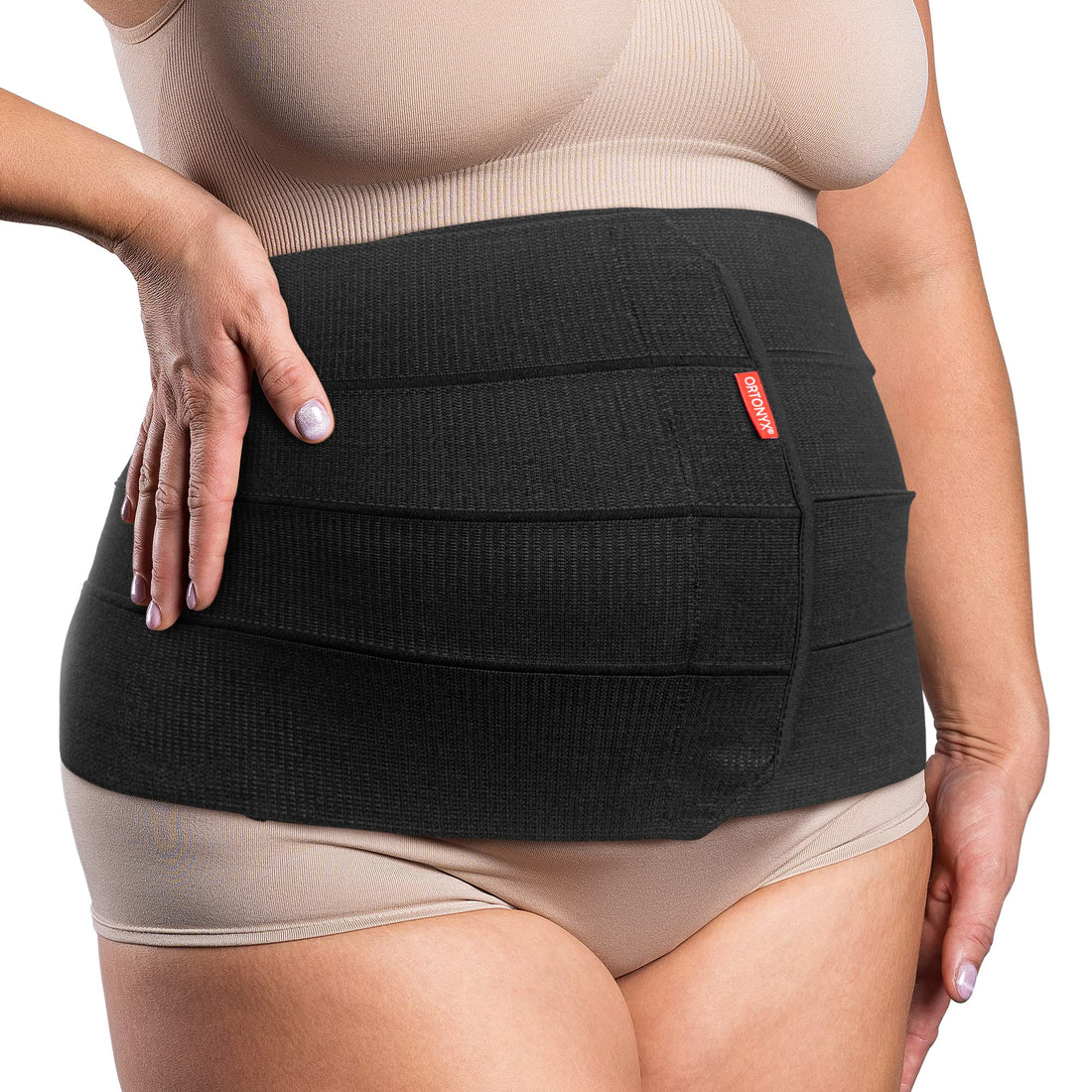
Binder height typically ranges from 9 to 12 inches. Taller individuals or those with longer torsos may need a wider binder to fully cover the abdominal area. The ORTONYX 10.25" binder provides excellent coverage for most body types.
Warning Signs Your Binder Doesn't Fit
- Difficulty breathing or feeling lightheaded
- Numbness or tingling in the torso or legs
- Persistent skin irritation or pressure marks
- The binder rolls up or shifts frequently during movement
- Visible gaps between the binder and your body
Tips for First-Time Abdominal Binder Users
- Start gradually — Wear for short periods initially and increase as comfort allows
- Layer wisely — Wear over a thin cotton undershirt to prevent skin irritation
- Check fit regularly — Your sizing needs will change as post-surgical swelling reduces
- Listen to your body — Discomfort is a clear signal to readjust or resize
When to Talk to Your Healthcare Provider
Always consult your doctor or surgeon about:
- The recommended wearing schedule for your specific procedure
- The appropriate compression level for your condition
- Any concerns about fit, comfort, or skin reactions
- Changes in your condition while wearing the binder
Frequently Asked Questions
Can I exchange my abdominal binder if the size is wrong?
Most quality manufacturers and retailers offer exchange policies. At ORTONYX, we want you to have the right fit—check our return and exchange policy if your first size isn't perfect.
Should I size up or down if I'm between sizes?
If you fall between two sizes, it's generally better to choose the larger size. You can always tighten an adjustable binder, but a too-small binder will be uncomfortable and potentially harmful.
How do I know if my binder is too tight?
If you can't comfortably slide two fingers between the binder and your skin, it's likely too tight. You should be able to breathe deeply without restriction.
Do I need a different size for sleeping vs. daytime wear?
Some patients prefer slightly looser compression for sleep. If your binder has sufficient adjustment range, you may not need a separate size—just loosen it a notch or two at bedtime.
The right abdominal binder is an investment in your recovery. Take time to measure carefully, and don't hesitate to reach out to your healthcare provider or our support team for guidance.