
What Is an Incisional Hernia?
An incisional hernia develops at the site of a previous surgical incision when the abdominal wall fails to heal completely. The weakened area allows tissue or organs to push through, creating a noticeable bulge. It's one of the most common complications following abdominal surgery—but with proper prevention and management, outcomes are excellent.
Key Statistics
- Occurs in 10–15% of abdominal surgeries
- Can develop months or even years after the original procedure
- Risk is higher with emergency surgeries
- More common in patients over 60
Risk Factors
Surgical Factors
- Emergency surgery (less optimal conditions for wound closure)
- Post-operative wound infection
- Multiple surgeries through the same incision
- Large incisions or complex procedures
Patient Factors
- Obesity
- Diabetes
- Smoking (impairs tissue healing)
- Chronic cough or COPD
- Premature return to strenuous activities
- Poor nutrition
- Immunosuppressive medications
Signs and Symptoms
Early Indicators
- Visible bulge at or near the surgical scar
- Bulge that increases with standing, coughing, or straining
- Mild discomfort or pulling sensation at the incision site
- Feeling of weakness along the scar line
Progressive Symptoms
- Increasing size of the bulge over time
- Pain that worsens with physical activity
- Difficulty with bowel movements
- Nausea or vomiting (if intestine is involved)
Prevention: The Role of Abdominal Binders
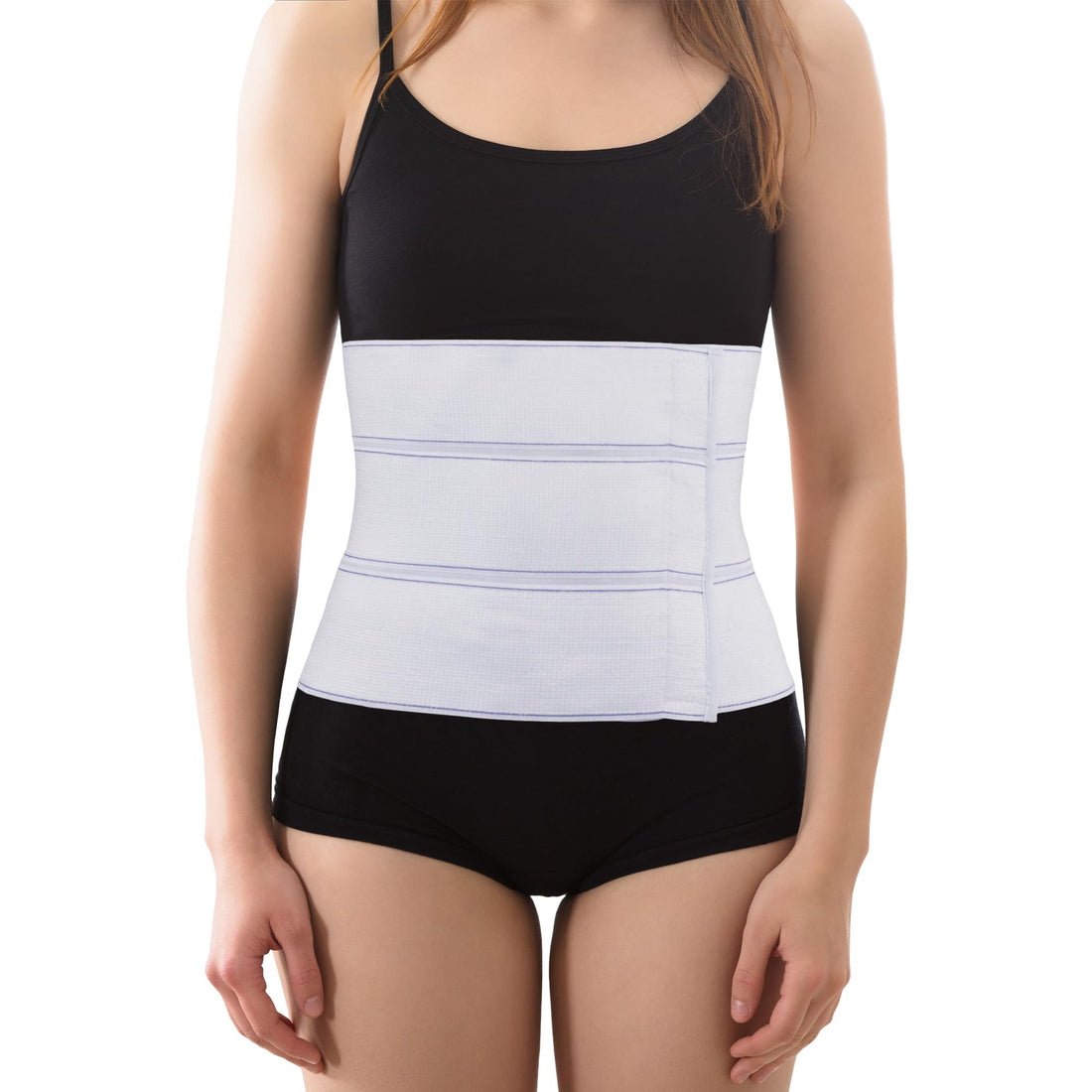
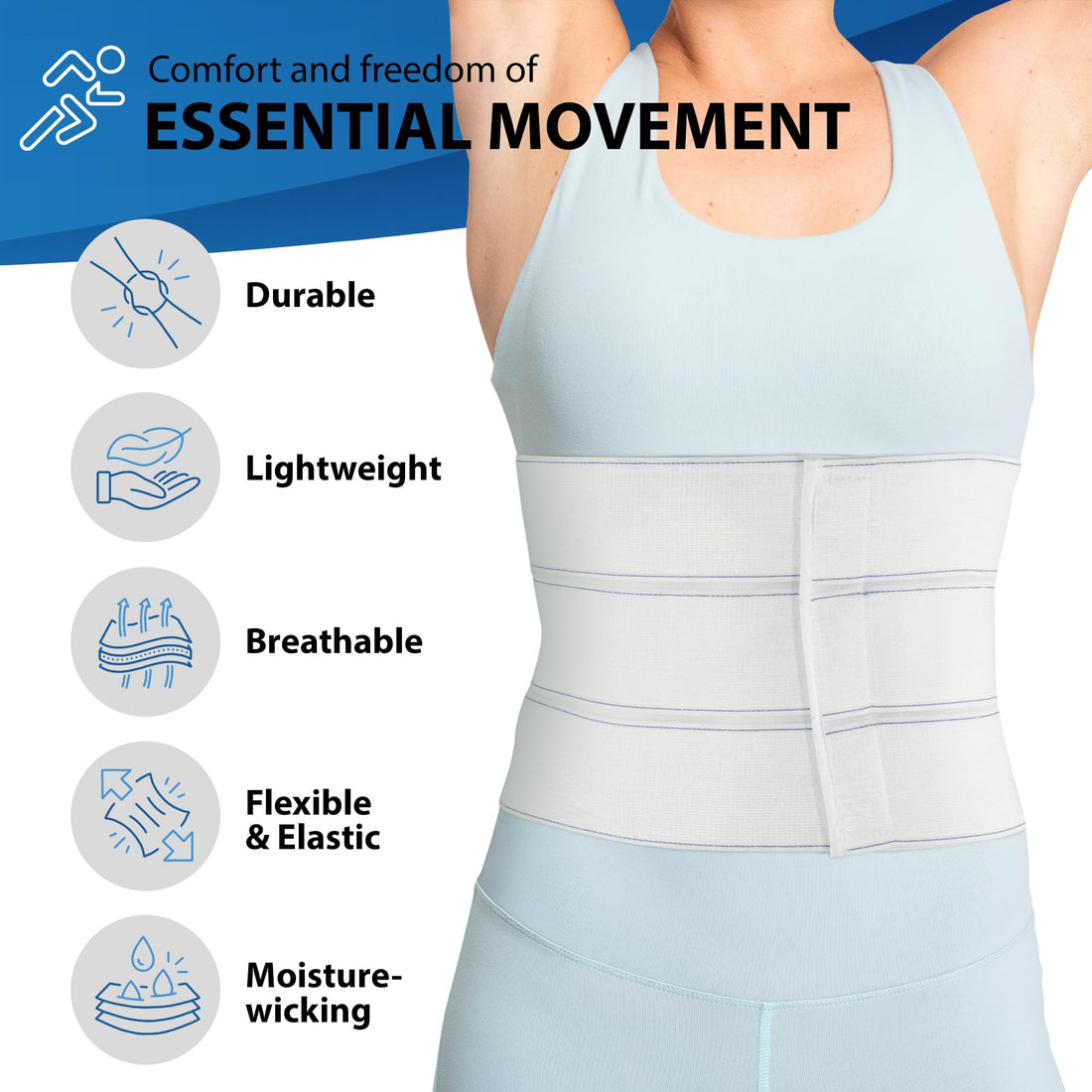
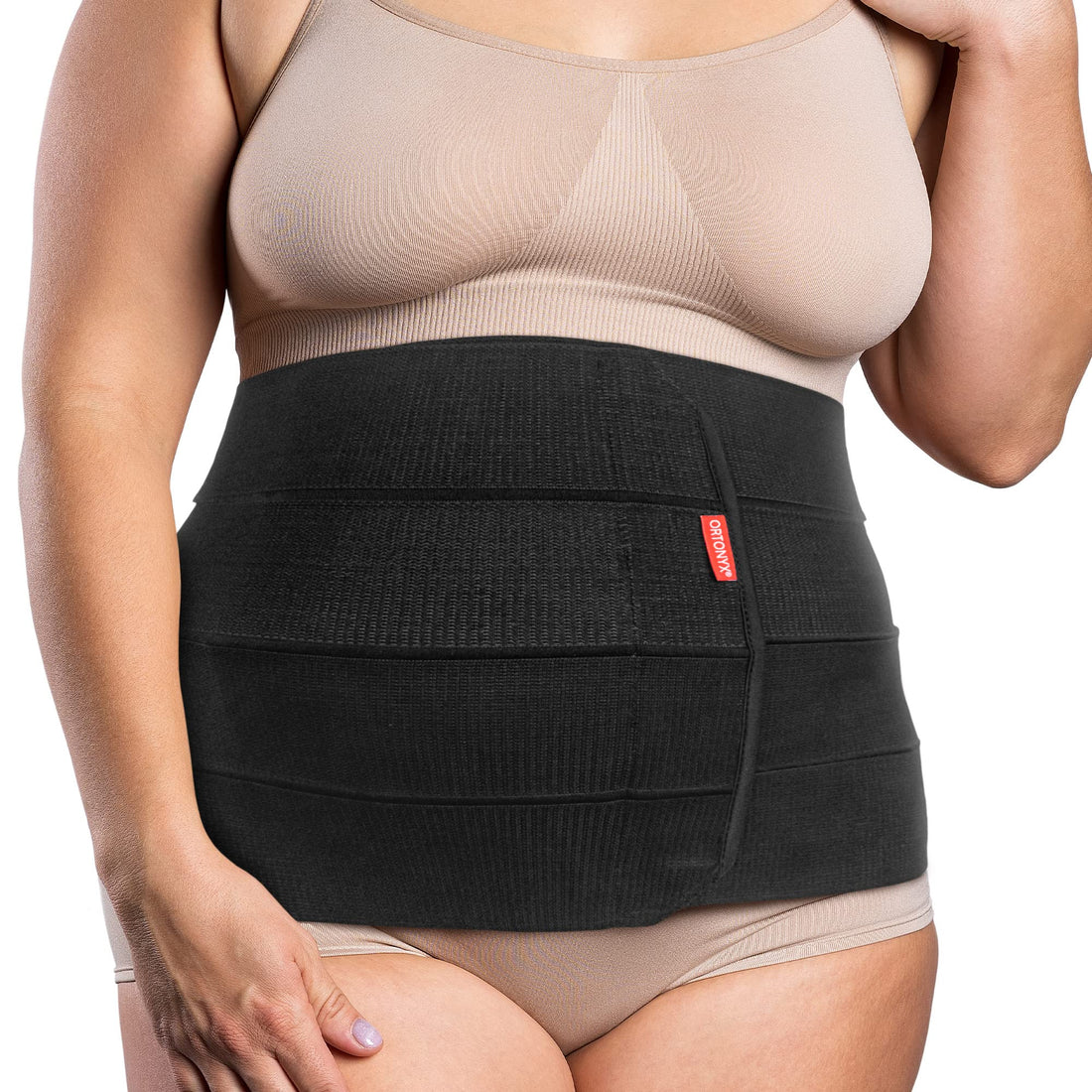
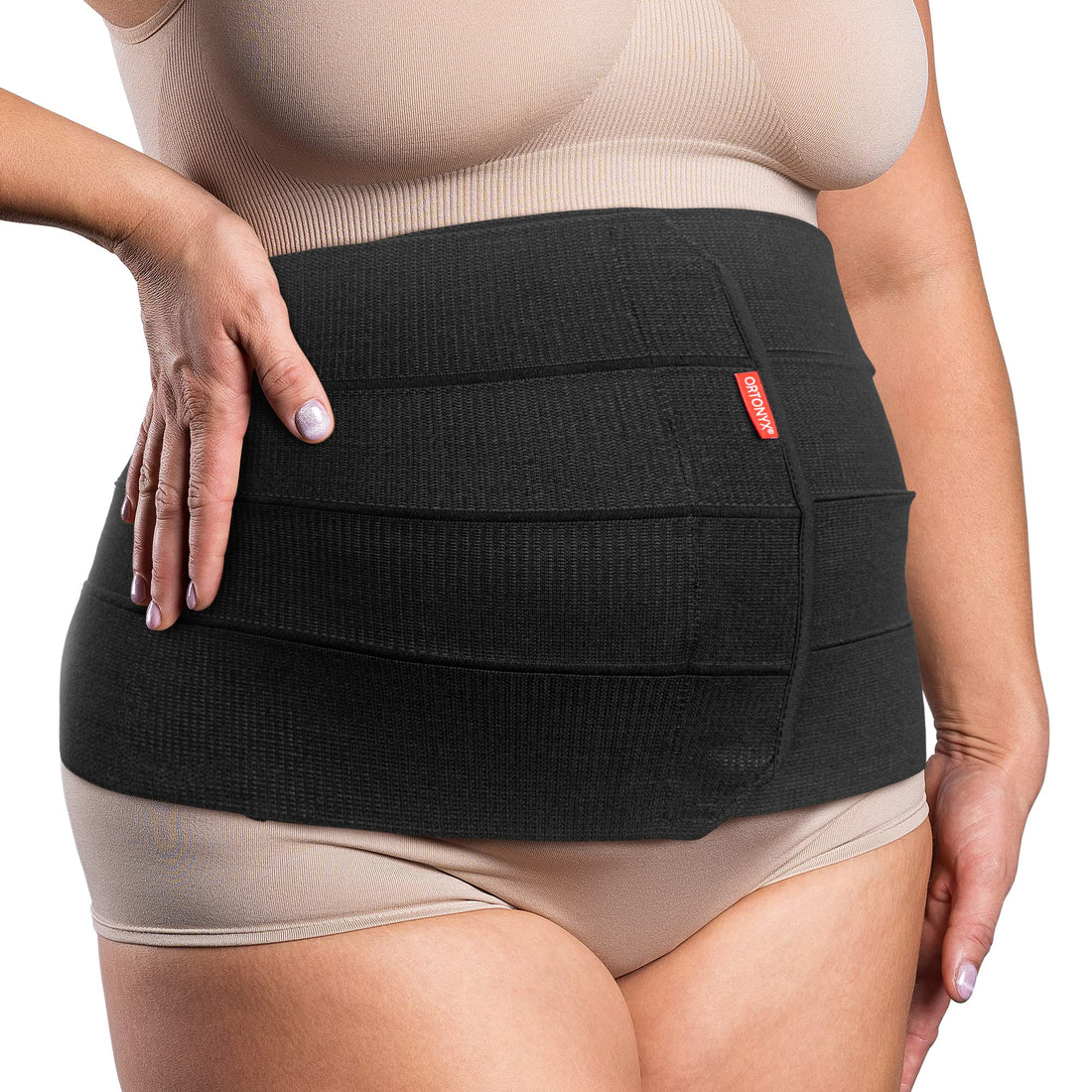
An abdominal binder is one of the most effective tools for preventing incisional hernias after surgery. Quality binders like the ORTONYX abdominal binder provide:
- External support to healing tissues during the critical early weeks
- Reduced tension on the incision, minimizing stress on sutures
- Lower risk of wound separation (dehiscence)
- Improved mobility confidence—patients who feel supported tend to mobilize earlier, which aids healing
- Better posture during recovery, reducing compensatory strain
Prevention Strategies: Immediately After Surgery
- Follow all wound care instructions meticulously
- Use your prescribed abdominal binder consistently
- Avoid premature physical activity or heavy lifting
- Maintain excellent nutrition to support tissue healing
- Report any signs of wound infection immediately
Long-Term Prevention
- Return to activities gradually over weeks, not days
- Maintain a healthy weight
- Quit smoking (critical for tissue integrity)
- Manage chronic conditions like diabetes and COPD
- Continue using an abdominal binder during strenuous activities as recommended
Treatment Options
Conservative Management
Suitable for small, asymptomatic incisional hernias:
- Regular use of an abdominal support binder
- Activity modification to avoid exacerbating the hernia
- Weight management
- Regular monitoring with your healthcare provider
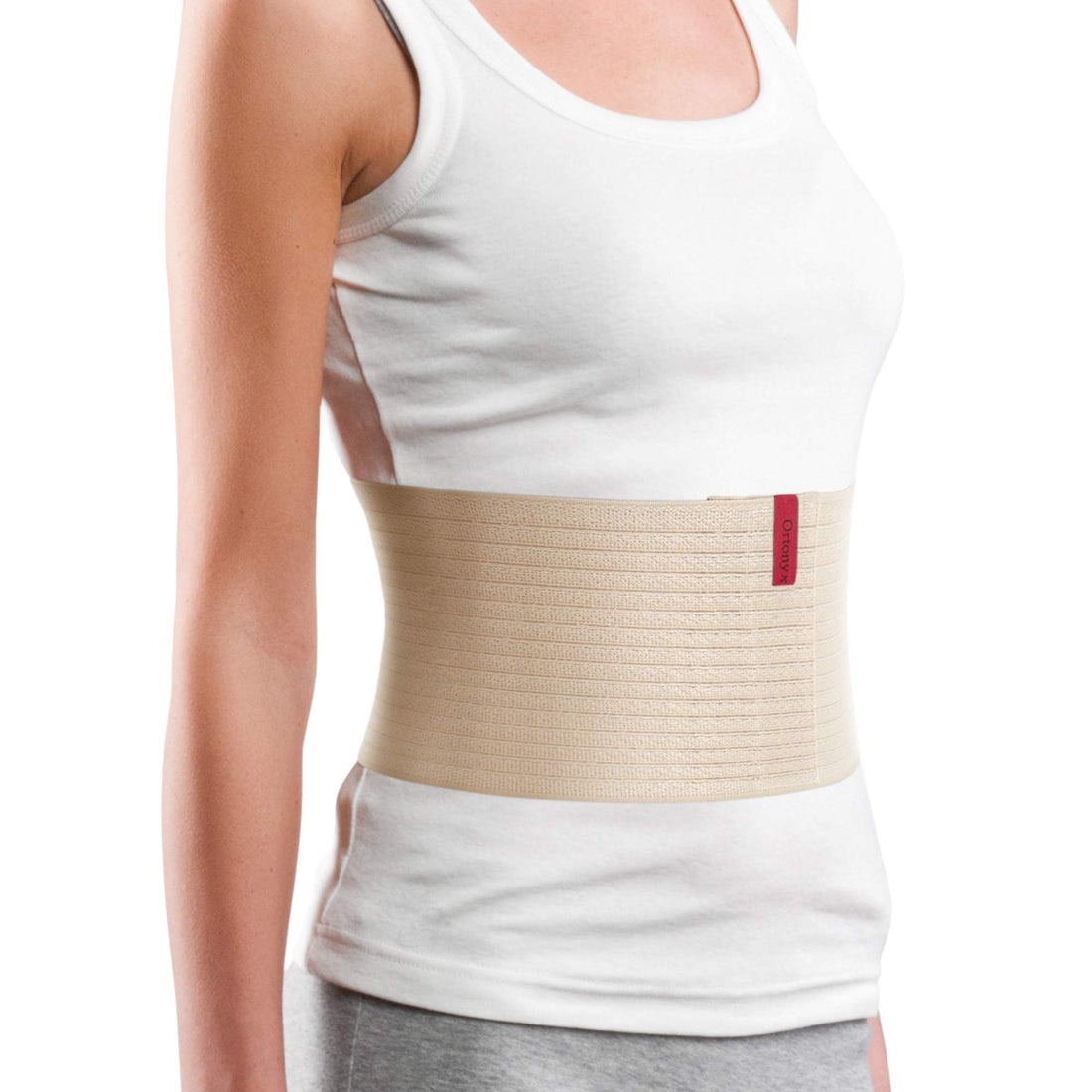
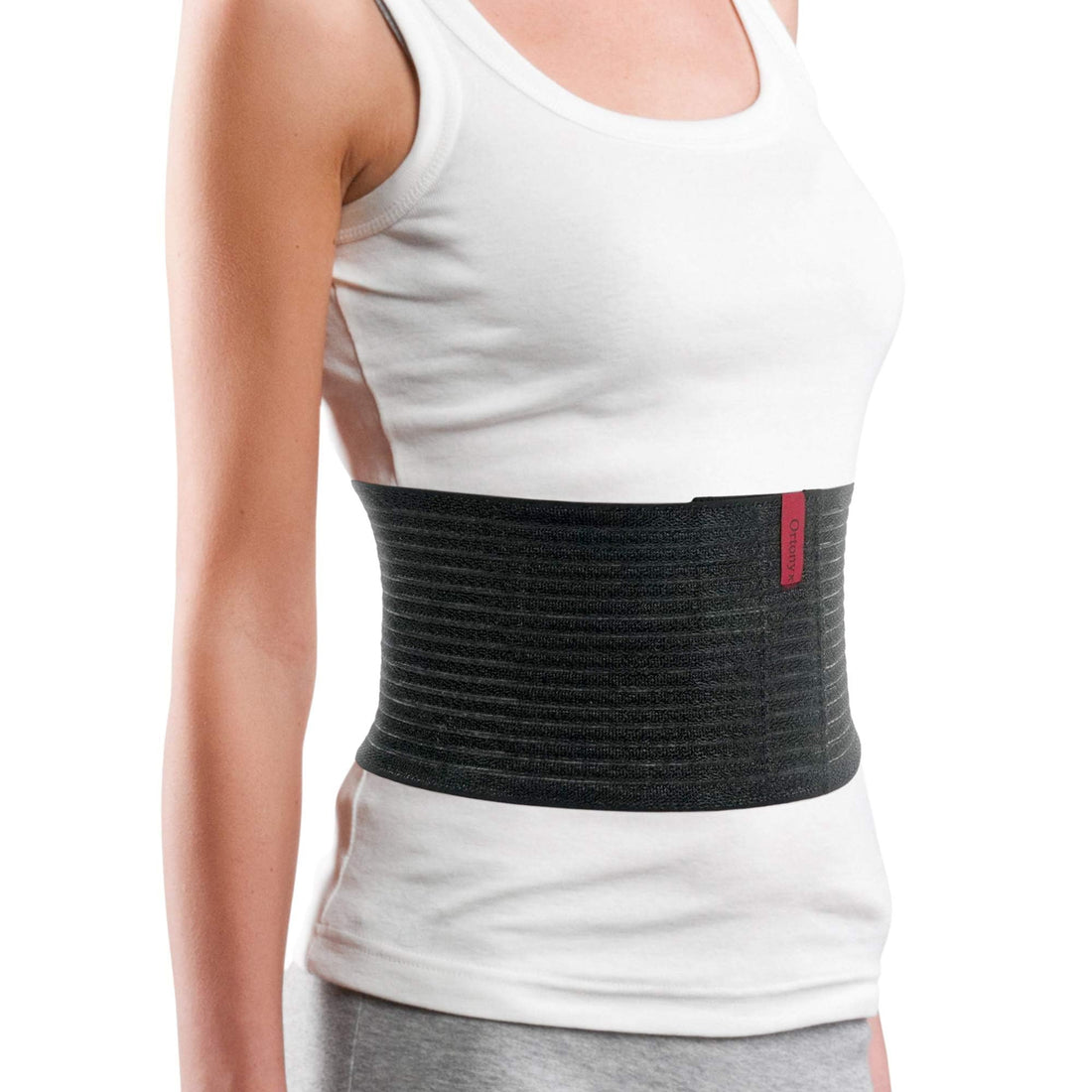
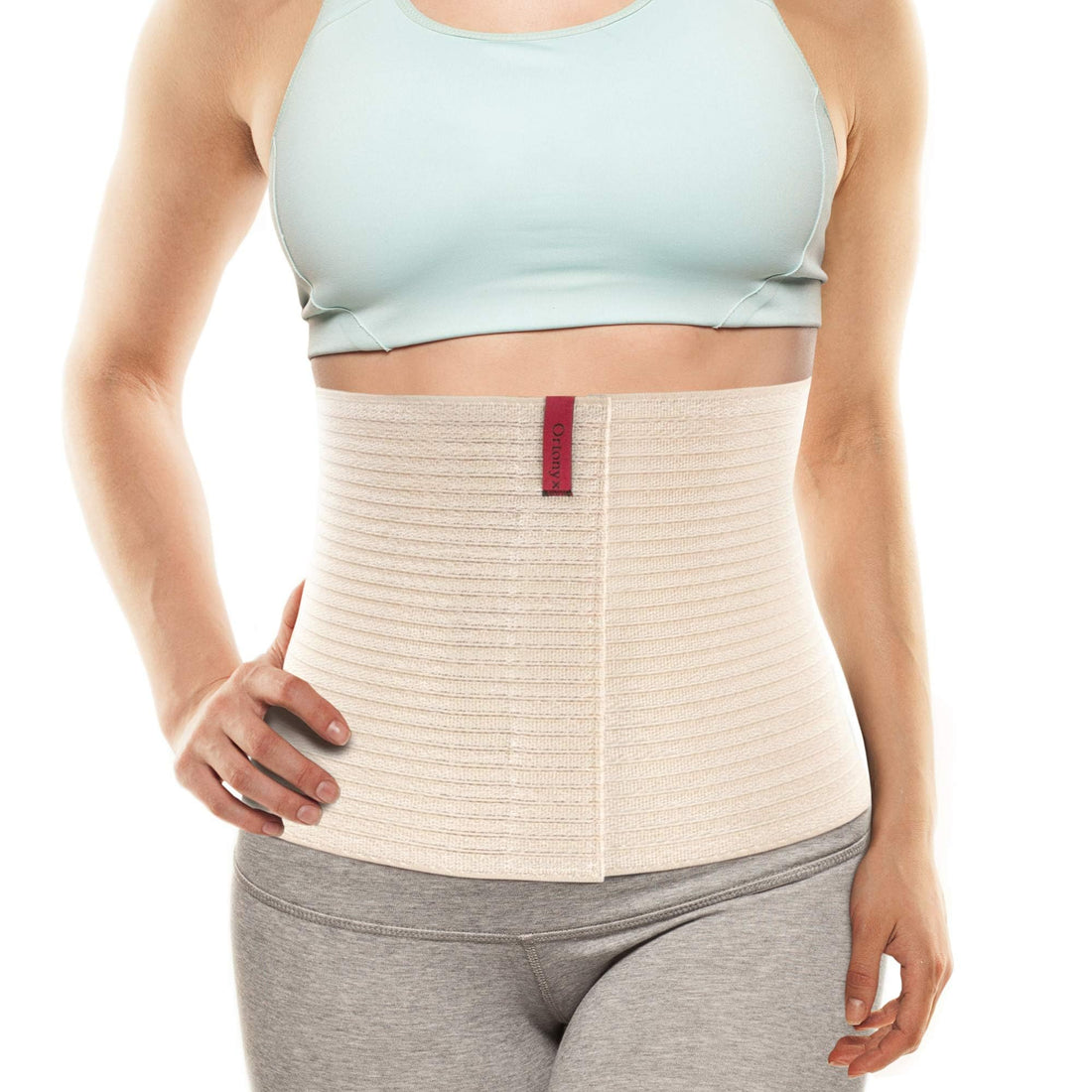
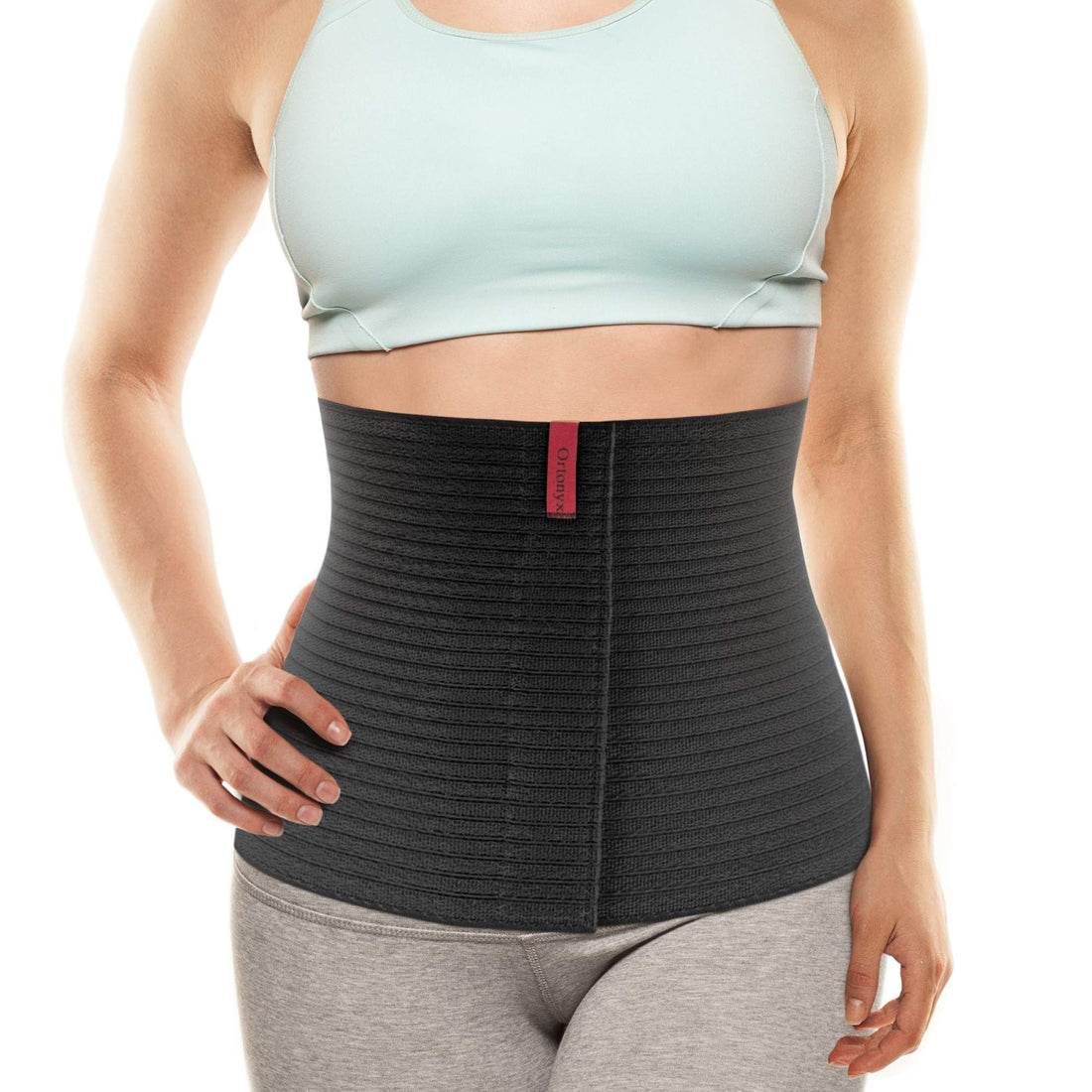
The ORTONYX Umbilical Hernia Belt provides targeted compression for hernias near the midline, while the standard abdominal binder offers broader coverage for larger incisional areas.
Surgical Repair
- Primary suture repair: For small defects
- Mesh reinforcement: For larger hernias (most common approach)
- Open or laparoscopic: Depending on hernia size and patient factors
- Component separation: For complex or recurrent cases
Recovery Timeline
Weeks 1–2: Maximum Support
- Consistent binder wear during waking hours
- Limited activities—focus on rest and wound healing
- Pain management as prescribed
- First follow-up appointment
Weeks 3–6: Gradual Progress
- Increasing activity levels as tolerated
- Continued binder use
- Begin gentle exercises as cleared by your surgeon
- Monitor for any complications
Months 2–3: Building Strength
- Progressive core strengthening (under guidance)
- Selective binder use during strenuous activities
- Return to most normal activities
- Long-term prevention habits established
Living with an Incisional Hernia
Daily Management Tips
- Wear your support binder during physical activities
- Avoid heavy lifting beyond your doctor's guidelines
- Maintain proper posture—the ORTONYX Posture Corrector can help if you're compensating with poor posture
- Monitor hernia size and symptoms over time
- Stay physically active within your limits
When to Seek Immediate Help
- Sudden increase in pain
- Changes in the bulge appearance (firm, discolored, tender)
- Signs of obstruction (severe bloating, inability to pass gas)
- Fever or wound changes
- Difficulty with basic daily activities
Psychological Impact and Support
Incisional hernias can affect more than physical comfort. Many patients experience:
- Anxiety about hernia recurrence or worsening
- Body image concerns
- Frustration with activity limitations
- Social withdrawal
These feelings are normal and valid. Talk to your healthcare team if your emotional well-being is affected. Support groups and counseling can make a meaningful difference.
Frequently Asked Questions
Can an incisional hernia heal without surgery?
Incisional hernias do not heal on their own—the muscle defect doesn't close spontaneously. However, many small hernias can be effectively managed with abdominal support and lifestyle modifications, avoiding surgery entirely. Your doctor will help determine the best approach for your specific situation.
How long should I wear an abdominal binder after surgery?
Most surgeons recommend consistent binder use for 4–8 weeks post-operatively, then selective use during activities for several additional months. Your surgeon will provide a personalized timeline based on your procedure and healing progress.
Does wearing a binder actually prevent incisional hernias?
Research supports that abdominal binders reduce incisional complications by providing external support during the critical healing period. They reduce tension on the wound, improve patient comfort and mobility, and may lower hernia rates—especially in higher-risk patients.
Can I exercise with an incisional hernia?
Yes, with appropriate modifications. Walking, gentle stretching, and light activities are generally safe and beneficial. Avoid heavy lifting, intense core work, and high-impact exercise. Always wear your binder during physical activity and follow your doctor's guidelines.
Each patient's situation is unique. Work with your healthcare team to develop a prevention and management plan tailored to your specific needs and circumstances. With proper care and support, most people with incisional hernias maintain active, fulfilling lives.