
What Is an Epigastric Hernia?
An epigastric hernia occurs when fatty tissue—or occasionally a small portion of intestine—protrudes through a weakness in the abdominal wall between the navel and the lower ribcage. These hernias develop along the midline of the upper abdomen (the epigastric region) and are among the more common abdominal wall defects.
Key Characteristics
- Location: Upper abdomen, above the belly button
- Typical size: Usually small (less than 2 cm)
- Contents: Most commonly fatty tissue (preperitoneal fat)
- Prevalence: Affects 3–5% of the general population
- Gender distribution: More common in men (approximately 3:1 ratio)
How Epigastric Hernias Develop
The Anatomy
The linea alba is a fibrous band running down the center of your abdomen, connecting the ribcage to the pelvis. It contains natural small openings for blood vessels. When these openings weaken or widen—due to age, pressure, or congenital factors—fatty tissue can push through, creating an epigastric hernia.
Common Causes and Risk Factors
- Congenital predisposition: Born with structural weakness in the linea alba
- Heavy lifting: Repeated strain on the abdominal wall
- Chronic cough: Persistent abdominal pressure
- Obesity: Increased pressure on weakened tissue
- Pregnancy: Stretching and thinning of the abdominal wall
- Previous surgery: Weakened tissue at or near the midline
- Age-related tissue changes: Natural weakening over time
Recognizing Symptoms
Small Epigastric Hernias
Many small epigastric hernias cause no symptoms at all. You may notice:
- A small, firm lump in the upper abdomen
- The lump may only be visible when straining, coughing, or standing
- Minimal to no pain
Symptomatic Hernias
- Visible bulge above the belly button
- Pain or tenderness at the hernia site
- Burning sensation in the upper abdomen
- Discomfort during or after eating
- Nausea, particularly after meals
Activities That Often Worsen Symptoms
- Bending forward
- Heavy lifting
- Coughing or sneezing
- Straining during bowel movements
- Eating large meals
- Wearing tight clothing over the area
Diagnosis
Your doctor will typically diagnose an epigastric hernia through physical examination—checking for a lump while you're standing and lying down, and during a Valsalva maneuver (bearing down). Imaging studies (ultrasound, CT scan, or MRI) may be ordered when the diagnosis is uncertain, surgery is being planned, or multiple hernias are suspected.
When to Seek Emergency Care
Most epigastric hernias are not emergencies, but seek immediate medical attention if you experience:
- Sudden, severe pain at the hernia site
- The hernia becomes firm, tender, and won't push back in (incarceration)
- Nausea, vomiting, or inability to pass gas or stool
- Color changes at the hernia site
- Fever with hernia pain
These may indicate strangulation—a serious condition where blood supply to the trapped tissue is cut off.
Treatment Options
Conservative Management
For small, asymptomatic hernias—or for patients who prefer to avoid surgery—conservative management includes:
- Watchful waiting with regular monitoring
- Abdominal support to reduce symptoms and prevent enlargement
- Lifestyle modifications (weight management, proper lifting technique)
- Activity adjustments to minimize strain
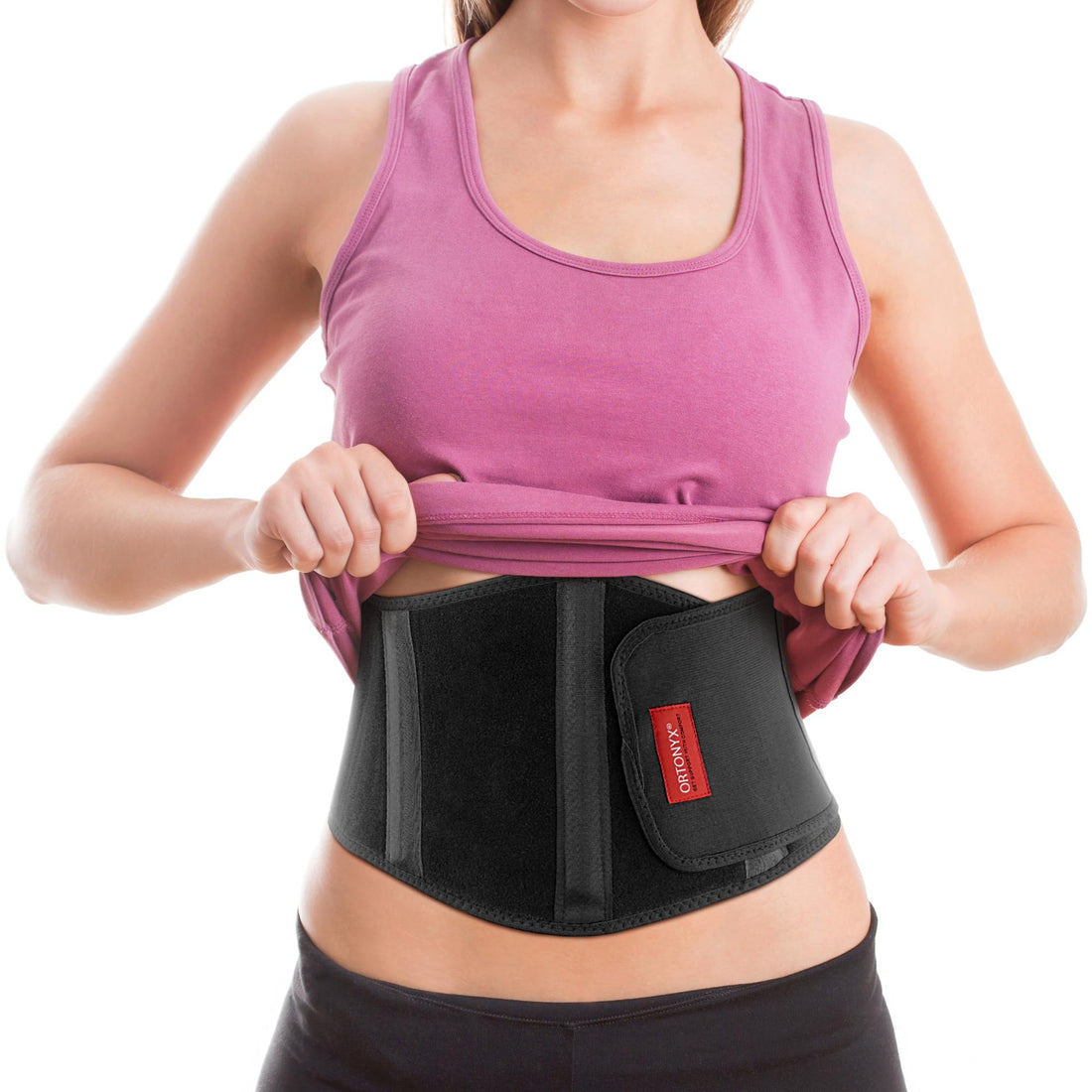
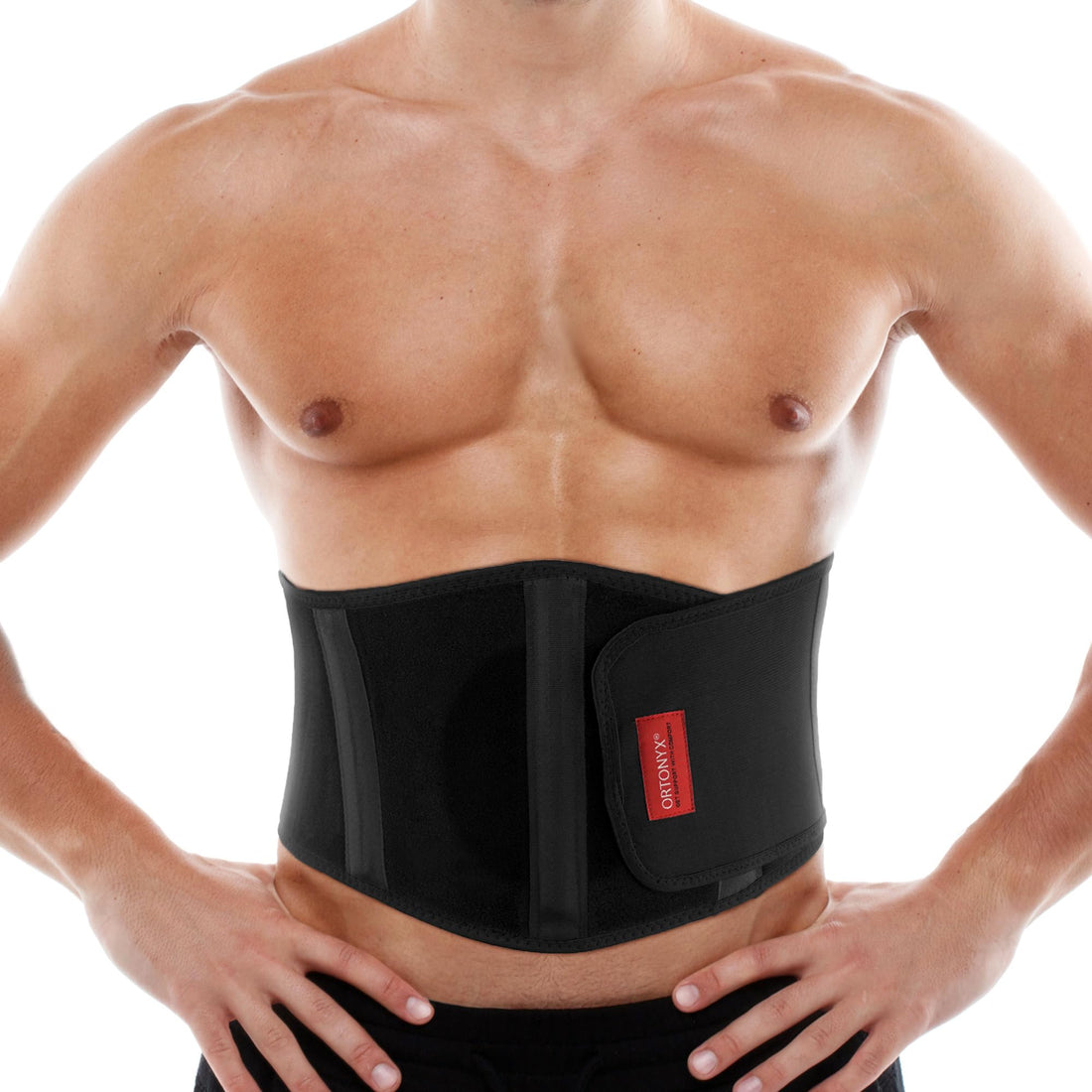
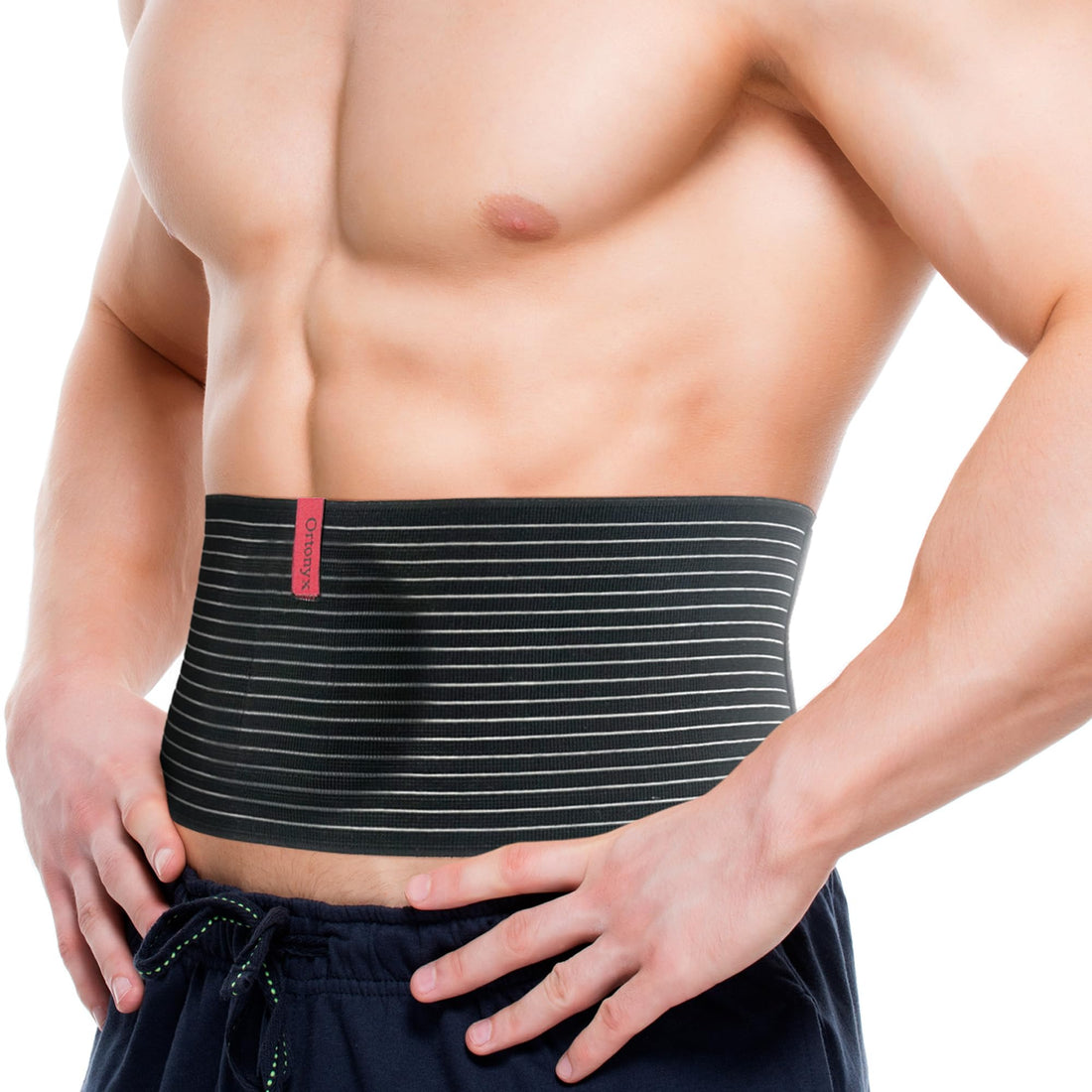
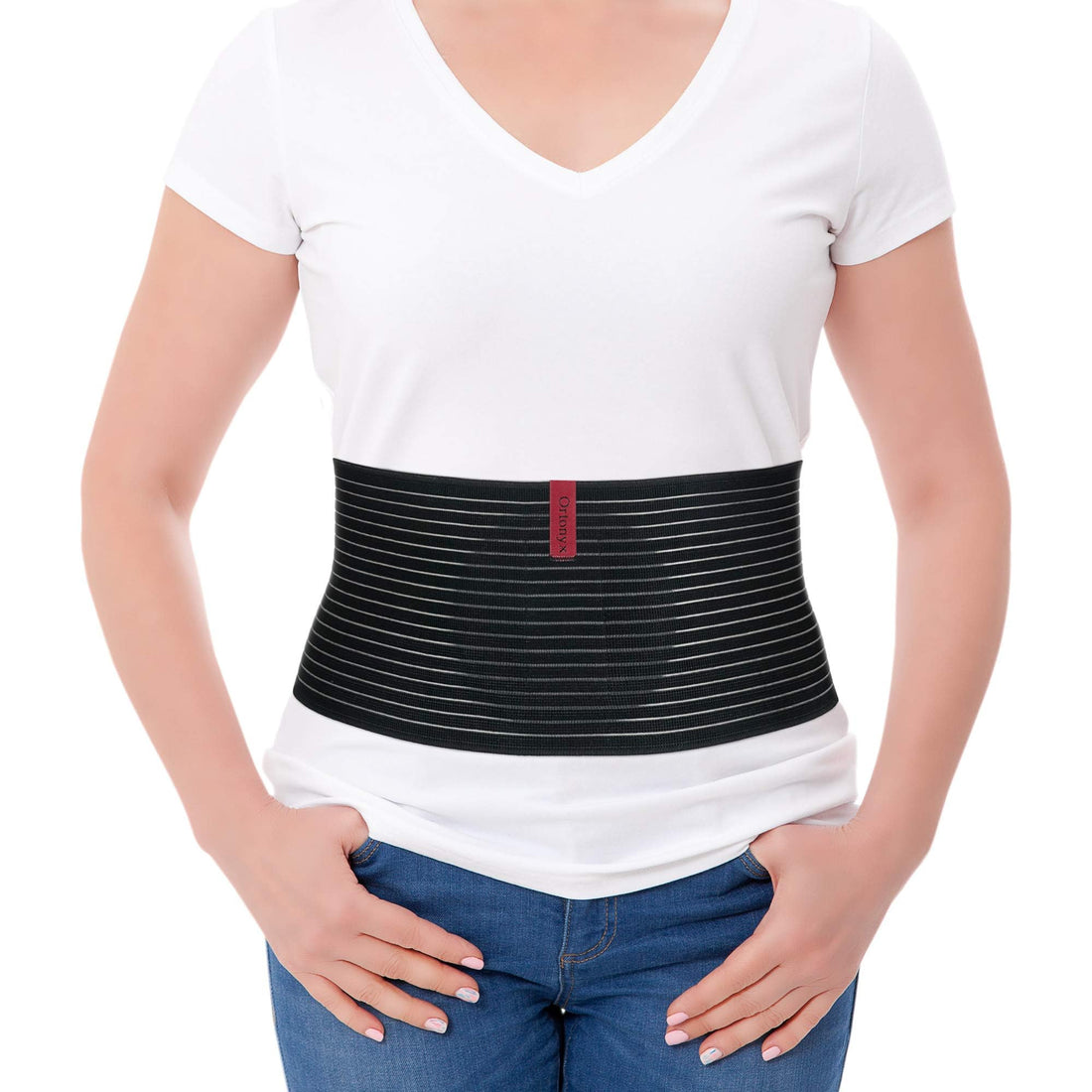
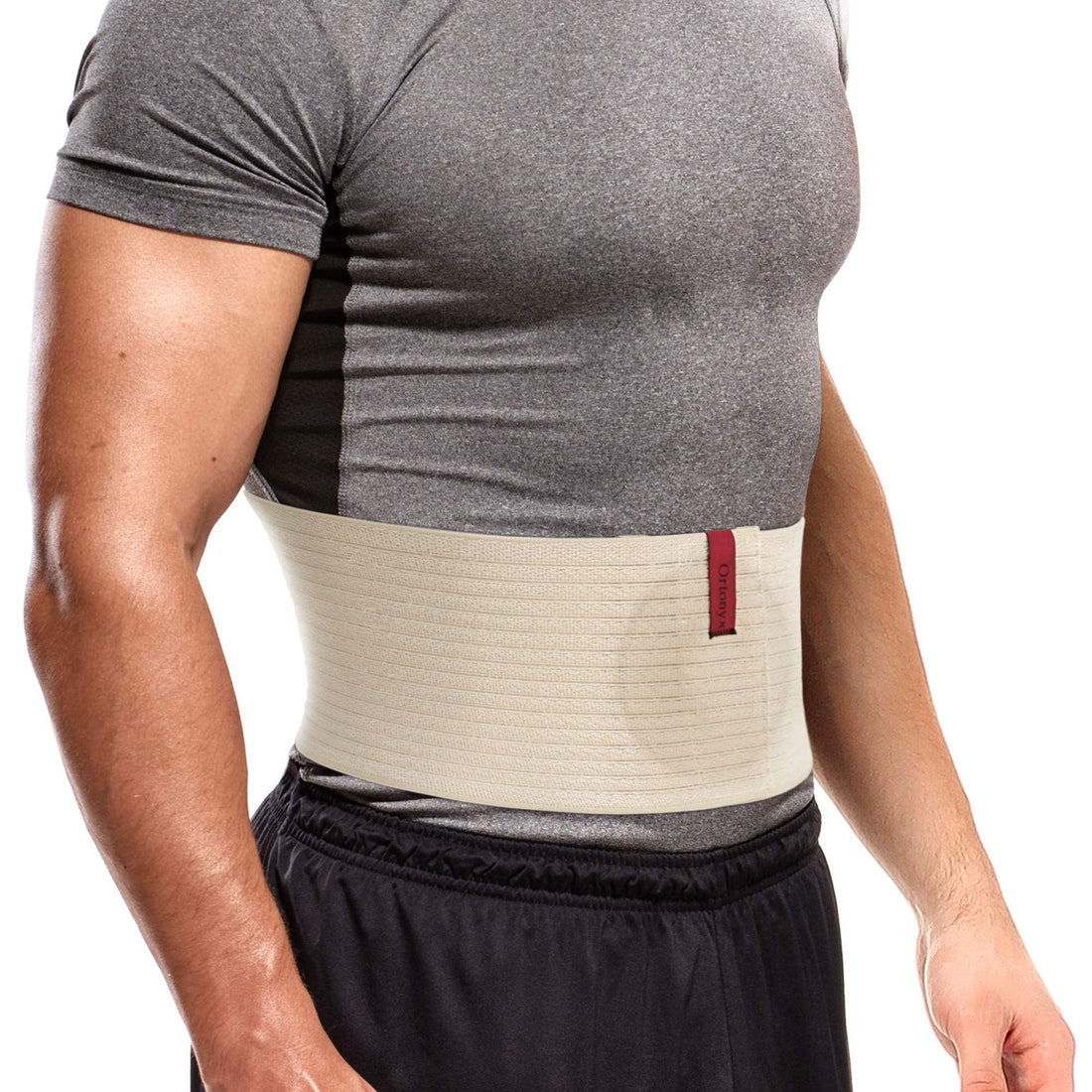
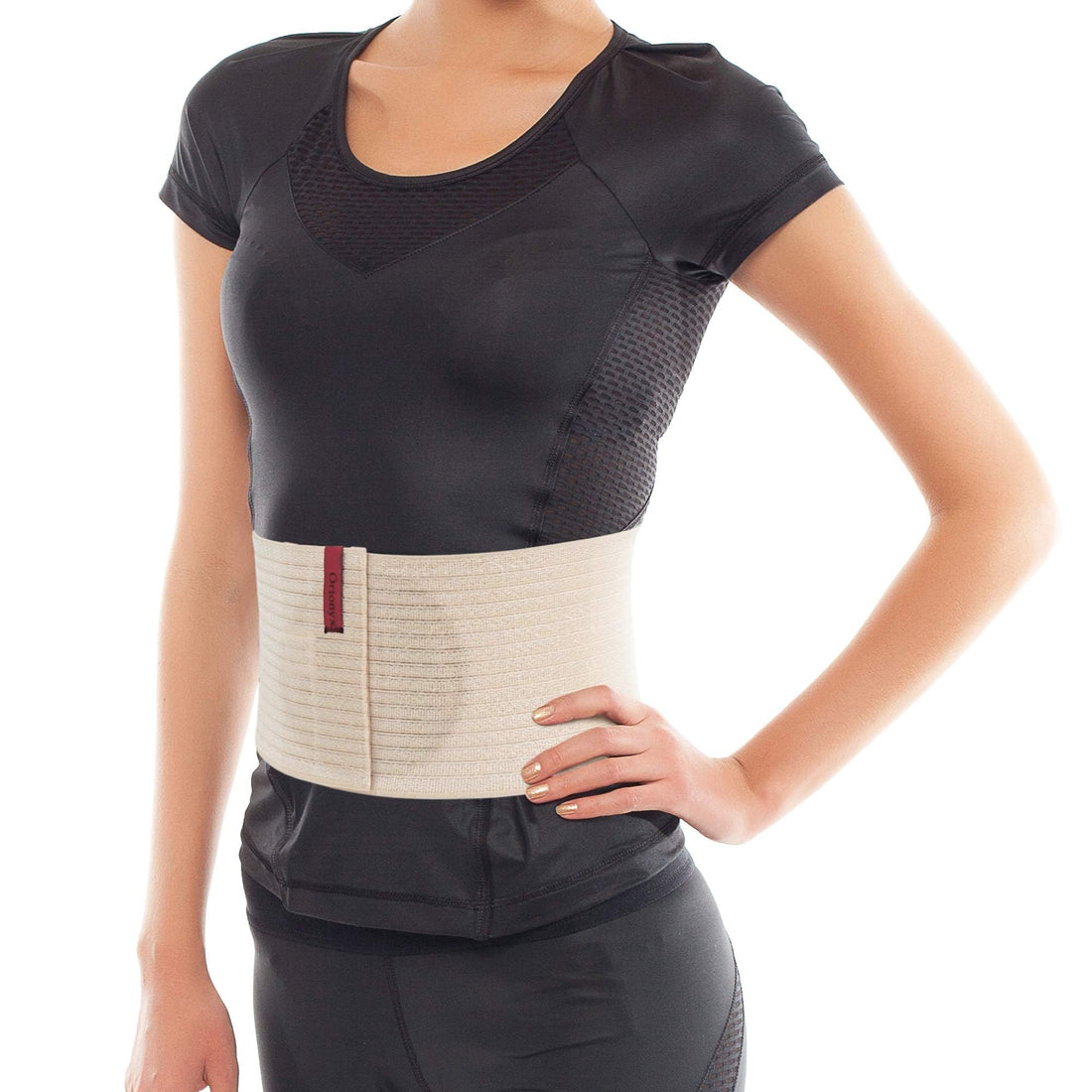
An ORTONYX abdominal binder can provide gentle compression over the epigastric region, reducing discomfort during daily activities and physical exertion.
Surgical Repair
Surgery is recommended for:
- Symptomatic hernias that affect quality of life
- Large or growing defects
- Multiple epigastric hernias
- Failed conservative management
Surgical approaches:
- Open repair: Direct visualization with primary suture or mesh placement. Can be performed under local or general anesthesia.
- Laparoscopic repair: Minimally invasive with mesh reinforcement. Faster recovery and less post-operative pain.
The Role of Abdominal Support
How Binders Help with Epigastric Hernias
Symptom management:
- Reduces visible bulging
- Decreases daily discomfort
- Provides gentle, consistent compression
- Improves confidence during activities
Functional support:
- Stabilizes the abdominal wall during movement
- Reduces strain on the defect
- Supports you during physical activities
- May help prevent enlargement over time
Important Limitations
Abdominal binders are valuable management tools, but they:
- Cannot cure a hernia
- Don't replace medical evaluation and monitoring
- Should not mask worsening symptoms—if your hernia is changing, see your doctor
Post-Surgical Recovery
Weeks 0–2: Rest and Healing
- Gradual mobilization as tolerated
- Pain management as prescribed
- Careful incision care
- Consistent abdominal binder use as directed
Weeks 2–6: Progressive Recovery
- Increasing activity levels
- Continued binder support
- Gentle exercises as cleared by your surgeon
- Return-to-work planning
Beyond 6 Weeks
- Gradual return to full activities
- Prevention strategies become the focus
- Regular follow-up appointments
- Awareness of recurrence signs
Living Well with an Epigastric Hernia
Dietary Adjustments
- Eat smaller, more frequent meals to reduce abdominal distension
- Avoid foods that cause bloating
- Maintain adequate fiber intake to prevent constipation
- Stay well hydrated
Safe Exercise
Recommended: Walking, swimming, stationary cycling, gentle yoga, light resistance training
Avoid: Heavy weightlifting, intense abdominal exercises, high-impact activities, exercises that cause significant straining
Frequently Asked Questions
Are epigastric hernias dangerous?
Most epigastric hernias are not dangerous and many cause no symptoms. However, any hernia carries a small risk of incarceration or strangulation, which requires emergency treatment. Regular monitoring helps catch any changes early.
Can epigastric hernias go away on their own?
No. Hernias don't heal spontaneously because the muscle defect doesn't close on its own. However, small asymptomatic hernias can be safely monitored over time with conservative management.
Do I need surgery for a small epigastric hernia?
Not necessarily. Many small, asymptomatic epigastric hernias are managed conservatively with monitoring, lifestyle modifications, and abdominal support. Surgery is typically reserved for symptomatic hernias or those that are growing.
Can I have more than one epigastric hernia?
Yes. Multiple epigastric hernias along the linea alba are not uncommon. If multiple defects are present, surgical planning may differ. Your surgeon will assess and recommend the best approach.
What abdominal support is best for an epigastric hernia?
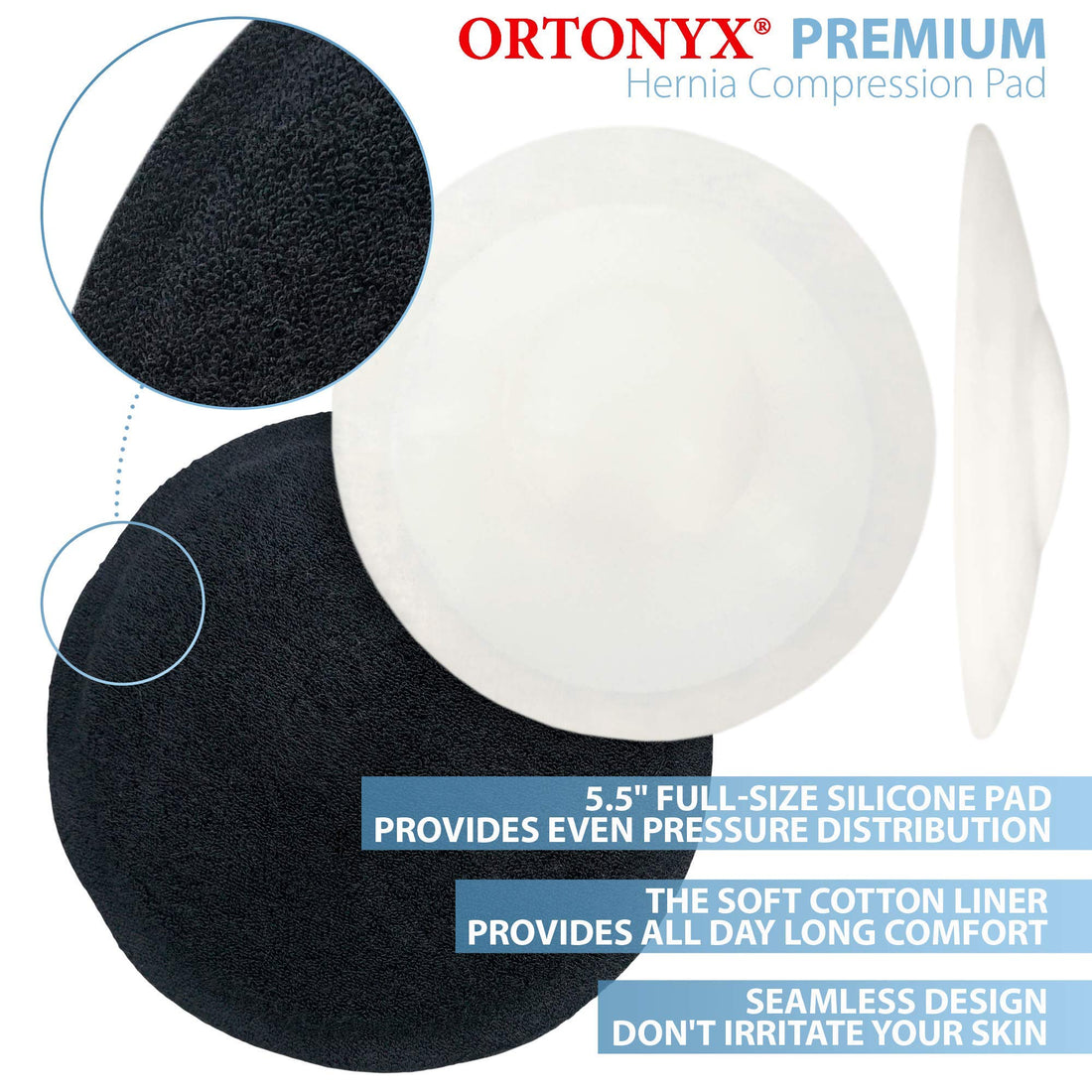
Look for a binder that provides coverage of the upper abdomen with even pressure distribution. The ORTONYX abdominal binder offers full abdominal coverage that includes the epigastric region, while the ORTONYX Umbilical Hernia Belt provides targeted midline support with an integrated pressure pad.
Understanding your condition empowers you to make informed decisions about treatment. Whether choosing conservative management or surgical repair, work with your healthcare team to develop a plan that fits your individual needs and lifestyle.