
Understanding Parastomal Hernias
A parastomal hernia is one of the most common complications following ostomy surgery. It occurs when abdominal contents—typically intestine or fatty tissue—push through the weakened muscle wall surrounding the stoma, creating a visible bulge. While the diagnosis can feel concerning, understanding your options for management and support can make a profound difference in your daily quality of life.
Key Facts
- Prevalence: Affects 30–50% of ostomy patients
- Timeline: Can develop months to years after surgery
- Types affected: Colostomies, ileostomies, and urostomies
- Impact range: From minor cosmetic concern to significant functional problems
Why Parastomal Hernias Develop
Creating a stoma inherently weakens the abdominal wall. The muscle must be split to bring the bowel through, creating a structural vulnerability that may widen over time.
Patient Risk Factors
- Obesity (BMI over 30)
- Chronic cough or respiratory conditions
- Previous abdominal surgeries
- Advanced age
- Poor nutritional status
- Heavy lifting too soon after surgery
- Rapid weight gain
Recognizing a Parastomal Hernia
Visual Signs
- Bulging around the stoma, especially when standing or coughing
- Asymmetry of the abdominal contour
- Difficulty seeing or accessing the stoma
Physical Symptoms
- Dragging or heavy sensation around the stoma
- Difficulty with ostomy appliance adhesion
- Back pain from altered posture
- Frequent pouch leaks
- Peristomal skin irritation
When to Seek Emergency Care
Seek immediate medical attention for:
- Incarceration: Firm, tender bulge with decreased stoma output and nausea
- Strangulation: Severe pain, color changes, no output, fever—medical emergency
- Complete obstruction: No stoma output, severe abdominal distension
Conservative Management
Abdominal Support Belts
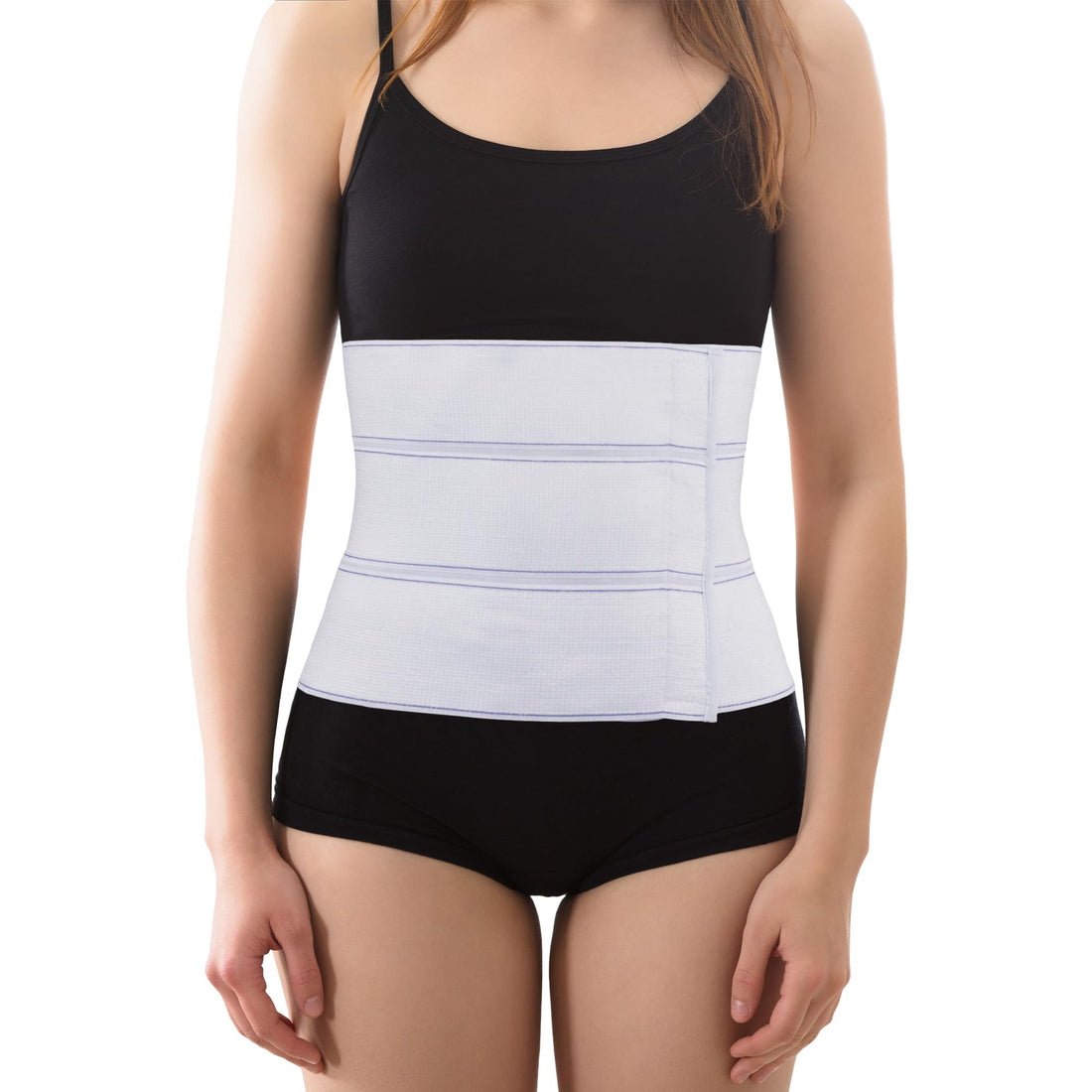
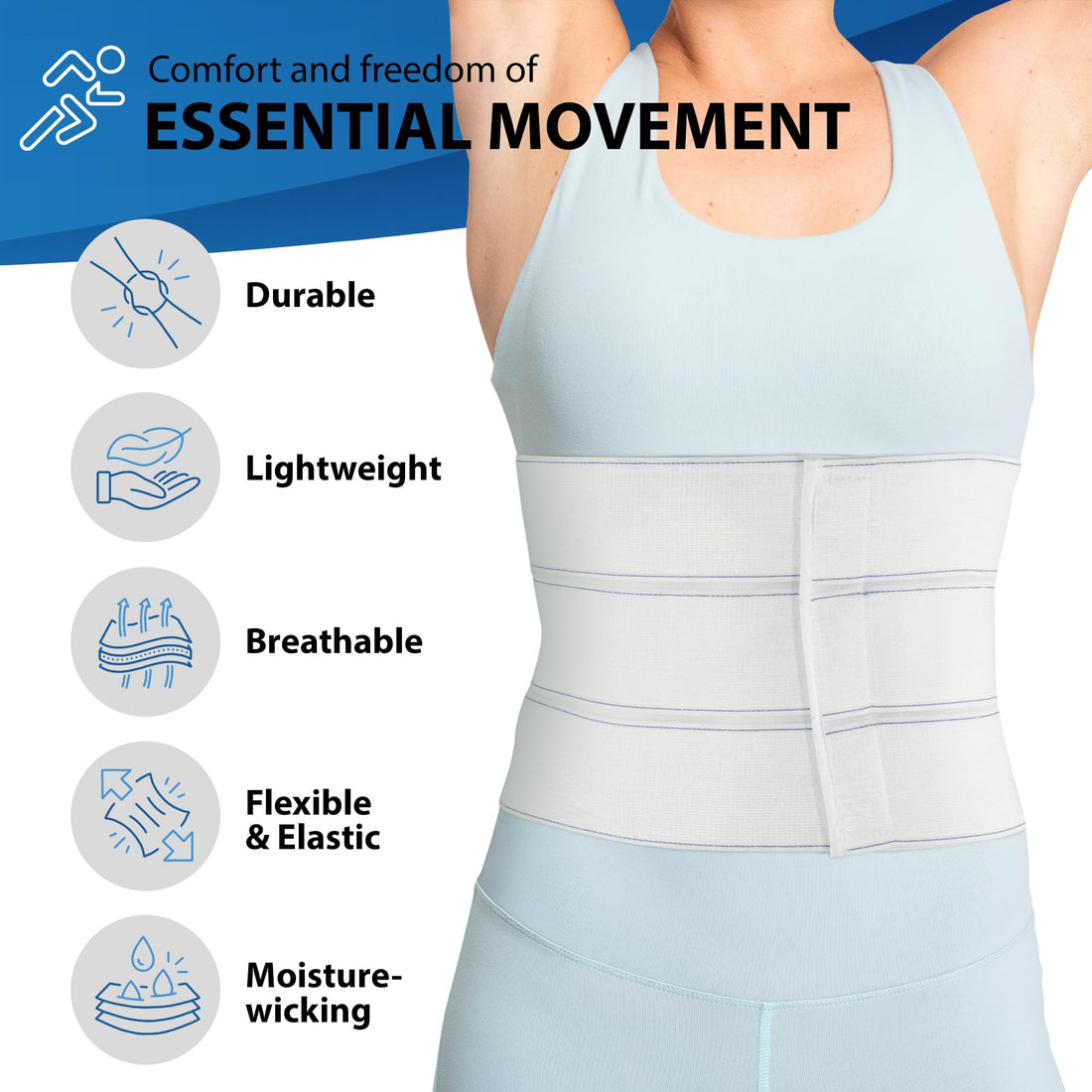
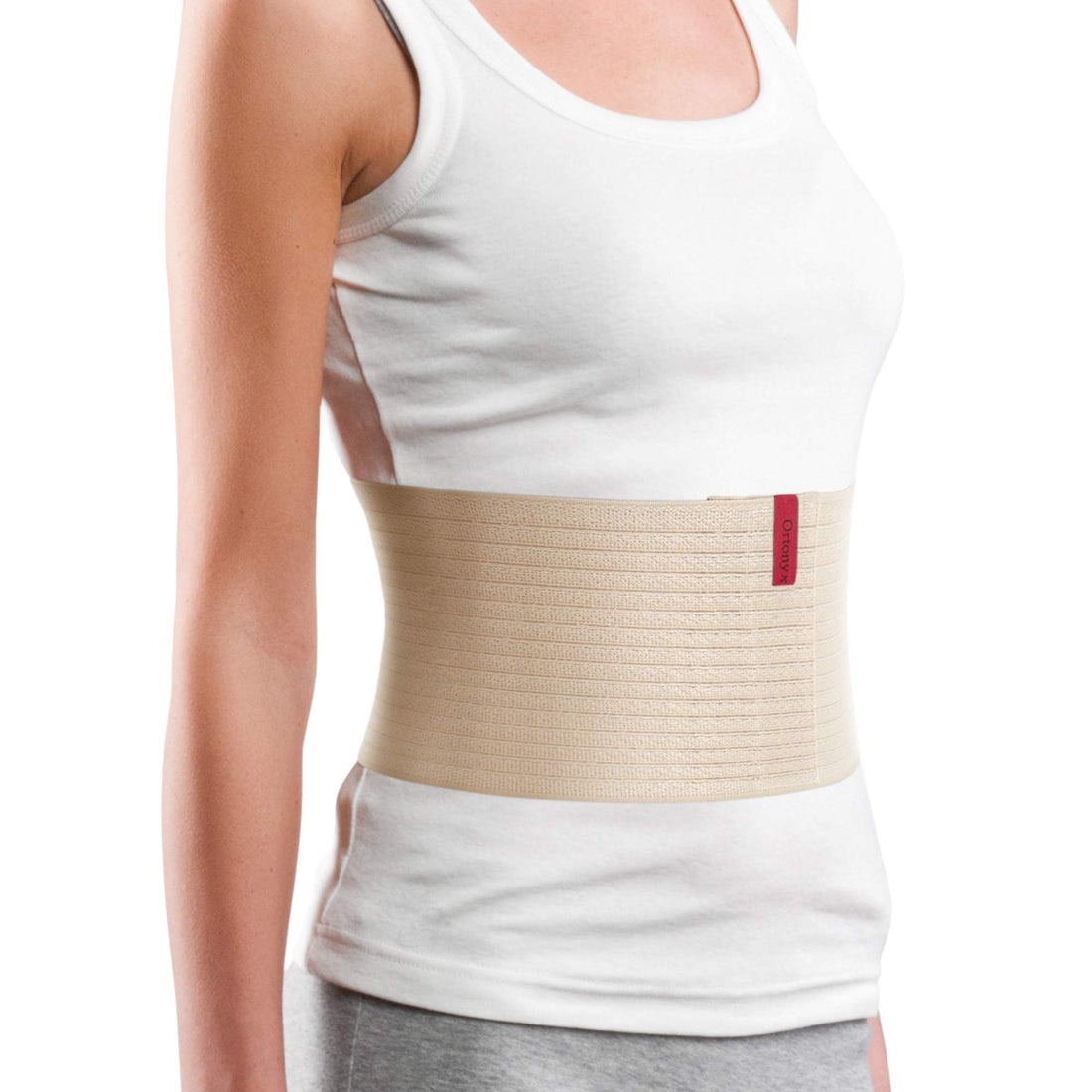
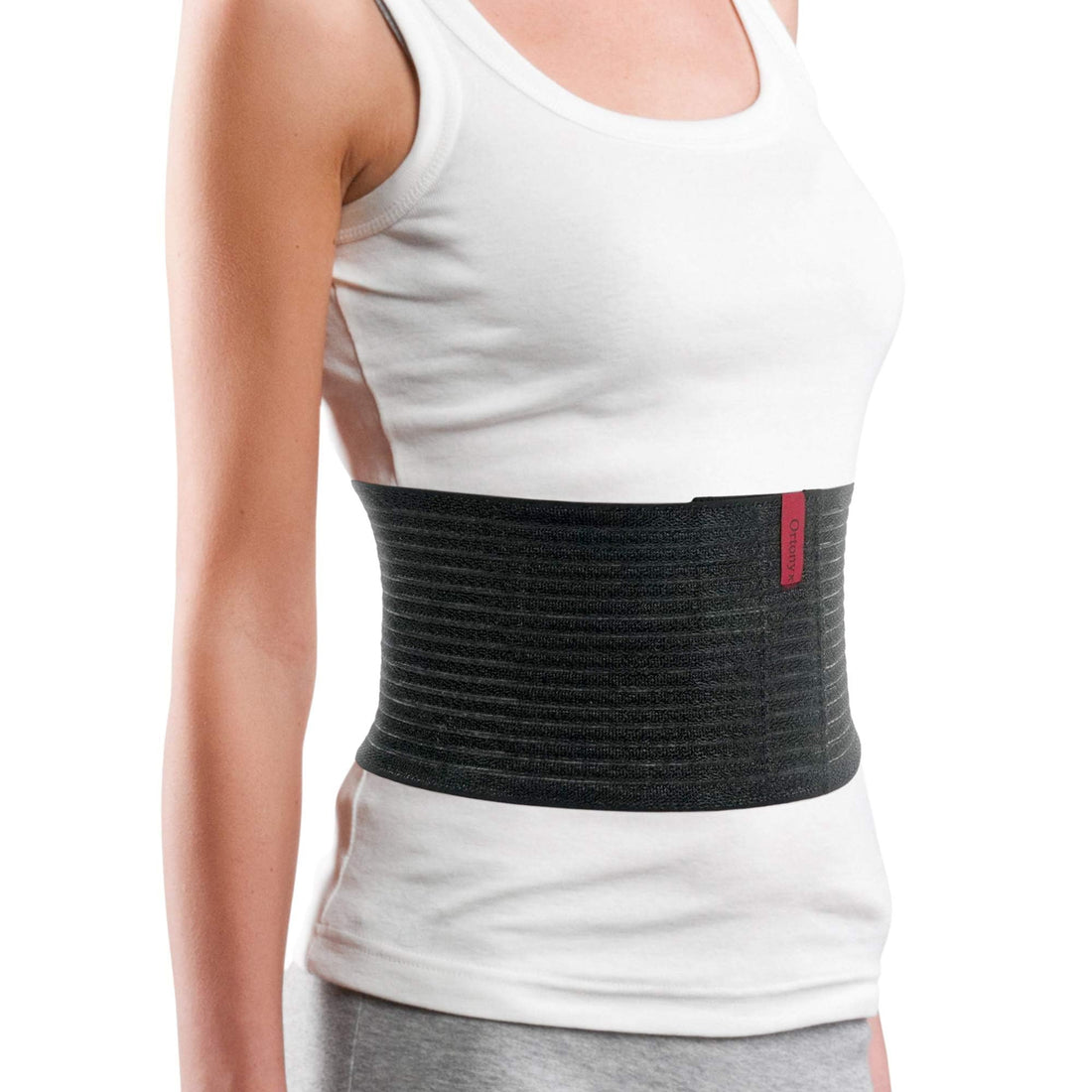
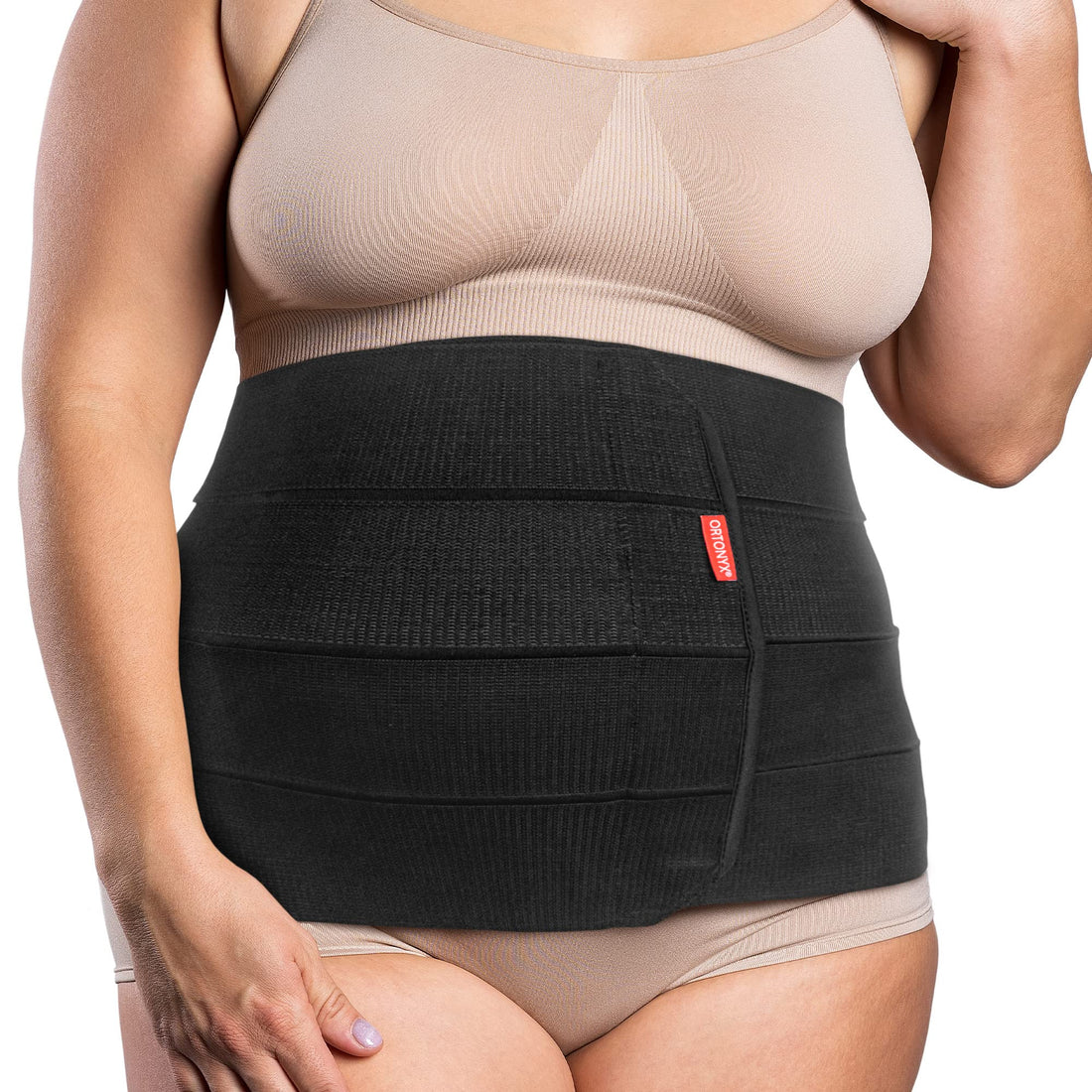
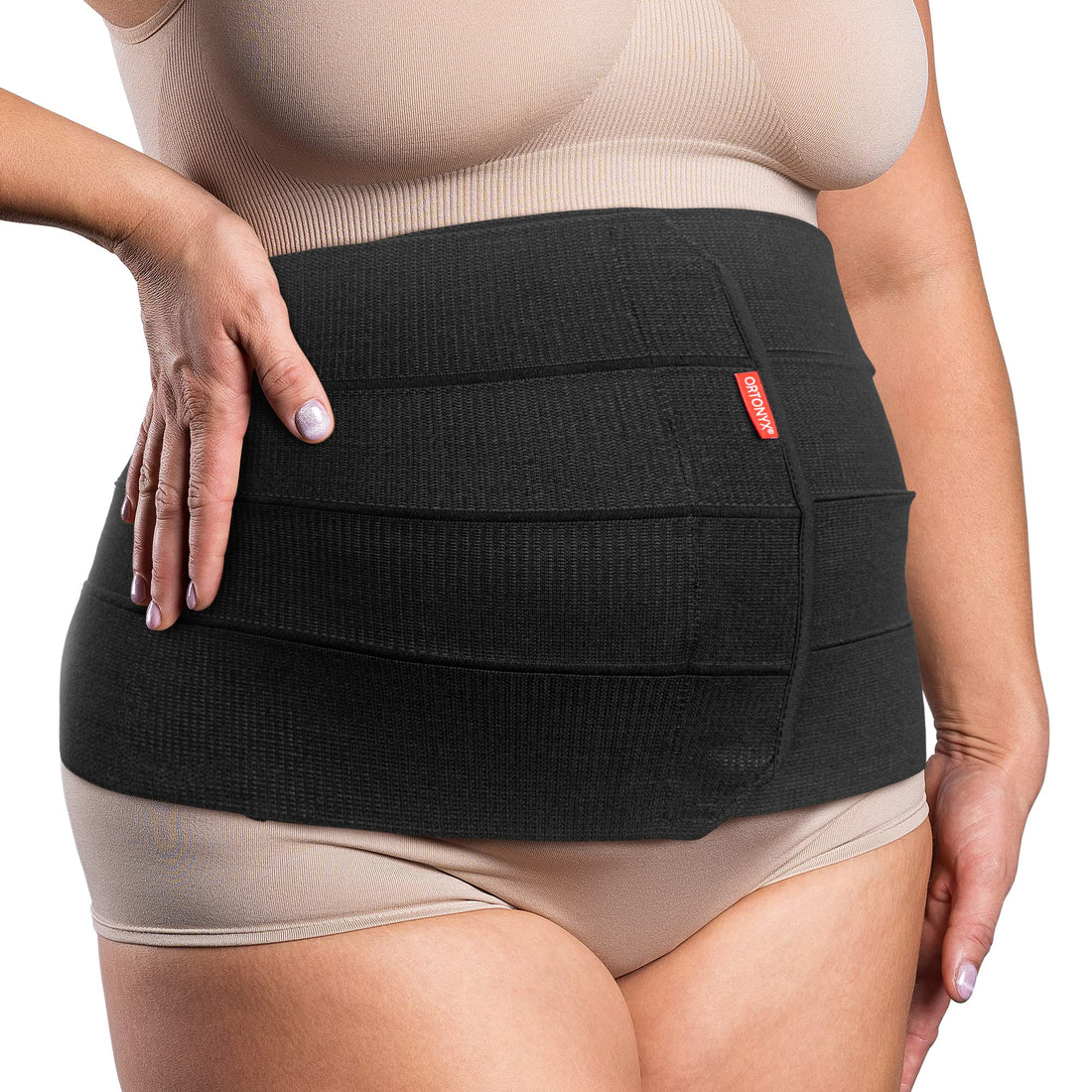
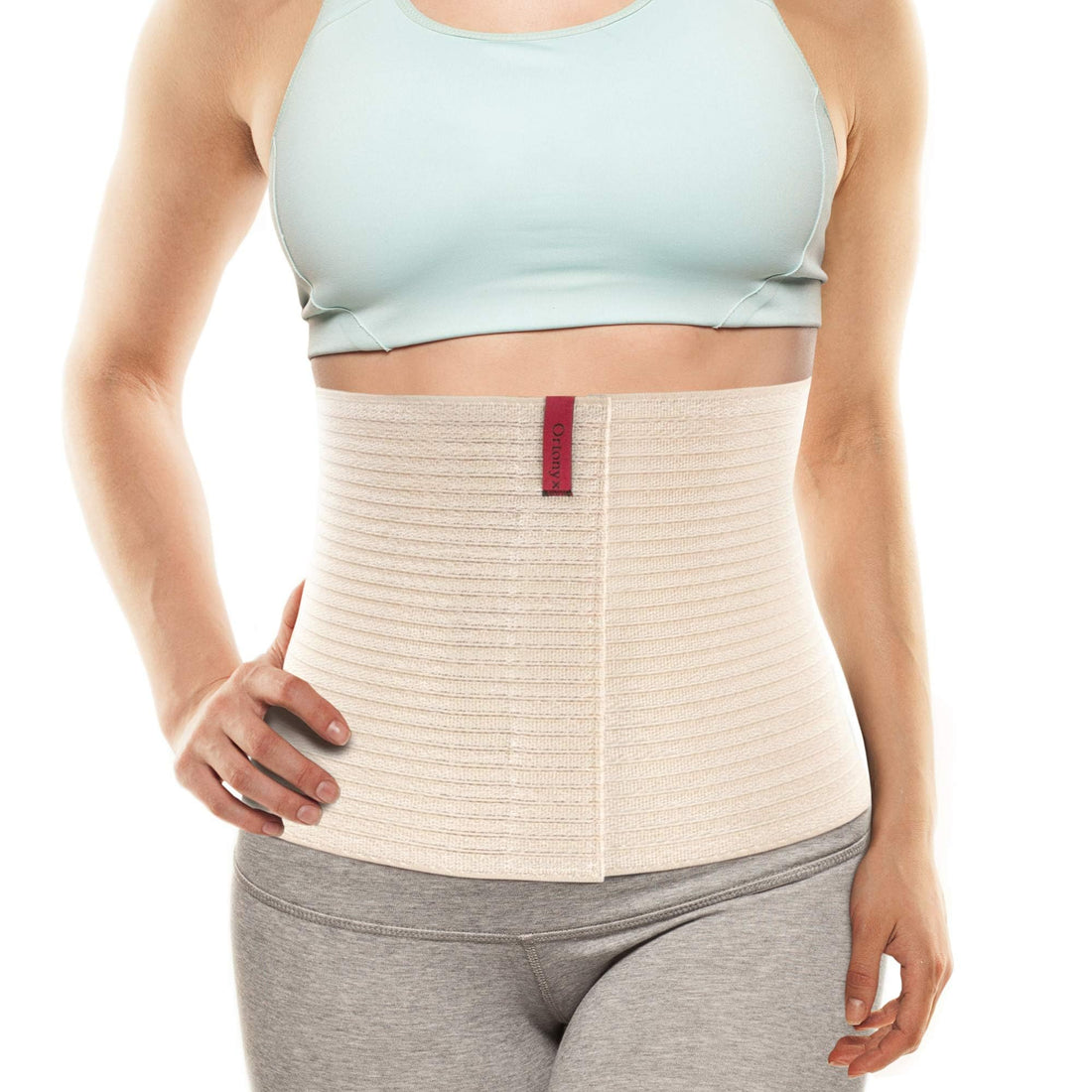
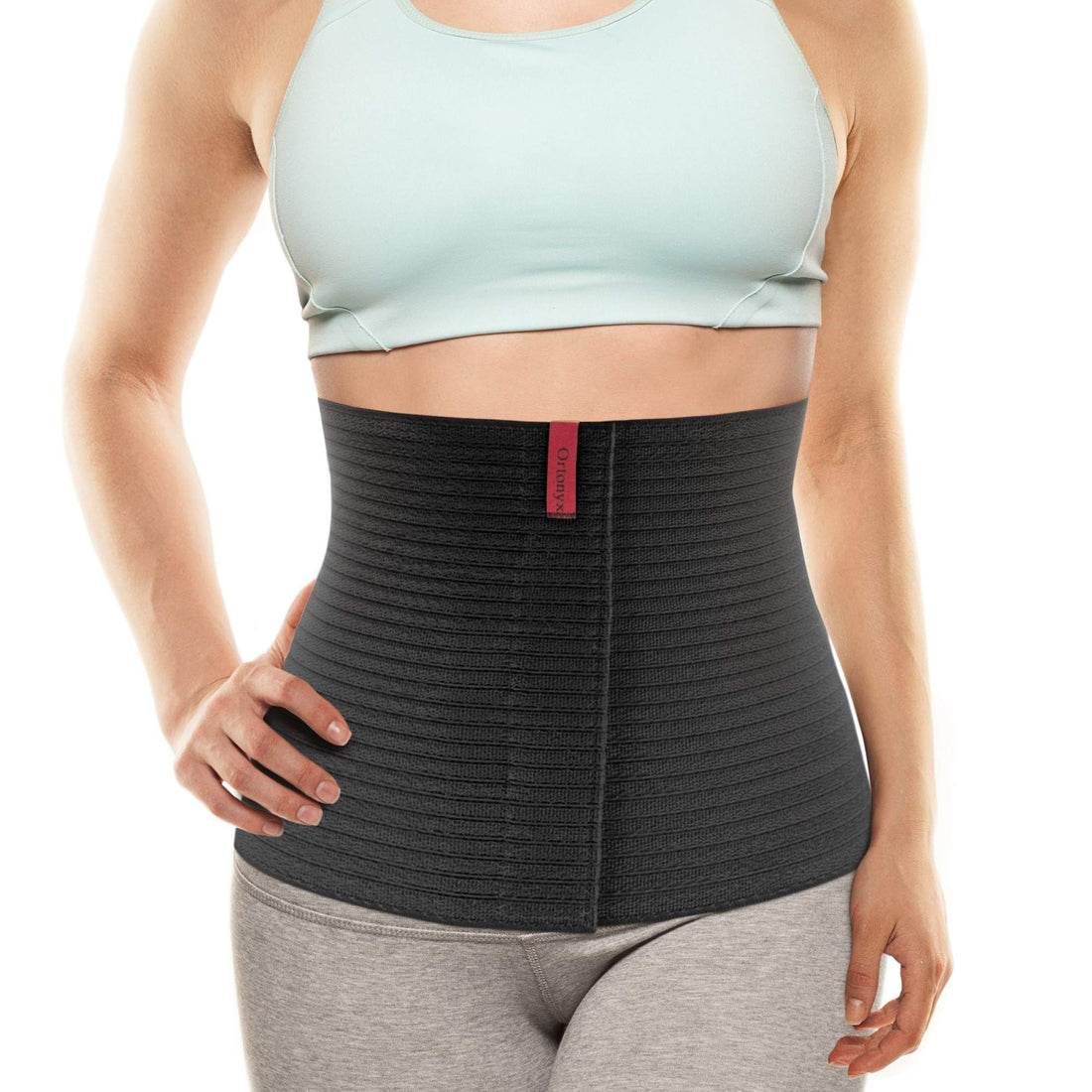
The ORTONYX Abdominal Ostomy Belt is designed specifically for parastomal hernia management, featuring an adjustable stoma opening, targeted compression, and breathable cotton-blend fabric.
Benefits of Consistent Support
- Reduces visible hernia bulging
- Improves ostomy appliance security
- Increases comfort during daily activities
- Provides confidence for social situations and exercise
Lifestyle Modifications
- Maintain a healthy weight
- Use proper body mechanics (bend at knees, not waist)
- Exercise safely: walking, swimming, gentle yoga, light resistance training
- Wear support during physical activities
Surgical Options
Surgery may be considered when conservative management fails:
- Local repair: Suture or mesh reinforcement
- Stoma relocation: Higher success rate
- Laparoscopic repair: Faster recovery
Prevention Strategies
- Follow lifting restrictions for 6–8 weeks post-surgery
- Wear abdominal support as directed
- Maintain healthy weight long-term
- Manage chronic conditions that increase abdominal pressure
Frequently Asked Questions
Can a parastomal hernia heal on its own?
No, but many can be effectively managed conservatively with support garments and lifestyle modifications. Not all require surgery.
What support belt is best for a parastomal hernia?
Look for a belt designed for ostomy patients with a stoma opening. The ORTONYX Ostomy Belt provides targeted compression while maintaining full stoma access.
Can I travel with a parastomal hernia?
Absolutely. Plan ahead with extra supplies, wear your support belt, and carry emergency contact information.
Work closely with your healthcare team to develop a management plan tailored to your needs. With the right support, most people with parastomal hernias maintain active, fulfilling lives.