
Exercises With Umbilical Hernia: Safer Movement Guide
Short answer: There is no blog-safe workout plan for an umbilical hernia. MedlinePlus says surgery is the only treatment that can permanently fix a hernia, and that heavy lifting, straining, and any activity that raises pressure inside the belly can contribute. Mayo Clinic notes that hernias that appear in adulthood are more likely to need surgical repair than infant hernias. A navel-centered belt is optional comfort if your clinician agrees. It does not close the hole, and it does not make a workout “safe.”
This ORTONYX guide is for support choice and stop-now signs. Ask your clinician before you keep, change, or start exercise.
What official pages actually say
Empty cells mean that instruction is not on the official page.
| Topic | Verified source | Exercise list on that page? |
|---|---|---|
| What it is | Mayo: part of intestine bulges through the abdominal wall near the navel. MedlinePlus umbilical page: outward bulge around the belly button. | No |
| Adults vs infants | Mayo: common in infants and typically harmless; children’s hernias often close in the first two years (some stay open longer). Adult hernias are more likely to need surgery. MedlinePlus umbilical: most childhood hernias get better by age 3 to 4; taping or strapping will not make it go away. | No |
| What raises pressure | MedlinePlus hernia page: heavy lifting, straining on the toilet, any activity that raises pressure in the belly, chronic cough, extra weight, overexertion. Mayo: too much abdominal pressure in adults (including extra weight and multiple pregnancies). | No named “safe” gym list |
| Permanent fix | MedlinePlus: surgery is the only treatment that can permanently fix a hernia. | No |
| Prevention (general) | MedlinePlus: proper lifting, lose weight if overweight, fiber and fluids to avoid constipation, exercise regularly, men who strain to urinate should see a provider. | “Exercise regularly” is prevention language — not a hernia-specific routine |
| Emergency | MedlinePlus: painful hernia you cannot push back in lying down with gentle pressure; nausea, vomiting, or fever with a painful hernia; hernia that becomes red, purple, dark, or discolored. Mayo: seek emergency care if an adult bulge becomes painful or tender. | Stop activity; get care |
Sources:
- Mayo Clinic — Umbilical hernia, symptoms and causes
- MedlinePlus — Umbilical hernia
- MedlinePlus — Hernia
- MedlinePlus — Hernia (topic)
Do not copy an infant timeline — or a gym influencer’s “safe list”
Infant hernias often close on their own. That sentence does not apply to adults. If you are shopping for a belt because of a bulge that showed up in adulthood, treat it as a clinician visit, not a wait-until-age-four plan.
The live internet likes numbered workouts (walking 30 minutes, week-by-week swimming, named yoga poses). Those calendars are not on the Mayo or MedlinePlus pages in this guide. This article will not invent them. If a movement makes the bulge bigger, painful, or stuck, stop.
What you can take from official language:
- Anything that sharply raises pressure in the belly — heavy lifting, hard straining, overexertion — is on the MedlinePlus cause list. Do not add load your clinician did not clear.
- “Exercise regularly” on the prevention list is about constipation, weight, and general health — not permission to do sit-ups or planks over a reducible navel bulge.
- Proper lifting (MedlinePlus): get help if it is heavy; wide stance; object close; bend knees not waist; do not twist while lifting.
How a navel belt fits this picture
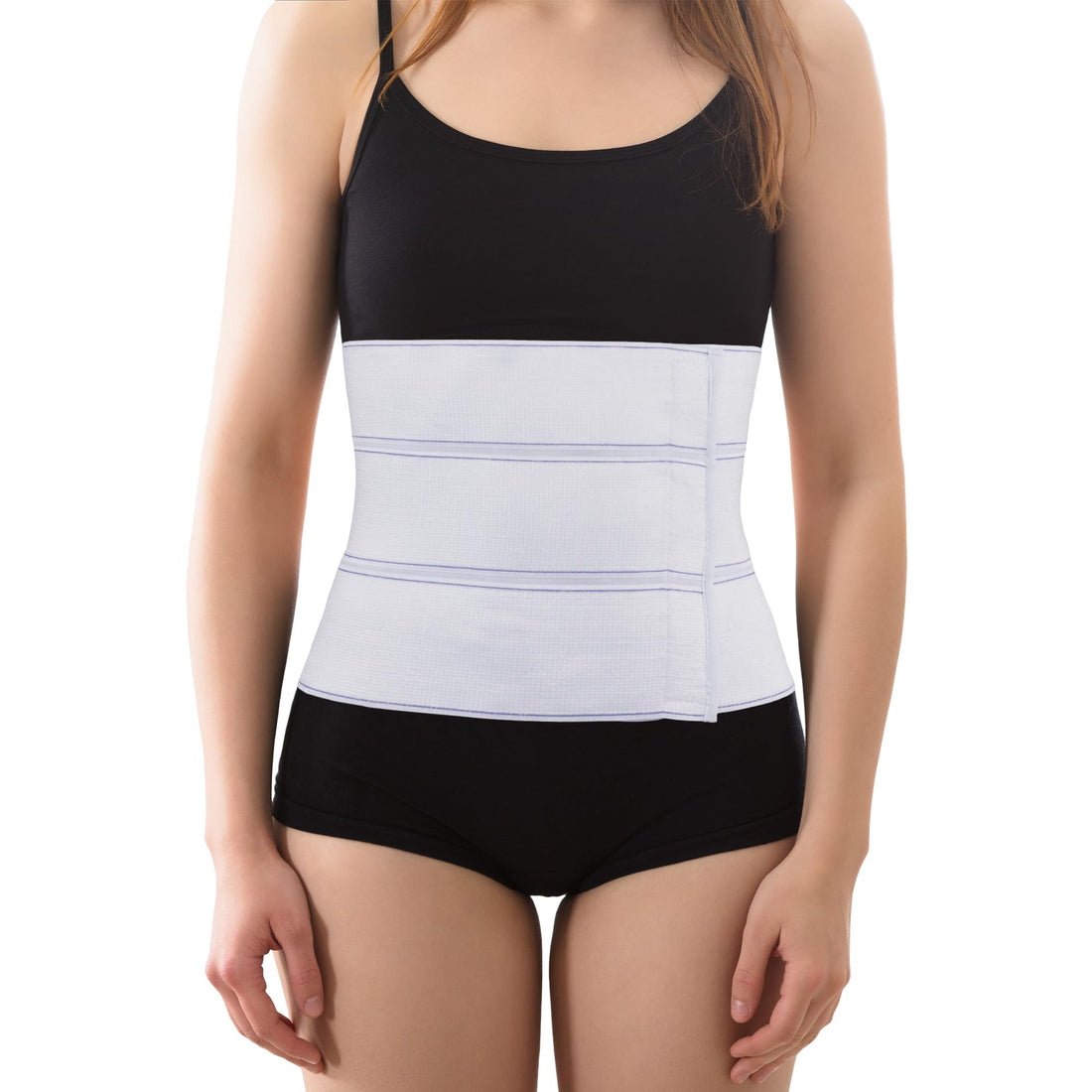
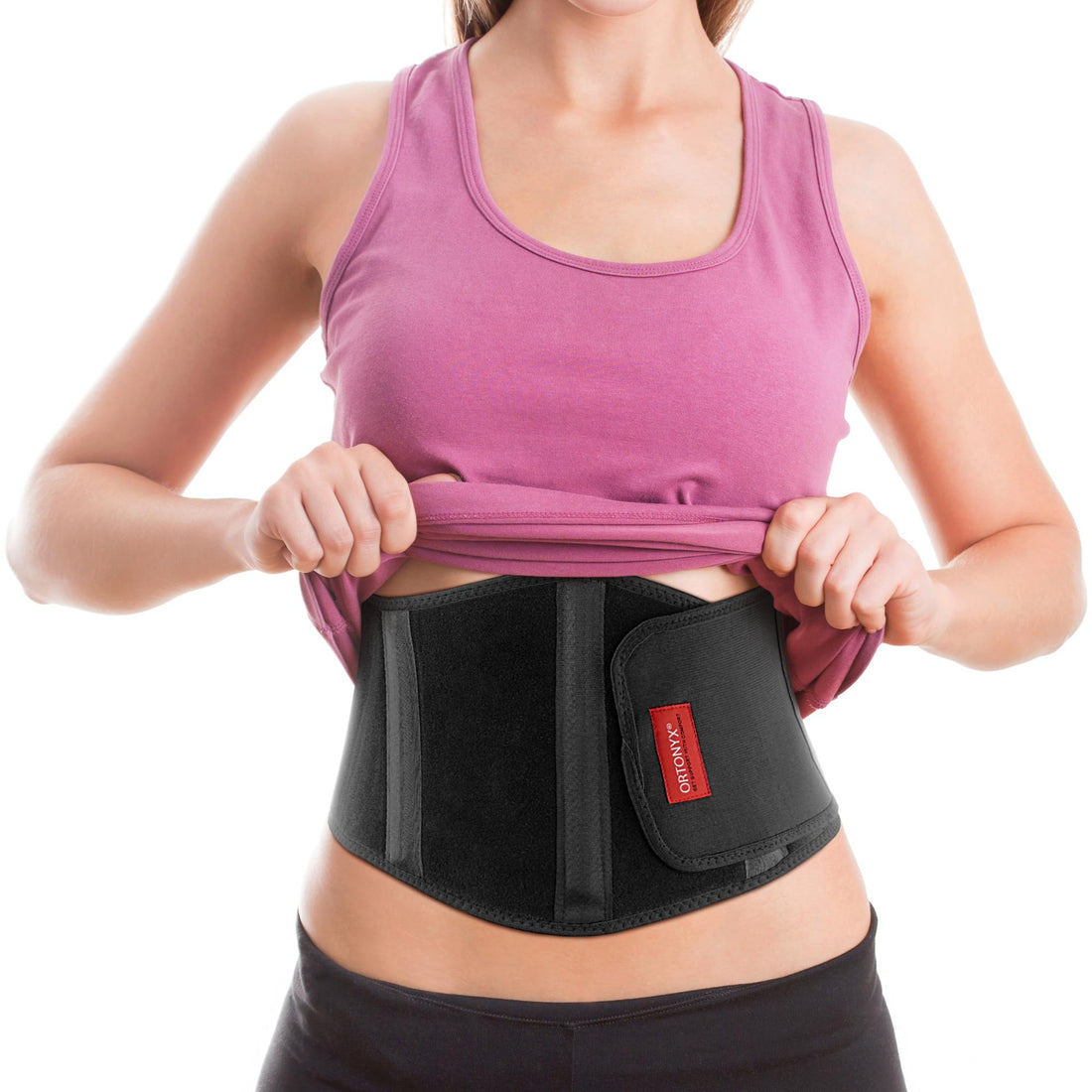
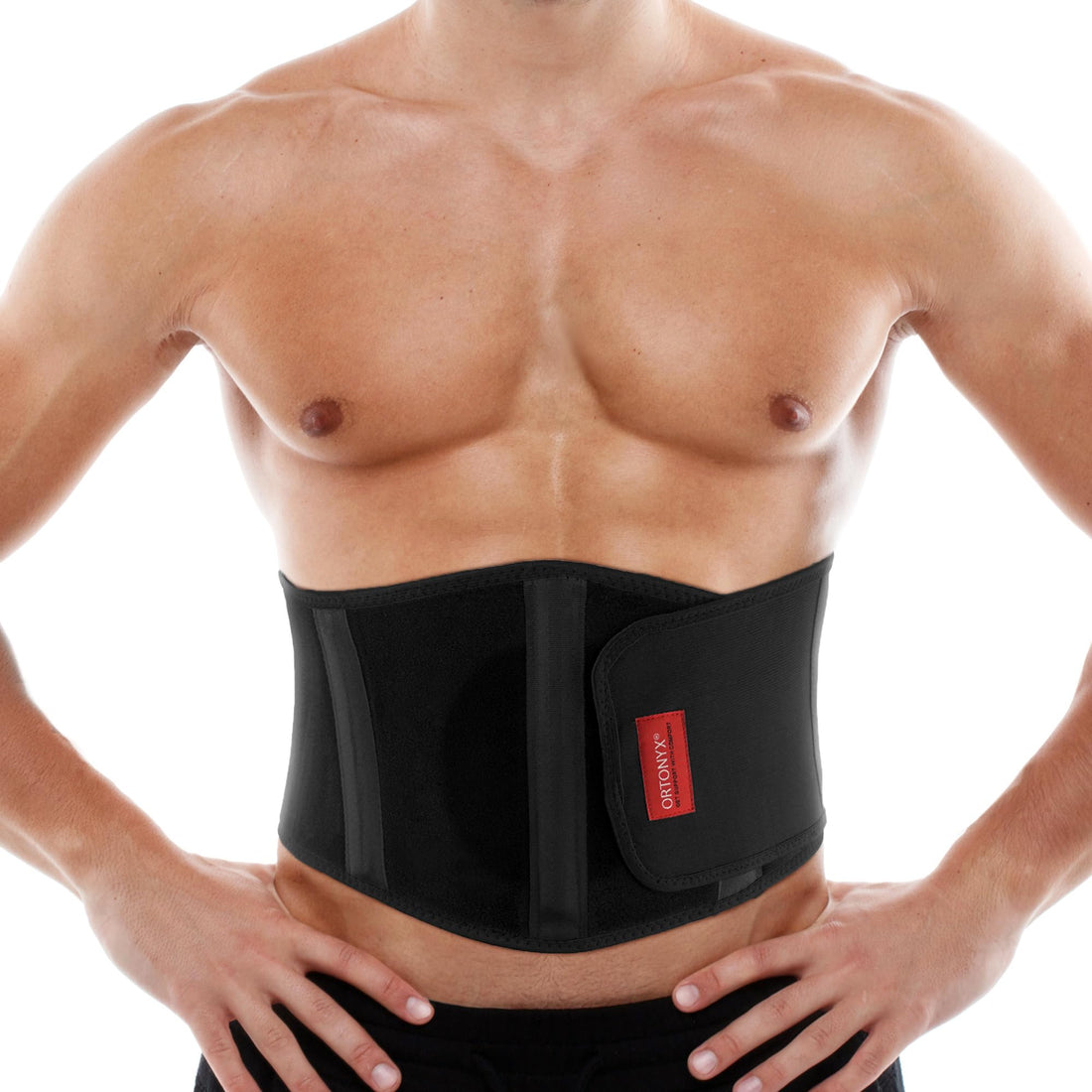
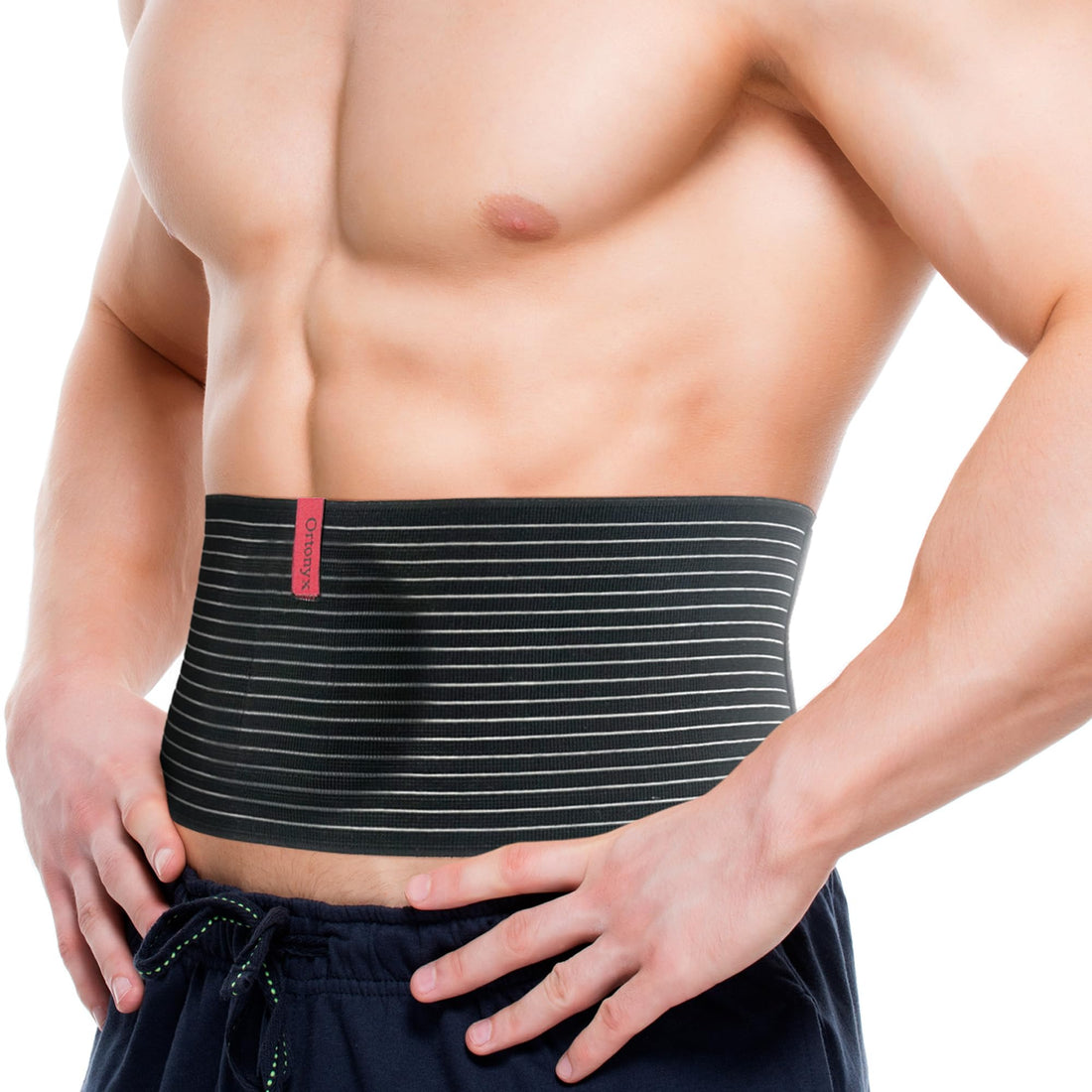
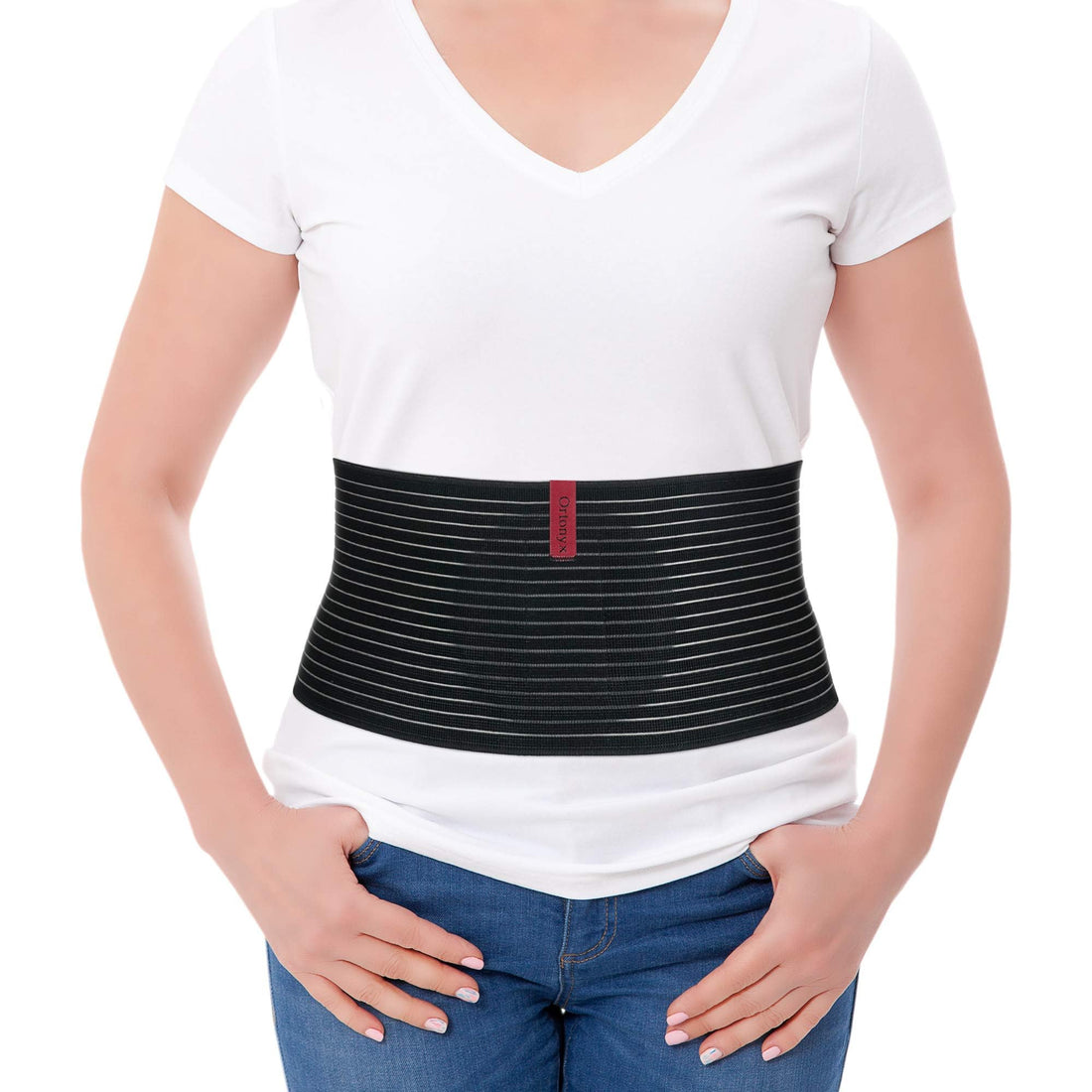
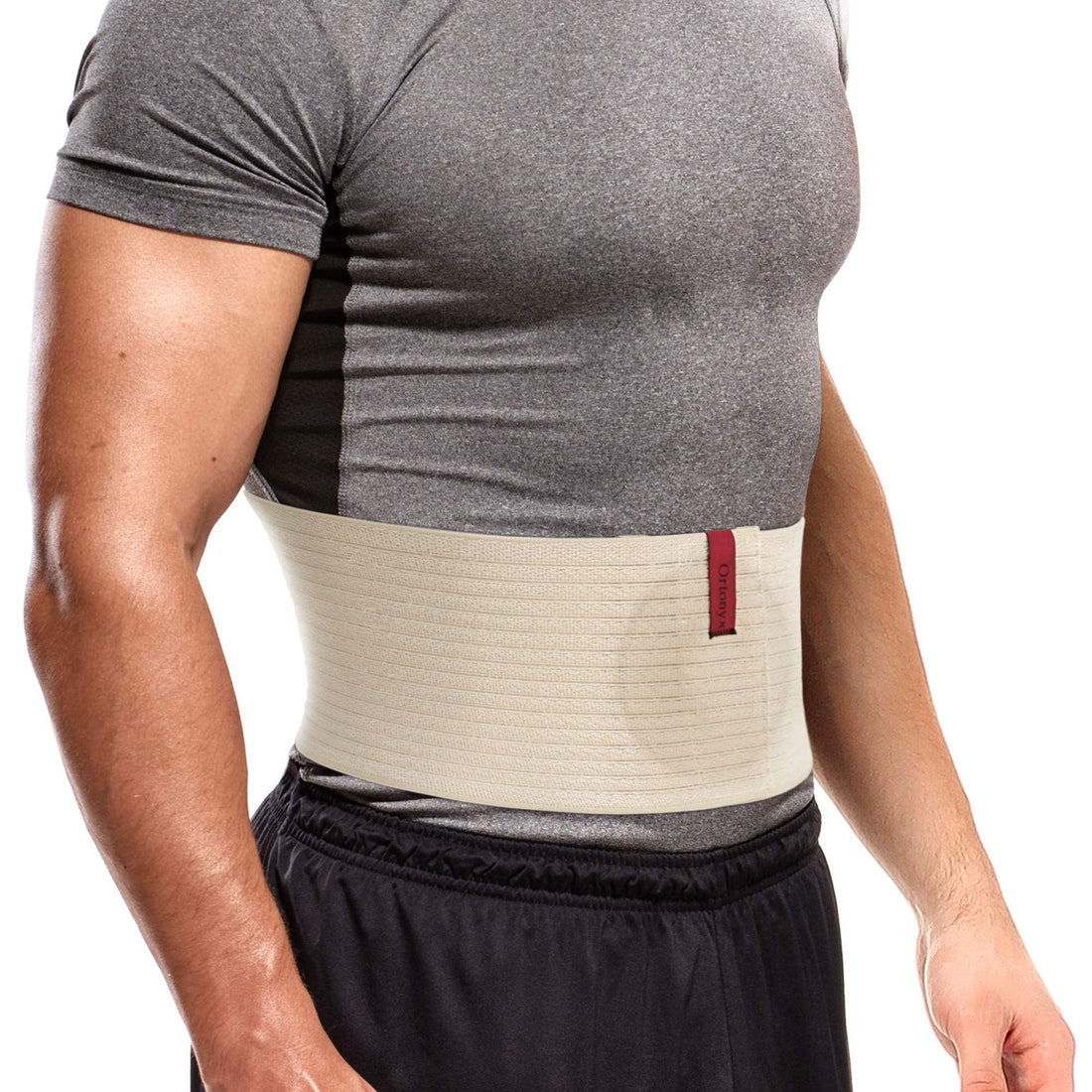
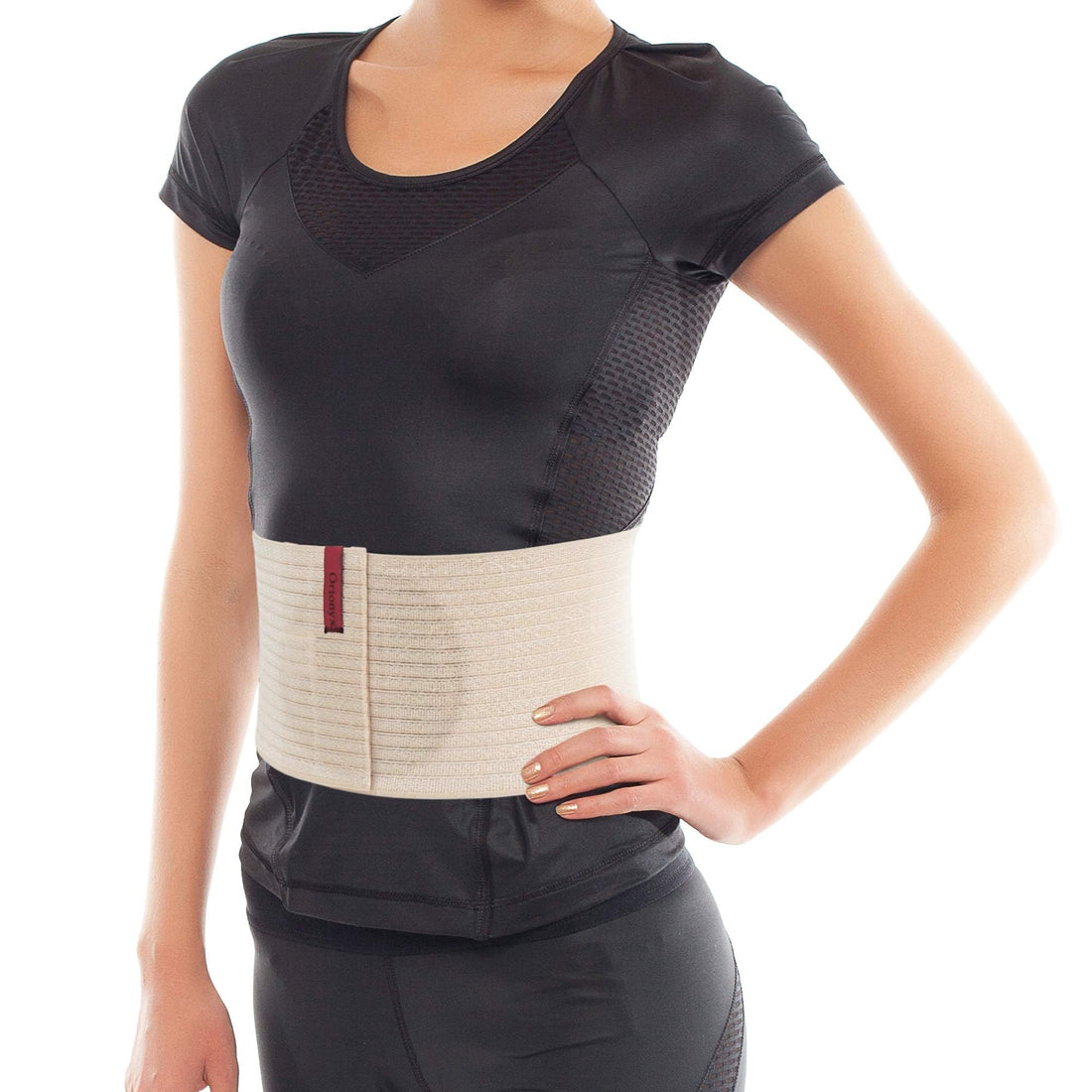
An umbilical hernia belt is a wrap with a pad meant to sit on the belly button. People use one so the bulge feels more contained during walking or desk time. That is support.
It does not:
- Repair fascia or replace mesh
- Turn a disallowed lift into an allowed one
- Substitute for the infant “taping” trick — MedlinePlus already says taping or strapping will not make an umbilical hernia go away
If the bulge is in the groin, you need a different pad — see inguinal vs umbilical hernia belts and the inguinal truss guide. A wide post-op binder is a different product again (binder vs hernia belt).
Comfort fit, only if your clinician is fine with external support:
- 1. Measure at the navel after a normal exhale. Use the hernia belt sizing guide.
- 2. Lie down, reduce the bulge only the way you were shown, then place the pad on the navel — not the groin.
- 3. Snug, not breathless. If pain rises when you tighten it, loosen it and call the clinic.
- 4. Shop umbilical and abdominal hernia belts for navel-centered pads. Related FAQs: living with an umbilical hernia.
Movement decisions to take to clinic (not a protocol)
Bring these questions to the visit. Do not fill the blanks from a blog.
- Which activities are allowed this week — walking, stairs, desk work, lifting a child, gym?
- Is the hernia reducible? What should you do if it will not go back in?
- Do they want external support during activity, or no belt at all?
- After repair, what are the lifting limits and when may exercise restart? (Repair aftercare is a different page than this one.)
Until those answers are written down, treat “I found a safe core circuit online” as unsafe.
Stop and get care
Leave the workout. Contact a provider or emergency care if:
- The bulge is painful and will not reduce when you lie down with gentle pressure
- Nausea, vomiting, or fever with a painful hernia
- The hernia becomes red, purple, dark, or discolored
- You cannot pass gas or have a bowel movement, with pain and swelling at the site (MedlinePlus strangulation signs)
Do not tighten a belt over those symptoms.
FAQ
Can I keep going to the gym? Only the activities your clinician named. MedlinePlus lists heavy lifting and overexertion among things that raise belly pressure. There is no official “keep squats, skip sit-ups” chart on those pages.
Will walking make it worse? Official pages do not give a walking prescription for an existing umbilical hernia. Prevention language includes regular exercise and avoiding constipation. Ask whether your hernia is considered stable enough for walks.
Does a belt let me lift more? No. Support is not a higher weight limit.
Is swimming or yoga safer? Not stated on the Mayo or MedlinePlus pages in this guide. If a pose or stroke makes the bulge more prominent or painful, stop.
Do adult hernias go away with core work? Mayo: adult umbilical hernias are more likely to need surgical repair. MedlinePlus: surgery is the only permanent fix. Core work is not a repair.
Bottom line
The extractable answer is not a workout list. It is: get the hernia examined; do not copy infant wait-and-see; treat heavy strain as a pressure problem; use a navel pad only as clinician-approved comfort; stop for MedlinePlus emergency signs. For product choice, start with the umbilical hernia belt collection and the buyers’ pad-and-size checklist.
This article is educational. It is not a diagnosis, a training plan, or a substitute for surgical advice.