
Looking for the best umbilical hernia belt for men? Start with fit and pad placement — not marketing claims. This buyer’s checklist helps you compare navel-centered support belts, size them correctly, and wear them more comfortably while you follow your clinician’s plan.
Safety first: A support belt does not cure, reverse, or prevent a hernia. It may help some people feel more secure during daily activity. Seek urgent care for severe pain, redness, nausea/vomiting, a bulge that will not reduce when lying down, or any sudden change your clinician told you to watch for.
Quick decision table
| Your situation | What to prioritize | Notes |
|---|---|---|
| Soft bulge near the navel, clinician OK’d external support | Navel-centered pad + adjustable waist | Confirm the pad sits on the navel, not the groin |
| Groin / inguinal symptoms | Inguinal truss / groin belt instead | See our inguinal collection |
| Larger midsection / all-day wear | Wider belt, breathable fabric, easy Velcro micro-adjust | Re-check fit after meals and at end of day |
| After surgery (if cleared) | Soft compression your surgeon approves | Follow operative instructions over any blog guide |
| Heavy lifting or high-intensity sport | Ask your clinician before relying on a belt | Belts are not a substitute for activity limits |
Shop navel-focused supports: Umbilical & abdominal hernia belts. Comparing types? Inguinal vs umbilical belts.
What an umbilical hernia belt is (and is not)
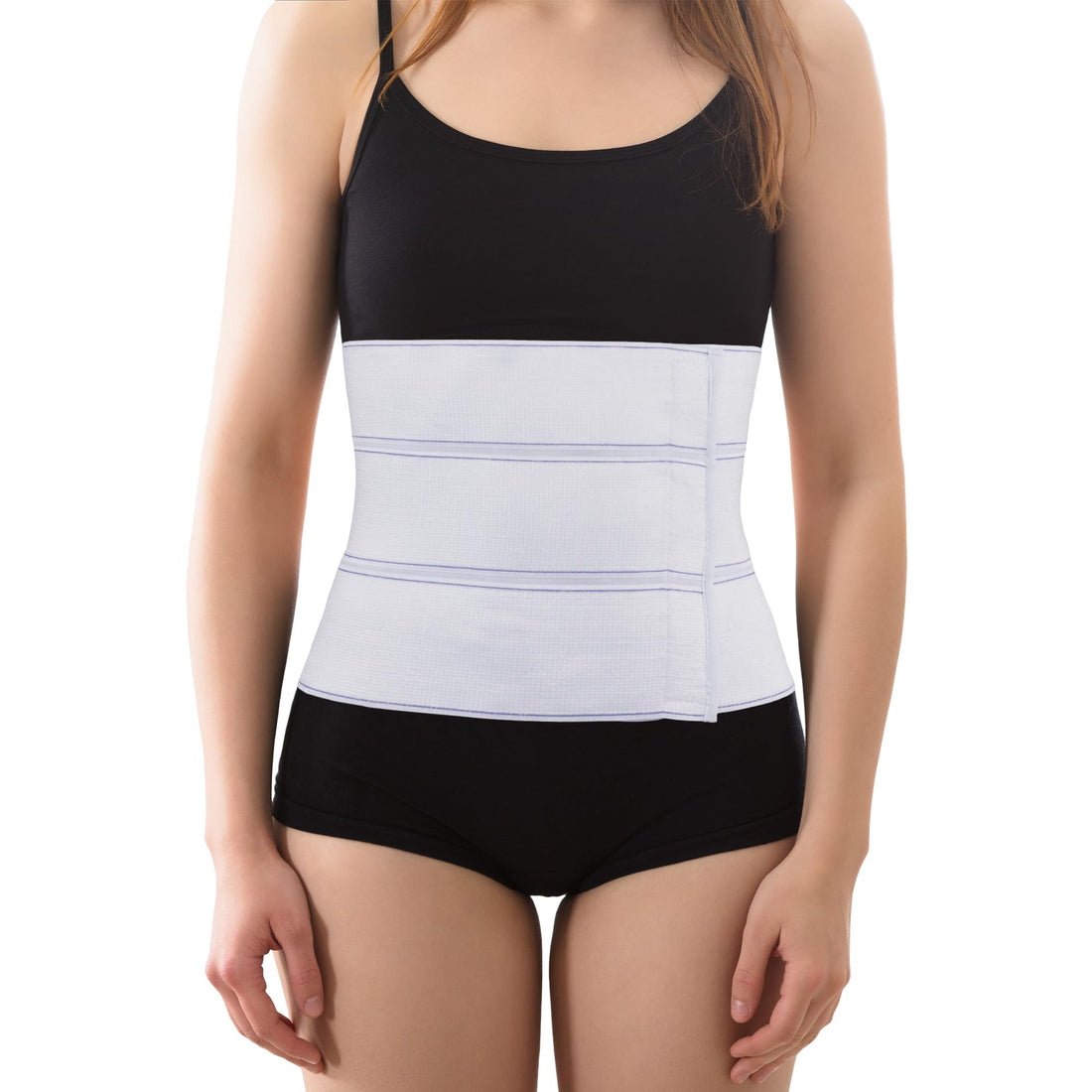
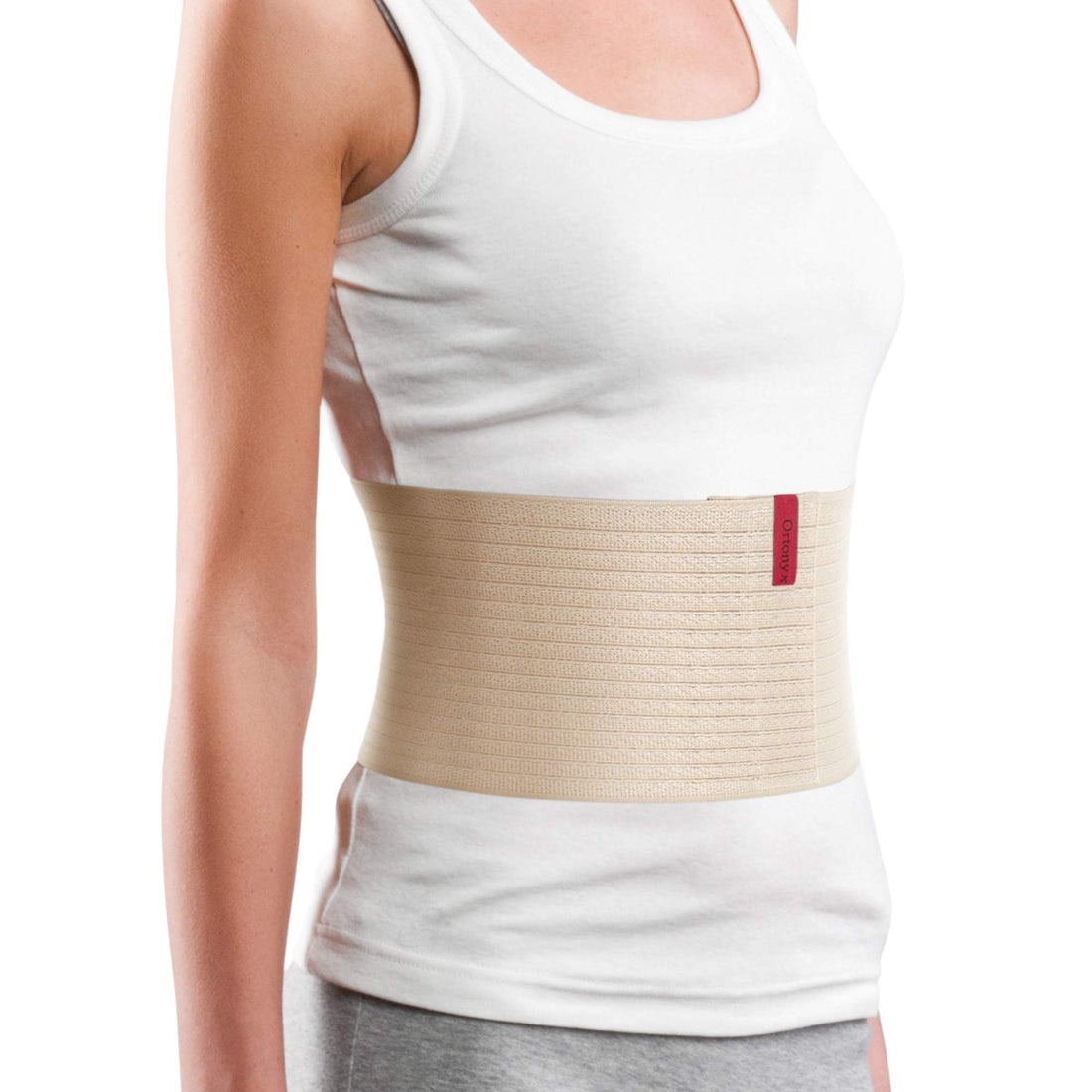
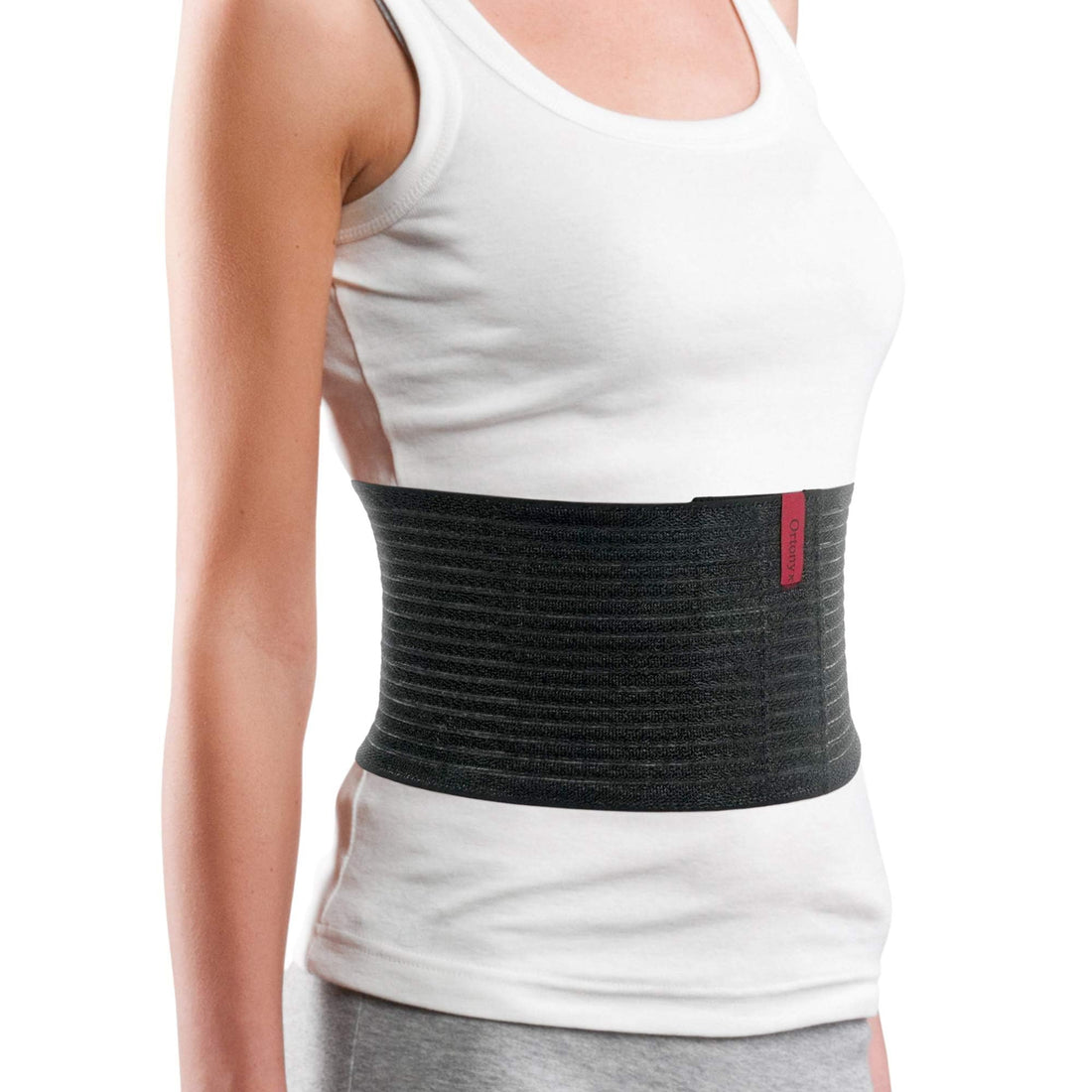
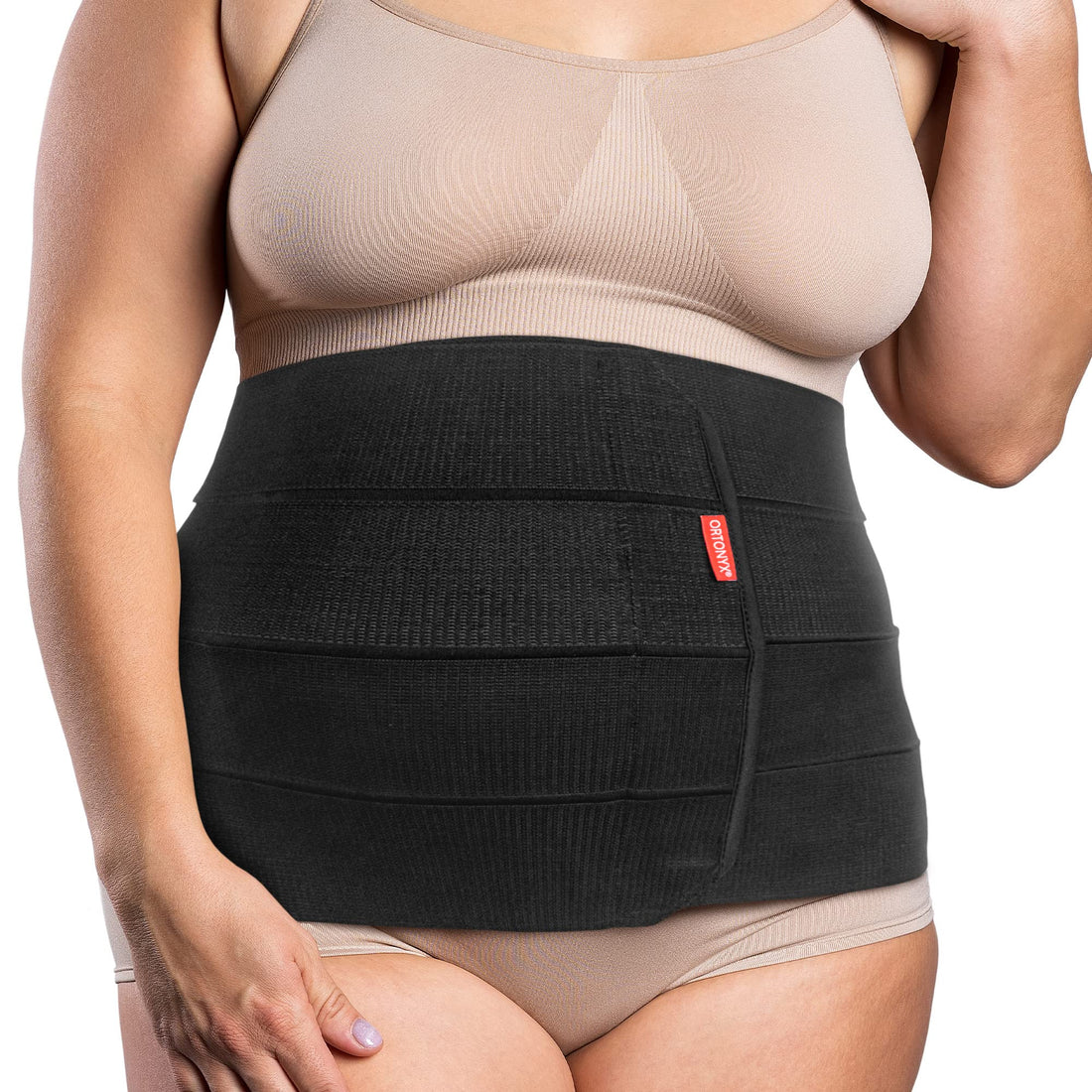
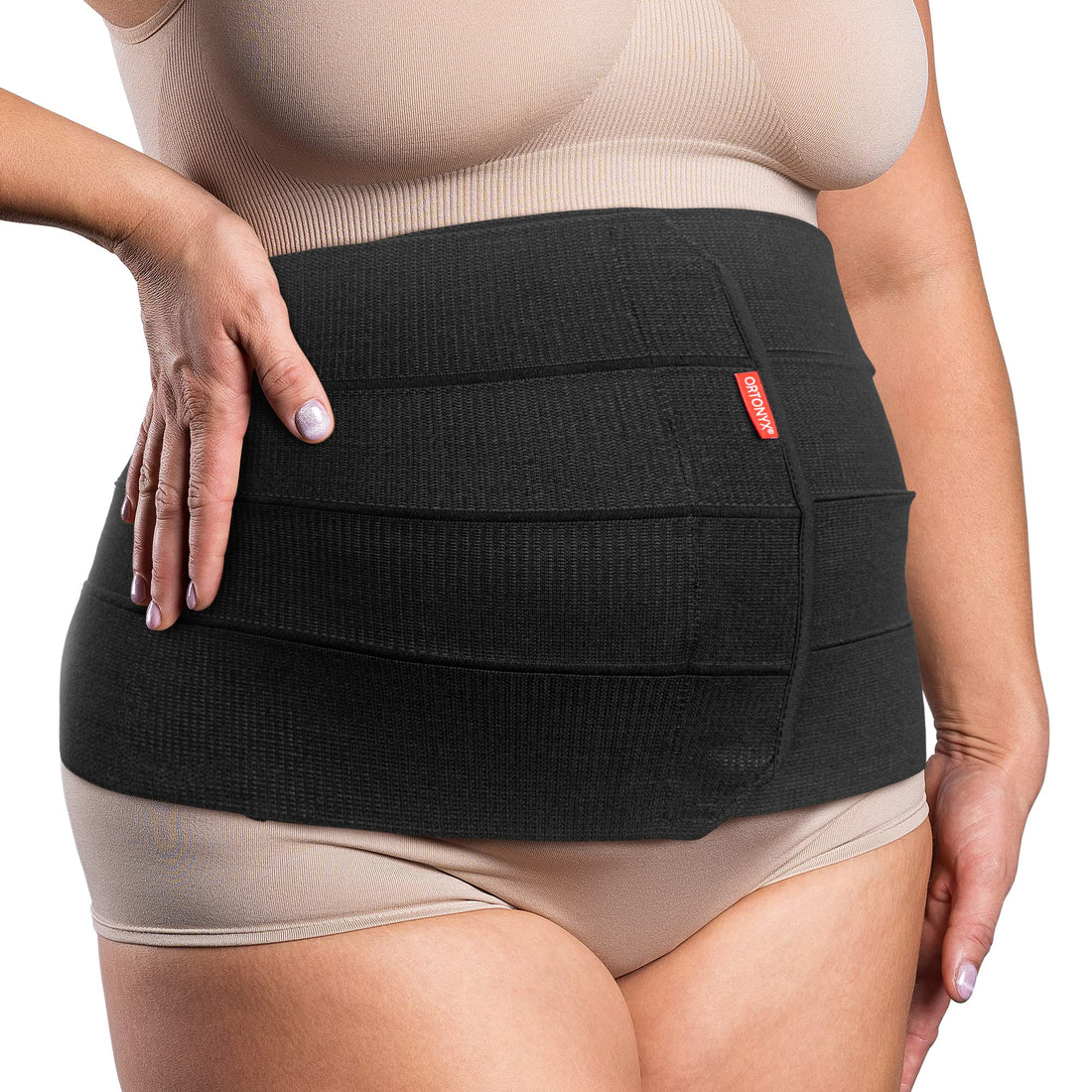
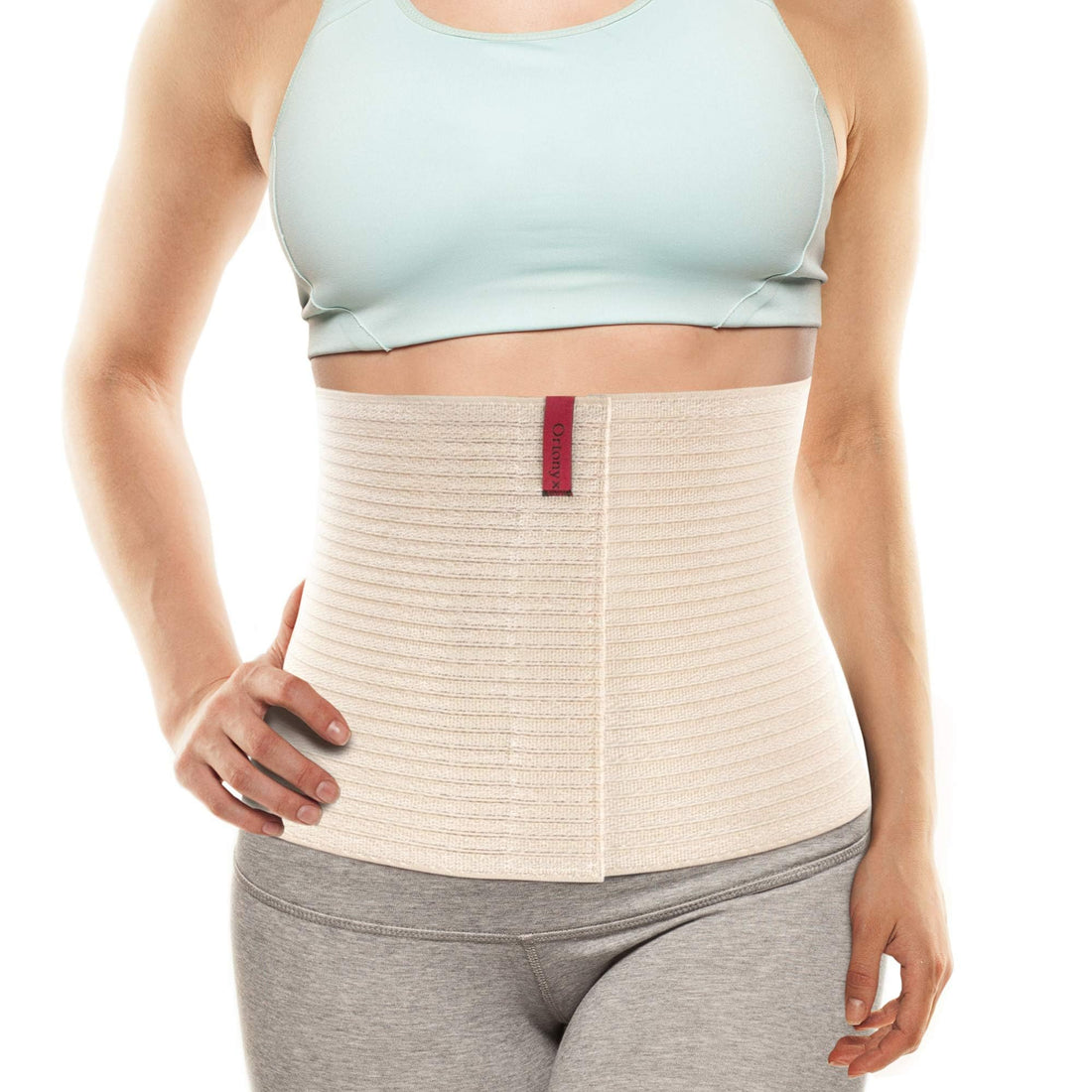
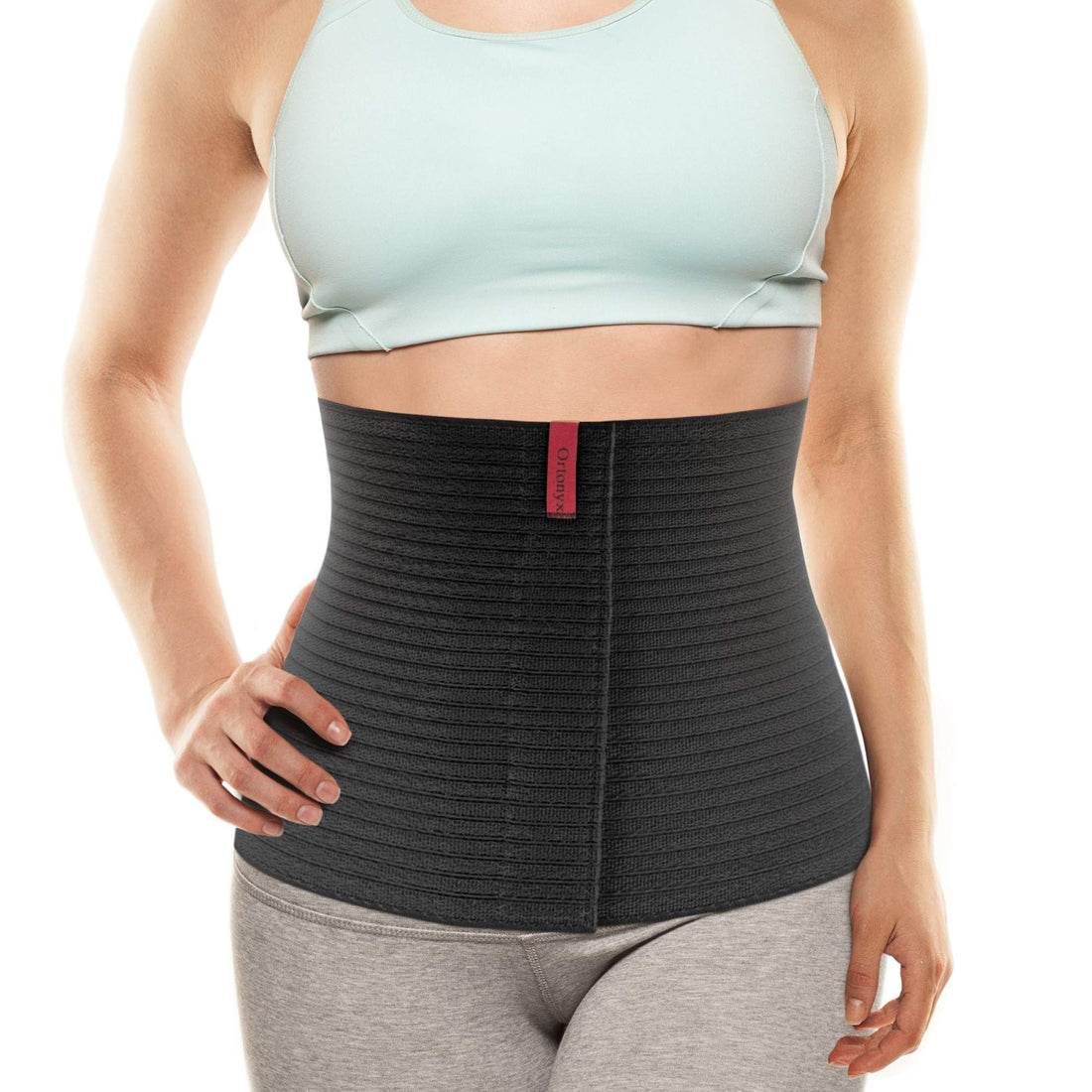
An umbilical hernia belt (sometimes called a navel hernia binder) is an abdominal support with a firmer pad or panel meant to sit over the belly button area. Many men use one for comfort during walking, desk work, or light activity while awaiting evaluation or recovery — only when a clinician says external support is appropriate.
- It may help with: a more secure feeling over the navel area, gentle containment under clothing, and a reminder to avoid sudden strain.
- It does not: replace medical diagnosis, push a hernia “back in” as treatment, speed permanent healing, or guarantee the hernia will not change.
Men’s fit factors that actually matter
- Waist range: Measure at the navel. Choose a size chart that covers your true circumference — do not size down for “more compression.”
- Pad location: The firm zone should center on the umbilicus. If the pad rides into the groin, you may need an inguinal design instead.
- Width: Too-narrow belts roll; many men prefer a stable mid-abdomen panel roughly in the 6–8 inch class (check the product specs).
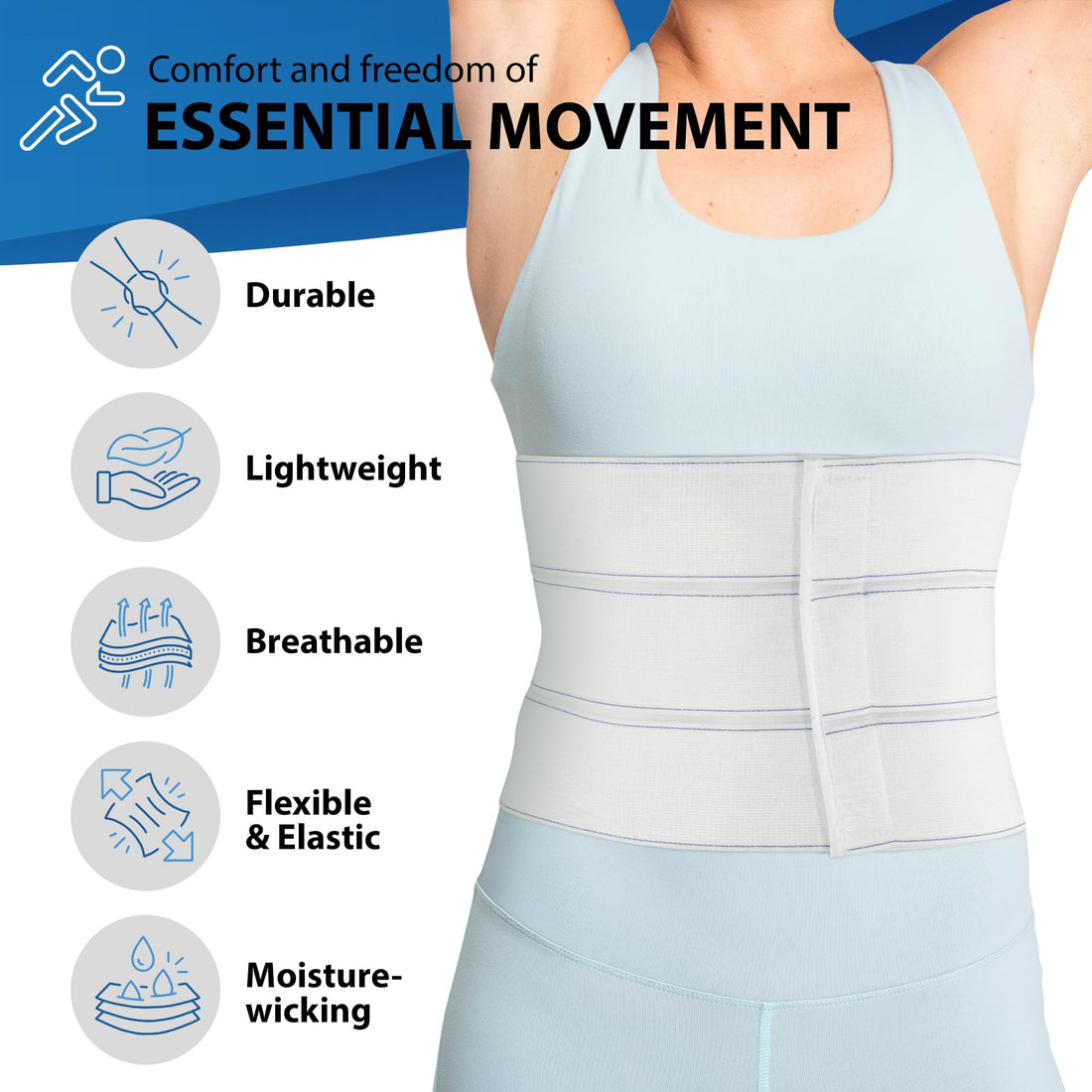
- Breathability: Hours-long wear needs mesh or moisture-friendly fabric under shirts.
- Discreet profile: Low bulk under work clothes improves real-world compliance.
- Adjustability: Wide hook-and-loop lets you ease tension after meals without removing the belt.
Feature checklist before you buy
- Anatomical or centered pad — firm enough to stay put, not knife-edge hard.
- Removable pad (when offered) — easier washing and position tweaks.
- Wide adjustable closure — micro-adjust through the day.
- Clear left/right/center guidance — umbilical supports are usually centered; dual-pad inguinal belts are a different product family.
- Honest product photos — show pad shape and how the belt sits on a torso.
ORTONYX options to compare
Use product pages for current sizing and in-stock status. Match the pad style to a navel-centered need:
- Umbilical and abdominal hernia belt collection — start here for navel/abdominal supports.
- Prefer groin/inguinal coverage? Switch to the inguinal hernia belts & trusses collection rather than forcing an umbilical belt downward.
How to measure
- Stand relaxed. Wrap a soft tape around your abdomen at navel height.
- Note the measurement without sucking in.
- Compare to the product size chart. If you are between sizes, read the chart notes — many men do better with the size that still closes fully without maxing the Velcro.
- Re-measure if weight or postoperative swelling is changing week to week.
How to put it on
- Lie down if your clinician taught you a reduction/positioning routine; otherwise follow the product instructions.
- Place the pad squarely over the navel area.
- Wrap and close firmly enough to feel secure — not so tight that you get numbness, sharp pain, or trouble breathing.
- Stand and take a short walk. Recheck that the pad did not migrate toward the groin or hip.
- Under clothing, smooth folds so the belt does not roll.
Daily wear tips
- Build wear time gradually if you are new to belts.
- Loosen for long meals or if bloating increases pressure.
- Wash per label; inspect hook-and-loop and pad cover for wear.
- Stop use and contact a clinician if pain worsens or skin breaks down.
Common mistakes
- Buying an inguinal truss for a clear umbilical bulge (or the reverse).
- Overtightening until it hurts — more tension is not better care.
- Using a belt to push through heavy lifting against medical advice.
- Ignoring red-flag symptoms because the belt “feels fine.”
When to talk to a doctor
External supports are comfort tools, not triage. Contact a clinician promptly for escalating pain, vomiting, fever, skin color change over the bulge, or a firm bulge that will not reduce when recumbent. Emergency services are appropriate when you were told to treat those signs as urgent.
FAQ
Can I exercise in an umbilical hernia belt?
Only within limits your clinician set. A belt is not permission to load the core aggressively.
How many hours per day?
There is no universal schedule. Many people wear support during upright activity and remove it for sleep unless directed otherwise. Skin checks matter.
Will a belt make the hernia go away?
No. Surgery or other clinician-directed care is what addresses the defect itself. Belts are supportive, not curative.
Can I wear one after surgery?
Only if your surgeon approves the type and timing. Postoperative plans override generic guides.
Hernia belt vs generic abdominal binder?
Umbilical belts usually add a navel-centered pad/panel. Generic binders spread compression more evenly and may not target the umbilicus as well.
Bottom line
The “best” umbilical hernia belt for men is the one that matches navel-centered pad placement, your true waist measurement, and breathable all-day comfort — used only as supportive care alongside professional medical guidance. Use the checklist above, then compare live product specs in the umbilical collection.
Educational content from ORTONYX. Not a diagnosis or treatment plan. Product availability and specs can change — verify on the product page before purchase.