An inguinal hernia occurs when soft tissue β usually part of the intestine or abdominal lining β pushes through a weak spot in the lower abdominal wall near the groin. It's one of the most common types of hernia, affecting millions of people every year. While surgery is often the definitive treatment, many people turn to an inguinal hernia truss or hernia belt as a non-surgical way to manage symptoms and stay active.
Whether you're waiting for a surgical consultation, recovering from a procedure, or looking for everyday support, this guide covers everything you need to know about choosing and using a hernia truss for men and a hernia belt for women.
What Is an Inguinal Hernia?
The inguinal canal is a natural passage in the lower abdominal wall. In men, it's the pathway through which the spermatic cord passes; in women, it contains the round ligament that supports the uterus. When muscles or connective tissue around this canal weaken, internal tissue can bulge outward β creating an inguinal hernia.
Common Symptoms
- A visible bulge on one or both sides of the groin that may become more noticeable when standing, coughing, or straining
- A dull ache or burning sensation at the bulge site
- Pain or discomfort in the groin, especially when bending, lifting, or coughing
- A heavy or dragging feeling in the groin area
- Occasional pain or swelling around the testicles (in men)
Who Gets Inguinal Hernias?
Inguinal hernias are significantly more common in men β roughly 27% of men will develop one during their lifetime compared to about 3% of women. However, hernia belts for women are equally important for those affected, as femoral hernias (a related type near the inguinal canal) carry a higher risk of complications in women.
Risk factors include age, chronic coughing, heavy lifting, obesity, pregnancy, prior abdominal surgery, and a family history of hernias.
What Is a Hernia Truss? How Does It Work?
A hernia truss is a supportive garment designed to hold a reducible hernia in place by applying gentle, targeted pressure over the inguinal canal. The terms "hernia truss" and "hernia belt" are often used interchangeably, though a truss traditionally refers to a device with a firm compression pad, while a belt may offer broader support around the lower abdomen and groin.
How a Hernia Truss Provides Relief
The core function of an inguinal hernia truss is straightforward: a compression pad sits directly over the hernia site and applies consistent inward pressure. This prevents the herniated tissue from protruding through the weakened muscle wall during daily activities. The belt or strap system holds the pad securely in position so it stays in place whether you're walking, sitting, or bending.
It's important to understand that a hernia truss does not cure or repair a hernia. It manages the condition by:
- Keeping the hernia reduced (pushed back in) during physical activity
- Reducing pain and discomfort caused by the bulge
- Allowing you to continue working, exercising, and performing daily tasks
- Providing support during the period between diagnosis and surgery
Hernia Truss for Men: What to Look For
Since inguinal hernias are far more common in men, a well-designed hernia truss for men should account for male anatomy and the typical demands men place on their bodies. Here are the key features to evaluate:
Compression Pad Placement and Adjustability
The most critical feature of any hernia truss is the compression pad. Look for a design with a removable, repositionable pad that can be placed precisely over your hernia site. Every hernia is slightly different in location, and a pad that can be shifted left, right, or centered makes a significant difference in comfort and effectiveness.
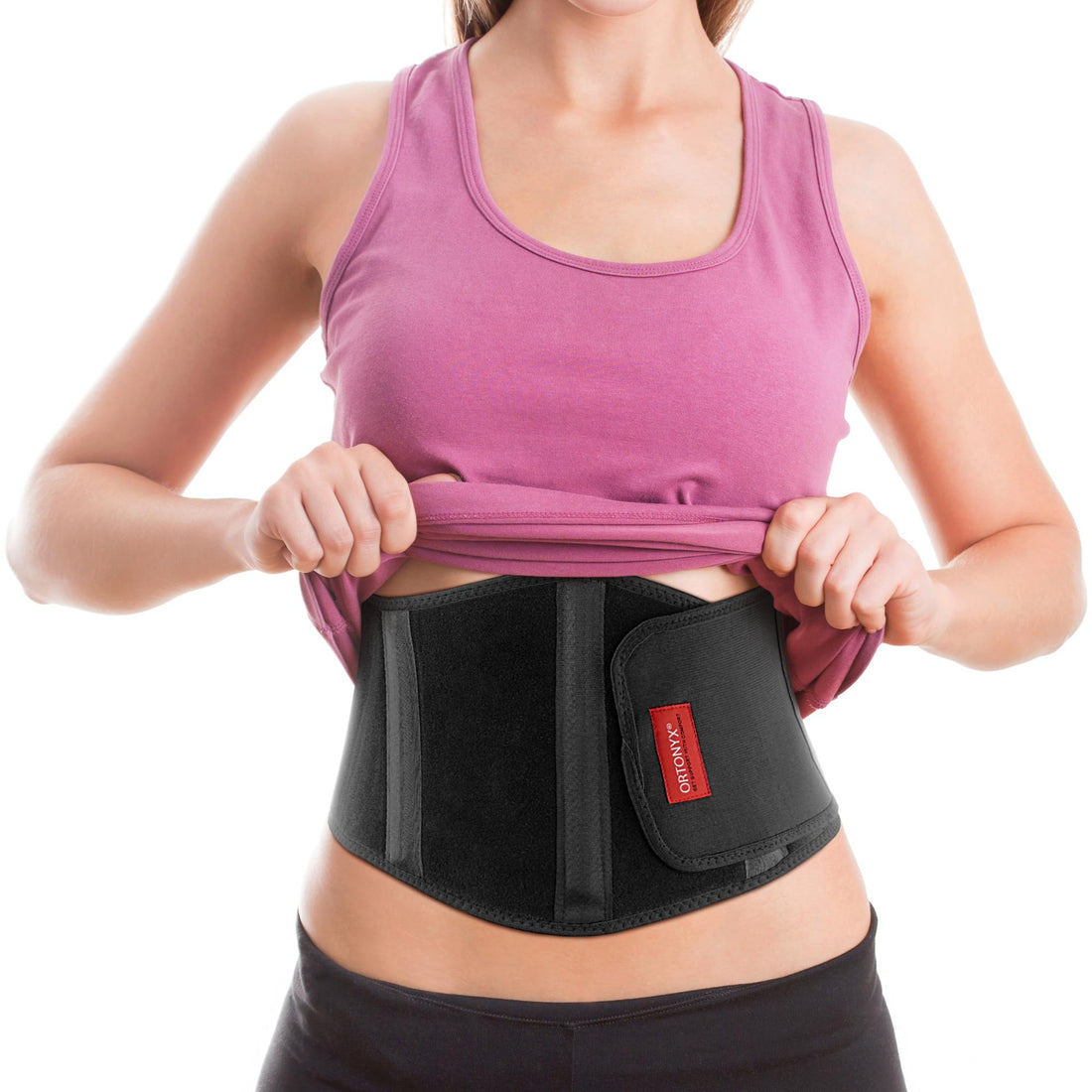
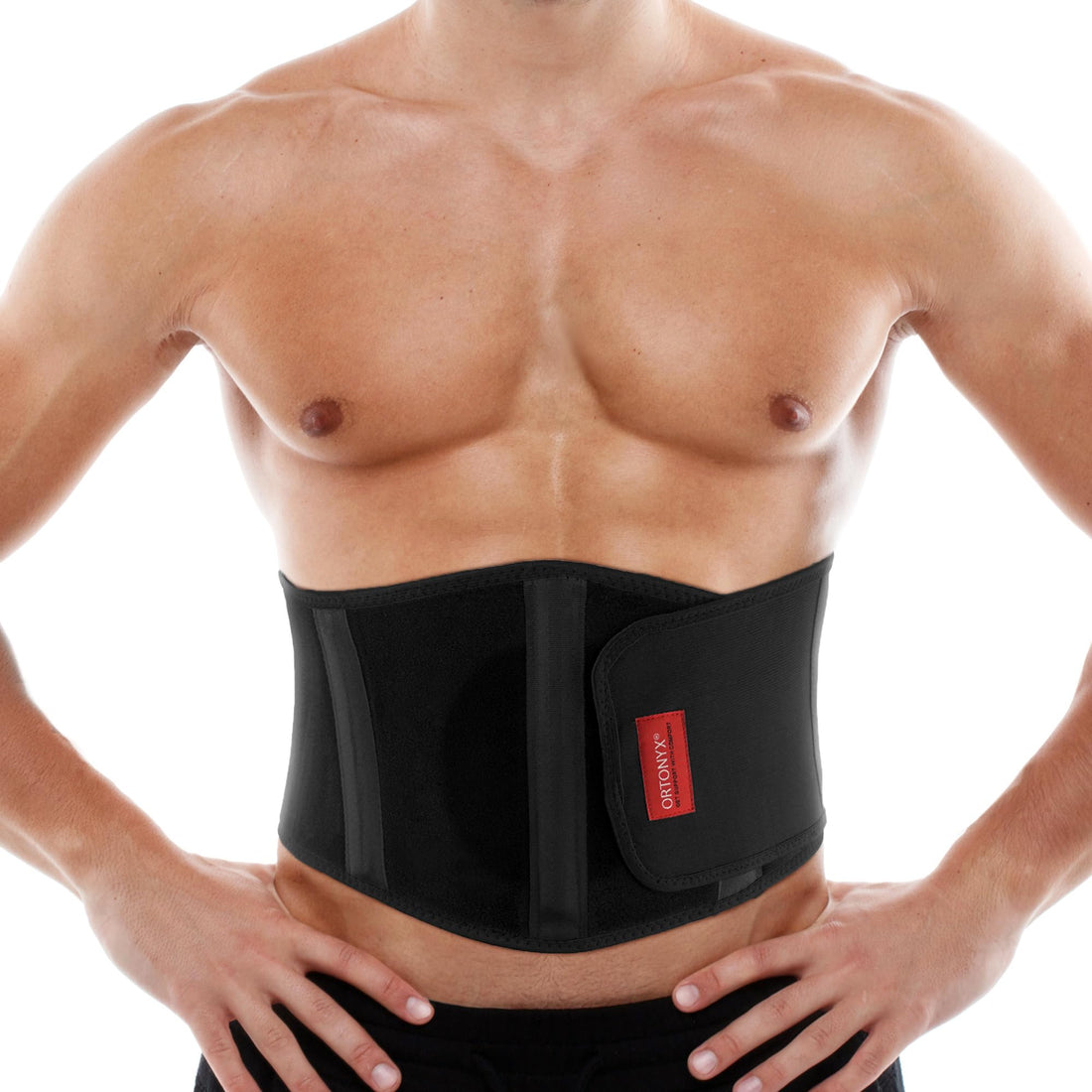
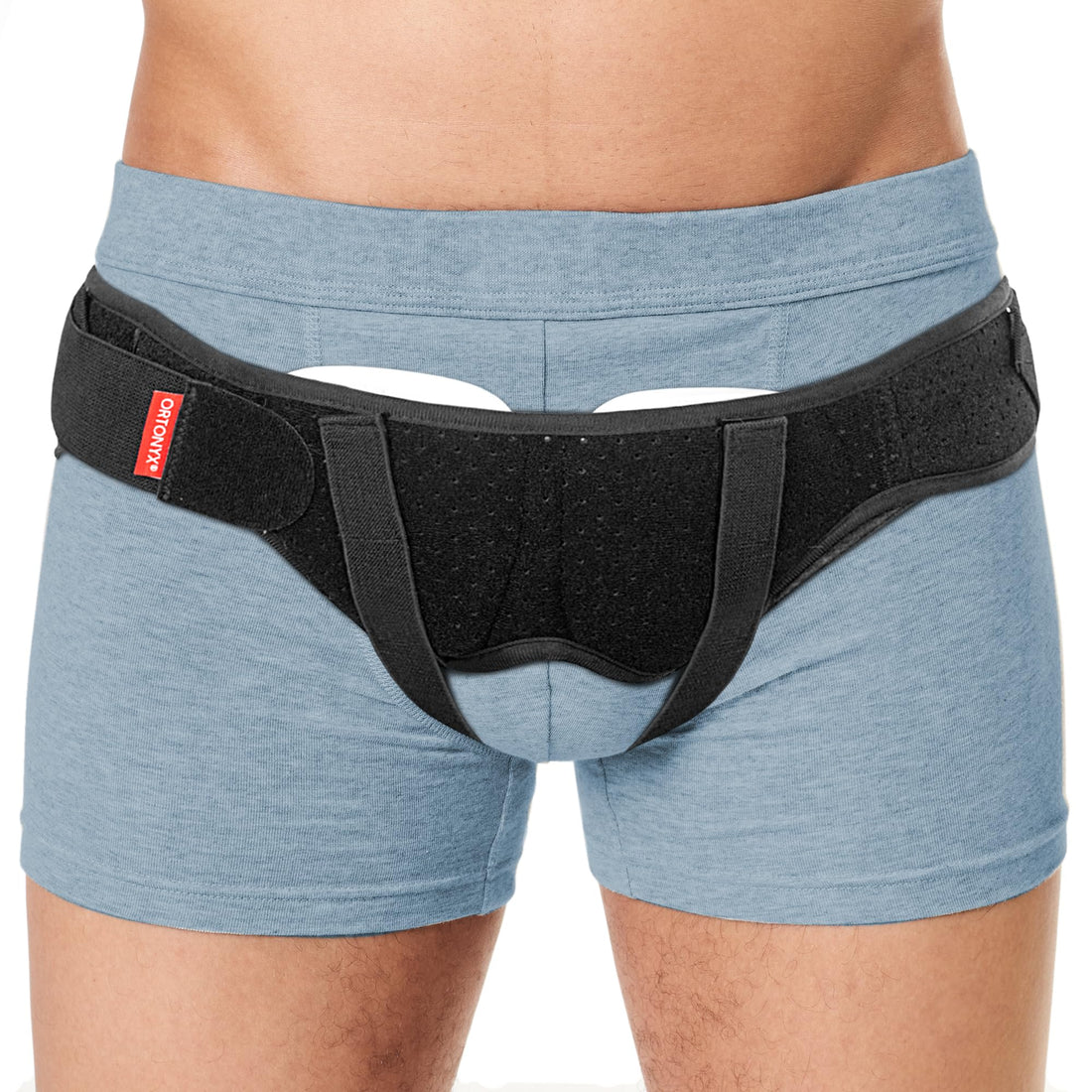
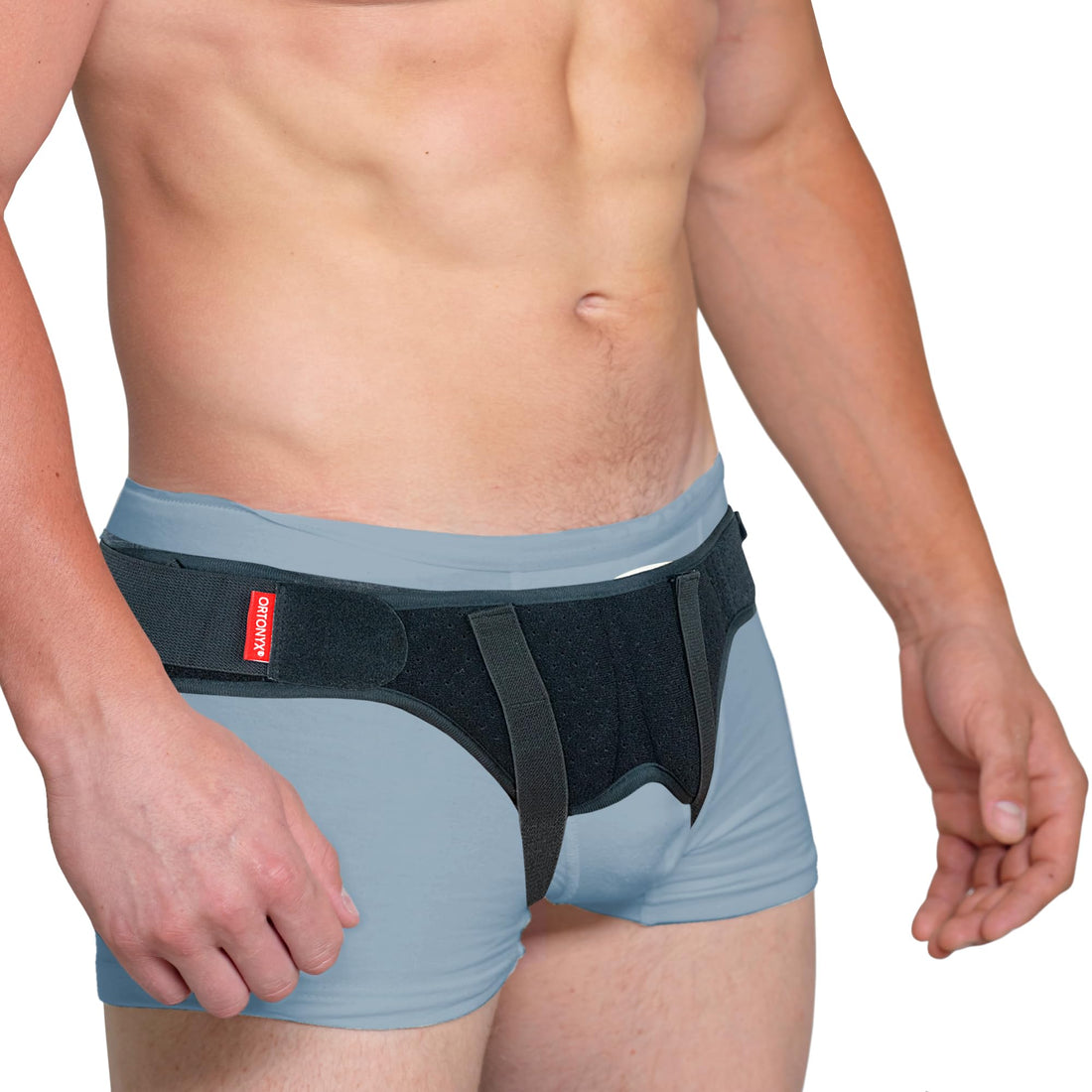
The ORTONYX Inguinal Hernia Belt with Removable Compression Pad is designed with this flexibility in mind β its compression pad can be positioned to match the exact location of your hernia for a personalized fit.
Single vs. Double Hernia Support
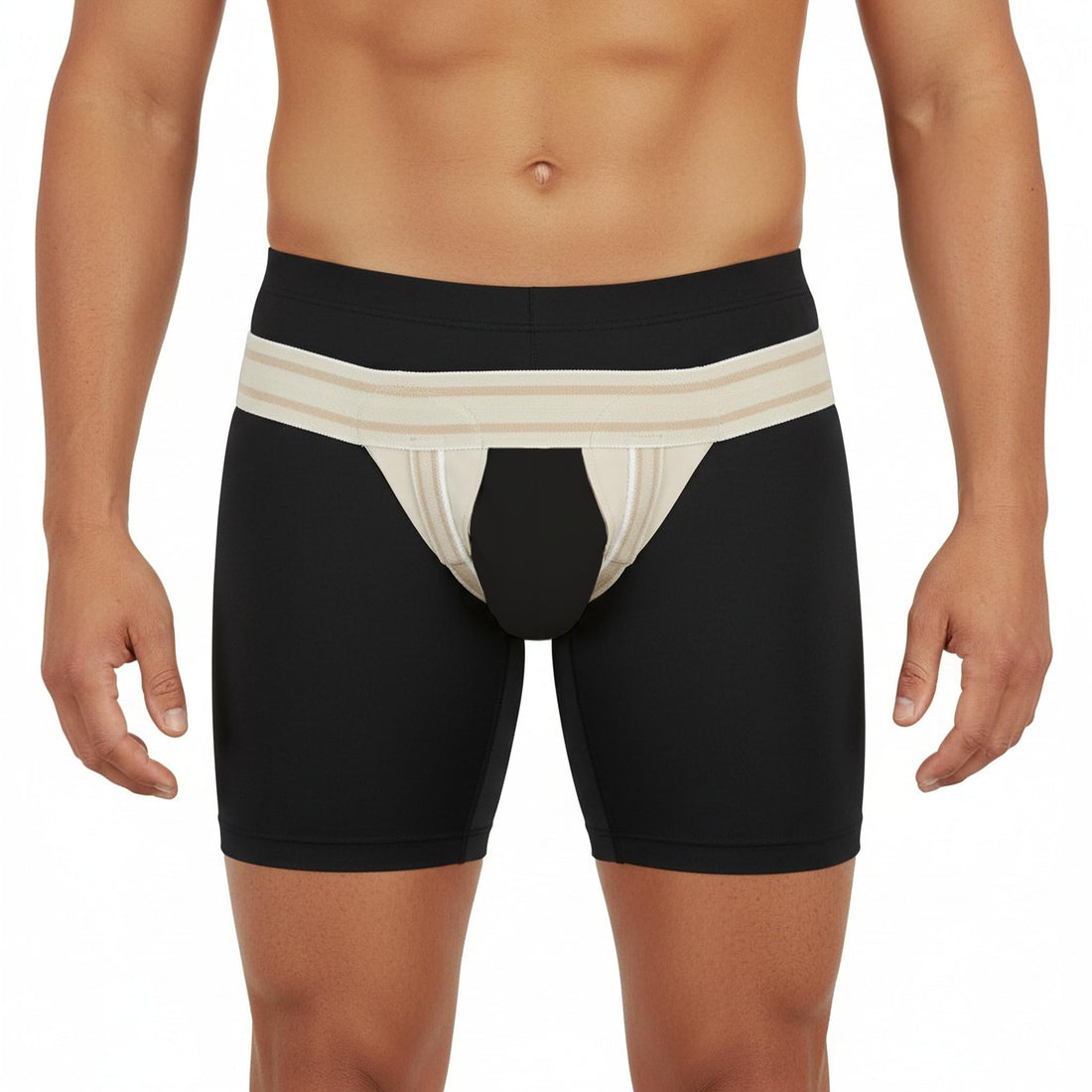
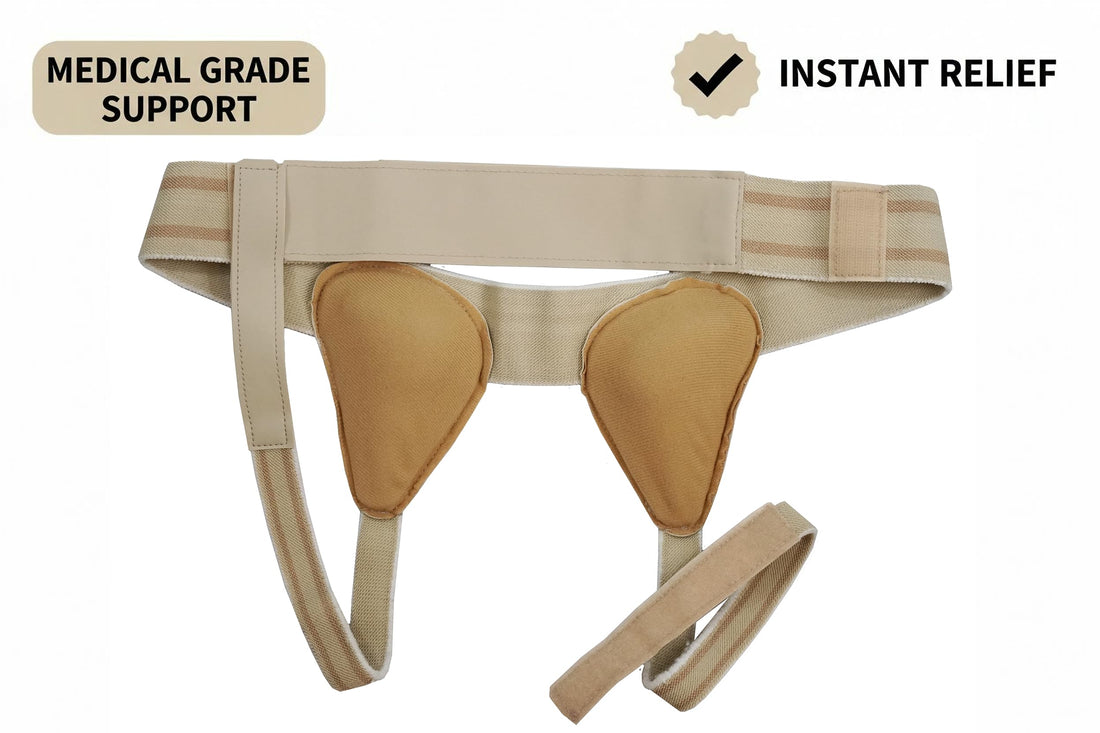
Inguinal hernias can occur on one side (unilateral) or both sides (bilateral). If you have a hernia on just one side, a single-pad truss may be sufficient. If you have hernias on both sides β or a sports hernia that affects the broader groin area β you'll need a truss designed for double support.
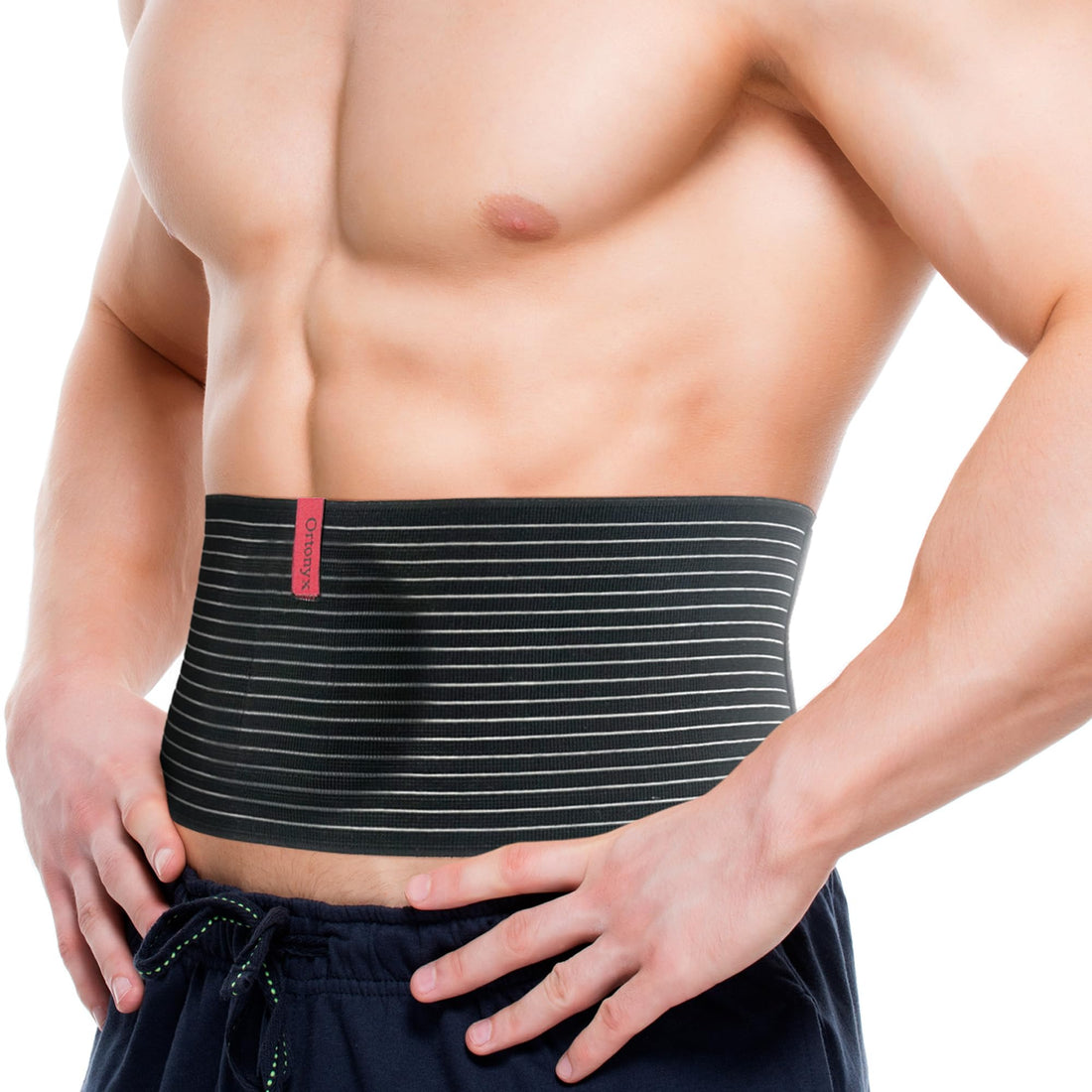
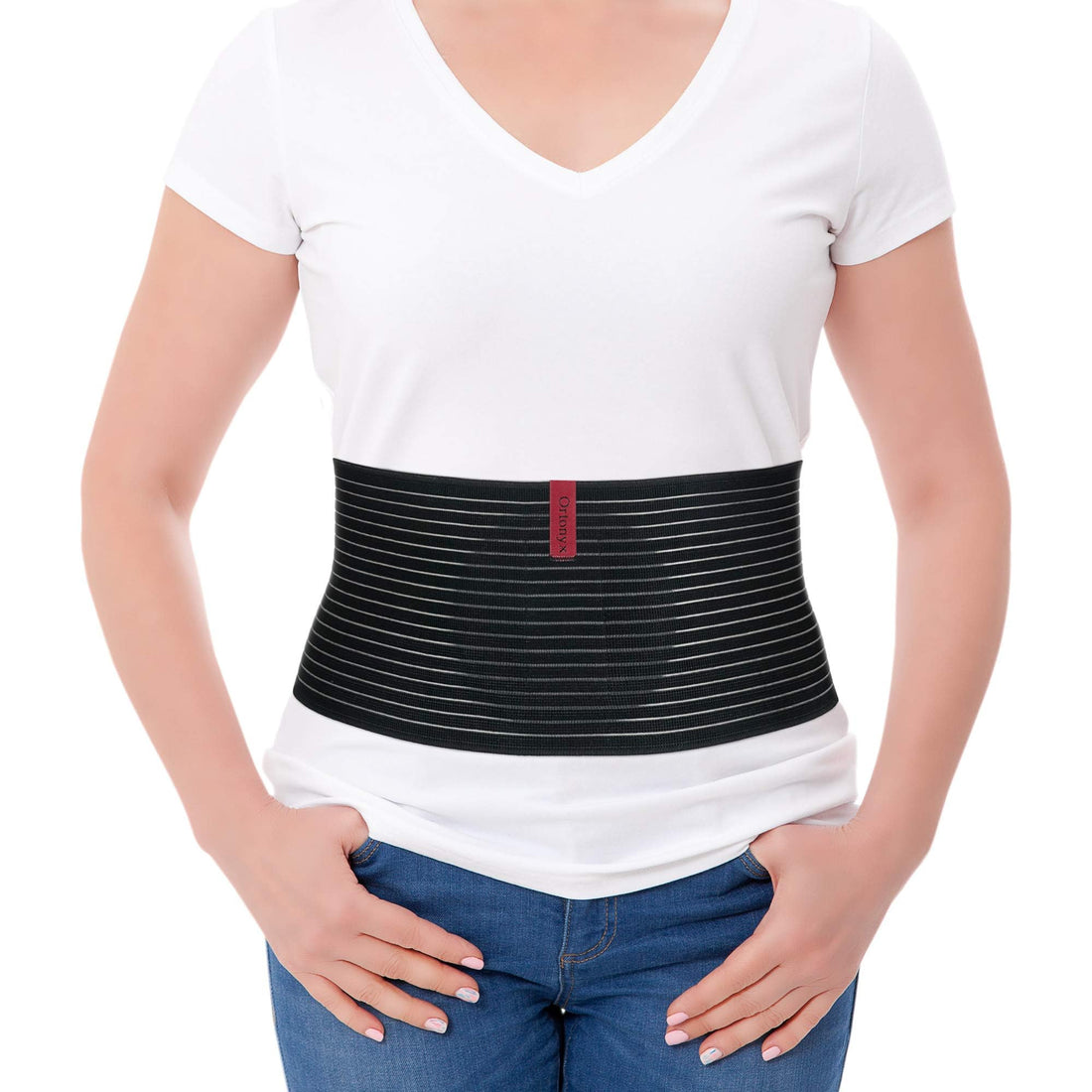
The ORTONYX Hernia Belt Truss for Single/Double Inguinal or Sports Hernia accommodates both configurations, making it a versatile option whether your condition is unilateral or bilateral.
Comfort for All-Day Wear
Men who work physical jobs or stay active throughout the day need a hernia truss for men that won't chafe, shift, or overheat. Look for:
- Breathable, moisture-wicking materials
- A low-profile design that fits discreetly under clothing
- Adjustable straps that accommodate different body shapes
- Soft edges that won't dig into the skin during prolonged wear
Hernia Belt for Women: Special Considerations
While less common, inguinal and femoral hernias in women require the same level of support. A hernia belt for women should be designed to fit the female body comfortably β accounting for differences in hip shape, waist-to-hip ratio, and the location where hernias typically present.
Why Women Need Properly Fitted Support
Women's inguinal hernias are sometimes misdiagnosed or overlooked because they're less expected. When a hernia is confirmed, a properly fitted truss or belt becomes essential for managing symptoms while a treatment plan is developed. Women may also experience hernias related to pregnancy or post-surgical weakness, making supportive garments particularly valuable during recovery.
The ORTONYX Inguinal Groin Hernia Truss Support Belt is designed to work for both men and women, with adjustable sizing and strap configurations that accommodate a range of body types.
Choosing the Right Size
Fit is arguably the most important factor for any hernia belt for women. A belt that's too loose won't apply enough compression; one that's too tight can cause discomfort or restrict circulation. Always measure your hip circumference at the widest point and refer to the manufacturer's sizing chart before ordering.
Types of Inguinal Hernia Trusses
Not all hernia support garments are identical. Understanding the different types can help you choose the right one for your situation.
Pad-Style Hernia Truss
This is the most common design for an inguinal hernia truss. It features one or two firm compression pads attached to an elastic belt that wraps around the hips. The pads apply direct pressure to the hernia site. This style works well for clearly defined, reducible inguinal hernias.
Brief-Style Hernia Support
Brief or underwear-style supports look like compression shorts with built-in padding over the groin area. They offer broader coverage and can feel more natural to wear throughout the day. They may be a good choice for people with mild hernias or those who want a more discreet solution.
Hernia Belt with Leg Straps
Some hernia trusses include leg straps that loop under the thigh to keep the belt and pad from riding up. This design is especially useful for active individuals or those with larger hernias that require more secure compression.
How to Wear a Hernia Truss Correctly
Even the best hernia truss won't work properly if it's worn incorrectly. Follow these steps for the best results:
- Lie down first. When you're lying flat, gravity helps the hernia slide back into the abdominal cavity. This is the ideal position for putting on your truss.
- Gently reduce the hernia. If your hernia is reducible, use gentle hand pressure to push the bulge back in before positioning the pad.
- Position the pad. Place the compression pad directly over the hernia site. The center of the pad should align with the point where the bulge typically appears.
- Secure the belt. Fasten the belt snugly β firm enough to hold the pad in place, but not so tight that it causes pain or restricts breathing.
- Stand and test. Stand up slowly and cough gently. The pad should stay in place and you should feel the hernia being supported. Adjust as needed.
Tip: Wear your hernia truss during the day, especially during physical activity. Most healthcare providers recommend removing it at night to allow your skin to breathe.
Benefits of Using a Hernia Truss or Belt
While an inguinal hernia truss isn't a permanent solution, it offers real, practical benefits for daily life:
- Pain reduction: By keeping the hernia contained, a truss significantly reduces the aching and burning sensations associated with a protruding hernia.
- Continued activity: Many people with inguinal hernias find that a truss allows them to work, exercise, and move comfortably when they otherwise couldn't.
- Pre-surgery management: Surgical wait times can stretch weeks or months. A hernia truss bridges that gap, keeping you functional and comfortable.
- Post-surgery support: Some doctors recommend wearing a hernia belt during early recovery to protect the surgical site and provide gentle compression.
- Peace of mind: Knowing your hernia is supported can reduce anxiety about sudden pain or visible bulging in social or professional situations.
When to See a Doctor
A hernia truss is a management tool β not a treatment. It's essential to consult a healthcare professional about your inguinal hernia, especially in the following situations:
- The hernia cannot be pushed back in. An irreducible (incarcerated) hernia may require urgent medical attention.
- You experience sudden, severe pain. This could indicate a strangulated hernia, where blood supply to the trapped tissue is cut off. This is a medical emergency.
- The bulge is growing. A hernia that increases in size over time is unlikely to improve on its own and should be evaluated for surgical repair.
- You have nausea, vomiting, or fever. These symptoms alongside a hernia may signal complications that require immediate care.
- The hernia interferes with daily life. If pain or discomfort is limiting your ability to work, exercise, or sleep β even with a truss β it's time to discuss surgical options.
Important: Never attempt to force a hernia back into place if it's painful or swollen. Seek medical attention promptly if you cannot reduce the hernia gently.
Frequently Asked Questions
Can a hernia truss cure an inguinal hernia?
No. A hernia truss manages symptoms by holding the hernia in place, but it cannot repair the weakened muscle wall. Surgery is the only definitive treatment for an inguinal hernia.
How long can I wear a hernia truss each day?
Most people wear their truss throughout the day and remove it at night. Follow your doctor's advice for your specific situation. If you notice skin irritation, give the area a break and ensure you're wearing the correct size.
Is a hernia truss for men different from a hernia belt for women?
The basic function is the same, but fit and sizing may differ. Men's inguinal hernias tend to occur in the groin crease near the scrotum, while women's may present slightly differently. Unisex designs with adjustable pads β like those offered by ORTONYX β work well for both men and women by allowing precise pad placement.
Can I exercise while wearing a hernia truss?
Yes, in most cases. A well-fitted inguinal hernia truss is specifically designed to support your hernia during physical activity. However, avoid heavy lifting or high-impact exercises that significantly increase abdominal pressure unless your doctor has cleared you for those activities.
How do I choose between different ORTONYX hernia belts?
Consider your specific needs: the Inguinal Hernia Belt with Removable Compression Pad is ideal if you want maximum pad adjustability. The Inguinal Groin Hernia Truss Support Belt offers reliable everyday support. And the Hernia Belt Truss for Single/Double Inguinal is the best choice if you need bilateral or sports hernia coverage.
Living Well with an Inguinal Hernia
An inguinal hernia doesn't have to sideline you. With the right hernia truss for men or hernia belt for women, you can manage your symptoms effectively while you and your doctor decide on the best long-term treatment plan.
The key is finding a truss that fits well, applies the right amount of compression, and feels comfortable enough to wear throughout your day. Take the time to measure carefully, position the pad correctly, and consult your healthcare provider about integrating a hernia truss into your overall care plan.
Disclaimer: This article is for educational purposes only and is not a substitute for professional medical advice. Always consult a qualified healthcare provider for diagnosis and treatment of an inguinal hernia.