
Postpartum belly binding — the practice of wrapping the abdomen after childbirth — has roots in traditional medicine spanning cultures from Malaysia to Mexico to Japan. Today, this ancient practice has been embraced by modern mothers seeking core support, comfort, and abdominal recovery after pregnancy. But what does the evidence say, and how should you approach belly binding safely?
What Is Postpartum Belly Binding?
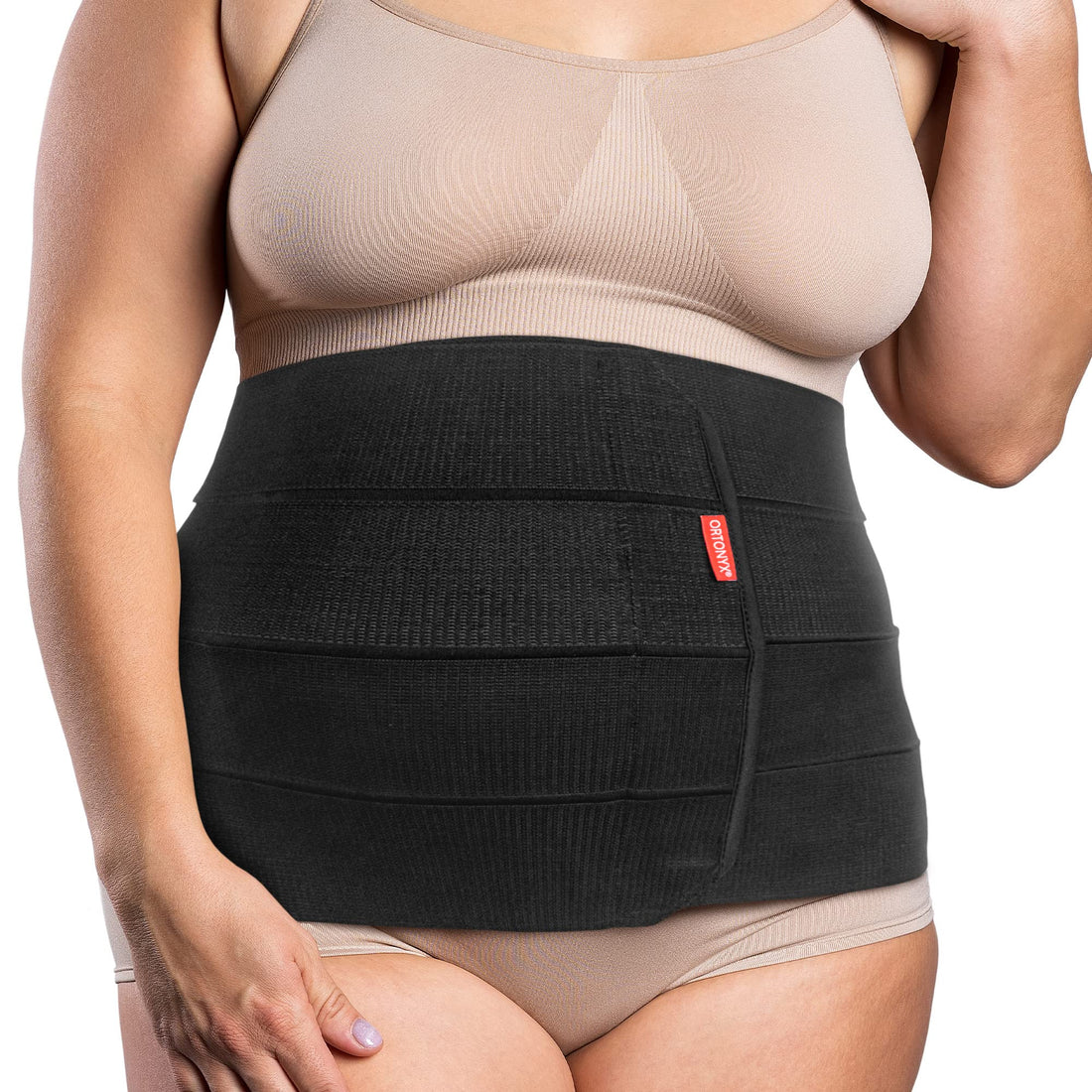
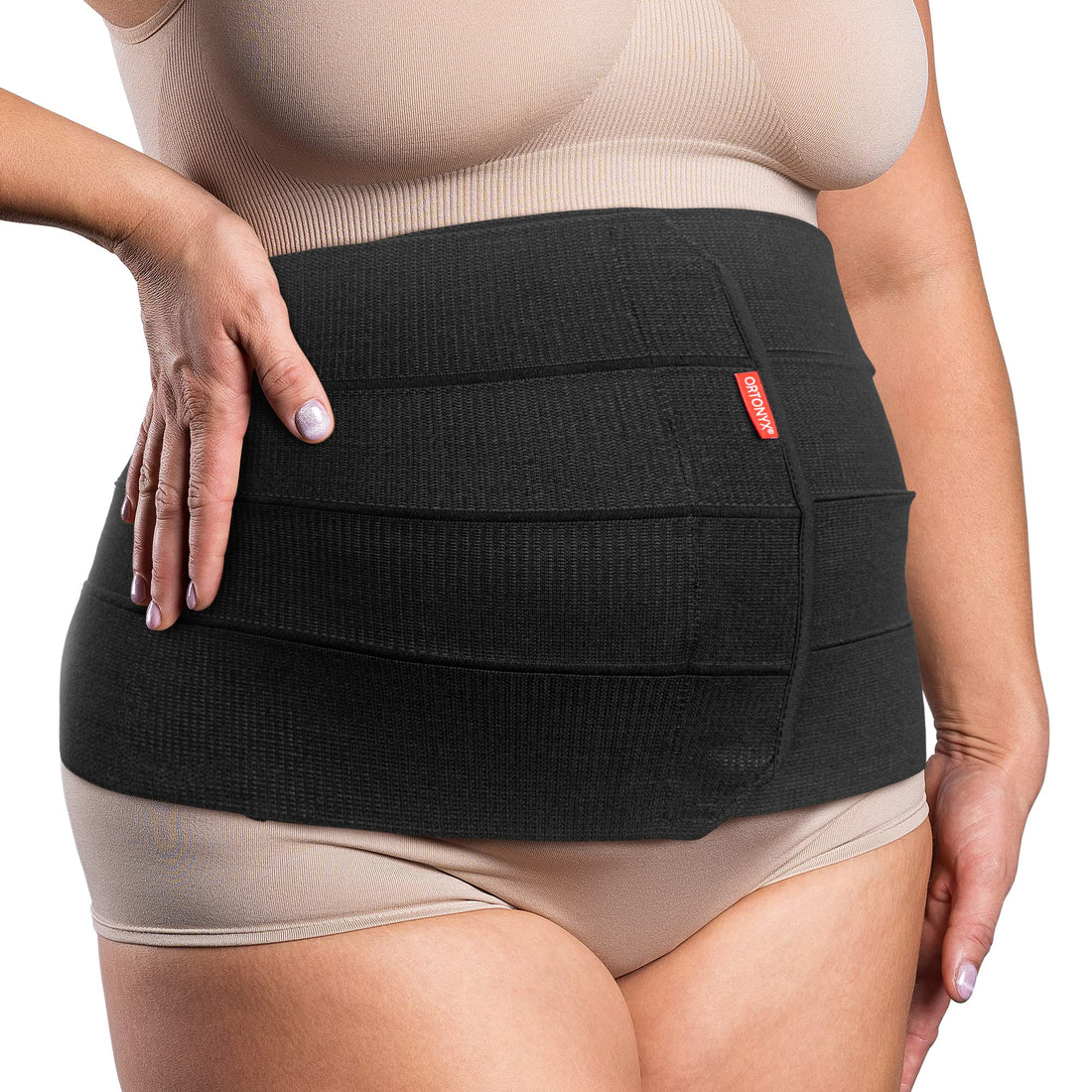
Postpartum belly binding involves wrapping the abdomen with a supportive cloth wrap, elastic binder, or structured garment in the weeks following childbirth. The practice is believed to provide physical support to healing abdominal muscles, promote uterine contraction, and help the body return to its pre-pregnancy state.
Benefits of Postpartum Belly Binding
Core Support and Stability
After nine months of pregnancy, the abdominal muscles are stretched and weakened. A postpartum binder provides external support that compensates for this temporary weakness, making it easier to move, stand, and care for your newborn without straining your back.
Posture Improvement
Pregnancy shifts your center of gravity forward, and the habit of leaning back to compensate often persists after delivery. A belly binder encourages upright posture, reducing strain on the lower back — a common complaint among new mothers.
Diastasis Recti Support
Diastasis recti — the separation of the abdominal muscles along the midline — affects up to 60% of postpartum women. While a binder cannot close the gap on its own, it can provide external support that makes movement more comfortable and may assist with body awareness during core rehabilitation exercises.
Comfort After C-Section
For mothers recovering from cesarean delivery, an abdominal binder provides gentle compression that supports the incision, reduces pain during movement and coughing, and creates a sense of physical security during the vulnerable early recovery period.
Risks and Common Myths
While belly binding is generally safe, there are important considerations:
- Too tight is dangerous: Excessive compression can increase intra-abdominal pressure, potentially worsening pelvic floor dysfunction or diastasis recti. The binder should feel supportive, not constrictive.
- It does not "shrink" your waist: Belly binding does not cause permanent waist reduction or fat loss. The temporary slimming effect is from compression alone.
- It is not a substitute for pelvic floor therapy: Women with pelvic organ prolapse or significant pelvic floor dysfunction should consult a pelvic health physiotherapist before binding, as improper binding can worsen symptoms.
When to Start After Delivery
Vaginal Delivery
Most women can begin gentle belly binding within 2 to 3 days after an uncomplicated vaginal delivery. Start with light compression and gradually increase as comfort allows.
C-Section Delivery
Wait until your incision is closed and your surgeon or obstetrician clears you — typically 1 to 2 weeks postpartum. The binder should never place direct pressure on the healing incision.
In both cases, begin with short periods of wear (1 to 2 hours) and gradually increase as your body adjusts.
How to Bind Properly
- Lie on your back with knees bent and feet flat. This position allows your abdominal muscles to relax completely.
- Position the binder from just below your bra line to your hip bones, ensuring full coverage of the abdominal area.
- Wrap or fasten from bottom to top, applying gentle, even pressure. The bottom should be slightly snugger than the top to encourage upward support.
- Check your breathing: You should be able to take a full, deep breath without restriction. If you cannot, loosen the binder immediately.
- Listen to your body: If you feel any pelvic pressure, heaviness, or bulging sensations, discontinue binding and consult your healthcare provider.
How Long Each Day?
Start with 2 to 4 hours per day in the first week and gradually increase to 6 to 8 hours as tolerated. Always remove the binder for sleep to allow your skin to breathe and your muscles to engage naturally. Most women use postpartum binding for 4 to 8 weeks.
Types of Postpartum Wraps
- Elastic abdominal binders: Medical-grade wraps with Velcro closures. Offer adjustable, even compression and are the easiest to use independently. Excellent for C-section recovery.
- Traditional cloth wraps (bengkung): Long strips of fabric wrapped in a specific technique. Require assistance but offer highly customizable compression. Popular in Malaysian postpartum care.
- Postpartum girdles: Structured garments with panels and hooks. Provide firm compression and are often worn as shapewear. May be less comfortable in the earliest recovery phase.
Signs You Are Binding Too Tight
- Difficulty taking a deep breath
- Pelvic pressure or a sensation of something "falling"
- Increased bleeding
- Pain or discomfort that does not resolve with loosening
- Numbness or tingling in the legs
Find Your Postpartum Support
The postpartum period is a time of profound physical transition, and the right support can make a meaningful difference in your comfort and recovery. ORTONYX offers medical-grade abdominal binders designed for gentle, adjustable compression tailored to your body's needs during the fourth trimester and beyond.
ORTONYX Fit Notes
Postpartum belly binding should feel supportive, not restrictive. After birth, comfort changes quickly as swelling, posture, and activity level change. ORTONYX postpartum supports use adjustable closures so support can be reduced while resting and increased gently during walking or baby-care tasks.
Binding should not increase pelvic pressure, incision discomfort, reflux, numbness, or shortness of breath. If you had a C-section, ask your clinician when pressure over or near the incision is appropriate.
How to Build a Comfortable Binding Routine
Postpartum belly binding works best as a flexible comfort tool, not a full-day restriction. Many parents start with short wear sessions during walking, standing, or baby-care tasks, then remove the wrap while resting. This makes it easier to notice pressure changes, skin irritation, or pelvic heaviness early.
With ORTONYX postpartum supports, adjustability is important because the body changes quickly after birth. The wrap should support posture and abdominal comfort while still allowing deep breathing, relaxed sitting, and easy feeding positions.
Browse Maternity and Postpartum Support Collection
About ORTONYX: ORTONYX designs orthopedic support devices including braces, binders, and recovery supports. This article draws on product-design experience and common patient questions, but it is not a substitute for personalized medical care.
Related guides: Abdominal Binder After C-Section | Post-Surgery Binder Guide
This information is for educational purposes only and is not intended as medical advice. Consult with a healthcare professional before starting any treatment or using support devices.