
Can Hernia Heal Without Surgery is the focus of this ORTONYX guide: practical fit, comfort, and safety guidance for choosing support without replacing personalized medical advice.
One of the first questions people ask after being diagnosed with a hernia is: Can a hernia heal without surgery? The straightforward answer is that hernias do not heal on their own — the defect in the abdominal wall cannot close without surgical repair. However, this does not mean surgery is always immediately necessary. Many people manage hernias non-surgically for years using a combination of watchful waiting, lifestyle modifications, and supportive devices like hernia belts.
Understanding Why Hernias Do Not Heal Spontaneously
A hernia is a mechanical defect — a hole or weakness in the muscle or connective tissue of the abdominal wall. Unlike a cut or a bruise, the body cannot repair this structural gap through natural healing processes. The tissue that has pushed through the defect — whether it is fatty tissue or a loop of intestine — will not spontaneously return to its proper position and stay there without intervention.
This is why hernias tend to remain stable or slowly enlarge over time. They do not shrink, and they do not disappear. The goal of non-surgical management is not to support the hernia, but to help reduce the risk of it from worsening and to manage symptoms effectively.
Non-Surgical Management Options
Watchful Waiting
For small, asymptomatic hernias — particularly in patients who are not good surgical candidates due to age or other health conditions — watchful waiting is a valid medical approach. This involves regular monitoring by a healthcare provider to ensure the hernia is not enlarging or causing complications. Studies have shown that the risk of a small, asymptomatic inguinal hernia becoming strangulated (a life-threatening emergency) is relatively low — approximately 1 to 3 percent per year.
Hernia Belts and Trusses
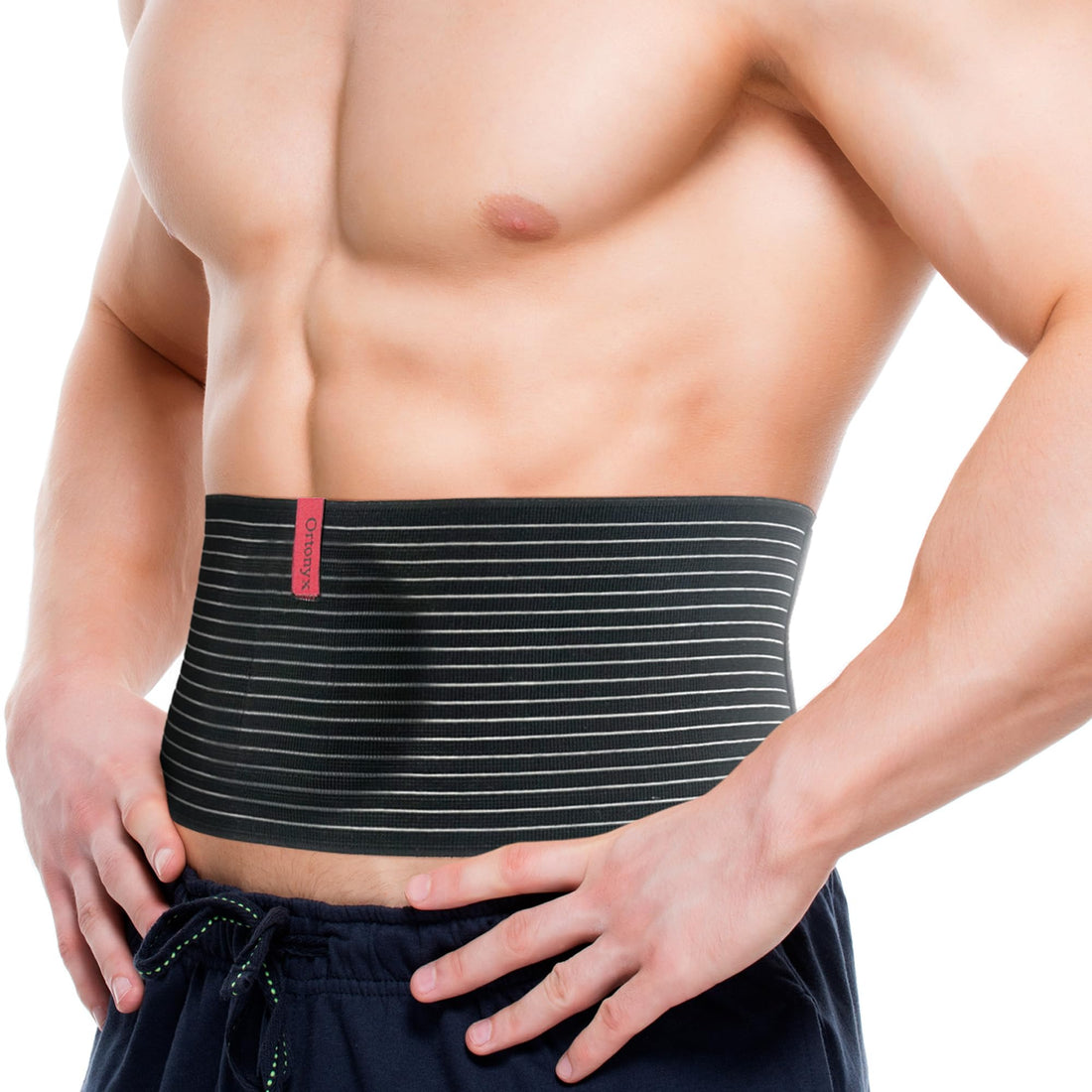
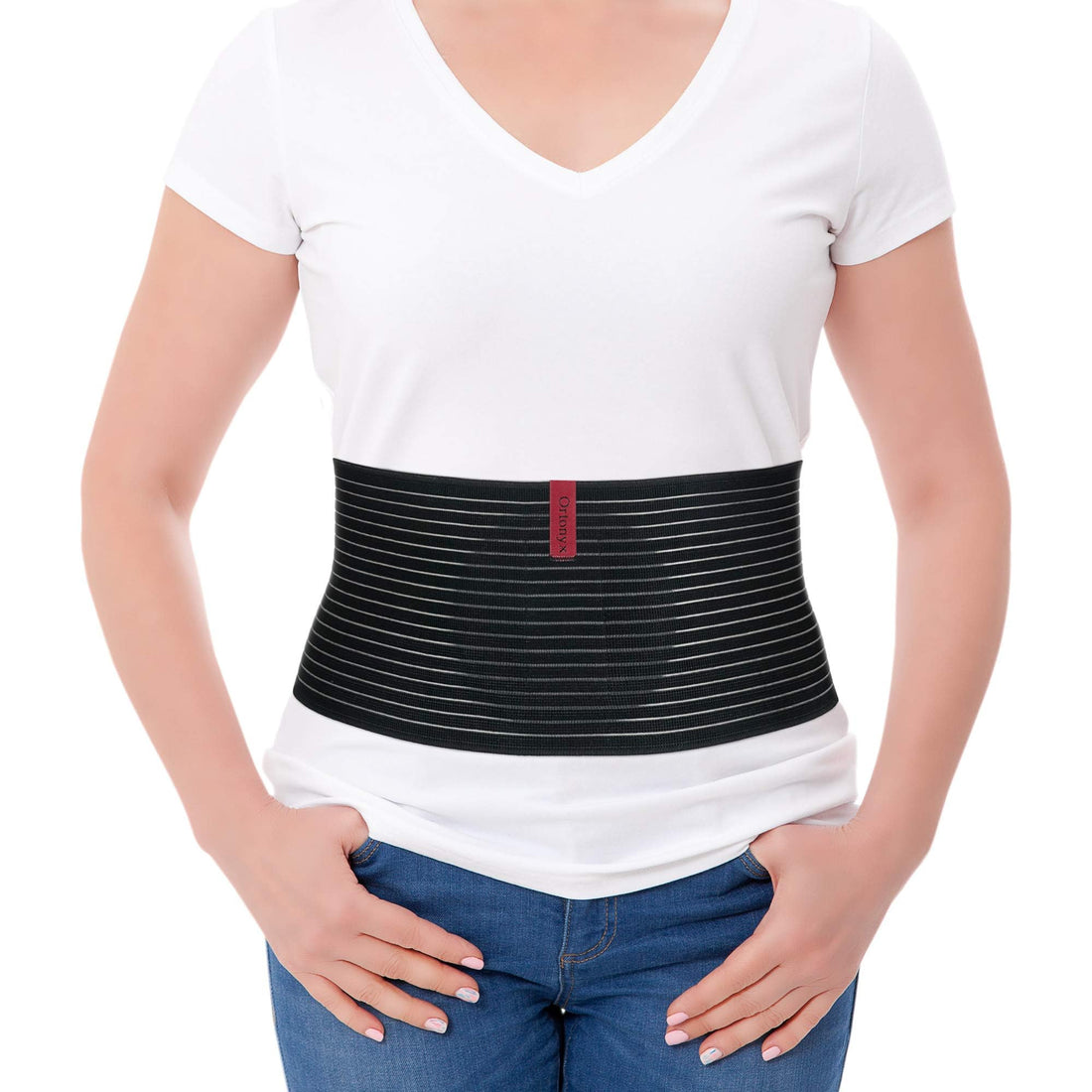
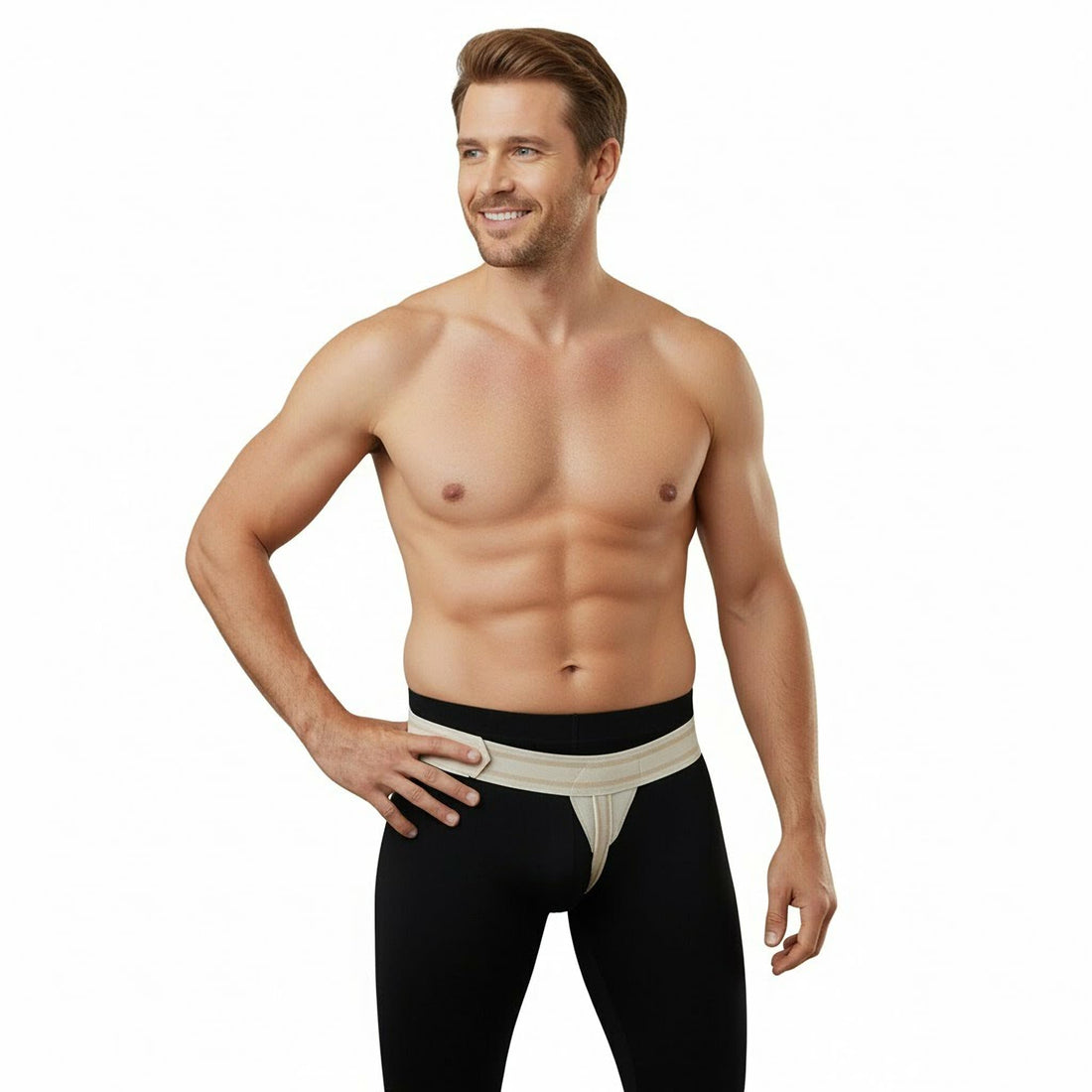
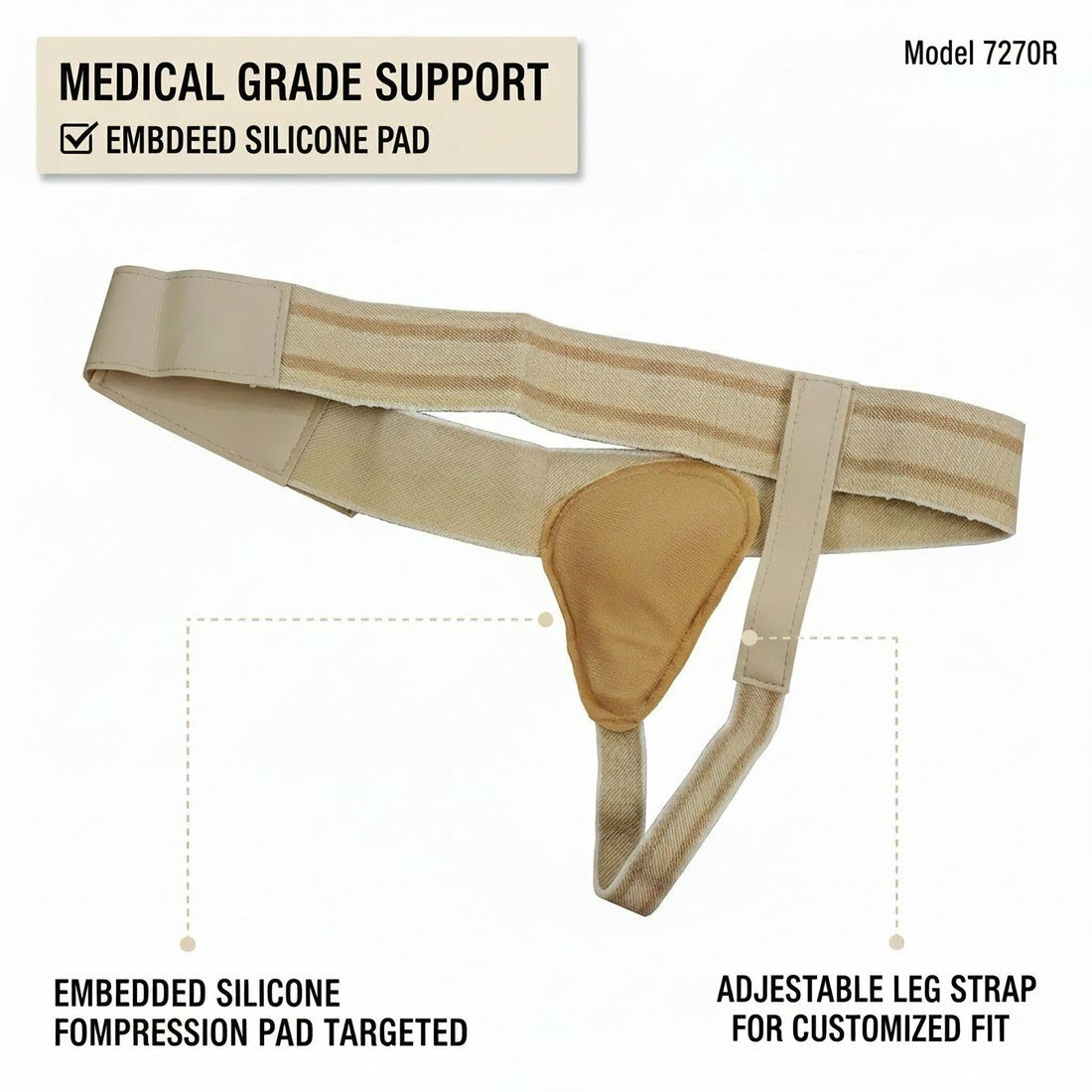
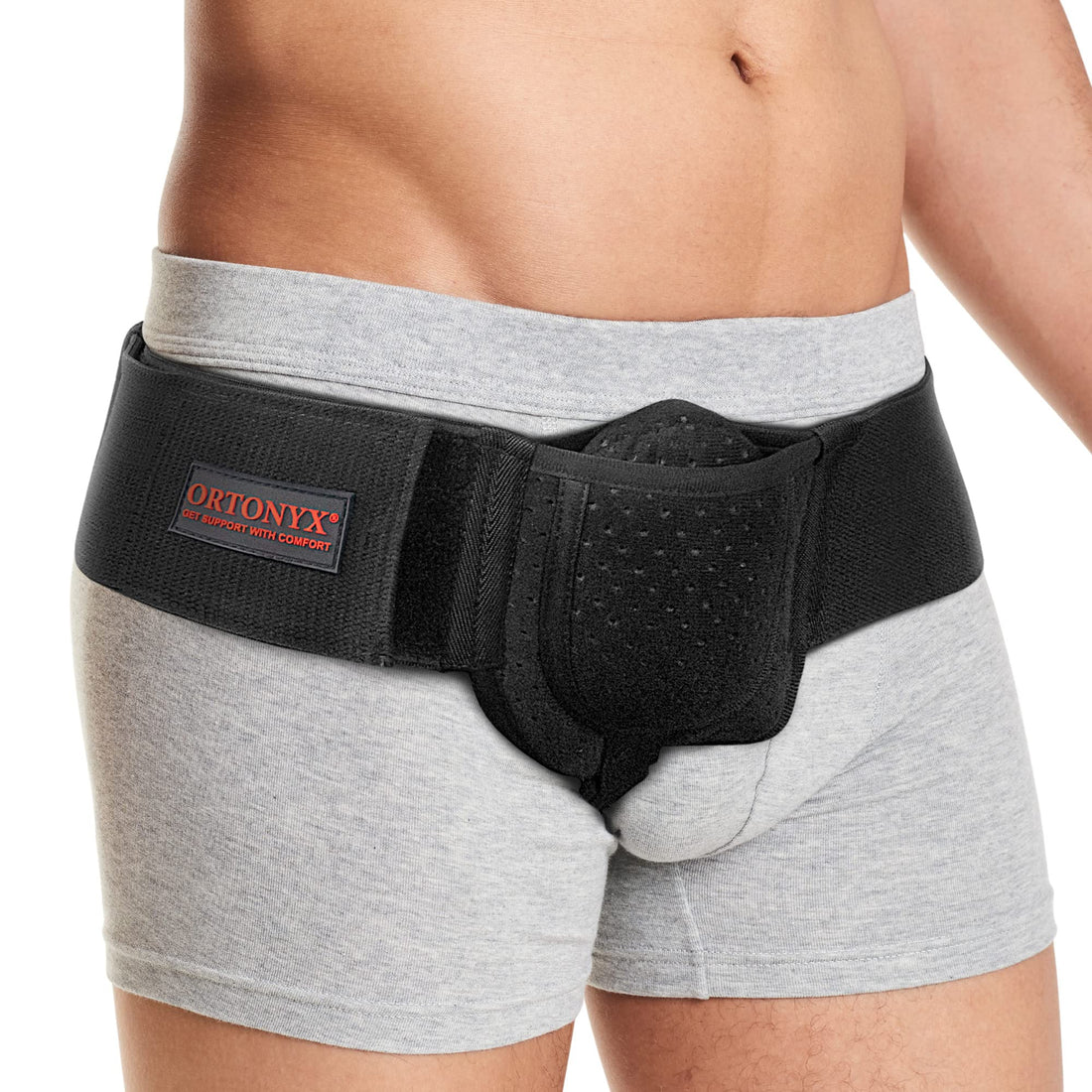
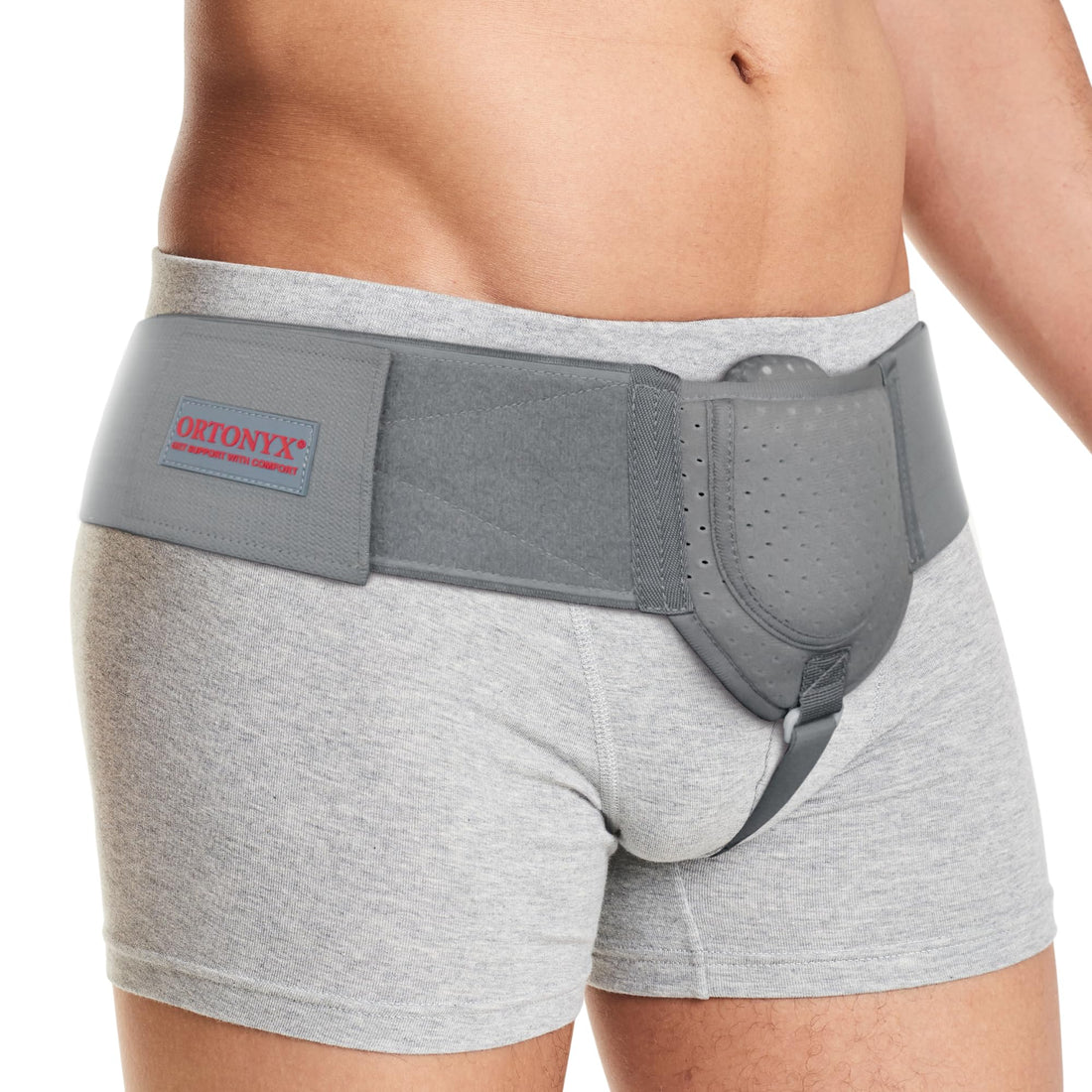
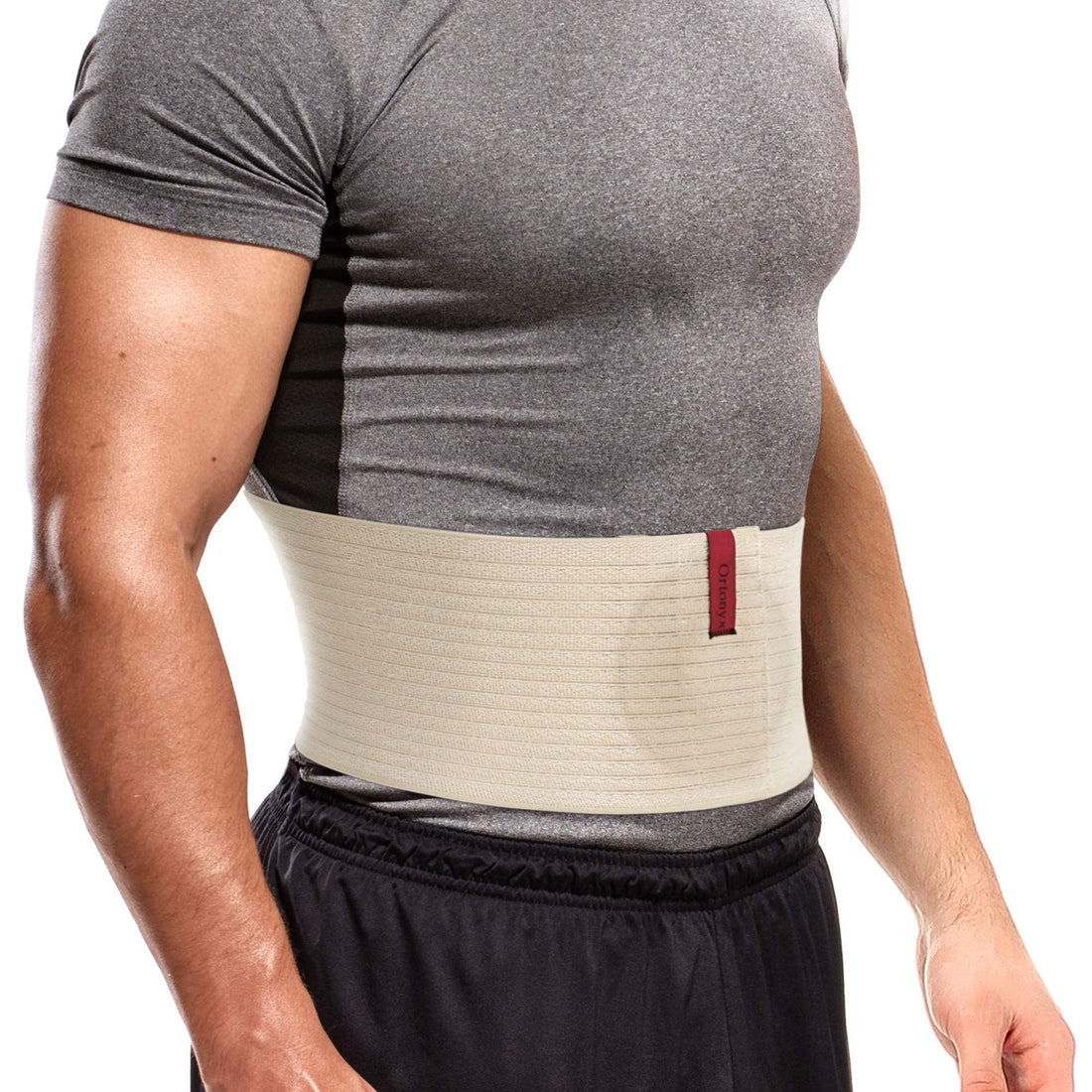
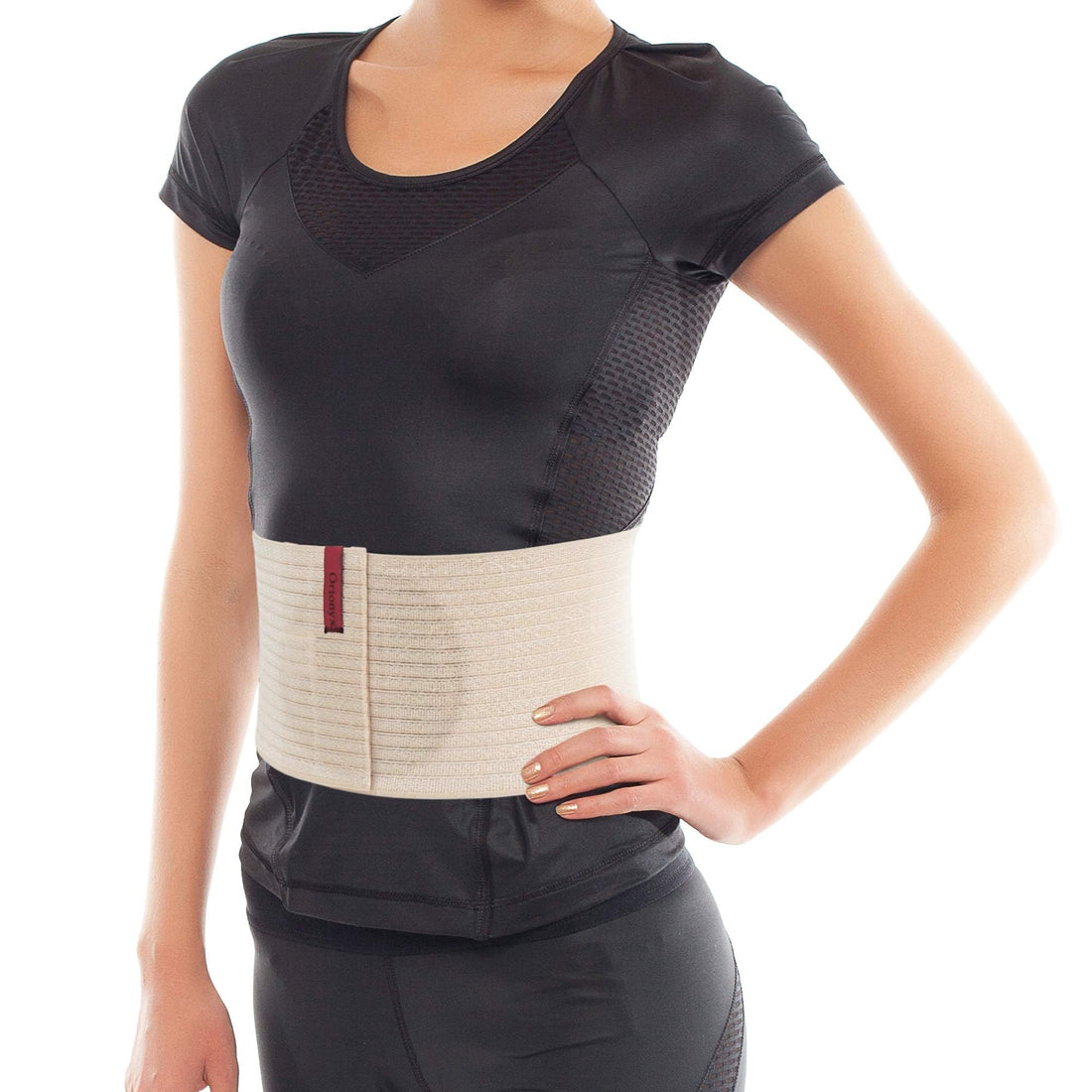
A hernia belt is a supportive garment that applies external compression over the hernia site, holding the protruding tissue in place. While it does not support the hernia, it can:
- Reduce discomfort during daily activities
- help reduce the risk of the hernia from bulging further
- Provide a sense of security during physical activity
- Buy time before surgery for patients who need to delay the procedure
For many patients, a well-fitted hernia belt is the difference between being limited by their hernia and living a full, active life while waiting for or deciding about surgery.
Lifestyle Modifications
- Weight management: Excess weight, particularly around the abdomen, increases intra-abdominal pressure and strains the hernia. Losing even 5 to 10 percent of body weight can significantly reduce symptoms.
- Avoiding heavy lifting: If your job or exercise routine involves heavy lifting, modify your activities or use proper lifting techniques with a supportive belt.
- Smoking cessation: Smoking impairs tissue healing and causes chronic coughing, both of which can worsen hernias.
- Managing constipation: Straining during bowel movements dramatically increases abdominal pressure. A high-fiber diet, adequate hydration, and regular exercise promote healthy bowel function.
- Treating chronic cough: Any condition that causes repetitive coughing — allergies, asthma, COPD, GERD — should be managed to reduce strain on the abdominal wall.
When Surgery Is Necessary
Non-surgical management is appropriate for many patients, but there are clear indications for surgical repair:
- Increasing size: A hernia that is visibly growing should be surgically evaluated, as larger hernias are more difficult to repair.
- Persistent or worsening pain: Pain that interferes with daily activities is a valid reason to pursue surgery.
- Incarceration: If the hernia becomes trapped outside the abdominal wall and cannot be pushed back, urgent surgical evaluation is required.
- Strangulation: If the blood supply to the trapped tissue is cut off, this is a surgical emergency. Symptoms include severe pain, redness, nausea, vomiting, and a hernia that is firm and tender. Seek emergency care immediately.
- Bowel obstruction: If a loop of intestine becomes trapped, symptoms may include severe abdominal pain, bloating, inability to pass gas, and vomiting.
Living Well with a Hernia Without Surgery
Many people live for years with a hernia that is managed successfully without surgery. The keys to this approach are:
- Regular medical follow-up: See your doctor at least annually to monitor the hernia's size and any changes.
- Consistent belt use: Wear your hernia support during activity and whenever you are upright for extended periods.
- Body awareness: Learn to recognize the signals your body sends — when to rest, when to adjust your belt, and when to call your doctor.
- Realistic expectations: Understand that the hernia will not heal, but that effective management can preserve your quality of life indefinitely.
Find Your Non-Surgical Support
If you are in watchful waiting, preparing for surgery, or managing a hernia long-term, the right support makes a daily difference. ORTONYX hernia belts are designed for comfortable, adjustable compression that helps you stay active and confident while managing your hernia.
Can Hernia Heal Without Surgery: Fit and Safety Checklist
- Confirm the support fits the exact area that needs help.
- Keep pressure comfortable enough for normal breathing and movement.
- Stop use and ask a clinician if pain, numbness, swelling, or skin irritation increases.
ORTONYX Fit Notes
Can hernia heal without surgery is a common question, but most true abdominal wall hernias do not close on their own. A belt or binder can support the area and may improve comfort during daily activity, but it does not repair the tissue opening. ORTONYX hernia supports are best viewed as external support, not a replacement for surgical advice.
Seek urgent care for severe pain, vomiting, fever, skin color change over the bulge, or a hernia that cannot be pushed back in when lying down.
Browse Hernia Support Belts | Shop Inguinal Hernia Supports
About ORTONYX: ORTONYX designs orthopedic support devices including braces, binders, and recovery supports. This article draws on product-design experience and common patient questions, but it is not a substitute for personalized medical care.
Related guides: Hernia Mesh vs Belt | Safe Exercises with Hernia
This information is for educational purposes only and is not intended as medical advice. Consult with a healthcare professional before starting any treatment or using support devices.