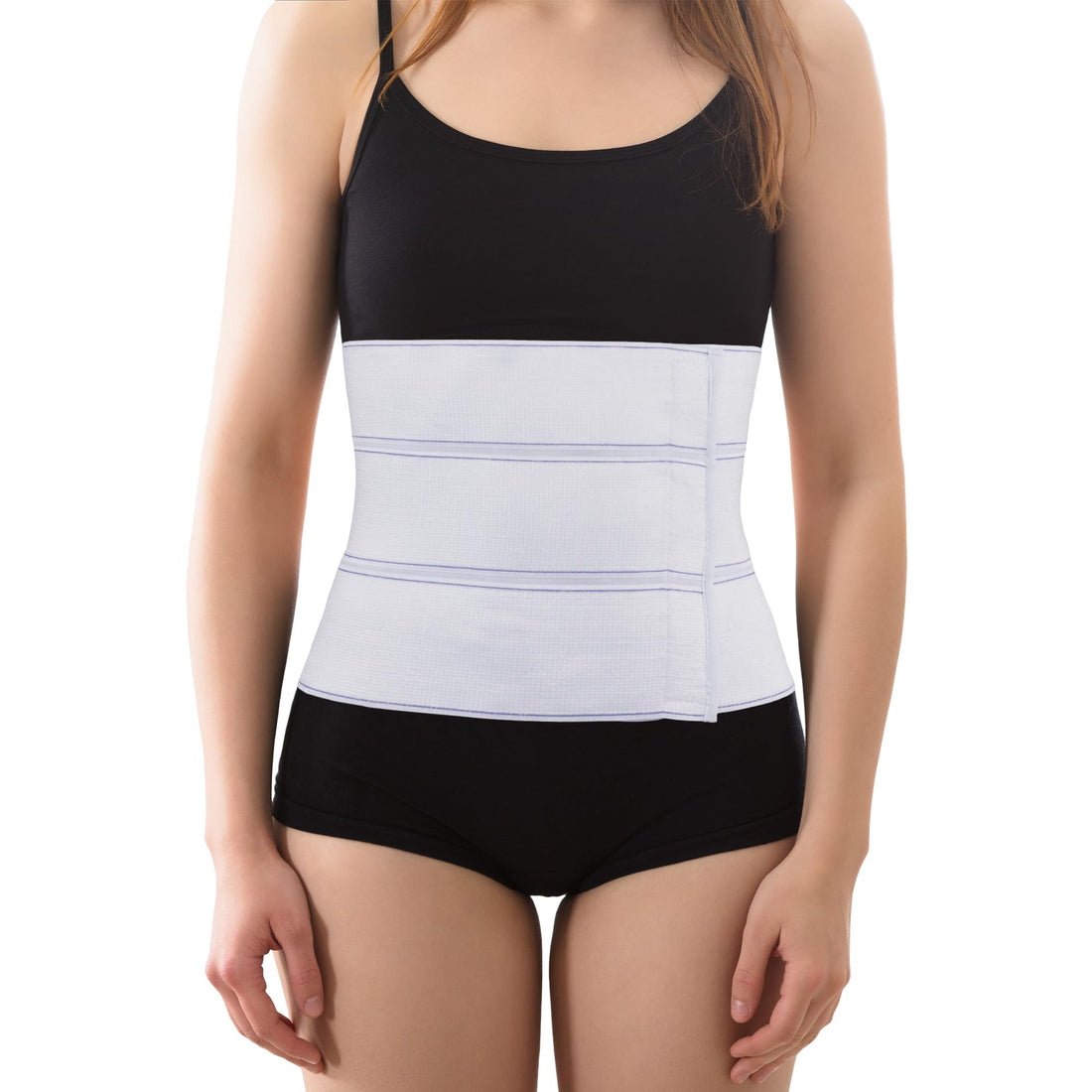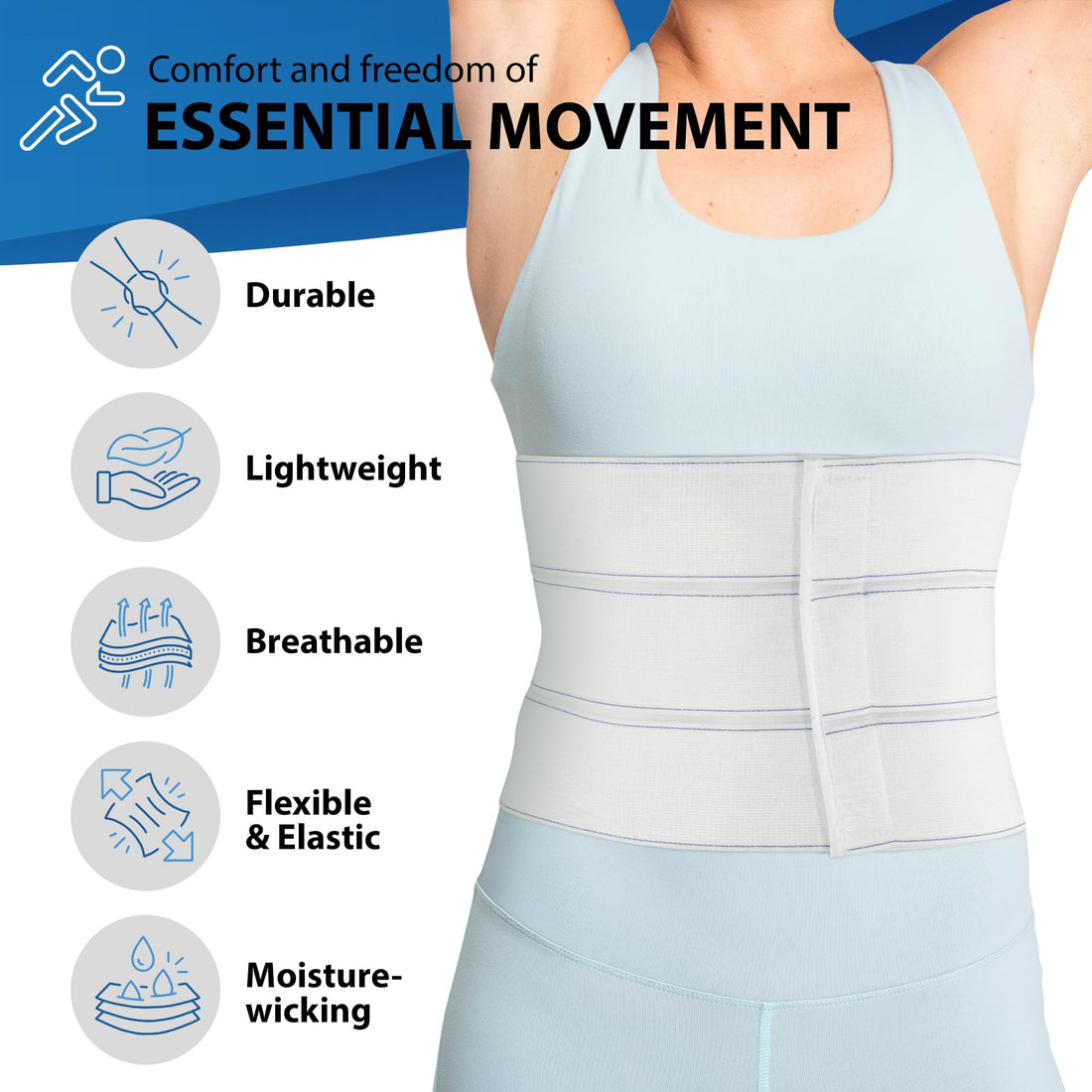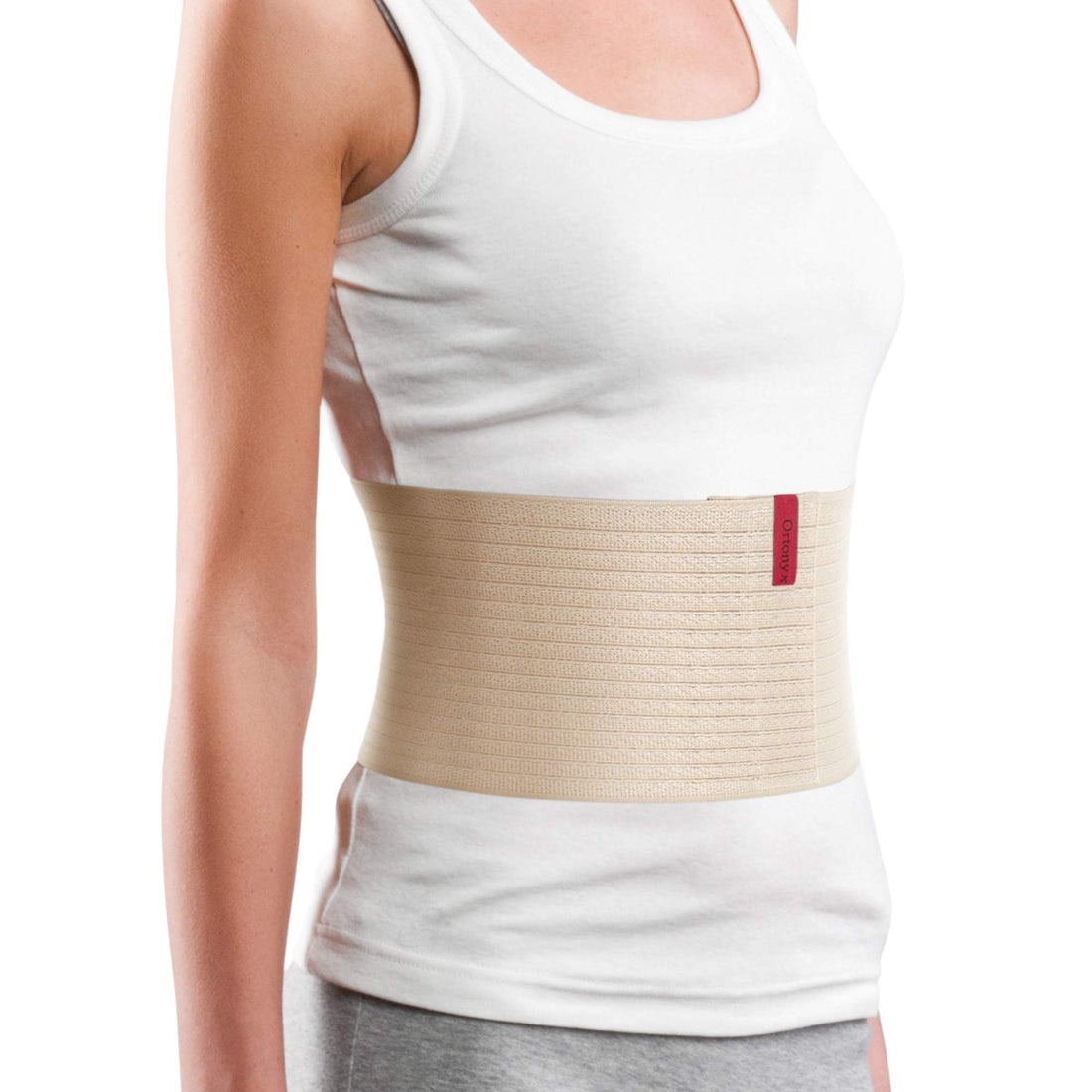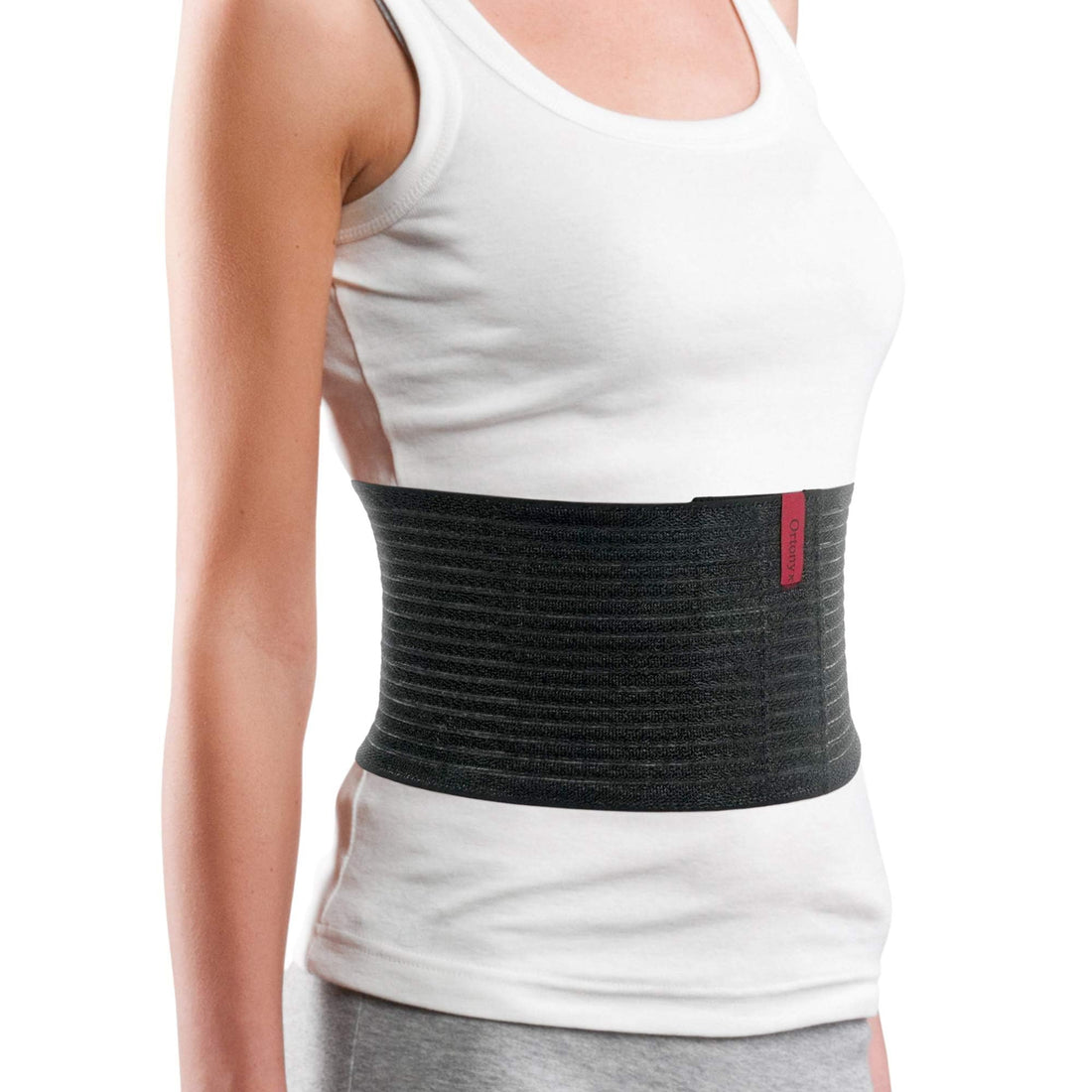

Hernias are often thought of as a condition that primarily affects men — but the reality is quite different. Millions of women develop hernias each year, and many face unique challenges that go unaddressed by generic hernia information. Whether you're dealing with a pregnancy-related umbilical hernia, recovering from a C-section, or managing an inguinal or femoral hernia, finding the right hernia belt for women can make an enormous difference in your comfort, mobility, and quality of life.
This guide is written specifically for women navigating hernia support. We'll cover the types of hernias most common in women, how an abdominal hernia support belt works, what to look for when choosing one, and when it's time to see a doctor.
Why Women Need Specialized Hernia Support
Women's bodies are structurally different from men's — and those differences matter when it comes to hernias. Wider hips, a different pelvic floor anatomy, the physical demands of pregnancy and childbirth, and hormonal changes all influence where hernias develop and how they should be supported.
Unfortunately, most hernia belt designs were historically created with men in mind. An abdominal hernia belt female patients can actually rely on needs to account for a woman's body shape, softer tissue, and the specific locations where hernias tend to occur in women.
The good news: modern hernia support belts have evolved significantly, and there are now excellent options designed to fit and support the female body comfortably.
Types of Hernias Common in Women
Umbilical Hernia
An umbilical hernia occurs when tissue pushes through the abdominal wall near the navel. This is one of the most common hernias in women, particularly during and after pregnancy. As the uterus expands, it stretches the abdominal muscles and can create or widen a gap around the belly button.
Many women first notice an umbilical hernia as a soft bulge near the navel during their second or third trimester. While some resolve on their own postpartum, others persist and benefit from the gentle compression of an abdominal hernia support belt during daily activities.
Inguinal Hernia
Though less common in women than in men, inguinal hernias — where tissue protrudes through the inguinal canal in the groin area — do affect women. They can be particularly tricky to diagnose in women because the symptoms may be subtler and sometimes mimic gynecological conditions like ovarian cysts or endometriosis.
Women with inguinal hernias often experience a dull ache in the groin that worsens with activity, lifting, or prolonged standing. A properly fitted inguinal hernia belt for women applies targeted compression to keep the hernia reduced and relieve discomfort.
Femoral Hernia
Femoral hernias are actually more common in women than in men, thanks to the wider shape of the female pelvis. These hernias occur in the upper thigh, just below the groin crease, and can be serious because they have a higher risk of becoming incarcerated or strangulated.
If you suspect a femoral hernia, medical evaluation is important. An abdominal support belt may help manage symptoms in the interim, but surgical repair is often recommended.
Incisional Hernia (Post-C-Section)
Women who have had a cesarean section or other abdominal surgery are at risk of developing an incisional hernia at the surgical site. The weakened tissue along the incision line can allow abdominal contents to push through, especially during the early months of recovery.
Wearing a supportive abdominal binder during the postoperative period can help protect the incision, reduce swelling, and lower the risk of hernia development.
Diastasis Recti and Hernia Risk
Diastasis recti — the separation of the abdominal muscles along the midline — is extremely common after pregnancy. While it is not a hernia itself, significant diastasis recti can increase the risk of developing an umbilical hernia. Abdominal support belts can help manage both conditions simultaneously by gently holding the muscles closer together.
How Does a Hernia Belt Work?
A hernia belt (also called a hernia truss or hernia support belt) works by applying gentle, consistent pressure over the hernia site. This serves several purposes:
- Keeps the hernia reduced: Gentle compression helps hold protruding tissue in place, preventing the bulge from pushing outward during physical activity.
- Reduces discomfort: By stabilizing the area, a hernia belt minimizes the pulling, aching sensation that many women experience throughout the day.
- Supports weakened tissue: The belt acts as an external reinforcement for the compromised abdominal wall, allowing you to move more freely and confidently.
- Aids recovery: For postoperative patients, a support belt protects the surgical area and may promote healing.
It's important to understand that a hernia belt does not cure a hernia. It is a management tool — one that can dramatically improve daily comfort and function while you and your healthcare provider determine the best long-term treatment plan.
Choosing the Right Abdominal Hernia Belt for Women
Not all hernia belts are created equal, and choosing the wrong one can mean poor support, discomfort, or a belt that simply doesn't stay in place. Here's what to look for:
Proper Fit and Sizing
This is the single most important factor. A belt that's too loose won't provide adequate compression; one that's too tight can restrict breathing, irritate skin, or even worsen the hernia. Measure your waist or hip circumference carefully (depending on the belt style) and follow the manufacturer's sizing chart precisely.
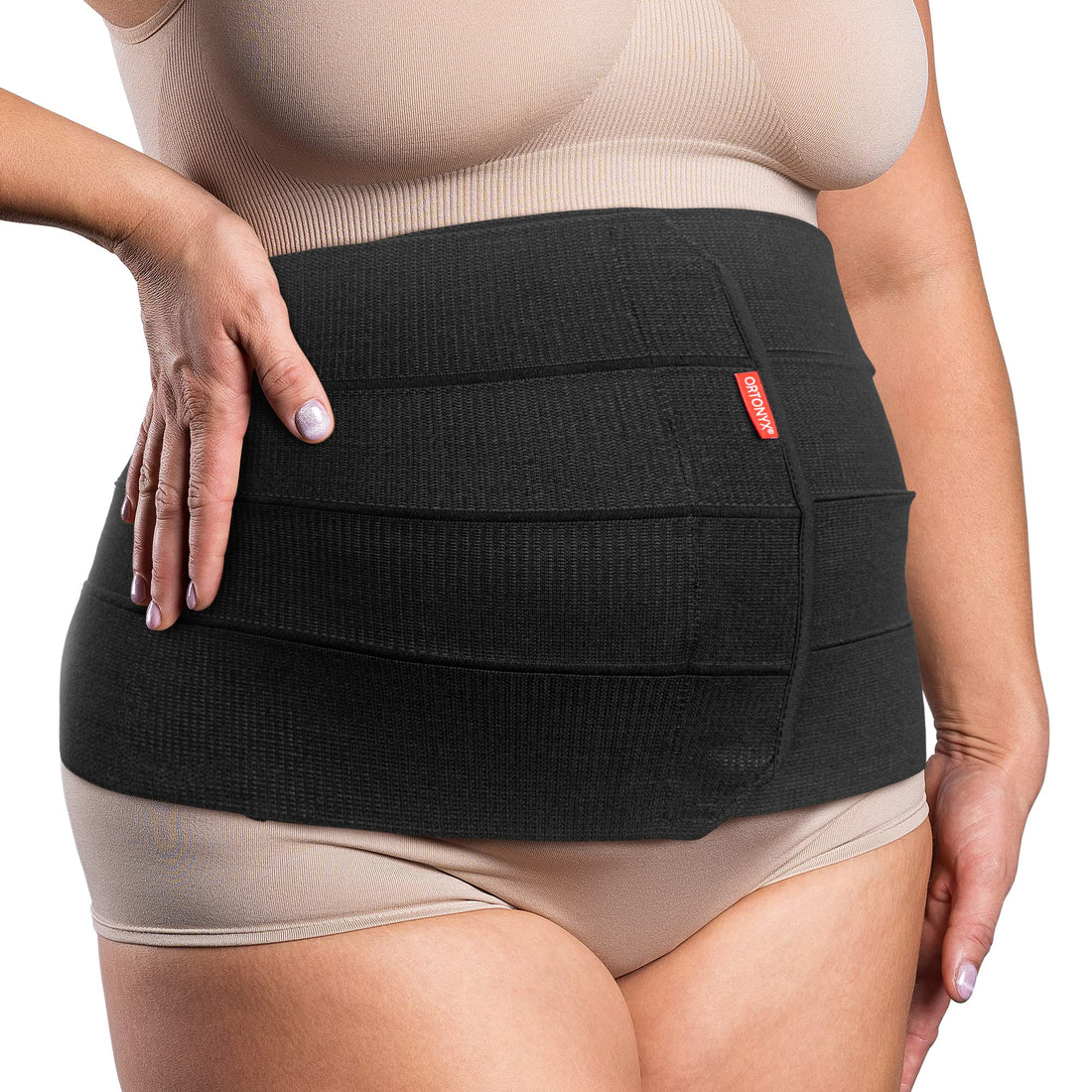
Women with curvier body types should look for belts with adjustable closures and enough width to stay in place without riding up or rolling.
Targeted Compression
Different hernias require compression in different locations. For umbilical hernias, look for a belt with a compression pad positioned over the navel area. For inguinal hernias, you'll need a belt with a removable groin pad that can be placed precisely over the hernia site.
The ORTONYX Inguinal Hernia Belt features a removable compression pad that can be positioned exactly where you need it — an important feature for women, since hernia location can vary based on individual anatomy.
Comfort and Breathability
You may be wearing your hernia belt for many hours each day. Look for soft, breathable materials that won't irritate skin or trap moisture. Belts with cotton-lined interiors or moisture-wicking fabrics are especially comfortable for all-day wear.
Low Profile Design
Many women prefer a hernia belt that can be worn discreetly under clothing. A slim, low-profile design that doesn't add bulk is particularly important if you want to wear the belt to work, during social activities, or while exercising.
Ease of Use
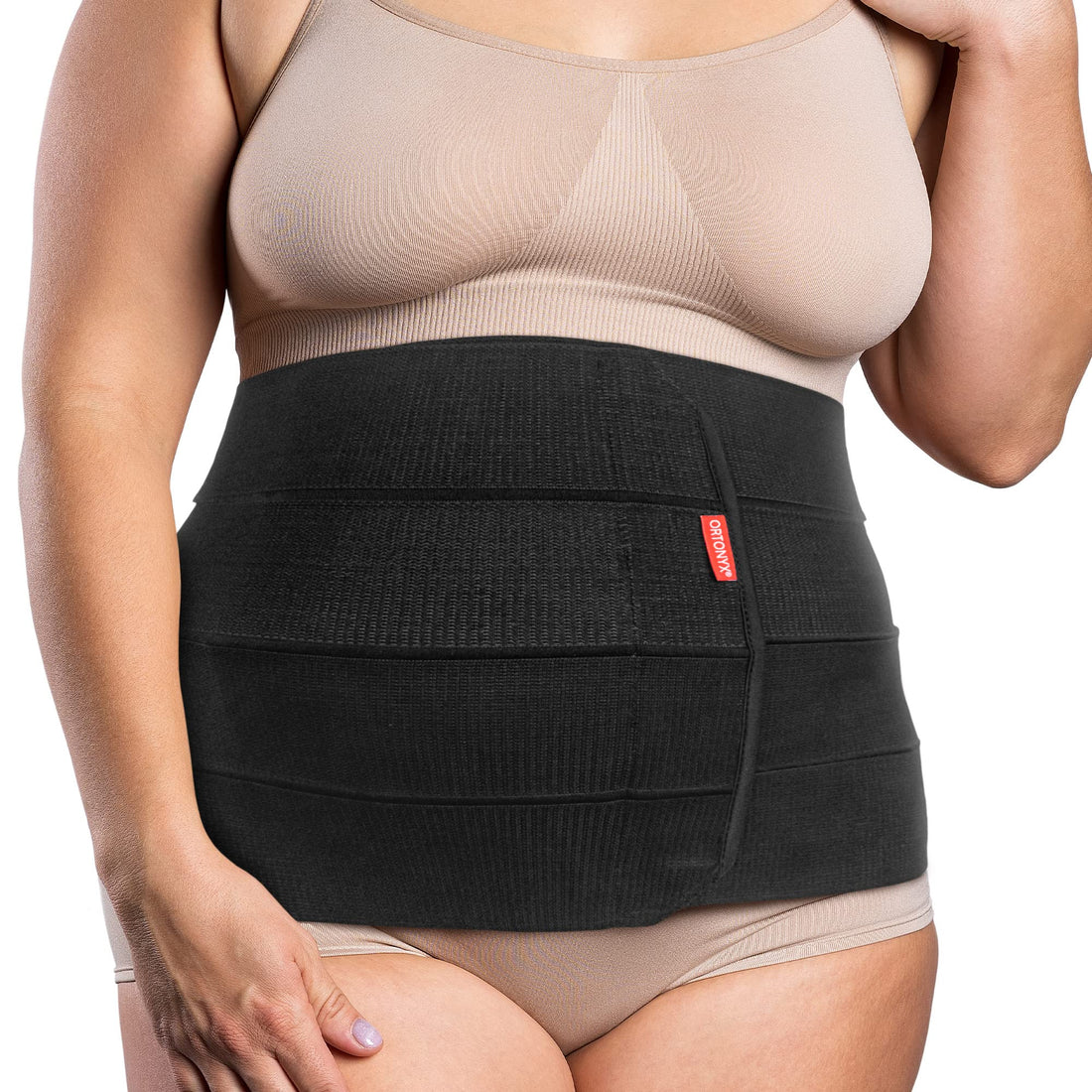
If you're recovering from surgery or dealing with limited mobility, a belt that's easy to put on and adjust by yourself is essential. Hook-and-loop (Velcro) closures and wide elastic panels make self-application straightforward.
ORTONYX Hernia Support Options for Women
ORTONYX designs hernia support belts with both men and women in mind, offering a range of options for different hernia types and support needs:
For Inguinal Hernias
The ORTONYX Inguinal Hernia Belt with Removable Compression Pad provides targeted groin support with a pad that can be positioned on either side (or both). Its adjustable design accommodates a range of body types, and the removable pad lets you customize the level and location of compression.
For Umbilical Hernias
The ORTONYX Umbilical Hernia Belt (HB5241) is specifically designed to support the navel area with gentle, consistent compression. Its anatomical design hugs the midsection securely without restricting movement — ideal for women managing an umbilical hernia during or after pregnancy.
For those seeking an ergonomic option, the ORTONYX Ergonomic Umbilical Navel Hernia Belt features a contoured design that conforms to the body's natural curves, offering comfortable support that stays in place throughout the day.
For Post-Surgical and Postpartum Support
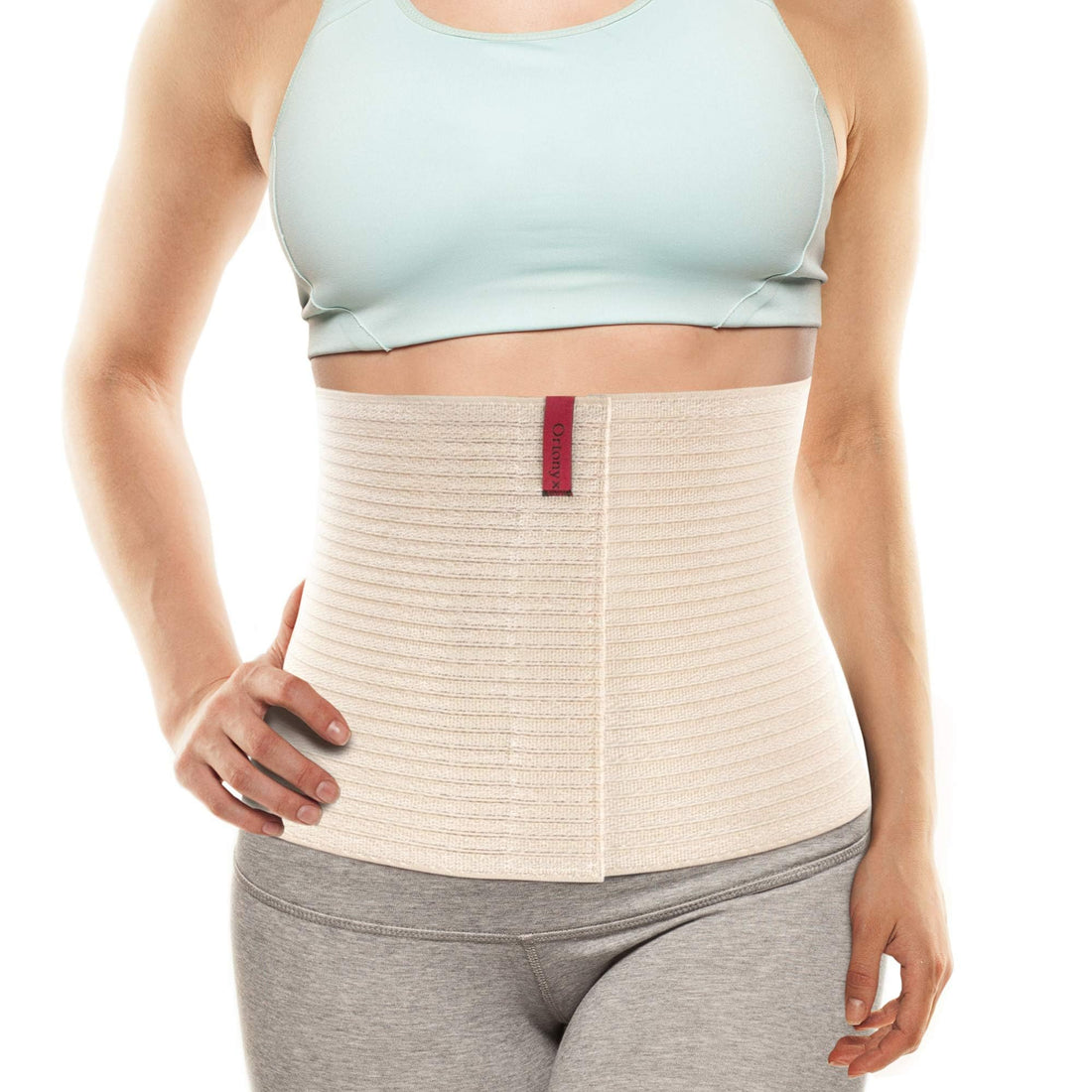
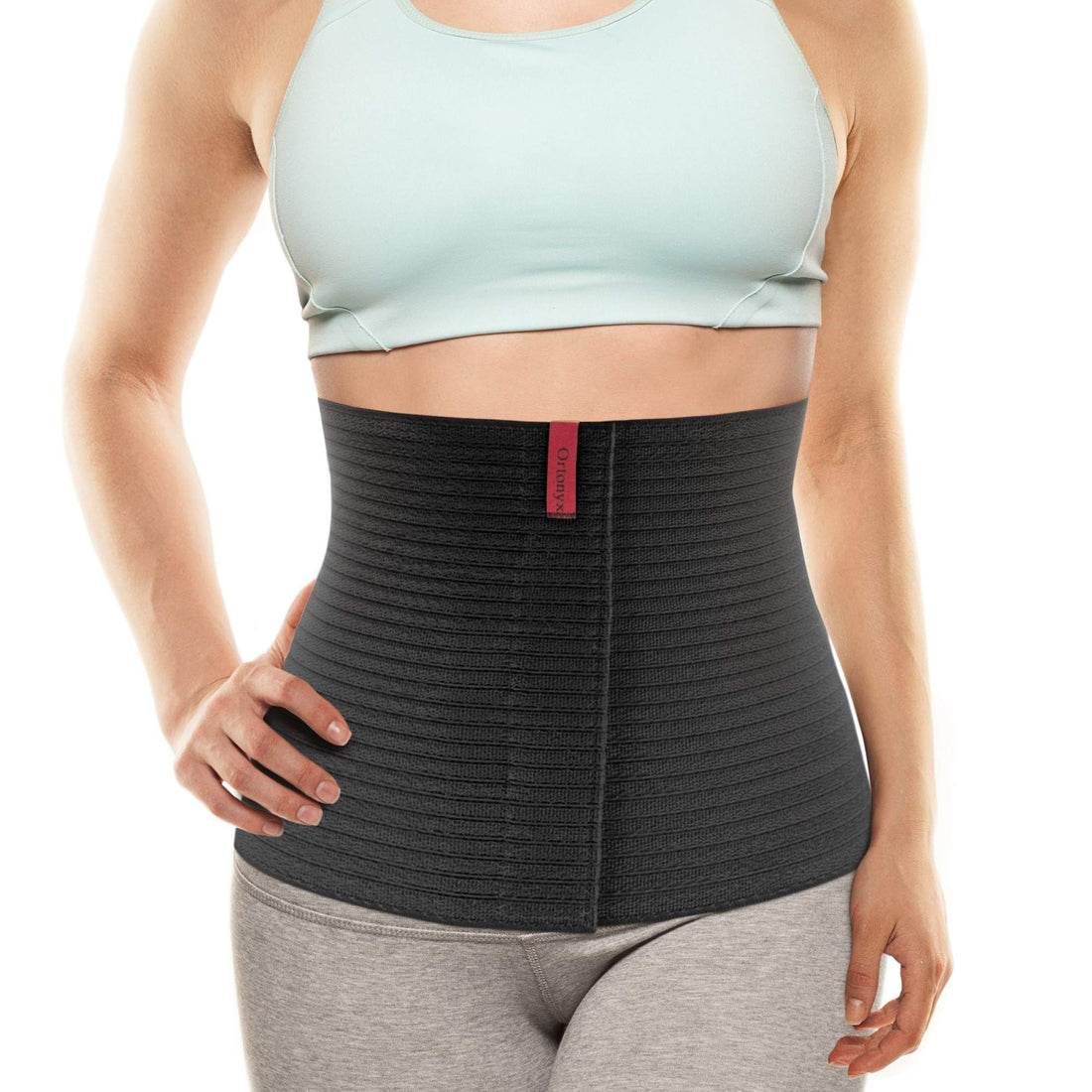
The ORTONYX Abdominal Binder provides broad abdominal compression that's ideal for women recovering from C-sections, hernia repair surgery, or other abdominal procedures. It also serves as an effective abdominal hernia support belt for women managing diastasis recti alongside a hernia.
Tips for Wearing a Hernia Belt Effectively
- Put the belt on while lying down. This allows the hernia to naturally reduce (move back into the abdomen) before you apply compression. Fasten the belt, then slowly stand up.
- Wear it during activity, not while sleeping. Most hernia belts are intended for daytime use during physical activity. Your doctor may advise otherwise for specific situations.
- Check your skin regularly. Look for signs of irritation, redness, or pressure marks. If you notice any, adjust the fit or try wearing a thin cotton layer underneath.
- Keep the belt clean. Follow the manufacturer's washing instructions. A clean belt lasts longer and is more comfortable against the skin.
- Don't over-tighten. The belt should feel snug and supportive, not painfully tight. You should be able to breathe comfortably and slide one finger under the edge.
- Combine with gentle exercise. With your doctor's approval, gentle core-strengthening exercises can complement the support your belt provides and may help strengthen the abdominal wall over time.
Hernia Belts During and After Pregnancy
Pregnancy is one of the most common triggers for hernias in women. The growing uterus places increasing pressure on the abdominal wall, and hormonal changes soften connective tissue, making it more vulnerable to stretching and separation.
If you develop a hernia during pregnancy, your OB-GYN will likely recommend conservative management — which often includes wearing a supportive abdominal belt. Surgery is typically postponed until after delivery unless the hernia becomes incarcerated.
After delivery (whether vaginal or cesarean), a postpartum abdominal binder can provide welcome support as your body heals. Many women find that wearing a binder for the first several weeks postpartum helps with comfort, posture, and confidence as the abdominal muscles gradually regain strength.
When to See a Doctor
While a hernia belt is an excellent tool for managing hernia symptoms, it's important to know when medical attention is needed. See your doctor promptly if you experience any of the following:
- The hernia bulge becomes suddenly larger, harder, or more painful
- You cannot push the hernia back in (it becomes "irreducible")
- You develop nausea, vomiting, or fever alongside hernia pain
- The skin over the hernia becomes red, purple, or warm to the touch
- You experience sharp, sudden abdominal or groin pain
- You have difficulty passing gas or having bowel movements
These symptoms may indicate a strangulated or incarcerated hernia, which is a medical emergency requiring immediate treatment. When blood supply to the herniated tissue is cut off, the tissue can die — so prompt evaluation is critical.
Even if your hernia is not causing acute symptoms, schedule a consultation with your healthcare provider to discuss your options. Many hernias are best treated with surgical repair, and modern techniques — including minimally invasive laparoscopic surgery — offer excellent outcomes with relatively short recovery times.
Frequently Asked Questions
Can a hernia belt cure my hernia?
No. A hernia belt manages symptoms and provides support, but it cannot close the opening in the abdominal wall. Only surgical repair can permanently fix a hernia. However, many women use hernia belts effectively for months or years as part of a conservative management approach.
How long can I wear a hernia belt each day?
Most hernia belts are designed for all-day wear during waking hours. However, follow your doctor's specific guidance. It's generally recommended to remove the belt at night to allow your skin to breathe and to avoid becoming overly dependent on external support.
Will insurance cover a hernia belt?
Some insurance plans cover hernia trusses and abdominal binders when prescribed by a physician. Check with your insurance provider and ask your doctor for a prescription if coverage is available.
Can I exercise while wearing a hernia belt?
Yes, in most cases. A hernia belt can actually make exercise more comfortable by stabilizing the hernia during movement. Stick to low-impact activities like walking, swimming, or gentle yoga unless your doctor clears you for more vigorous exercise. Avoid heavy lifting and exercises that increase abdominal pressure (like sit-ups or crunches) unless specifically approved by your healthcare provider.
Taking Control of Your Hernia Care
Living with a hernia doesn't mean living in discomfort. The right hernia belt for women can restore your confidence, reduce pain, and help you stay active while you manage your condition. By choosing a belt designed with women's bodies and needs in mind, you'll get better support, a better fit, and better results.
Explore the full range of ORTONYX hernia support belts to find the right solution for your needs — and don't hesitate to reach out to your healthcare provider to build a care plan that works for you.
Choose a hernia belt for women by support location
The right support depends on the location identified by your clinician. Use this comparison to narrow the product type, then confirm fit with the product size guide.
| Support need | What to compare | Shop path |
|---|---|---|
| Groin / inguinal area | Left, right, or bilateral pad placement; low-profile straps | Inguinal hernia belts & trusses |
| Navel / abdominal area | Targeted pad or broader abdominal coverage; adjustable waist fit | Umbilical & abdominal support |
| Post-surgical support | Only use a product and wear schedule recommended by your clinician | Abdominal binders |
Comfort and fit checks
- A belt should feel supportive, not painful or restrictive.
- Loosen or remove it if you notice numbness, tingling, skin irritation, or restricted breathing.
- Seek urgent care for sudden severe pain, vomiting, fever, or a firm/discolored bulge.