
Maximize the Life of Your Abdominal Support Products
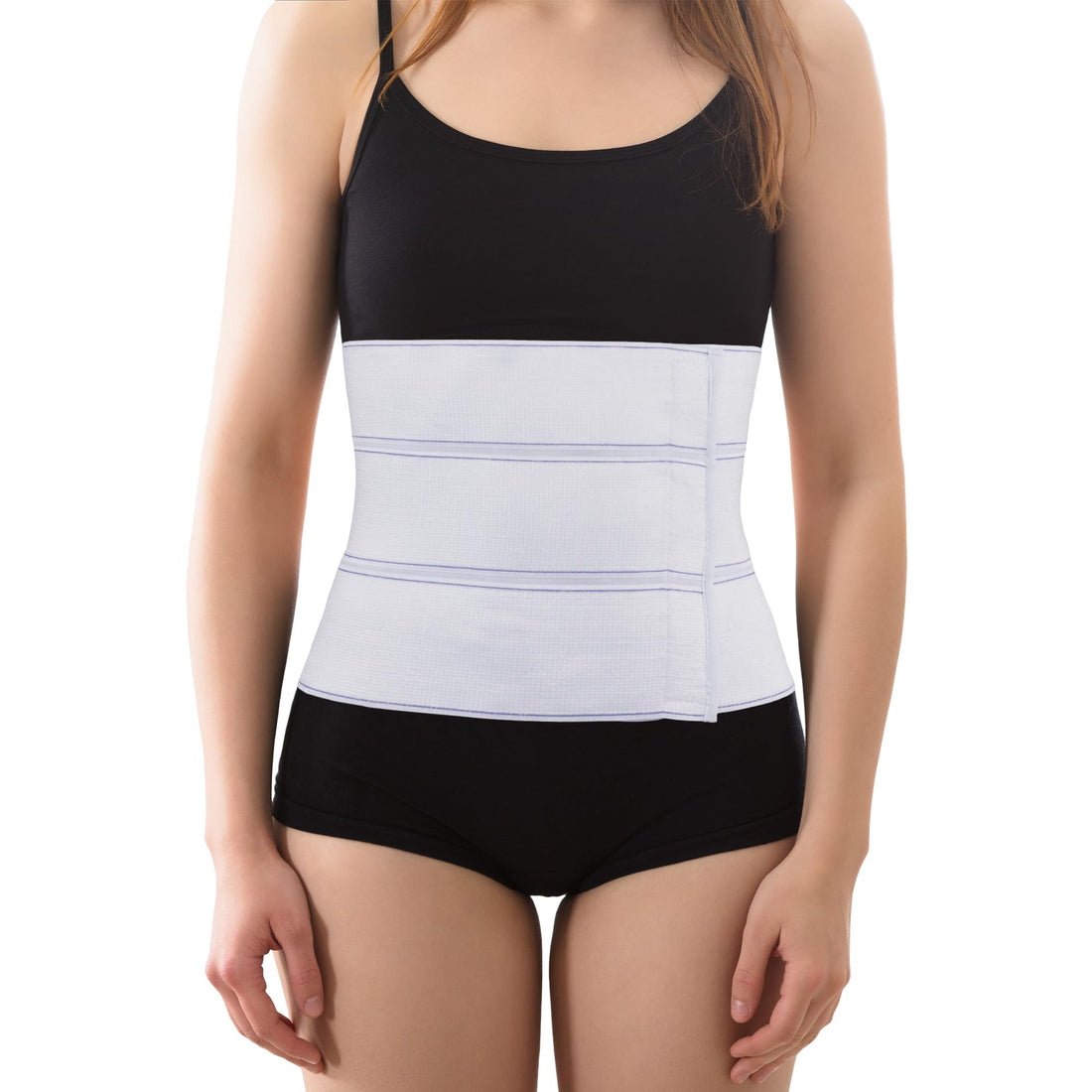
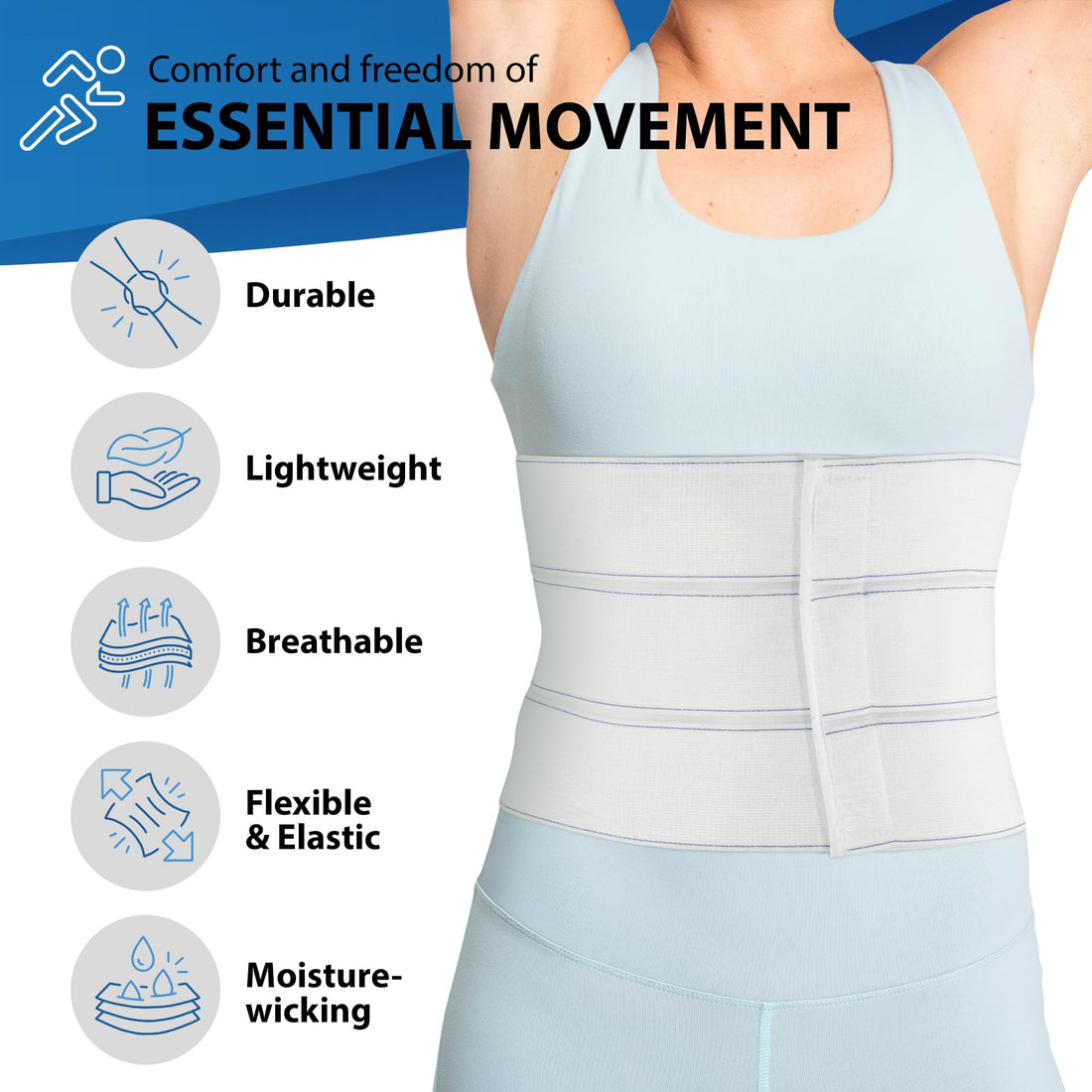
Your abdominal binder is a daily companion during recovery—and like any essential tool, it performs best when properly maintained. Following these care guidelines will keep your support products hygienic, effective, and comfortable for as long as you need them.
Daily Care Routine
After Each Use
- Air out your binder for at least 30 minutes before storing
- Inspect for any damage, loose stitching, or wear
- Wipe down any rigid stays or plastic supports
- Allow moisture to fully evaporate
- Store in a clean, dry location away from direct sunlight
Washing Your Abdominal Binder
General Guidelines
- Wash every 2–3 days with regular use
- Use cold or lukewarm water (never hot)
- Choose a gentle, fragrance-free detergent
- Avoid fabric softeners—they break down elastic fibers
- Never use bleach or harsh chemicals
Hand Washing (Recommended)
Hand washing is the gentlest method and will extend the life of your binder significantly:
- Fill a basin with cool water and a small amount of mild detergent
- Submerge the binder and gently agitate for 3–5 minutes
- Rinse thoroughly until the water runs completely clear
- Press out excess water gently—never wring or twist
Machine Washing
If machine washing is necessary:
- Always use the delicate cycle
- Place the binder in a mesh laundry bag to protect closures and elastic
- Wash with similar colors
- Use cold water only
- Select the gentlest spin cycle available
Drying Best Practices
Air Drying (Preferred)
- Lay flat on a clean, dry towel
- Reshape the binder while it's still damp
- Avoid direct sunlight, which can degrade elastic
- Ensure the binder is completely dry before wearing again
- Flip halfway through for even drying
Machine Drying
- Only if the manufacturer specifically approves it
- Use the lowest heat setting or air-dry cycle
- Remove while still slightly damp to prevent heat damage
- Never use high heat—it destroys elastic fibers permanently
Storage Tips
- Store in a cool, dry location
- Avoid folding through elastic portions—this creates permanent creases
- Store flat or gently rolled
- Keep away from sharp objects and Velcro-catching fabrics
- Protect from pets (they love to chew elastic!)
How to Extend the Life of Your Binder
Rotation System
Having 2–3 binders in rotation is the single best way to extend product life:
- Alternate daily use between binders
- Allow elastic fibers 24 hours to recover their shape
- Reduces wear patterns and extends each binder's lifespan
- Ensures you always have a clean binder ready
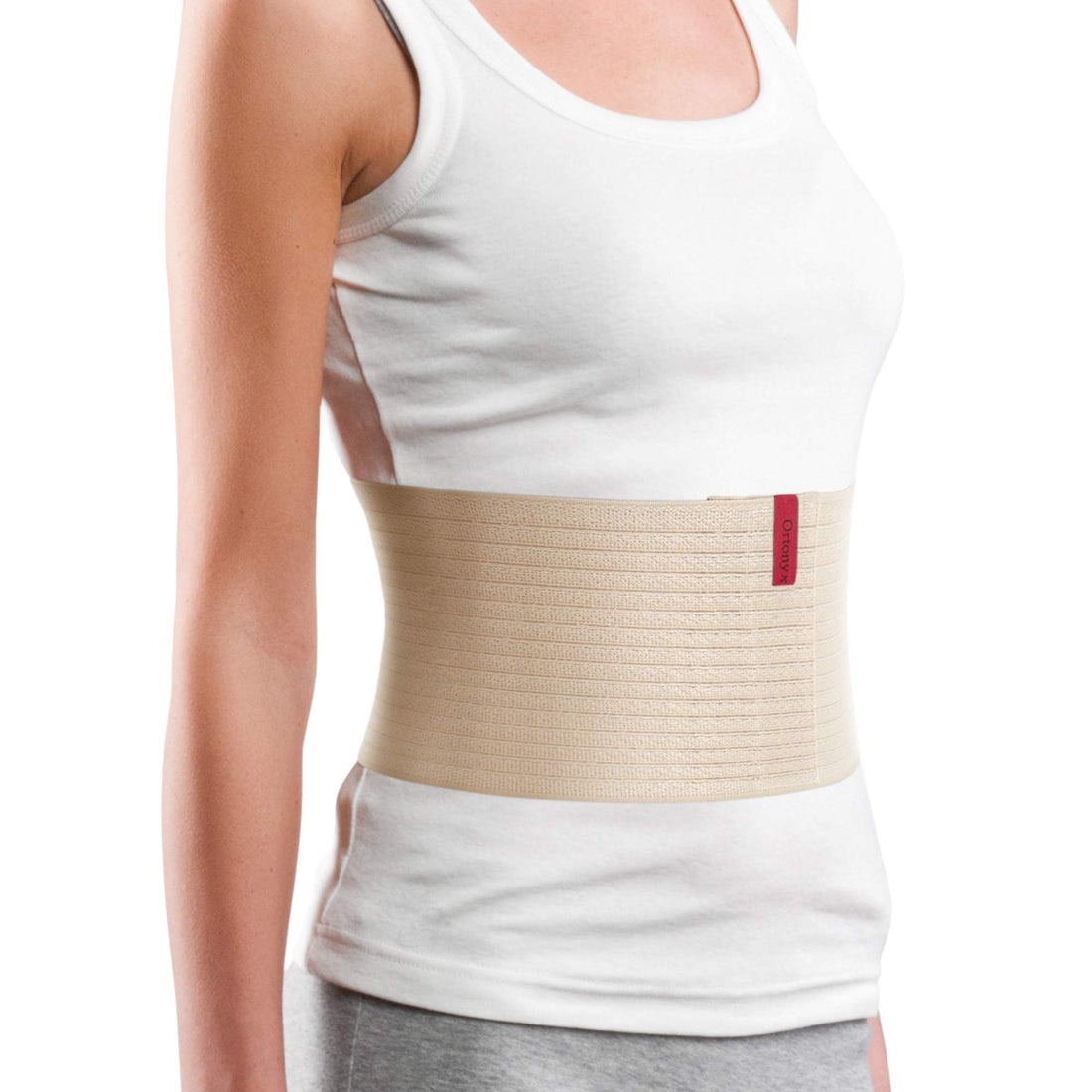
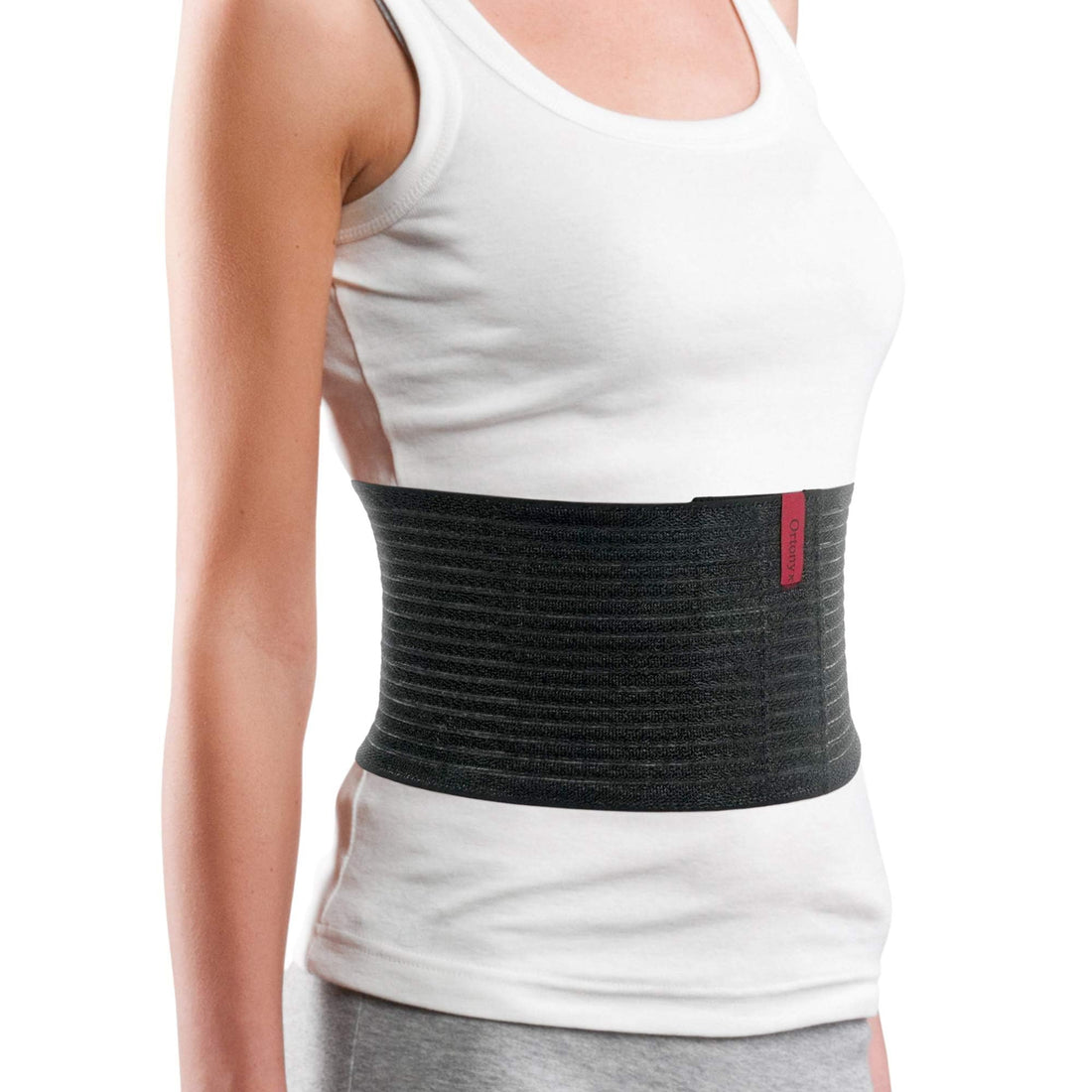
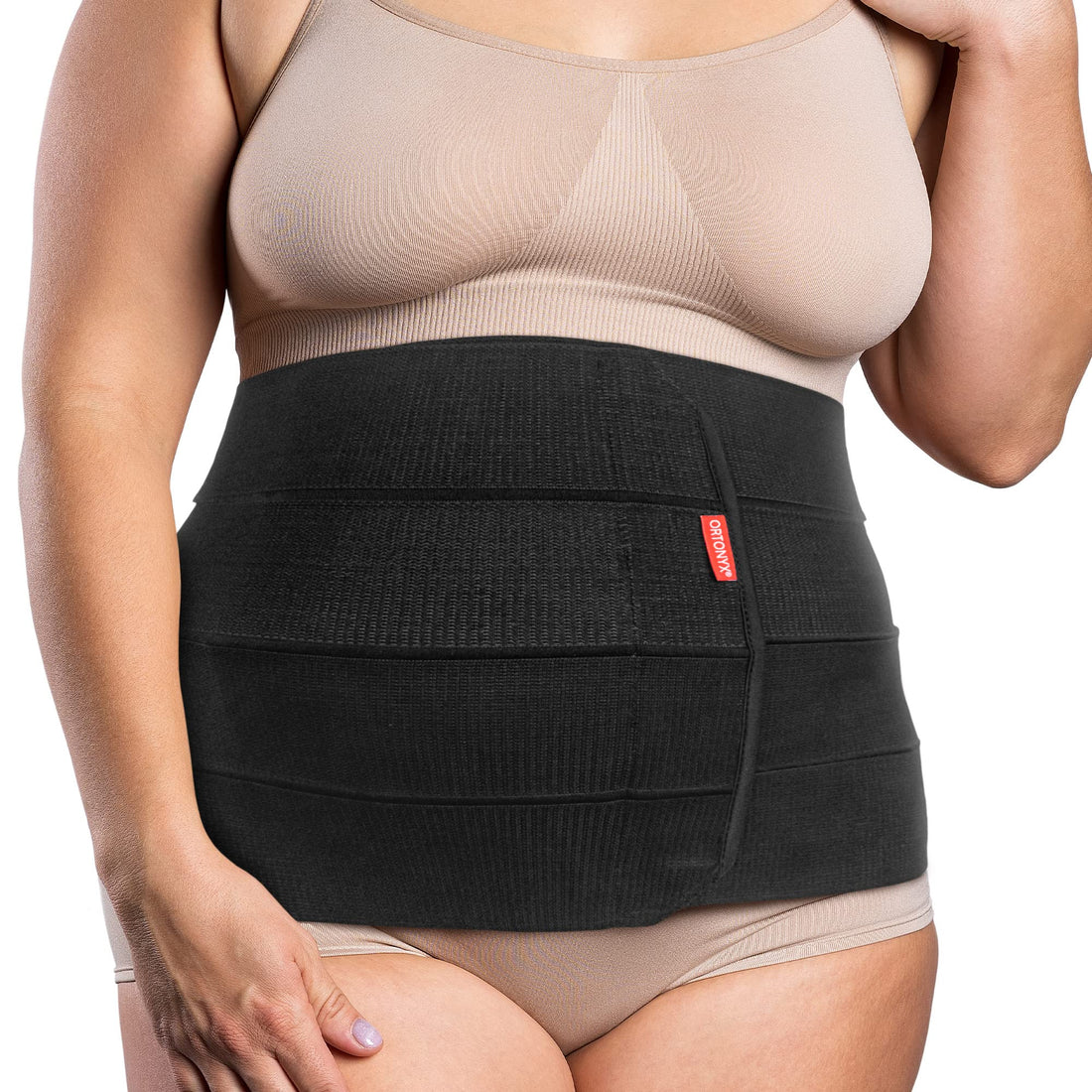
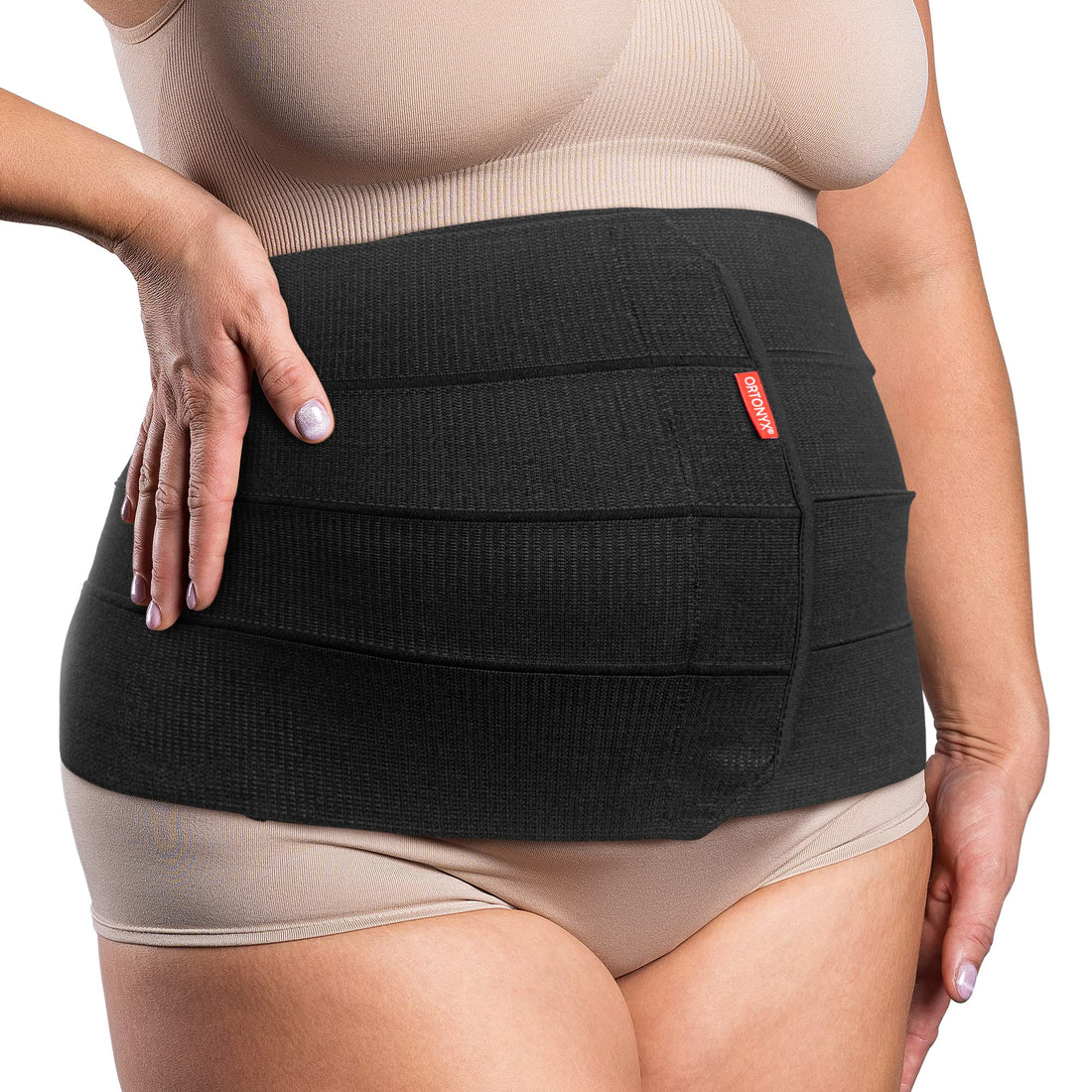
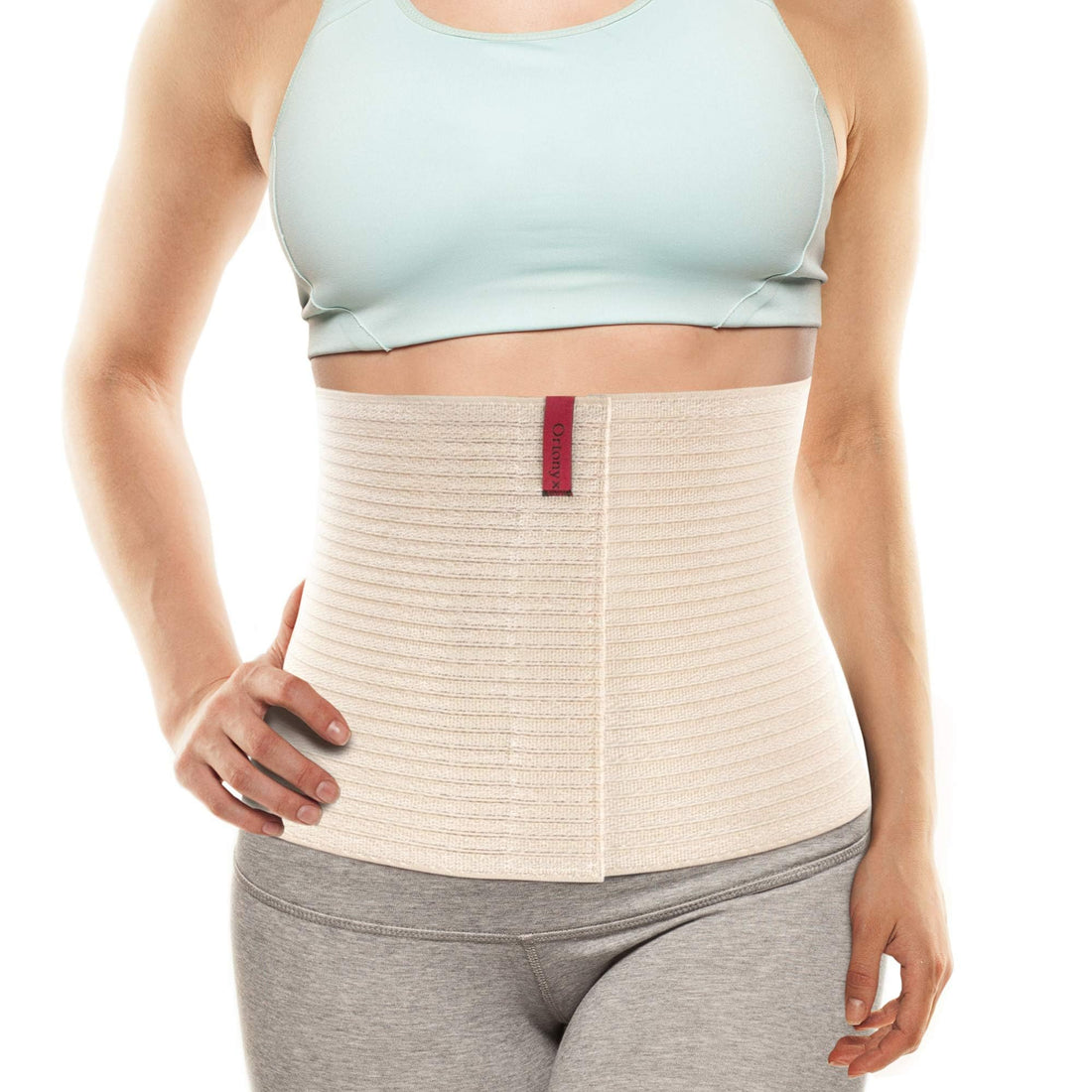
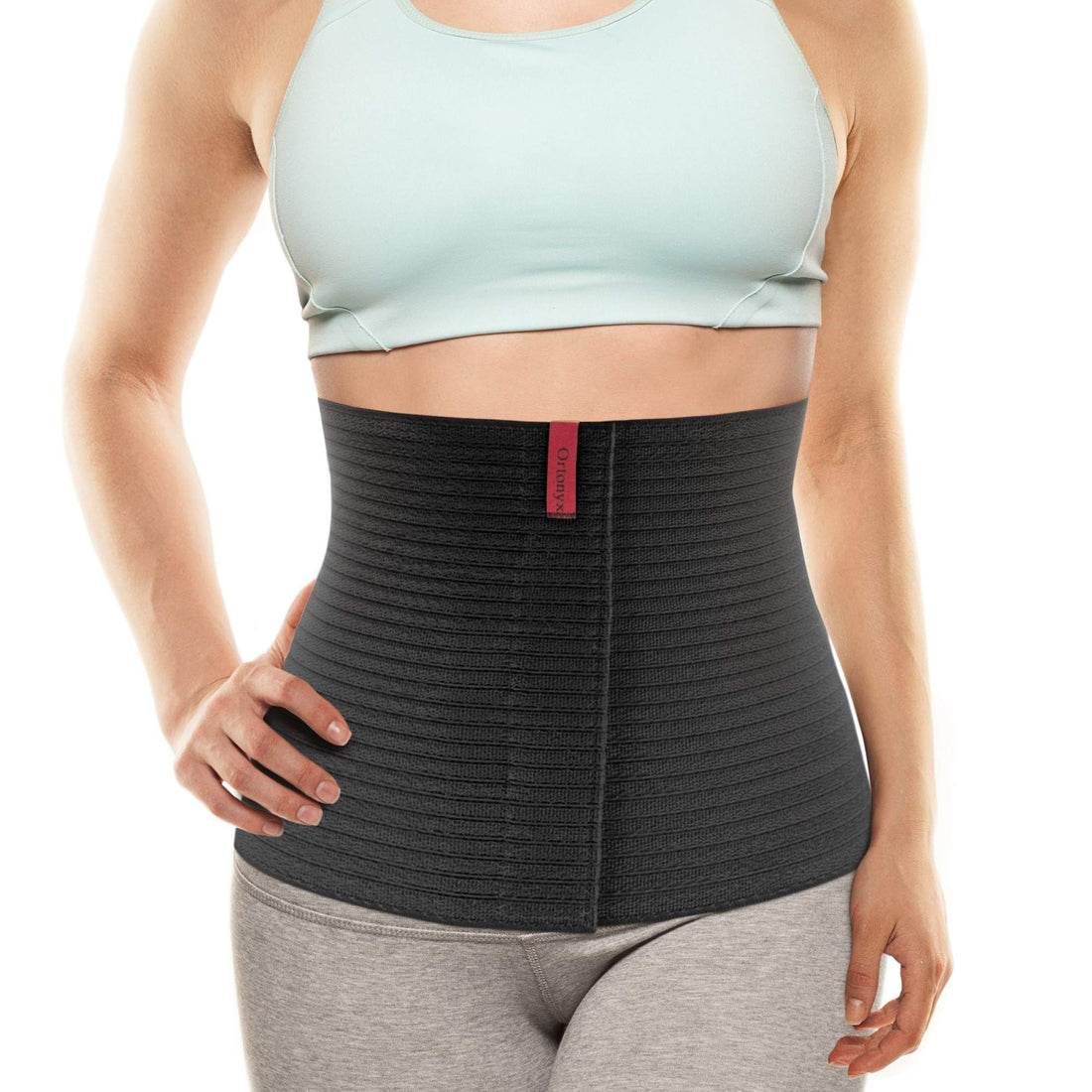
The ORTONYX abdominal binder collection offers multiple options so you can build a comfortable rotation.
Preventive Measures
- Wear a thin cotton layer underneath to absorb sweat
- Keep skin clean and dry before applying
- Trim fingernails before handling to avoid snags
- Remove jewelry that could catch on fabric
- Handle hook-and-loop closures gently
When to Replace Your Abdominal Binder
Signs It's Time for a New One
- Noticeable loss of elasticity or compression
- Fraying edges or visible thinning
- Broken or weakened closures
- Persistent odor despite proper washing
- Reduced support or the binder feels stretched out
Typical Lifespan
- Daily use: 3–6 months
- Occasional use: 6–12 months
- Post-surgical recovery: Follow your doctor's guidance on replacement timing
Material-Specific Care
Cotton-Blend Binders (like ORTONYX)
ORTONYX binders use a cotton-polyester-elastane blend for optimal comfort. These respond well to gentle washing and air drying, maintaining their shape and softness over many uses.
Mesh or Breathable Fabrics
- Handle with extra care to avoid snagging
- Check regularly for pulled threads
- May require more frequent replacement
Neoprene Products
- Rinse thoroughly after each use (especially after sweating)
- Use antibacterial spray between washes
- Always store unfolded and fully dry
Hygiene Between Washes
- Use a gentle antibacterial spray designed for medical garments
- Allow the binder to dry completely before wearing
- Rotate between multiple binders
- Monitor your skin for any reactions
Monthly Deep Clean
Once a month, soak your binder in a diluted white vinegar solution (1 part vinegar to 4 parts water) for 15 minutes. Rinse thoroughly and air dry. This eliminates odor-causing bacteria without damaging the fabric.
Travel Care Tips
- Pack binders in a breathable laundry bag
- Bring a backup binder whenever possible
- Include travel-size gentle detergent
- Plan your washing schedule around your trip
- Protect from spills in your luggage
Frequently Asked Questions
Can I use a regular detergent on my abdominal binder?
We recommend fragrance-free, gentle detergent. Regular detergents with harsh chemicals or fragrances can irritate sensitive post-surgical skin and degrade elastic fibers faster.
How often should I wash my binder?
With daily wear, wash every 2–3 days. If you sweat heavily or wear it directly against skin, wash more frequently. Having multiple binders in rotation makes this much easier.
My binder smells even after washing. What should I do?
Try the vinegar soak method described above. If the odor persists after thorough cleaning and complete drying, it may be time for a replacement.
Can I iron my abdominal binder?
No. Heat from ironing will damage elastic fibers and reduce the binder's compression and support capabilities.
Proper care ensures your abdominal support products deliver reliable comfort throughout your entire recovery. When in doubt, refer to the care label or contact our support team for guidance.