
The Science Behind Abdominal Binder Materials
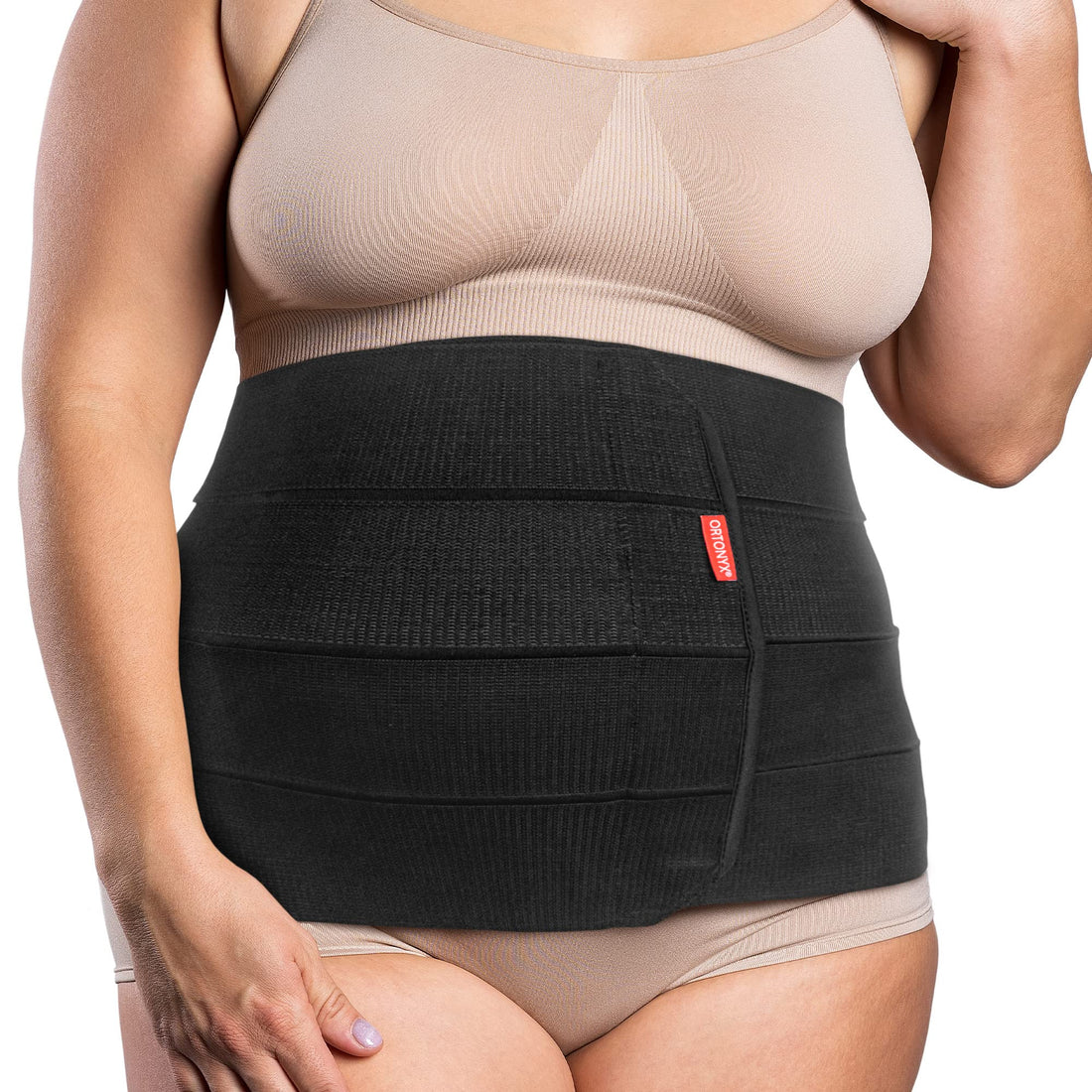
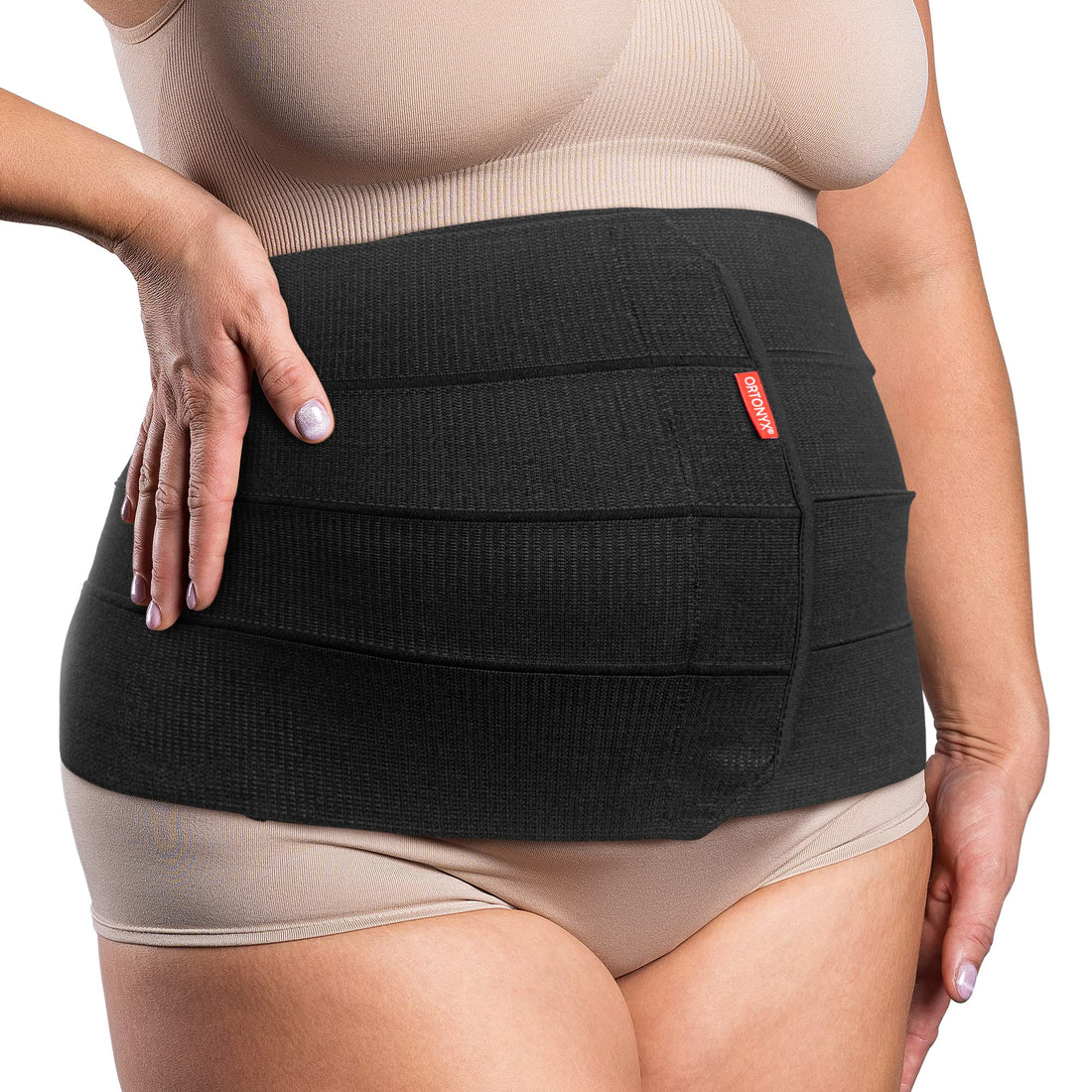
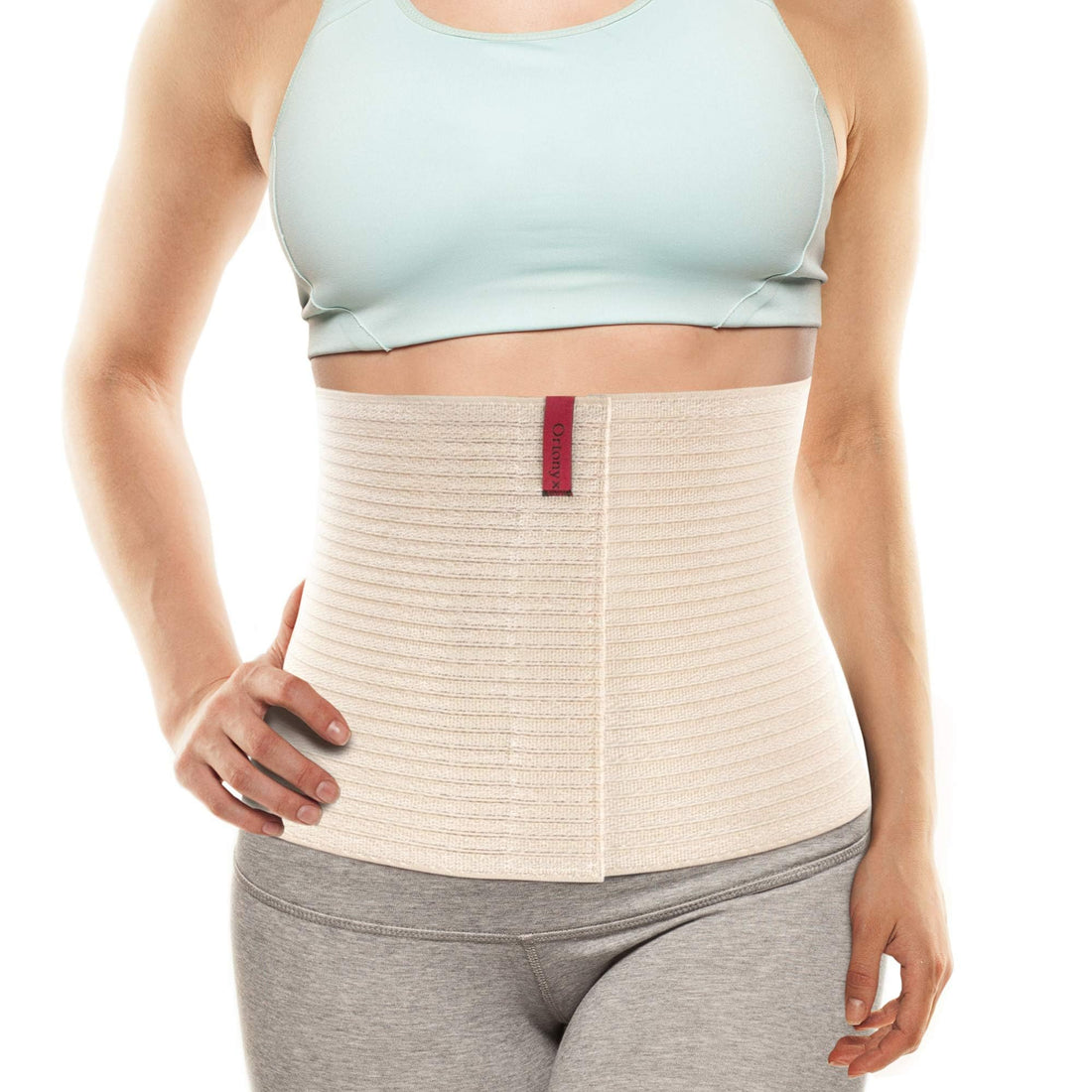
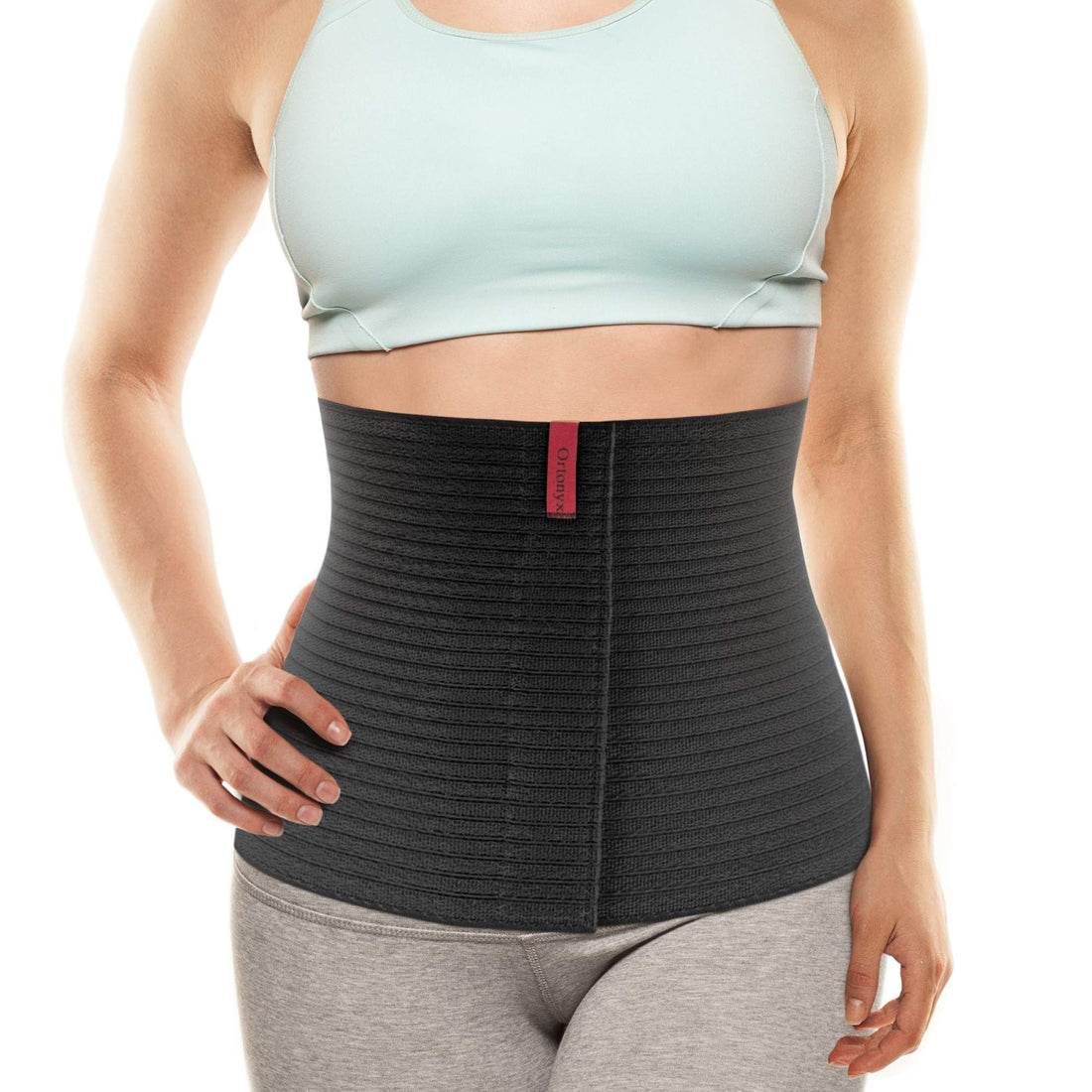
Not all abdominal binders are created equal—and the difference often comes down to materials. The fabric, construction method, and closure system directly affect how comfortable, effective, and durable your binder will be. Understanding these elements helps you make an informed choice for your specific recovery needs.
Core Fabric Types
Medical-Grade Elastic Blends
The gold standard for modern abdominal binders. Quality elastic blends (like the cotton-polyester-elastane combination used in ORTONYX abdominal binders) offer:
- Consistent, predictable compression
- Excellent shape retention after repeated wear and washing
- Latex-free construction safe for sensitive skin
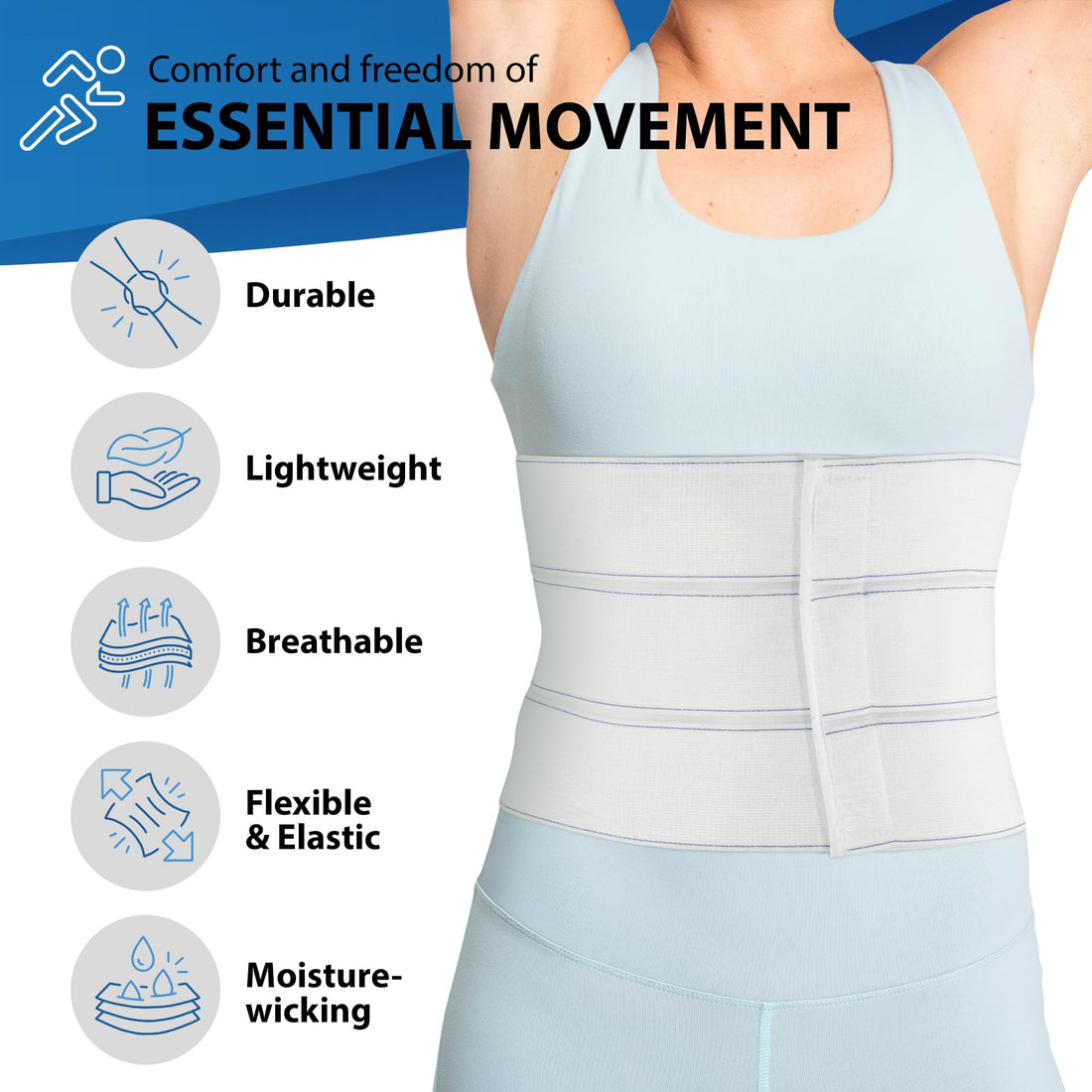
- Two-way or four-way stretch that moves with your body
- Breathability for all-day comfort
Cotton Blends
Benefits:
- Natural breathability reduces heat buildup
- Soft hand-feel, gentle against post-surgical skin
- Effective moisture absorption
- Lower risk of allergic reactions
Considerations:
- May lose shape faster than synthetic-heavy blends
- Requires more frequent washing
- Provides less compression than pure synthetic materials
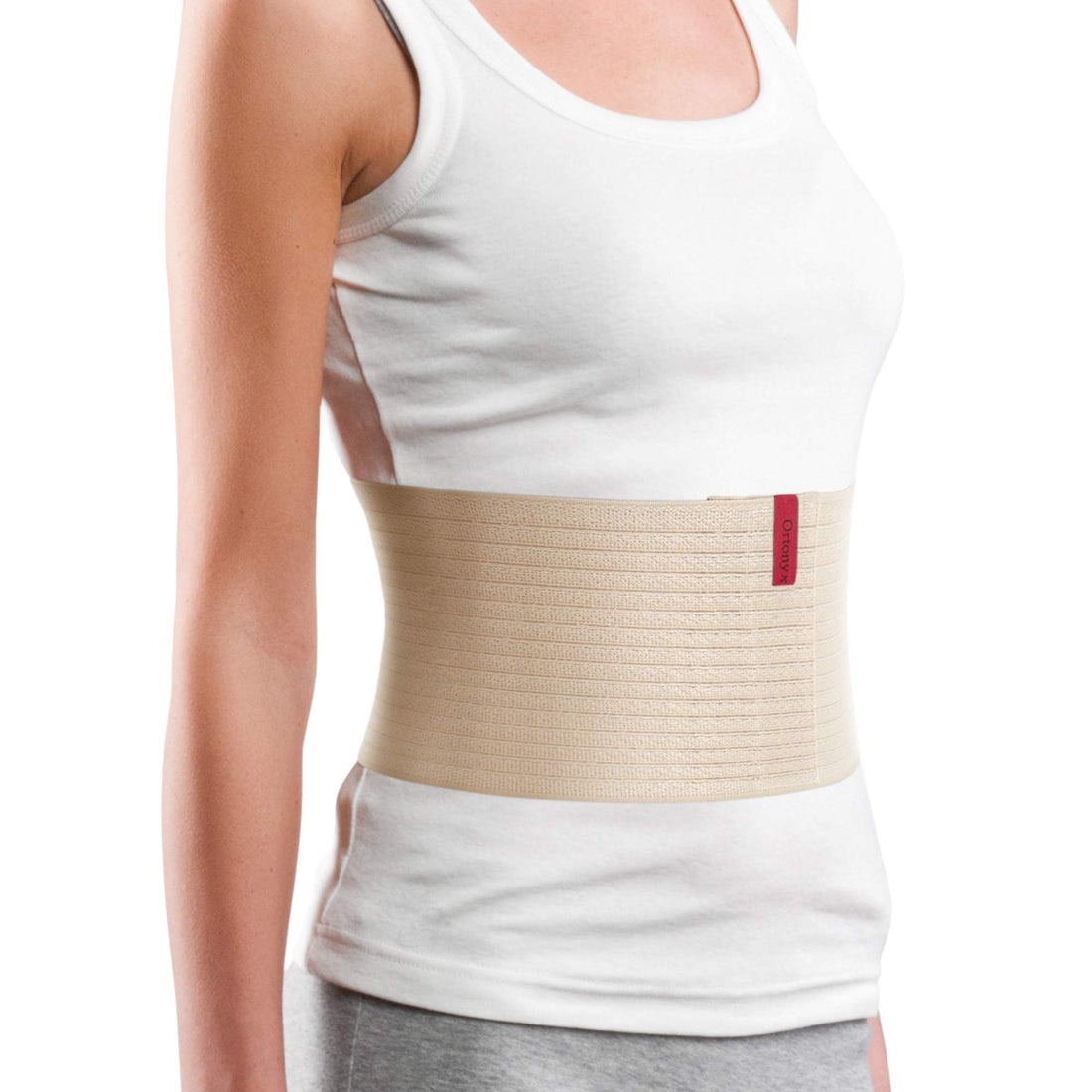
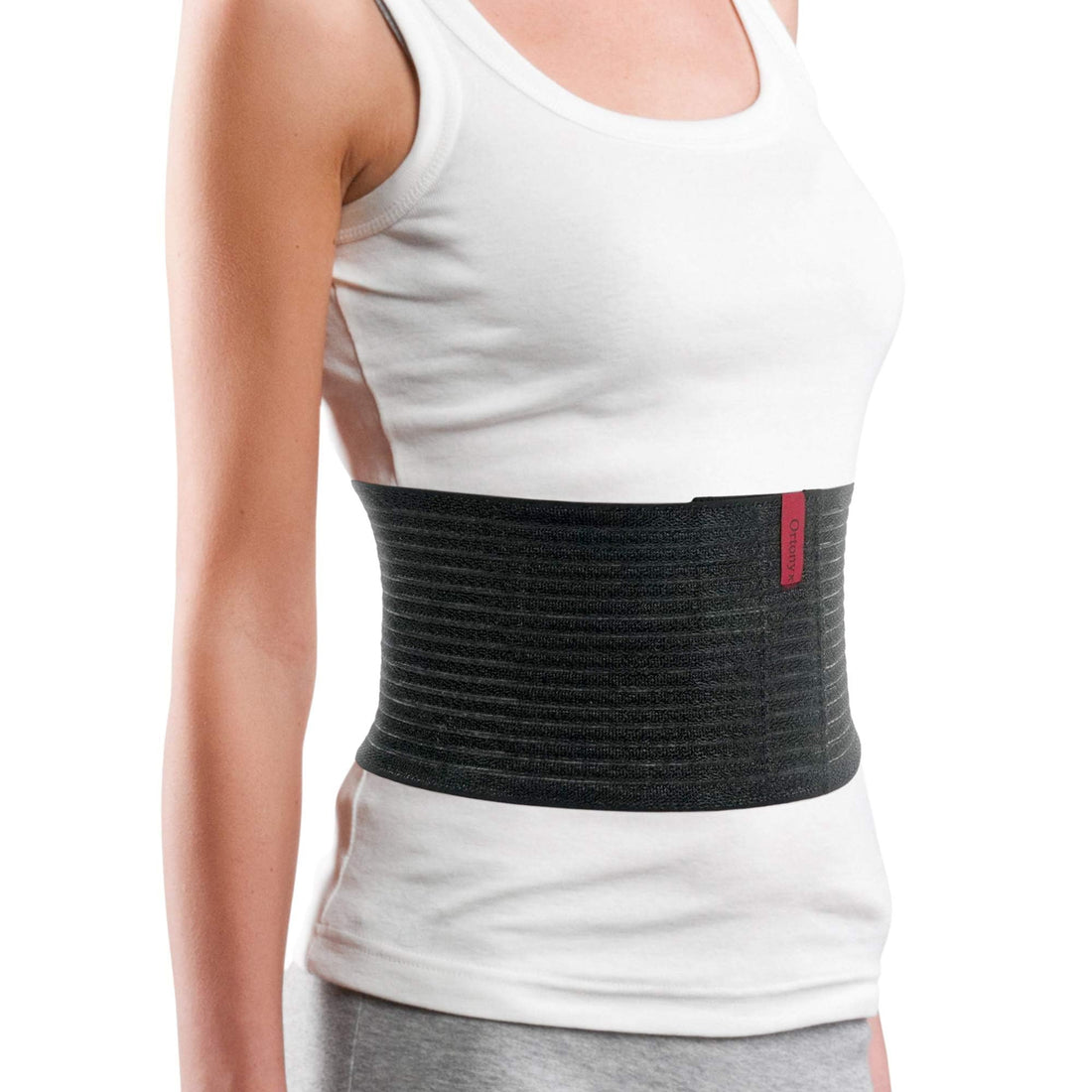
ORTONYX binders use a 39% Cotton, 34% Polyester, 27% Elastane blend—balancing cotton's skin-friendly properties with the compression and durability of synthetic fibers.
Neoprene
Advantages: Strong compression, water-resistant, extremely durable, provides therapeutic warmth.
Drawbacks: Traps heat and moisture, may irritate sensitive skin, less breathable, requires more careful cleaning.
Power Net Elastic
Used in medical-grade compression garments: stronger compression, excellent recovery, breathable mesh structure, ideal for intensive post-surgical support.
Advanced Fabric Technologies
Moisture-Wicking Fabrics
Polyester microfiber blends that actively pull sweat away from skin. Especially valuable for active recovery, warm-weather wear, extended daily use, and reducing bacterial growth.
Antimicrobial Treatments
Some premium binders incorporate silver-ion or antimicrobial technology that prevents odor, reduces infection risk, and extends comfortable wear time between washes.
Construction Features That Make a Difference
Closure Systems
Hook-and-Loop (Velcro): The most popular choice. Easy to adjust, secure hold, allows precise compression control. Used in most ORTONYX binders.
Zipper closures: Smooth under-clothing profile and consistent compression, but less adjustable.
Pulley systems: Provide mechanical advantage for patients with limited hand strength, but add complexity and cost.
Panel Design
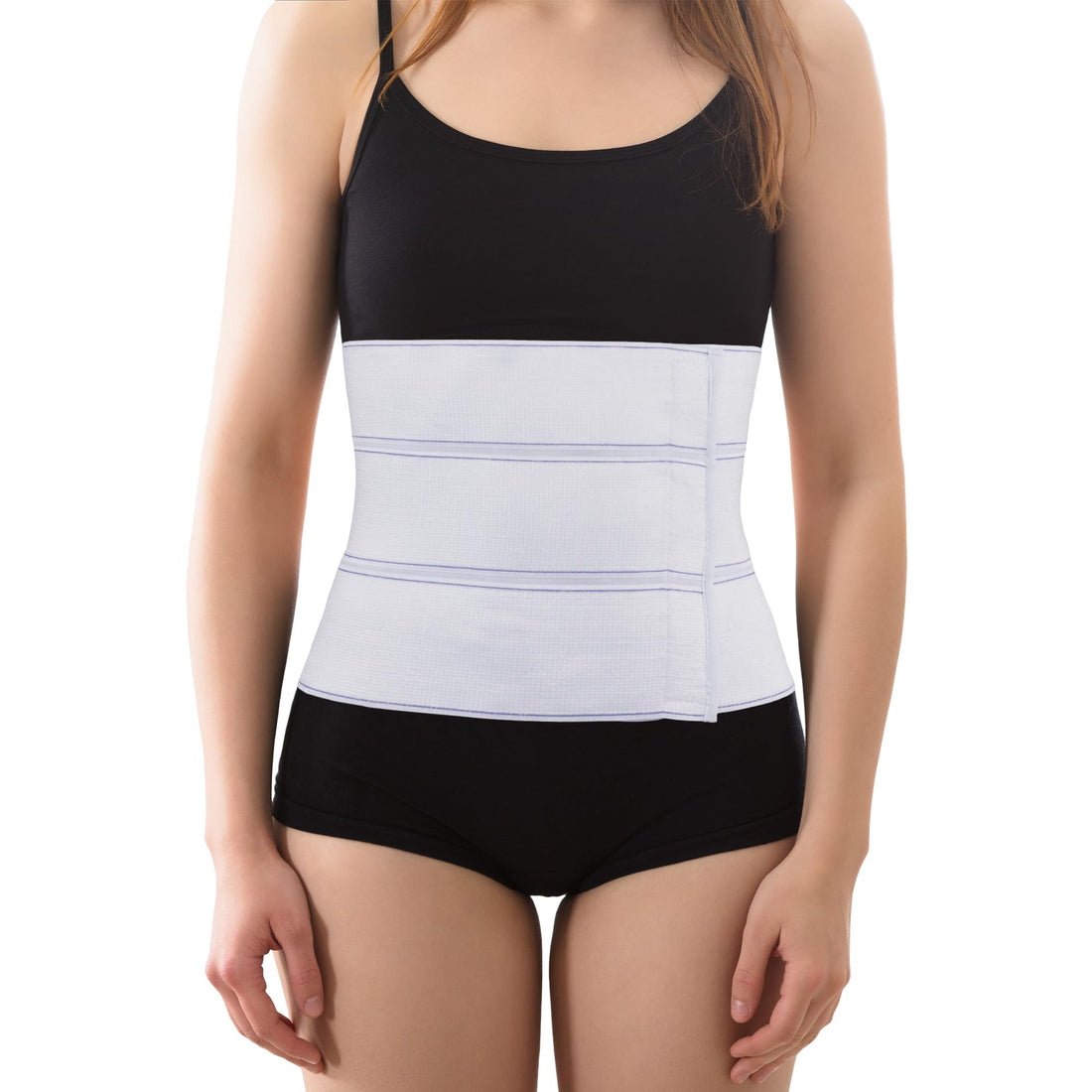
- Single-panel: Simple, uniform compression. Best for general support.
- Multi-panel: Targeted compression zones that conform better to body shape. Reduces rolling and bunching.
- Overlapping panels: Maximum adjustability, accommodates significant swelling changes.
Stays and Boning
Flexible plastic stays (like those in the ORTONYX 10.25" binder) prevent rolling and bunching, maintain consistent shape, provide additional structural support, and are usually removable for washing.
Choosing Materials by Use Case
Post-Surgical Recovery
Look for: Medical-grade elastic blend, antimicrobial properties, adjustable compression, breathable construction, latex-free.
Hernia Management
Look for: Firm compression materials, targeted support panels, durable construction, washable fabrics. The ORTONYX Umbilical Hernia Belt combines firm compression with an integrated support pad.
Postpartum Use
Look for: Soft, stretchy materials with gradual compression, skin-friendly fabrics, easy nursing access.
Quality Indicators
- Reinforced stitching at stress points
- Covered or finished edges that won't irritate skin
- Colorfast materials that won't bleed or fade
- Consistent stretch recovery across the full surface
- Clear care instructions from the manufacturer
Red Flags to Avoid
- Visible glue or adhesive residue
- Rough or unfinished edges
- Strong chemical odor
- Excessive pilling after minimal use
- Inconsistent compression
- No manufacturer information or sizing data
Frequently Asked Questions
What's the best material for sensitive skin?
Cotton-blend fabrics are generally safest. Look for latex-free construction and avoid neoprene if you're prone to skin reactions. Wearing a thin cotton layer underneath adds an extra buffer.
Do materials affect how long a binder lasts?
Absolutely. Higher elastane content means better compression longevity. Following proper care instructions significantly extends any binder's lifespan.
Is neoprene or fabric better for post-surgery?
For most post-surgical applications, breathable fabric blends are preferred. They allow air circulation around the incision site and reduce moisture buildup.
Why does ORTONYX use a cotton-polyester-elastane blend?
This combination delivers cotton's breathability, polyester's durability, and elastane's consistent compression—the same approach used in many clinical-grade medical garments.
The right material choice can make the difference between a comfortable recovery and a frustrating one. Invest in quality materials that match your specific needs.