Free Shipping on All Orders
30-Day Easy Returns | FDA Registered Devices
ORTONYX
Cart 0
  • Product Collections
    • Abdominal Binders
    • Hernia Belts
    • Back Braces
    • Posture Correctors
    • Shoulder Stability & Compression Sleeves
    • Chest Braces
    • Ostomy Belts
    • Knee & Ankle Braces
    • Arm Braces
    • Crutches
    • Kids' Products
    • Maternity Support
  • Shop by Body Part
    • Arm, Shoulder & Elbow
    • Hand, Wrist & Finger Support
    • Hip & Waist (Abdominal Binders & Hernia Belts)
    • Chest & Rib Supports
    • Back, Neck & Clavicle
    • Leg & Knee
    • Ankle & Foot
  • Best Selles
  • Blog
    • Company News
    • Health & Support Guides
My Account
Log in Register
ORTONYX
  • Product Collections
    • Abdominal Binders
    • Hernia Belts
    • Back Braces
    • Posture Correctors
    • Shoulder Stability & Compression Sleeves
    • Chest Braces
    • Ostomy Belts
    • Knee & Ankle Braces
    • Arm Braces
    • Crutches
    • Kids' Products
    • Maternity Support
  • Shop by Body Part
    • Arm, Shoulder & Elbow
    • Hand, Wrist & Finger Support
    • Hip & Waist (Abdominal Binders & Hernia Belts)
    • Chest & Rib Supports
    • Back, Neck & Clavicle
    • Leg & Knee
    • Ankle & Foot
  • Best Selles
  • Blog
    • Company News
    • Health & Support Guides
Account Wishlist Cart 0

Search our store

ORTONYX
Account Wishlist Cart 0
Popular Searches:
Belt Brace Support Back Posture
Home Health & Support Guides
Health & Support Guides

Understanding Diastasis Recti: Complete Guide to Abdominal Separation

by ORTONYX Team on Feb 08, 2026
Understanding Diastasis Recti: Complete Guide to Abdominal Separation

What is Diastasis Recti?

Diastasis recti occurs when the rectus abdominis muscles (your "six-pack" muscles) separate along the midline of your abdomen. The connective tissue called the linea alba that normally holds these muscles together stretches and thins, creating a gap that can range from mild to severe.

Key Facts About Diastasis Recti:

  • Affects approximately 60% of postpartum women
  • Can also occur in men, infants, and women who haven't given birth
  • Medically defined as a gap of 2.7 cm (about 1 inch) or more between abdominal muscles
  • Often develops during the third trimester of pregnancy
  • May not be noticeable until several weeks after delivery

Common Causes and Risk Factors

Primary Causes:

  • Pregnancy – The most common cause, as the growing uterus puts significant pressure on abdominal muscles
  • Multiple pregnancies – Risk increases with each pregnancy
  • Carrying multiples – Twin or triplet pregnancies create additional stretching
  • Advanced maternal age – Older mothers may have less elastic connective tissue

Additional Risk Factors:

  • Obesity or significant weight gain
  • Heavy lifting with improper form
  • Chronic coughing or sneezing
  • Previous abdominal surgeries
  • Genetic predisposition to weak connective tissue
  • Rapid weight changes

Recognizing the Signs and Symptoms

Visual Indicators:

  • A visible bulge or "pooch" in the middle of your abdomen
  • A ridge running down the midline of your belly when contracting abs
  • Belly that appears to dome or cone during certain movements
  • Persistent bloated appearance

Physical Symptoms:

  • Lower back pain or discomfort
  • Poor posture
  • Pelvic floor dysfunction
  • Constipation or bloating
  • Difficulty with core stability
  • Feeling of weakness in the abdominal area

How to Check for Diastasis Recti

Self-Assessment Test:

  1. Lie on your back with knees bent at 90 degrees, feet flat on the floor
  2. Place your fingers horizontally across your belly button
  3. Lift your head slightly off the ground, drawing chin to chest
  4. Feel for a gap between the muscles
  5. Measure the width – if you can fit 2 or more fingers, you likely have diastasis recti
  6. Check multiple points – test above and below the belly button as gaps can vary

Professional Diagnosis:

  • Physical examination by healthcare provider
  • Ultrasound for precise measurements
  • Assessment of connective tissue quality
  • Evaluation of associated conditions

The Role of Abdominal Binders in Recovery

Abdominal binders provide crucial support during the recovery process.

Immediate Benefits:

  • Stabilizing the core – Provides external support while muscles heal
  • Reducing discomfort – Minimizes pain from stretched tissues
  • Improving posture – Helps maintain proper alignment
  • Supporting daily activities – Makes movement more comfortable

Long-term Support:

  • Maintains proper muscle positioning during healing
  • Reduces stress on weakened connective tissue
  • Provides proprioceptive feedback for better body awareness
  • Complements exercise rehabilitation programs

Choosing the Right Abdominal Binder

Key Features to Look For:

  • Adjustable compression – Allows customization as you heal
  • Breathable materials – Ensures comfort during extended wear
  • Proper width – Should cover the entire affected area
  • Quality fasteners – Secure closure that won't slip
  • Appropriate sizing – Measure at the largest part of your abdomen

Recommended Products for Diastasis Recti:

  • 10.25" Abdominal Binder — $27.00 (ideal width for most cases)
  • Ergonomic Breathable Abdominal Binder — $35.50 (tapered design for comfort)
  • 12" Wide Abdominal Binder — $25.00 (maximum coverage)

When to Wear:

  • During daily activities that stress the core
  • While performing approved exercises
  • When lifting or carrying (even light objects)
  • As recommended by your healthcare provider

Recovery Strategies and Timeline

Early Stage (0-6 weeks postpartum):

  • Focus on gentle breathing exercises
  • Wear abdominal binder for support
  • Avoid activities that cause doming
  • Practice proper body mechanics

Progressive Recovery (6-12 weeks):

  • Begin targeted core exercises as approved
  • Continue using abdominal support
  • Gradually increase activity levels
  • Monitor progress with regular self-checks

Long-term Management:

  • Maintain consistent exercise routine
  • Use abdominal binder during challenging activities
  • Focus on whole-body strength and alignment
  • Consider professional guidance if progress plateaus

Exercises to Avoid

Certain movements can worsen diastasis recti:

  • Traditional crunches or sit-ups
  • Planks (until cleared by professional)
  • Heavy lifting without proper support
  • Twisting movements under load
  • Any exercise causing abdominal doming

When to Seek Professional Help

Consult a healthcare provider if you experience:

  • Gap wider than 3 finger-widths
  • Persistent pain or discomfort
  • No improvement after 12 weeks of conservative treatment
  • Bulging that worsens with time
  • Signs of hernia development

Frequently Asked Questions

How long does it take to heal diastasis recti?

Recovery time varies significantly based on severity and consistency of treatment. Mild cases may improve within 6-12 weeks with proper exercises and support. More severe separations can take 6-12 months or longer. Wearing an abdominal binder consistently and following a physical therapist's exercise program typically accelerates healing.

Can men get diastasis recti?

Yes, diastasis recti affects men too. Common causes in men include obesity, yo-yo dieting, improper weightlifting technique, and abdominal surgeries. The treatment approach is similar: core-strengthening exercises, abdominal support, and avoiding movements that worsen the separation.

Will diastasis recti heal on its own without treatment?

Minor separations may improve naturally in the first few months postpartum. However, most cases require targeted intervention—specific exercises, abdominal support, and lifestyle modifications—for meaningful improvement. Without treatment, diastasis recti often persists and may worsen over time.

Can I exercise with diastasis recti?

Yes, but exercise selection matters significantly. Focus on exercises that engage the deep core (transverse abdominis) without causing the abdomen to dome or bulge. Avoid traditional crunches, planks, and heavy lifting until cleared by a professional. Working with a pelvic floor physical therapist ensures safe progression.

Is surgery necessary for diastasis recti?

Surgery is typically reserved for severe cases that don't respond to conservative treatment after 6-12 months, or when a hernia develops. Most people see significant improvement with targeted exercises and proper abdominal support without surgical intervention.


Living with Diastasis Recti

Remember that diastasis recti is a manageable condition. With proper support, targeted exercises, and patience, most people see significant improvement. An abdominal binder can be an invaluable tool in your recovery journey, providing the stability and confidence you need to heal properly.

Key Takeaways:

  • Diastasis recti is common but treatable
  • Early intervention leads to better outcomes
  • Proper support is crucial for recovery
  • Patience and consistency are essential
  • Professional guidance can accelerate healing

Whether you're newly postpartum or dealing with long-standing abdominal separation, understanding your condition is the first step toward recovery. Combined with appropriate medical care and quality abdominal support, you can work toward restoring your core strength and function.


Medical Disclaimer: This information is for educational purposes only and is not intended as medical advice. Always consult with a qualified healthcare professional before using any support device or beginning any exercise program.
Recommended Products

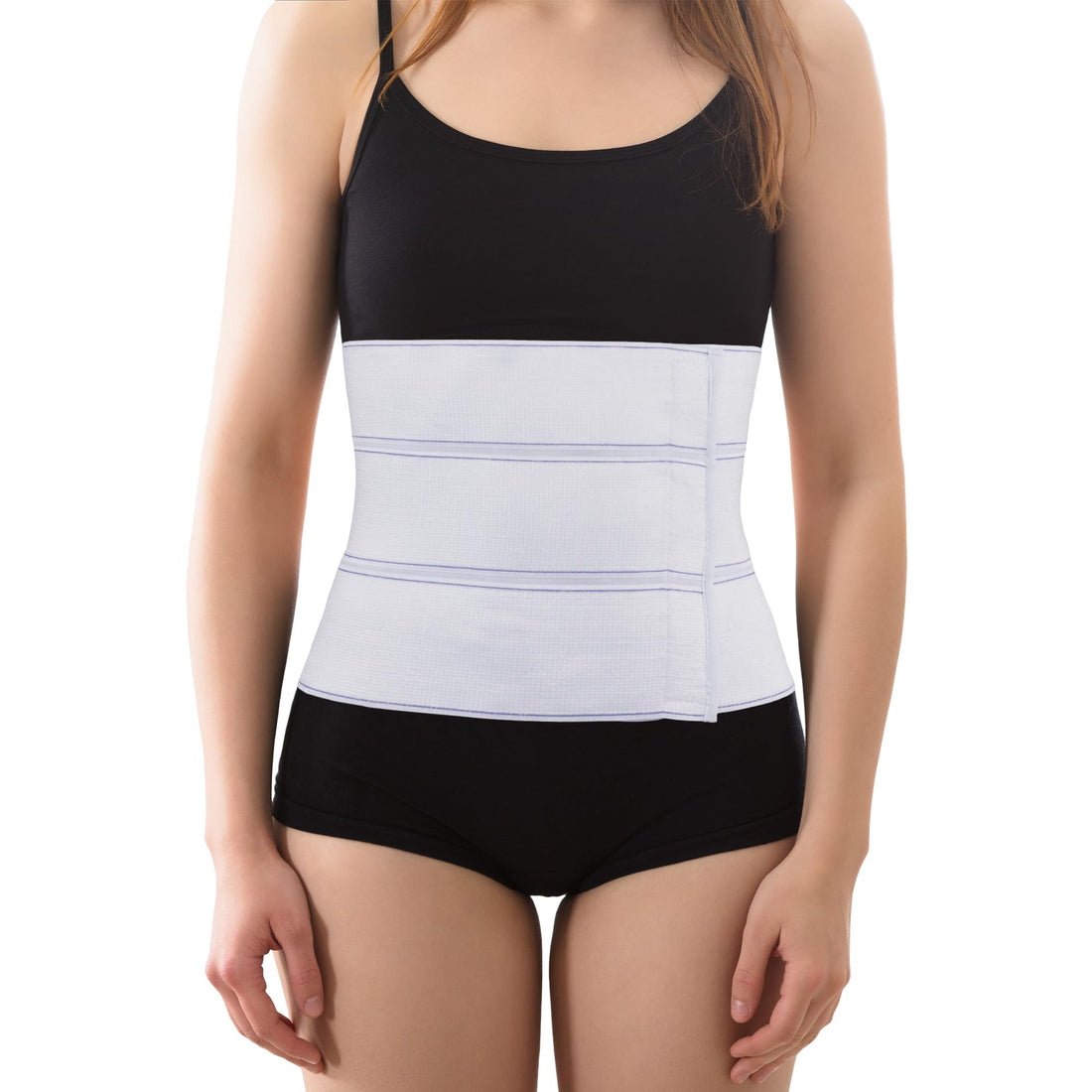
Model wearing white 9-inch elastic abdominal binder, umbilical hernia belt with adjustable closure for postoperative support.
Sold Out

Abdominal Binder for Men & Women, Postpartum Post-operative Post-surgery 9" Wide

(2)
Regular price $21.50
Sale price $21.50 Regular price $25.50
Unit price
/
White
Key Features 9 in (22.9 cm) coverage: Broad abdominal and lumbo‑sacral support with even pressure...
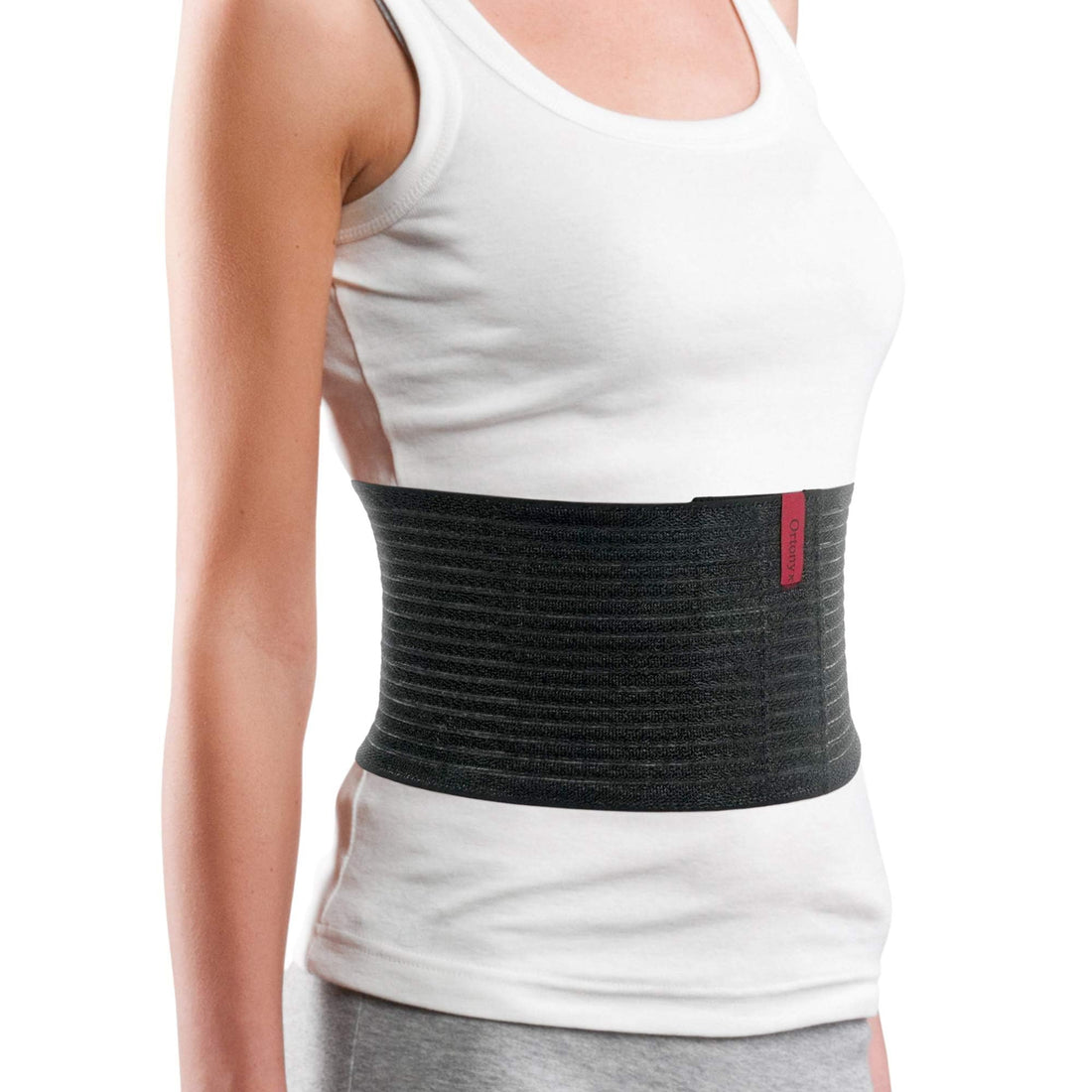
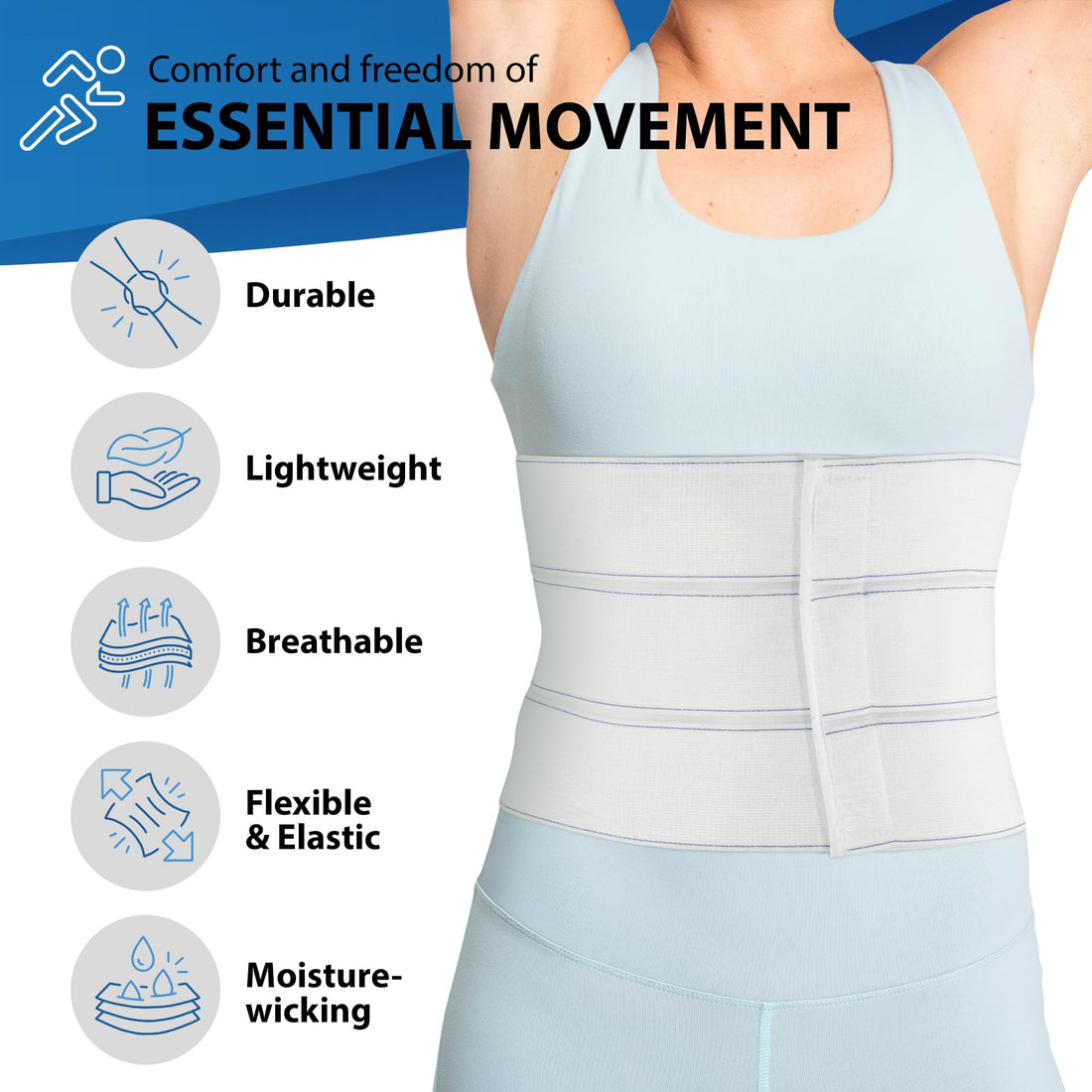
ORTONYX 6.25 inch abdominal binder on torso, breathable elastic lumbo-sacral support wrap for adjustable compression
Sold Out

Abdominal Binder for Men and Women - 6.25" Wide

(467)
Regular price $24.50
Sale price $24.50 Regular price $29.99
Unit price
/
Beige
Black
Key Features 6.25 in (15.9 cm) targeted height: Offers focused abdominal and lumbosacral support without...
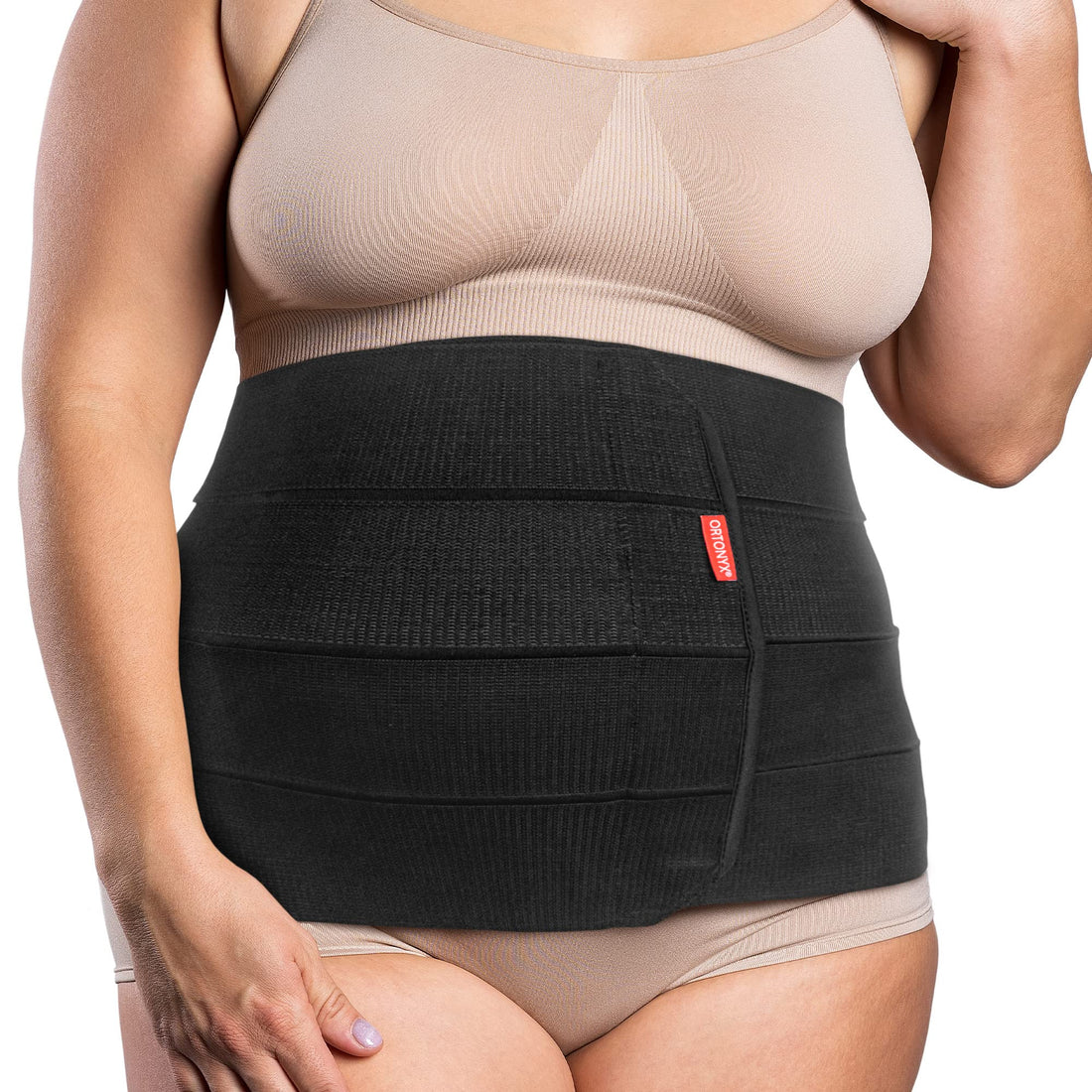
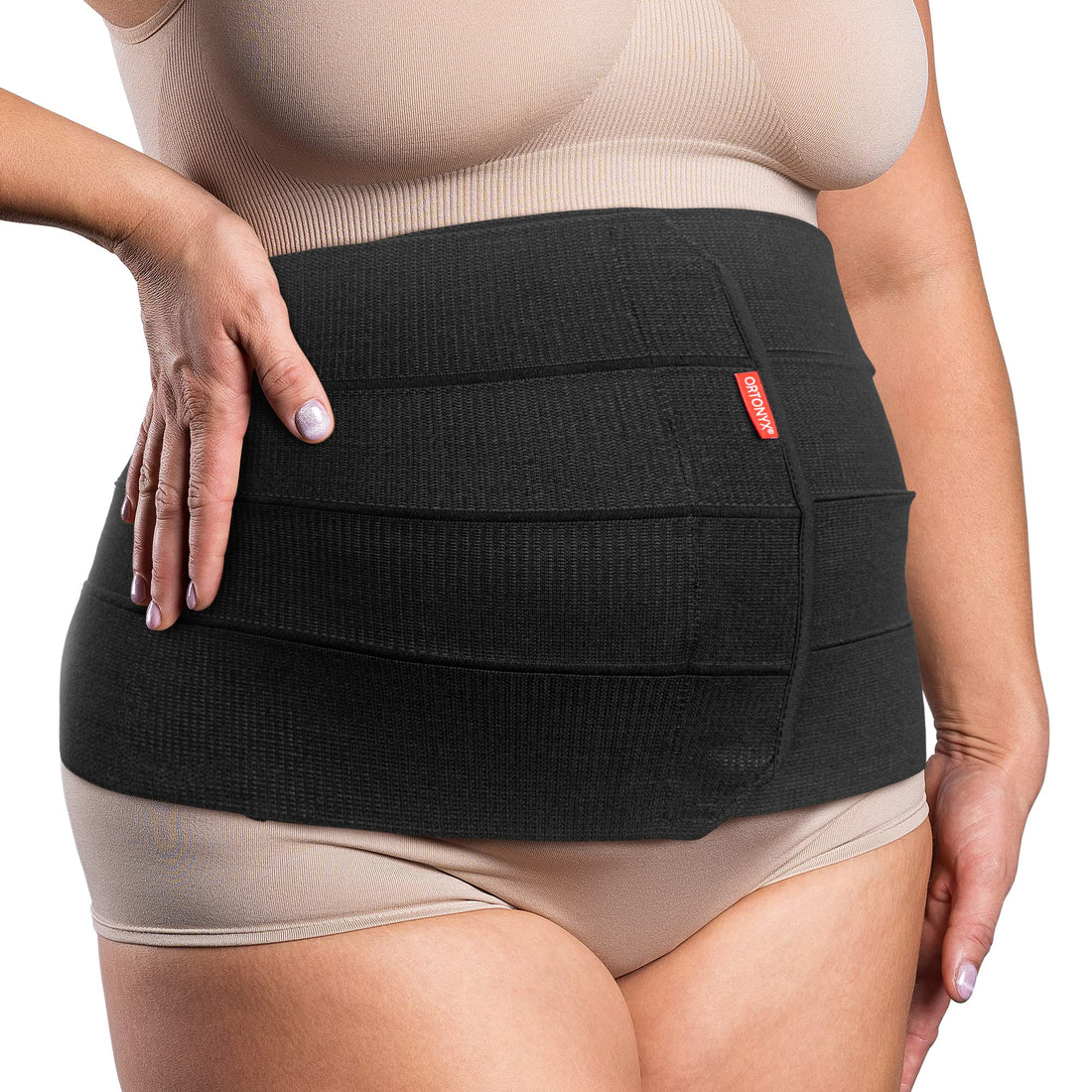
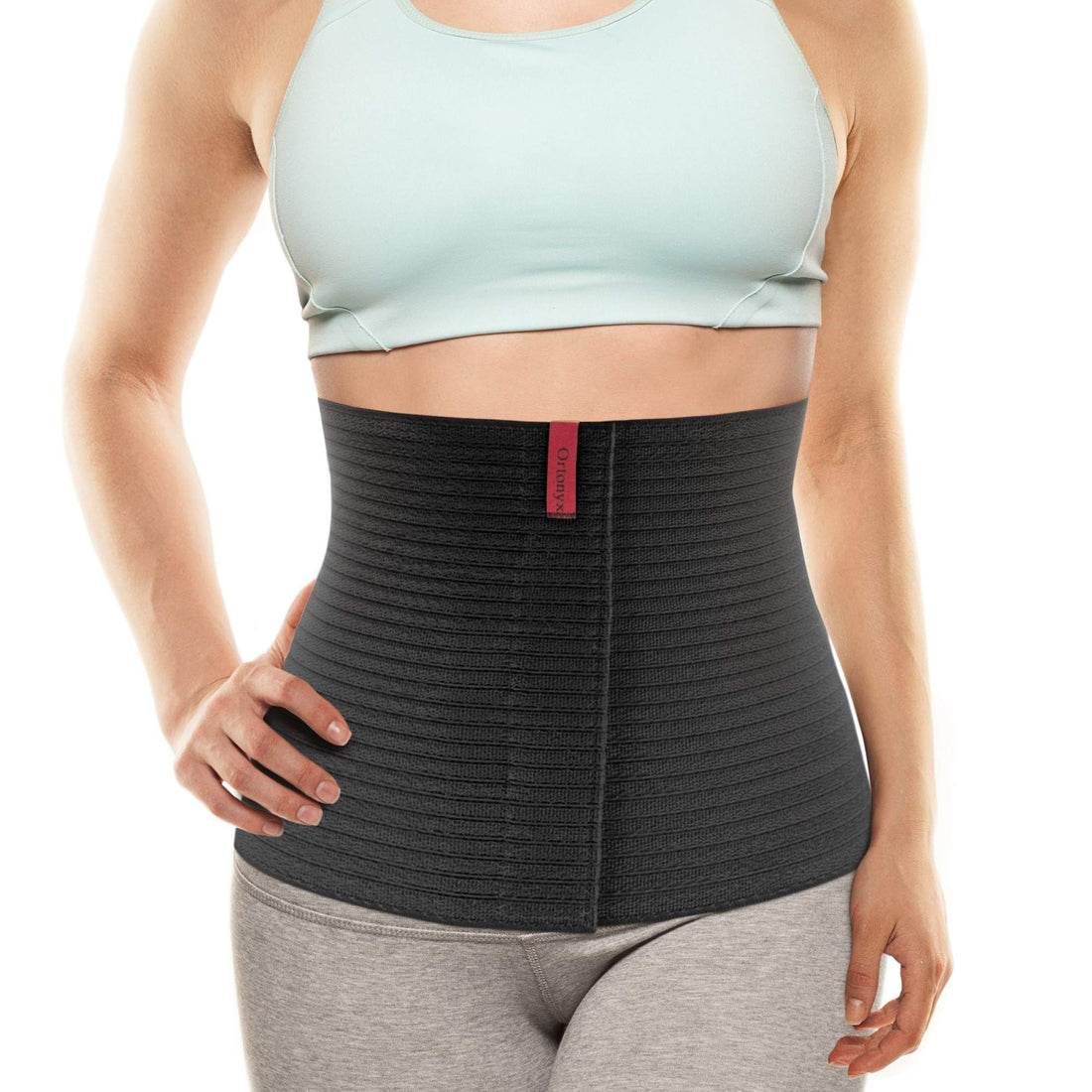
ORTONYX 12-inch abdominal binder on torso, black panel with adjustable closure; bariatric postoperative/postpartum support
Sold Out

Abdominal Binder for Men and Women 12" Wide

(37)
Regular price $25.00
Sale price $25.00 Regular price $32.00
Unit price
/
Black
White
Key Features 12" (30.5 cm) wide panel: Broad coverage distributes compression evenly across the abdomen...
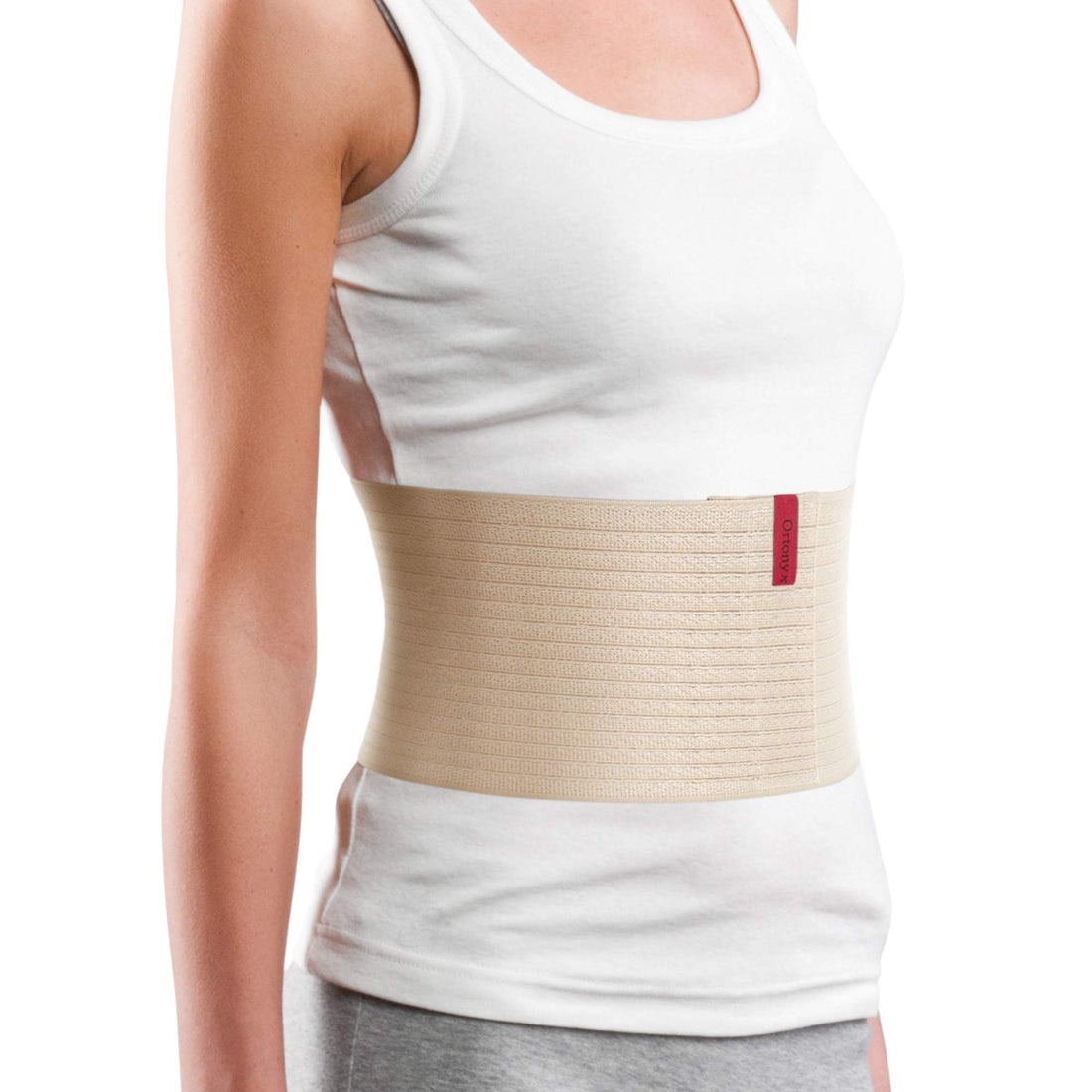
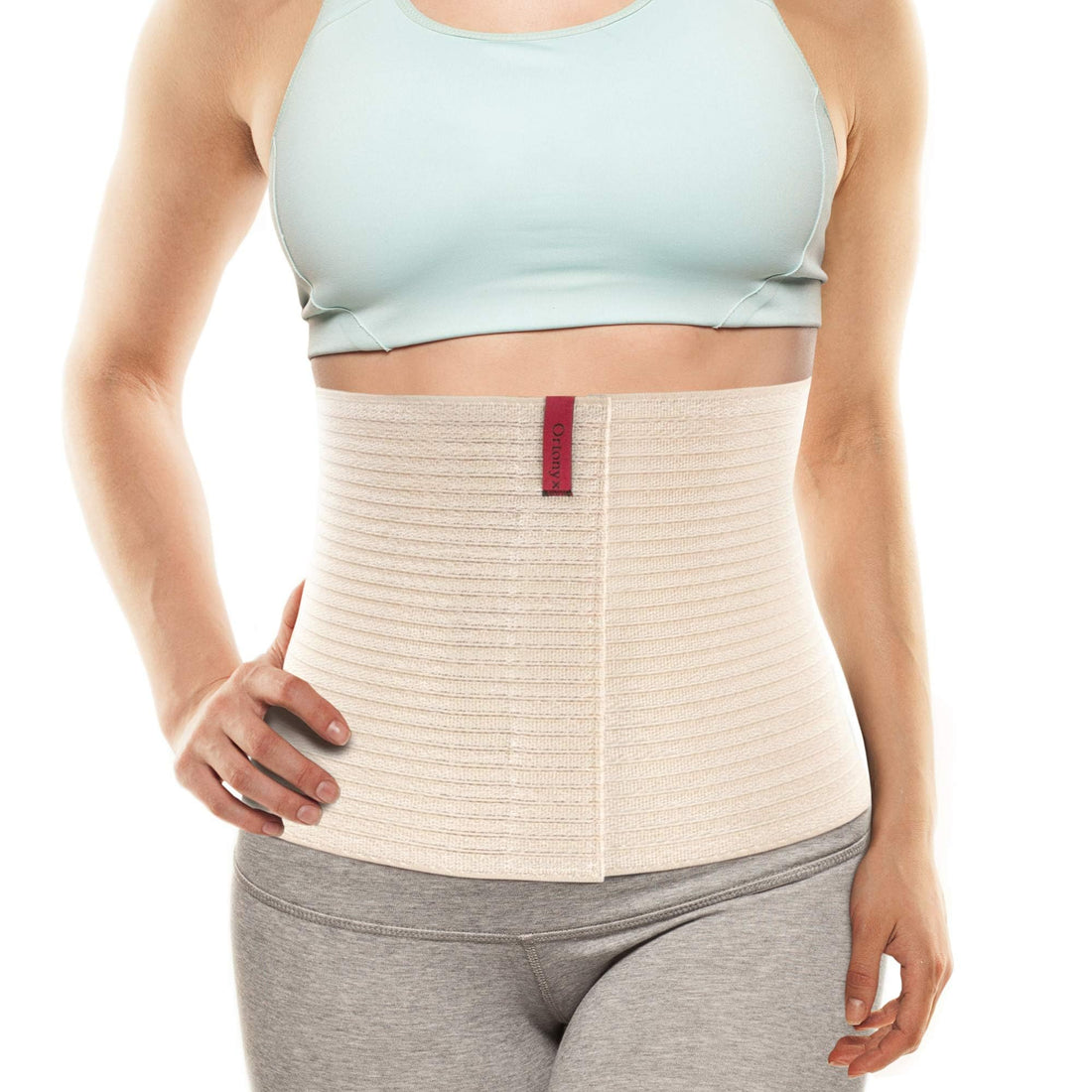
ORTONYX abdominal binder 524010 on torso, beige ribbed breathable elastic with Velcro-adjustable closure, 10.25 in height
Sold Out

Abdominal Binder for Men and Women Postpartum Post-Operative Post-Surgery Band 10.25" Wide

(313)
Regular price $27.00
Sale price $27.00 Regular price $35.50
Unit price
/
Beige
Black
Key Features Breathable elastic: Airy fabric supports ventilation for cooler, drier wear during extended use....
Tags: abdominal binder, maternity belt
Previous
Parastomal Hernia: Complete Support and Management Guide for Ostomy Patients
Next
ORTONYX Silicone Core Hernia Pad: Turn Any Binder Into a Hernia Belt

Related Articles

Older adult wearing ORTONYX back support brace for arthritis pain relief at home
arthritis

Arthritis Back Pain: How Support Braces Provide Relief

Arthritis in the spine is one of those conditions that makes everything harder. Getting out...
Person wearing ORTONYX posture corrector brace at office desk demonstrating proper posture
back pain

Do Posture Correctors Actually Work? What the Research Says

Let's be honest — if you've been Googling "do posture correctors work," you're probably skeptical....
Person wearing ORTONYX lumbar back brace for herniated disc support at home
back brace

Herniated Disc Support: Choosing the Right Back Brace

A herniated disc can stop you in your tracks. One moment you're bending down to...
New mother wearing ORTONYX postpartum abdominal binder during C-section recovery
abdominal binder

Post-C-Section Recovery: Your Guide to Abdominal Support

A cesarean section is major abdominal surgery — even though it's one of the most...

Tags

  • 4th and 5th finger splint
  • 5th finger splint
  • abdominal binder
  • abdominal hernia
  • abdominal hernia belt female
  • abdominal hernia support belt
  • abdominal support
  • ACL recovery
  • ACL surgery
  • ankle brace
  • ankle sprain
  • ankle support
  • arthritis
  • arthritis pain relief
  • arthritis support
  • athletic hernia support
  • back brace
  • back pain
  • back pain relief
  • back support
  • bariatric
  • bariatric surgery
  • belly binder
  • belly button hernia
  • boxer fracture
  • boxers fracture splint
  • brace care
  • brace maintenance
  • bruised ribs
  • buyer's guide
  • buying guide
  • c-section
  • C-section recovery
  • carpal tunnel
  • cesarean
  • chest support
  • children's support
  • clavicle brace
  • clavicle support
  • cleaning medical supports
  • compression benefits
  • compression garments
  • compression sleeves
  • compression therapy
  • costochondritis
  • daily living
  • diabetic foot care
  • diabetic socks
  • diastasis recti
  • disc herniation
  • DME coverage
  • elbow support
  • epigastric hernia
  • ergonomic braces
  • evidence
  • exercise
  • extended size
  • FAQ
  • finger splint
  • foot support
  • foot support diabetes
  • fracture recovery
  • fractured ribs
  • gastric sleeve
  • golfer's elbow
  • groin hernia
  • guide
  • hand injury
  • heart surgery recovery
  • heel pain
  • hernia
  • hernia belt
  • hernia belt comparison
  • hernia belt for men
  • hernia belt for women
  • hernia daily tips
  • hernia diagnosis
  • hernia management
  • hernia prevention
  • hernia prevention athletes
  • hernia recovery timeline
  • hernia risk factors
  • hernia support
  • hernia support belt
  • hernia surgery
  • hernia surgery recovery
  • hernia symptoms
  • hernia treatment
  • hernia truss
  • hernia truss for men
  • hernia types
  • herniated disc
  • improve posture
  • incisional hernia
  • inguinal hernia
  • inguinal hernia belt
  • inguinal hernia truss
  • insurance coverage
  • intercostal strain
  • joint braces
  • joint pain
  • kids orthopedic
  • knee brace
  • knee pain
  • knee support
  • kyphosis
  • living with hernia
  • lordosis
  • lower back pain
  • lumbar support
  • lymphatic support
  • lymphedema
  • materials
  • maternity belt
  • maternity support belt
  • medical braces insurance
  • medical support travel
  • mens health
  • mens hernia support
  • navel hernia
  • nerve pain
  • office support
  • open heart surgery
  • osteoarthritis
  • ostomy
  • parastomal hernia
  • pediatric braces
  • pelvic pain pregnancy
  • pinky finger splint for fracture
  • pinky splint
  • plantar fasciitis
  • plus size
  • post operative recovery
  • post surgery support
  • post-hernia surgery
  • post-surgery
  • post-surgery support
  • post-surgical support
  • postpartum
  • postpartum belly band
  • postpartum support
  • posture
  • posture brace
  • posture correction
  • posture corrector
  • posture support
  • pregnancy
  • pregnancy back support
  • pregnancy support
  • prenatal back support
  • prenatal care
  • product review
  • recovery
  • recovery timeline
  • rib and chest support brace
  • rib brace
  • rib cage support
  • rib injury
  • rotator cuff
  • sciatica
  • sciatica pregnancy
  • scoliosis brace
  • scoliosis management
  • seasonal brace care
  • shoulder back brace
  • shoulder brace
  • shoulder support
  • sizing guide
  • slipped disc
  • spinal arthritis
  • spinal curve
  • spine
  • spine support
  • sports hernia
  • sternum brace
  • sternum healing
  • sternum support brace
  • summer winter support
  • surgical recovery
  • tennis elbow
  • travel with braces
  • TSA medical devices
  • types of hernias
  • umbilical hernia
  • umbilical hernia belt
  • umbilical hernia binder
  • upper back pain
  • weather and braces
  • weight loss surgery
  • women
  • workplace ergonomics
  • wrist brace
  • wrist support

Instagram

Let’s get in touch

Sign up for our newsletter and receive 10% off your first order

Quick link

  • Product Collections
  • Shop by Body Part
  • Best Selles
  • Blog

Company

  • About us
  • Contact us
  • Store Policy
  • Company News
  • Health & Support Guides

Follow ORTONYX

Stay connected with ORTONYX for orthopedic support tips, recovery advice, and exclusive updates on our latest products.

© ORTONYX 2016
Payment options:
  • Amazon
  • American Express
  • Apple Pay
  • Diners Club
  • Discover
  • Google Pay
  • Mastercard
  • PayPal
  • Shop Pay
  • Venmo
  • Visa
Cart 0

Shopping Cart

Your cart is currently empty.
Add note for seller
Add a discount code
Subtotal $0.00
  •  
  •  
  •  
One or more of the items in your cart is a recurring or deferred purchase. By continuing, I agree to the cancellation policy and authorize you to charge my payment method at the prices, frequency and dates listed on this page until my order is fulfilled or I cancel, if permitted.
View Cart