
What to Expect: Your Recovery Roadmap
Every surgical recovery is unique, but understanding typical timelines helps you set realistic expectations and track your progress. This guide outlines general recovery phases after abdominal surgery and explains how proper abdominal support aids healing at each stage.
Phase 1: Immediate Post-Operative (Days 0–7)
In the Hospital
- Abdominal support is often applied in the recovery room
- The binder helps with initial mobility—getting out of bed, walking to the bathroom
- Reduces pain during movement, coughing, and breathing exercises
- Provides incision stabilization
First Days at Home
- Wear your binder as directed by your surgeon (typically during all waking hours)
- Focus on comfort—don't overtighten
- Monitor your incision site daily
- Adjust the binder as post-operative swelling fluctuates
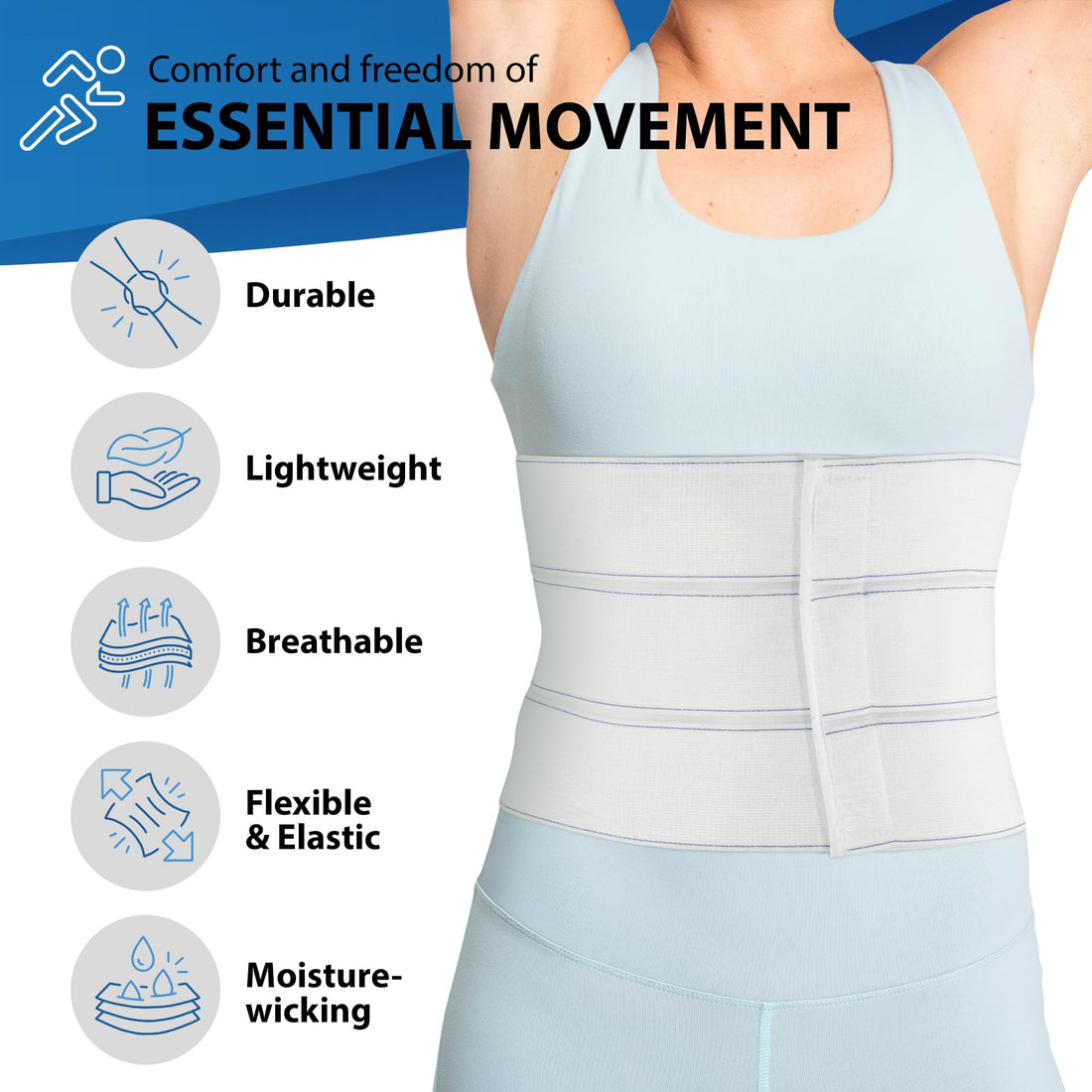
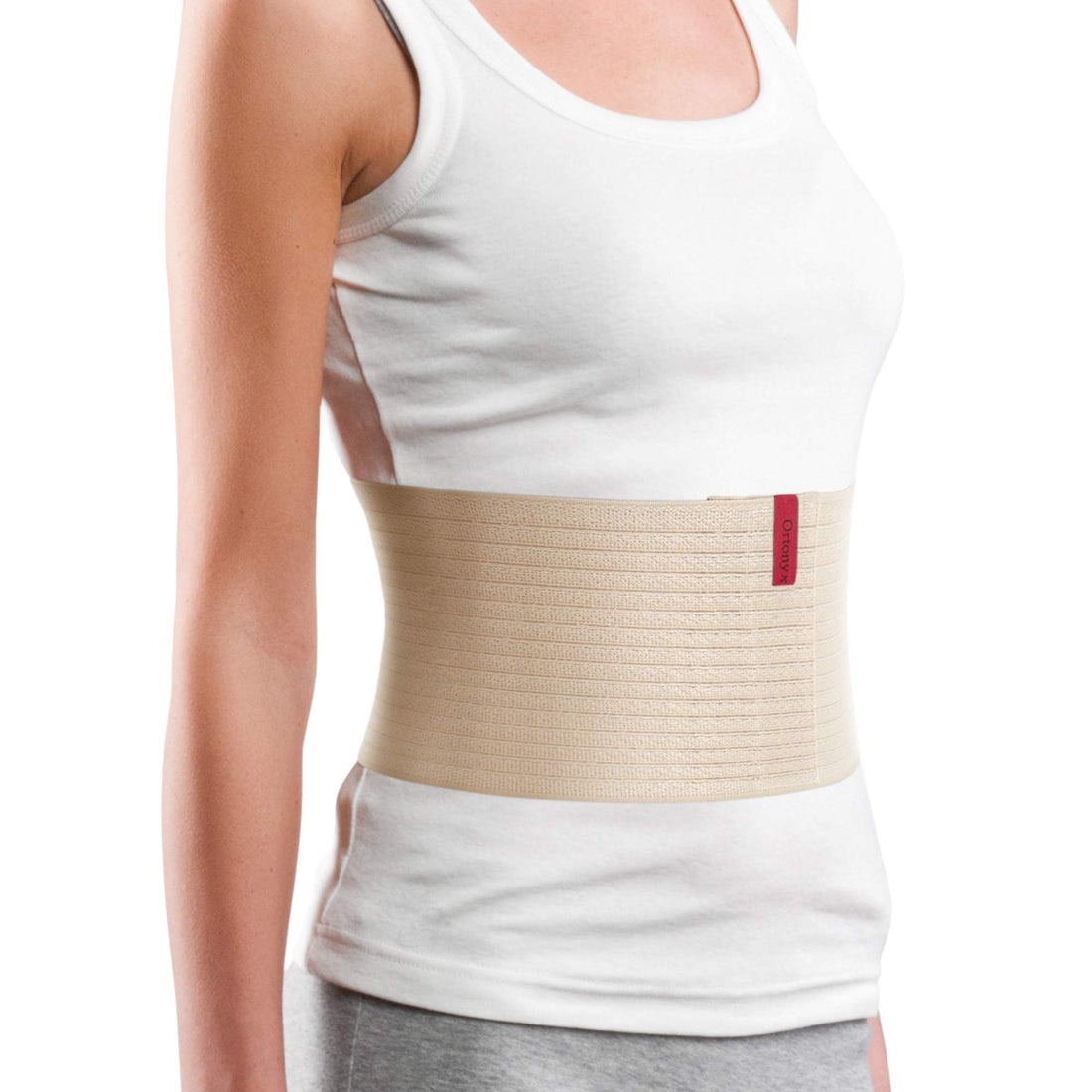
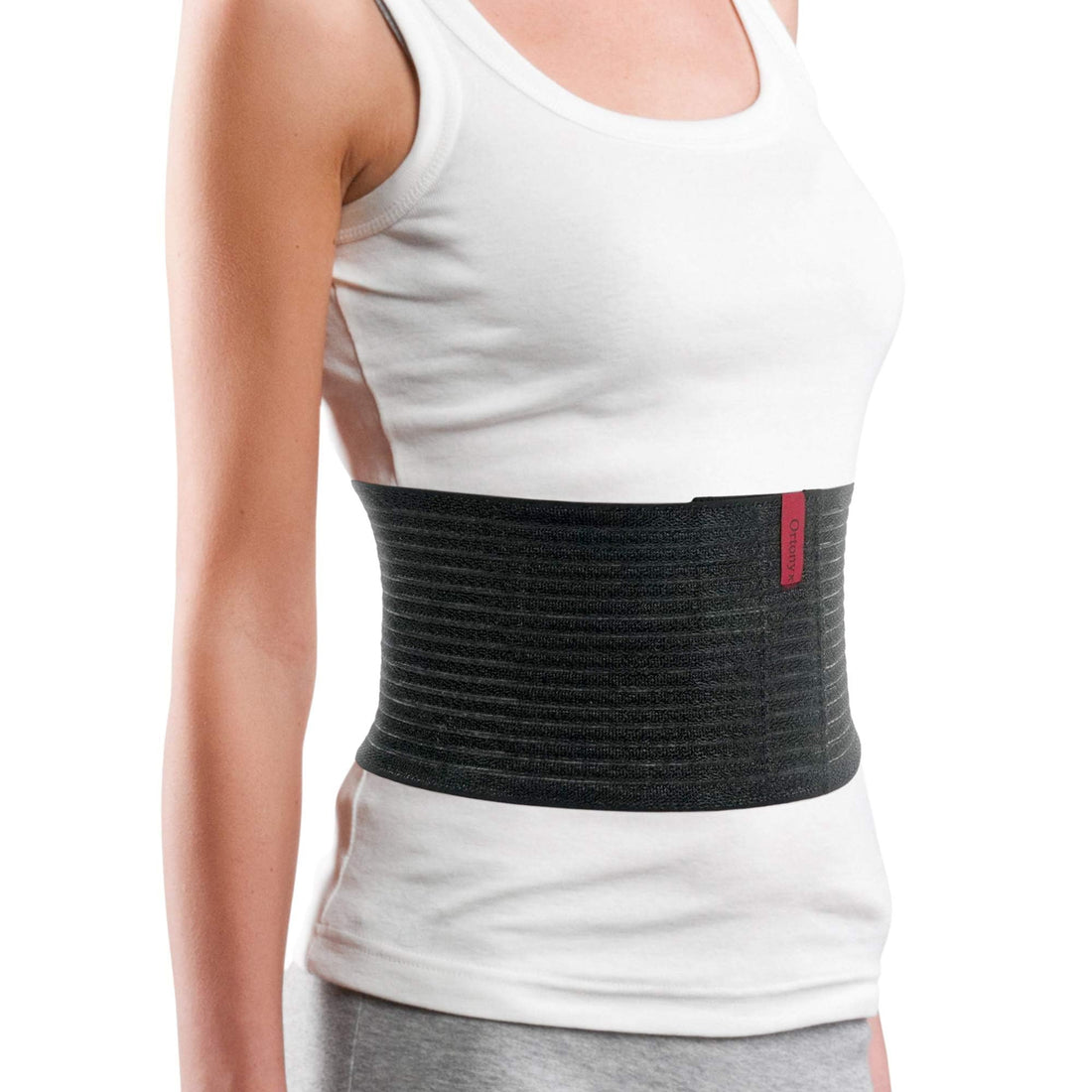
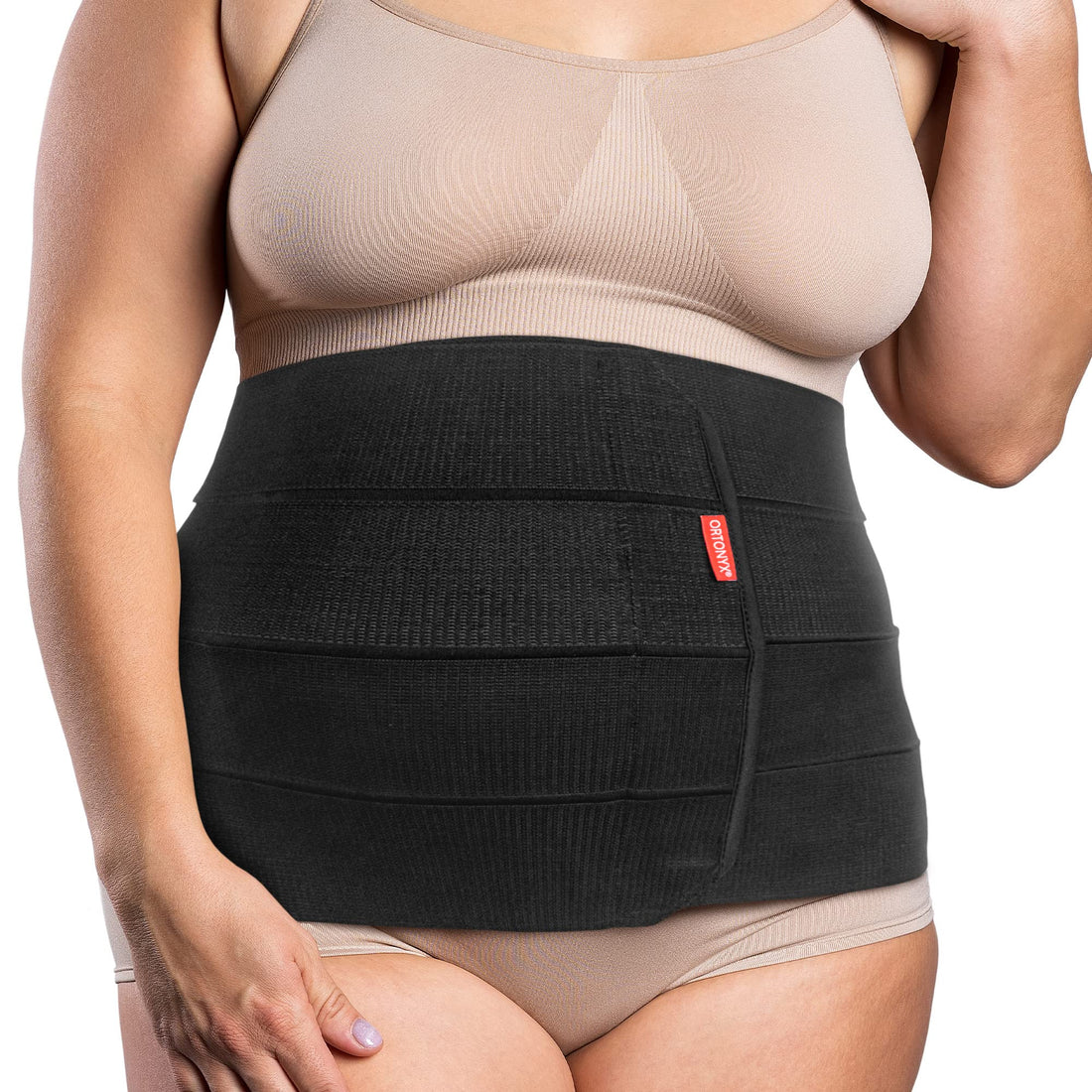
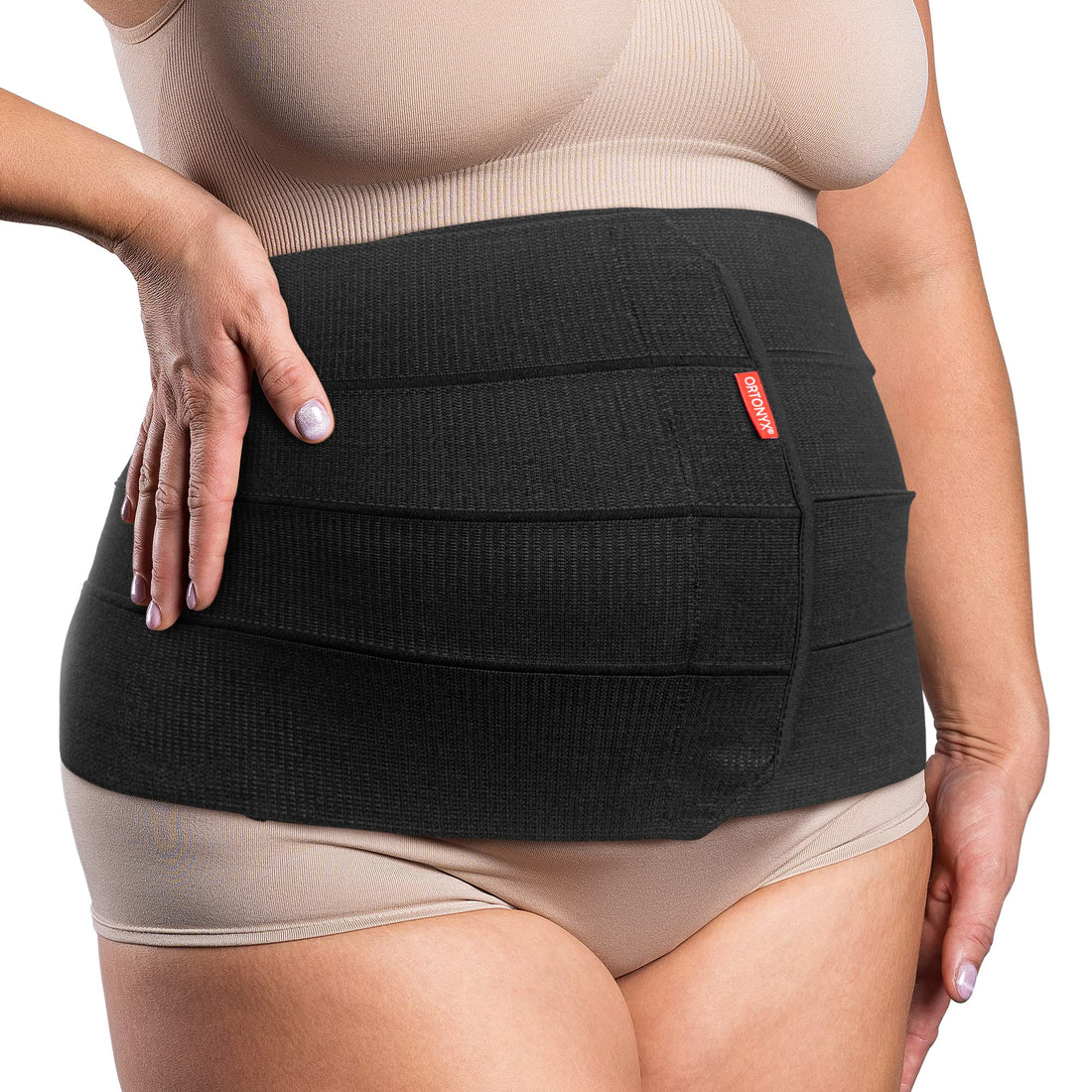
- The ORTONYX abdominal binder's hook-and-loop closure makes self-adjustment easy during this sensitive period
Phase 2: Early Recovery (Weeks 1–3)
Week 1 Milestones
- Gradual increase in walking distance
- Basic daily activities resume (hygiene, simple meals)
- Continued incision support and monitoring
- Pain management improving each day
- First follow-up appointment with your surgeon
Weeks 2–3
- Longer periods of comfortable activity
- Reduced reliance on pain medication
- Visible incision healing progress
- May transition to daytime-only binder wear (per surgeon guidance)
- Light household tasks become manageable
Phase 3: Active Recovery (Weeks 4–8)
Month 1 Achievements
- Return to driving (once cleared by your surgeon)
- Increasing independence with daily activities
- Gradual strength returning
- May reduce binder wearing hours
- Begin gentle, approved exercises
Month 2
- Most daily activities comfortably resumed
- Many patients return to work (desk jobs sooner, physical jobs later)
- Exercise progression continues
- Support primarily during strenuous activities
- Improved energy and stamina
Phase 4: Rehabilitation (Weeks 9–12)
- Core strengthening exercises begin (under professional guidance)
- Targeted physical therapy if prescribed
- Binder worn mainly during exercise and heavy activities
- Near-normal daily function for most patients
- Confidence building with progressive challenges
Surgery-Specific Timelines
Cesarean Section Recovery
- Weeks 1–2: Consistent binder support during waking hours
- Weeks 3–6: Daytime use, with increasing breaks
- Weeks 6–12: As-needed support for activities
- Special consideration: binder must not interfere with breastfeeding
Hernia Repair Recovery
- Weeks 1–4: Full-time binder wear
- Weeks 4–8: Activity-based use
- Weeks 8–12: Gradual weaning
- Months 3–6: Occasional support for strenuous activities
- Consider the ORTONYX Umbilical Hernia Belt for targeted support during hernia-specific recovery
General Abdominal Surgery
- Days 1–14: Maximum support
- Weeks 3–6: Adjusted compression as swelling resolves
- Weeks 6–12: Reduced daily wearing hours
- Month 3+: Activity-only support
Tummy Tuck (Abdominoplasty)
- Weeks 1–6: Continuous compression garment wear
- Weeks 6–12: Continued shaping and support
- Months 3–6: Optional nighttime wear
- Focus: swelling management and contour maintenance
Factors That Affect Your Timeline
Associated with Faster Recovery
- Younger age and good baseline health
- Minimally invasive surgical approach
- Proper nutrition before and after surgery
- Consistent abdominal support use
- Following activity restrictions faithfully
Associated with Slower Recovery
- Post-operative complications
- Multiple or complex procedures
- Chronic conditions (diabetes, obesity)
- Poor wound healing
- Inconsistent binder use or overexertion
How to Wean Off Your Binder
Weaning should be gradual and guided by your surgeon:
- Full-time → Daytime only (remove for sleep)
- Daytime → Remove during rest periods
- Activity-based → Wear only during physical activities
- Heavy tasks only → Occasional use for demanding activities
- As needed → Keep available but wear only when you feel it's necessary
Listen to Your Body
- Increased pain → continue support
- Fatigue or weakness → keep wearing
- Comfortable without it → ready to reduce
- Good activity tolerance → safe to progress
Red Flags During Recovery
Contact your surgeon promptly if you experience:
- Increased pain, swelling, or redness at the incision
- Fever or chills
- Changes in incision appearance (opening, drainage)
- Unusual discharge or odor from the wound
- Breathing difficulties
- Any suspected complications
Setting Realistic Expectations
Recovery is not a straight line. You'll have good days and setbacks—that's completely normal. Keep these principles in mind:
- Everyone heals at their own pace
- Small, consistent progress adds up
- Bad days don't erase your progress
- Patience with your body pays off long-term
- Celebrating milestones keeps you motivated
Frequently Asked Questions
How long will I need to wear an abdominal binder after surgery?
This varies by procedure: typically 4–6 weeks for hernia repairs, 6–8 weeks for C-sections, and up to 12 weeks for major abdominal surgeries. Your surgeon will provide a personalized timeline.
Can wearing a binder speed up my recovery?
Abdominal binders support recovery by reducing pain during movement, stabilizing the incision, and enabling earlier mobilization—all of which contribute to a smoother recovery. They don't speed up tissue healing itself, but they help you heal more comfortably.
When can I return to work after abdominal surgery?
Desk jobs: often 2–4 weeks. Light physical work: 4–6 weeks. Heavy physical labor: 8–12 weeks or longer. Always follow your surgeon's specific clearance.
What if I'm recovering slower than expected?
Don't panic. Many factors affect recovery speed, and timelines are general guidelines, not strict deadlines. Discuss any concerns with your surgical team. Continue following your support and activity guidelines, and give your body the time it needs.
Your recovery timeline is uniquely yours. Use this guide as a framework, but always defer to your healthcare provider's specific instructions. With proper support and patience, you'll progress through each phase toward full recovery.