
Your Life Doesn't Stop During Recovery
Wearing an abdominal binder doesn't mean putting your life on hold. With the right adjustments and a bit of planning, you can maintain most of your daily activities while giving your body the support it needs to heal. This practical guide covers everything from getting out of bed to returning to work—all while wearing your binder comfortably.
Morning Routine: Starting Your Day Right
Getting Out of Bed
How you rise from bed sets the tone for your comfort throughout the day:
- Roll to your side before attempting to sit up
- Use your arms to push yourself to a seated position on the bed's edge
- Put on your binder while sitting (this is the easiest position for application)
- Stand slowly, using furniture for support if needed
Showering and Hygiene
- Remove your binder before showering (unless it's specifically waterproof)
- Have a shower chair or stool available for safety
- Pat your skin thoroughly dry before reapplying
- Check for any skin irritation, redness, or pressure marks
- Apply moisture-absorbing powder if recommended by your doctor
Dressing with an Abdominal Binder
Clothing Choices That Work
- Tops: Loose-fitting options that don't require raising arms overhead; button-up shirts are ideal
- Bottoms: Elastic-waist pants, skirts, or dresses
- Shoes: Slip-on styles to avoid bending
- Layers: Plan for temperature changes—binders add warmth
Dressing Sequence
- Undergarments
- Thin cotton layer (if wearing under the binder for skin protection)
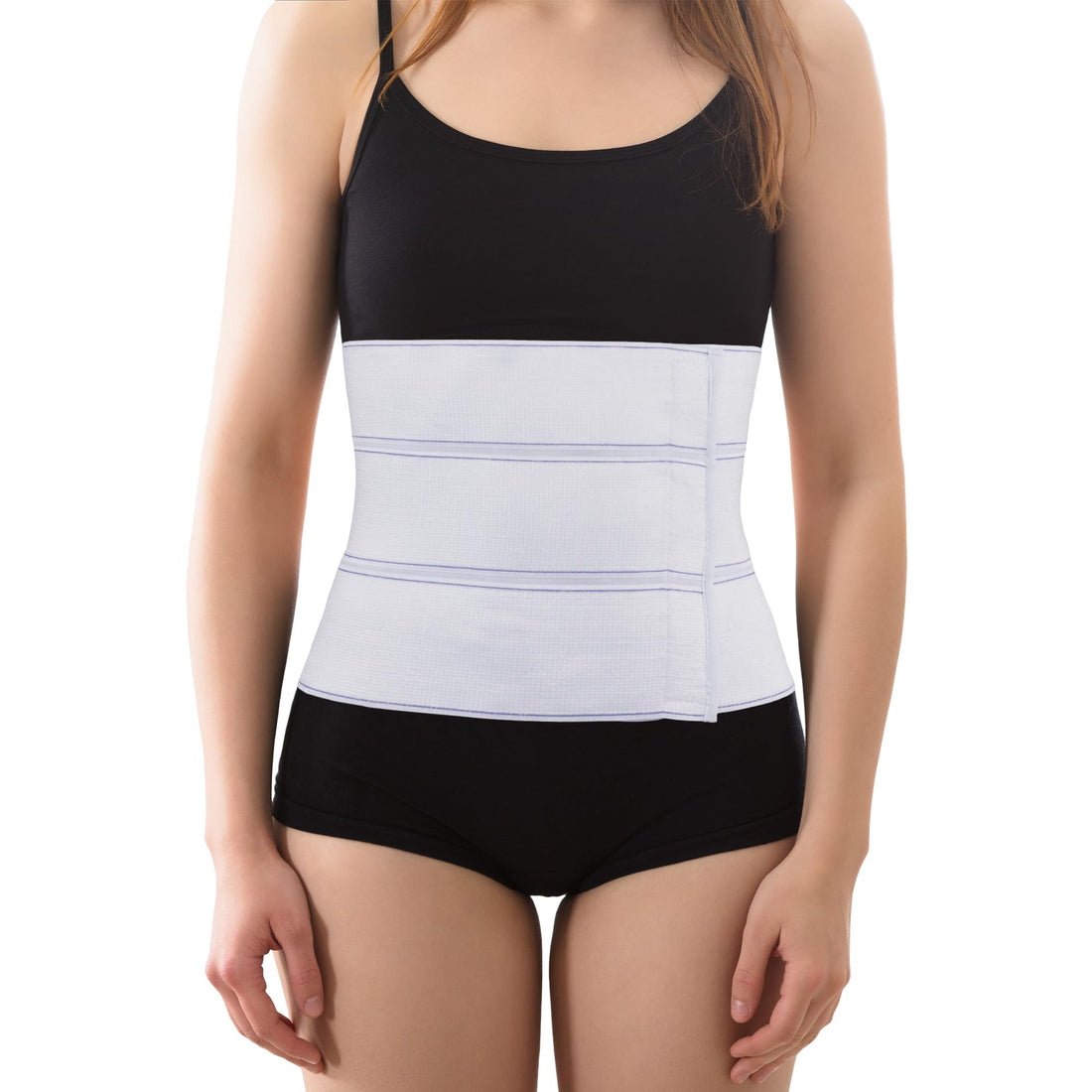
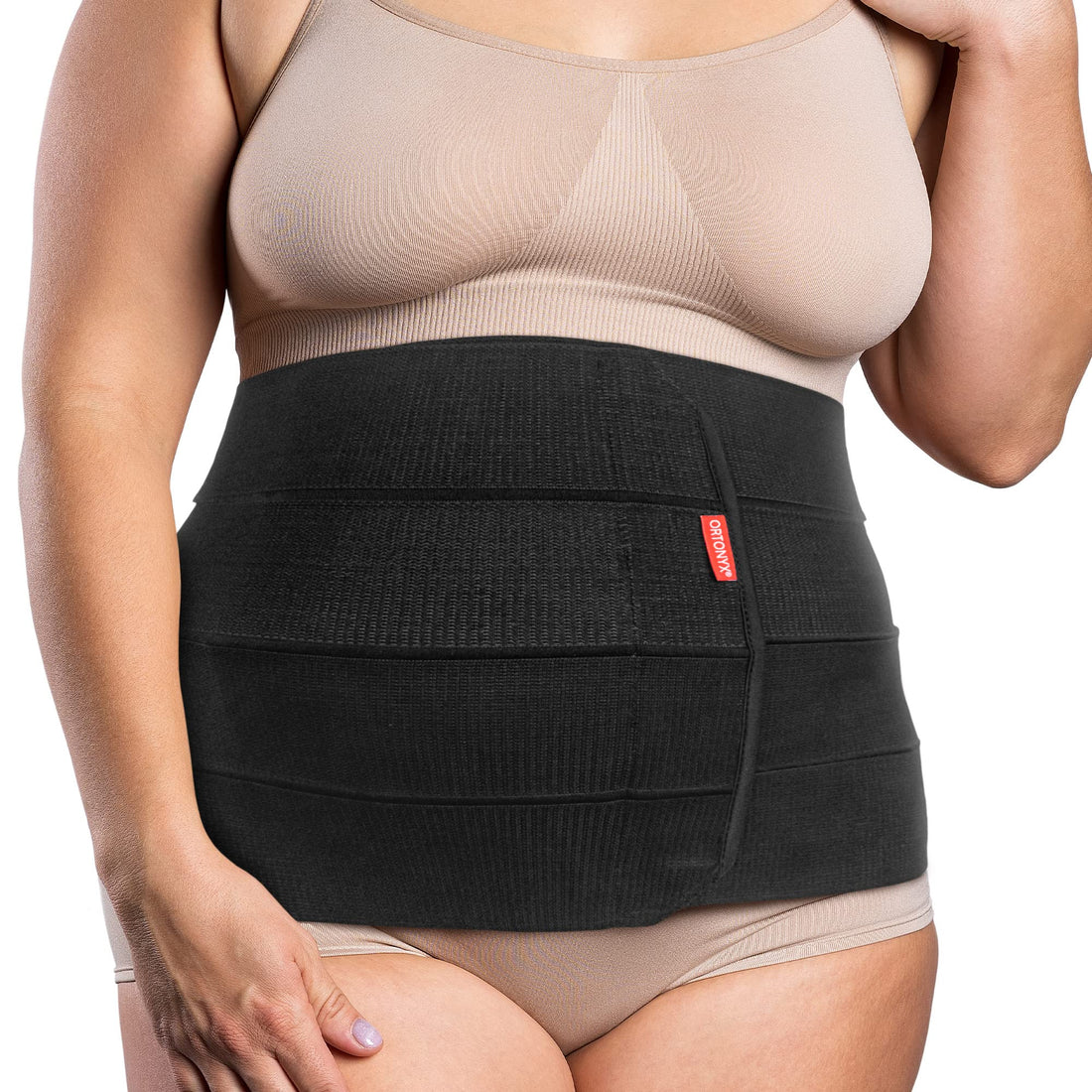
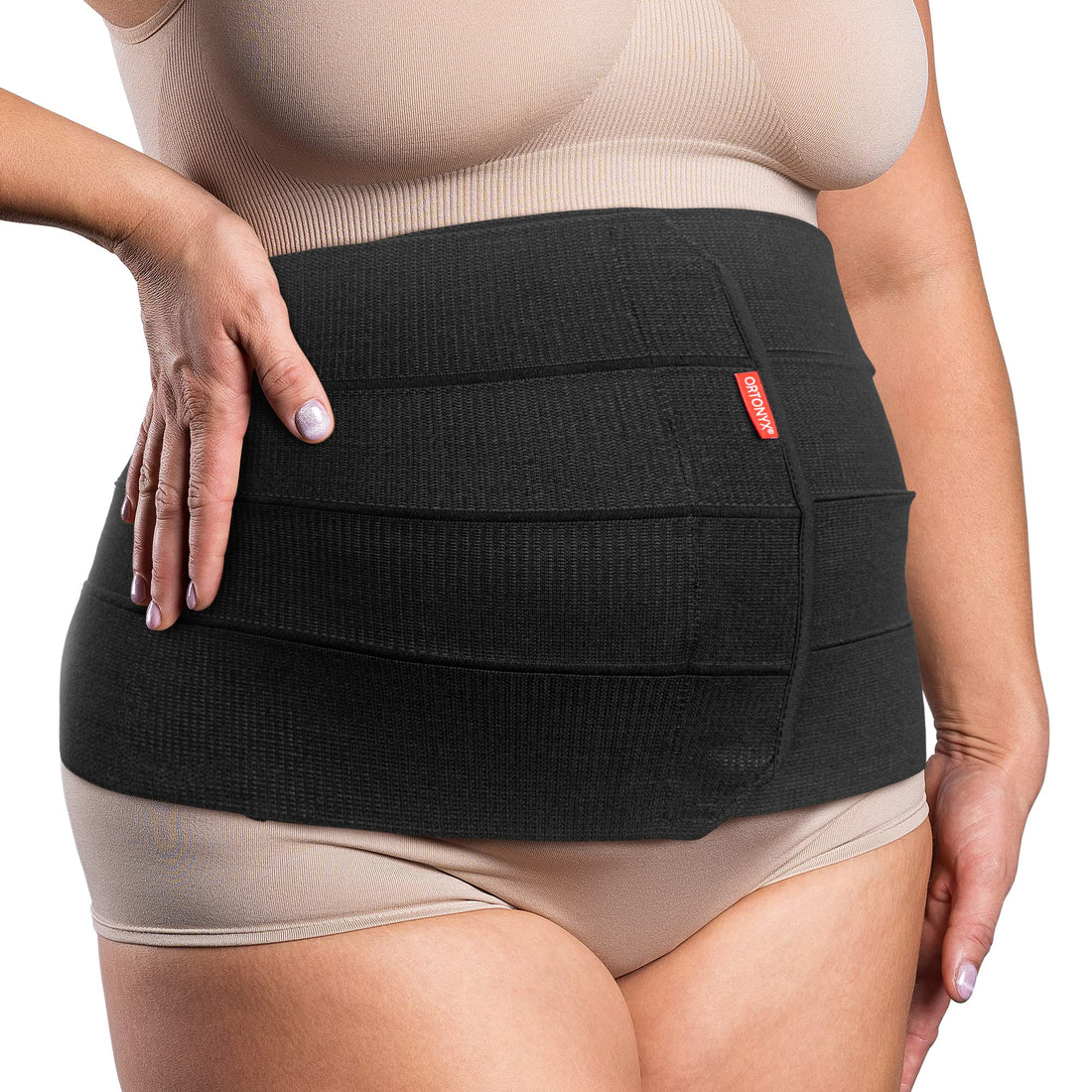
- Abdominal binder—the ORTONYX binder's hook-and-loop closure makes self-application straightforward
- Outer clothing
At Work
Desk Job Modifications
- Adjust your chair height for proper posture with the binder
- Use a small lumbar pillow for additional back support
- Take standing or walking breaks every hour
- Loose clothing keeps binder adjustments discreet
- Consider a standing desk converter for variety throughout the day
Physical Job Adaptations
- Follow your doctor's lifting restrictions strictly—no exceptions
- Request temporary duty modifications from your employer
- Use proper body mechanics for every movement
- Take more frequent breaks than usual
- Communicate openly with supervisors about your temporary limitations
Household Activities
Safe Housework Practices
- Respect your doctor's weight limits for lifting
- Use long-handled tools (mop, vacuum extension) to minimize bending
- Break tasks into smaller, manageable segments
- Ask for help with strenuous activities—this is temporary
- Prioritize essential tasks; the rest can wait
Kitchen Tips
- Prepare meals while seated when possible
- Keep frequently used items at counter height
- Use lightweight cookware
- Batch cook when you're feeling energetic
- Accept meal help from family and friends graciously
Exercise and Movement
Generally Approved Activities (Confirm with Your Doctor)
- Gentle walking—start short, increase gradually
- Deep breathing exercises
- Ankle pumps and seated leg movements
- Light stretching as approved by your provider
- Progressive increase in activity level week by week
Activities to Avoid
- Heavy lifting or straining of any kind
- Twisting movements (especially under load)
- High-impact exercise (running, jumping)
- Swimming (unless your binder is waterproof or your doctor has cleared it)
- Contact sports
Sleep Strategies
- Follow your doctor's guidance on whether to wear the binder during sleep
- Use pillows strategically: under knees when on your back, between knees when on your side
- Avoid sleeping on your stomach
- Keep the binder within reach for nighttime bathroom trips
- If wearing to bed, loosen the compression slightly for comfort
Social Activities and Travel
Dining Out
- Choose restaurants with comfortable, spacious seating
- Avoid tight booth seating that compresses the binder
- Eat smaller portions—large meals can increase abdominal pressure
- Limit carbonated beverages
Car Travel
- Adjust the seat for proper back support
- Use a small pillow behind your lower back
- Stop every hour for stretching and walking
- Position the seatbelt carefully—below the binder, not over the incision
- Ride as a passenger for longer trips when possible
Binder Maintenance During the Day
Regular Adjustments
- Check fit after meals (abdominal distension is normal after eating)
- Readjust after bathroom visits
- Loosen slightly when sitting for extended periods
- Ensure compression stays even throughout the day
Having Backup
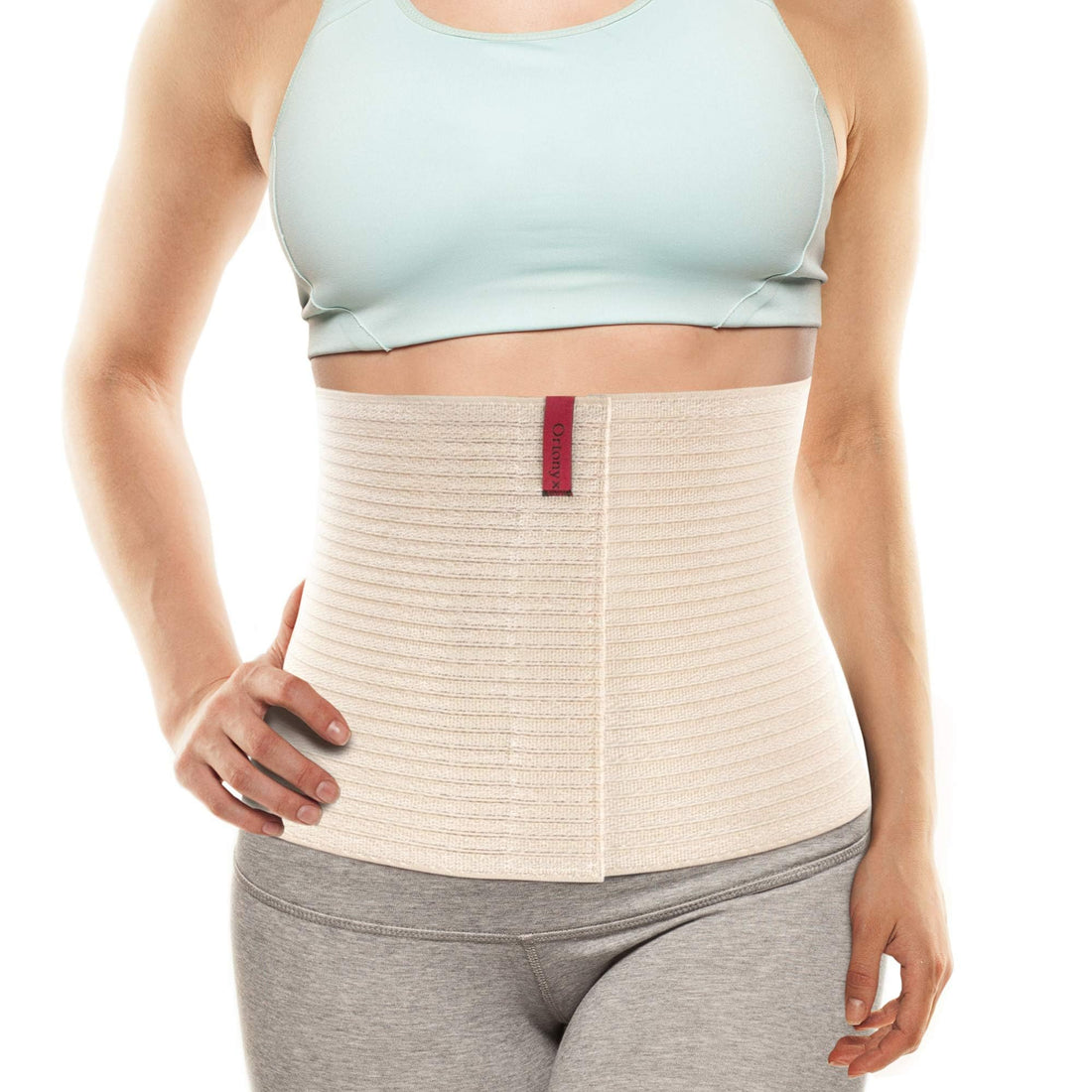
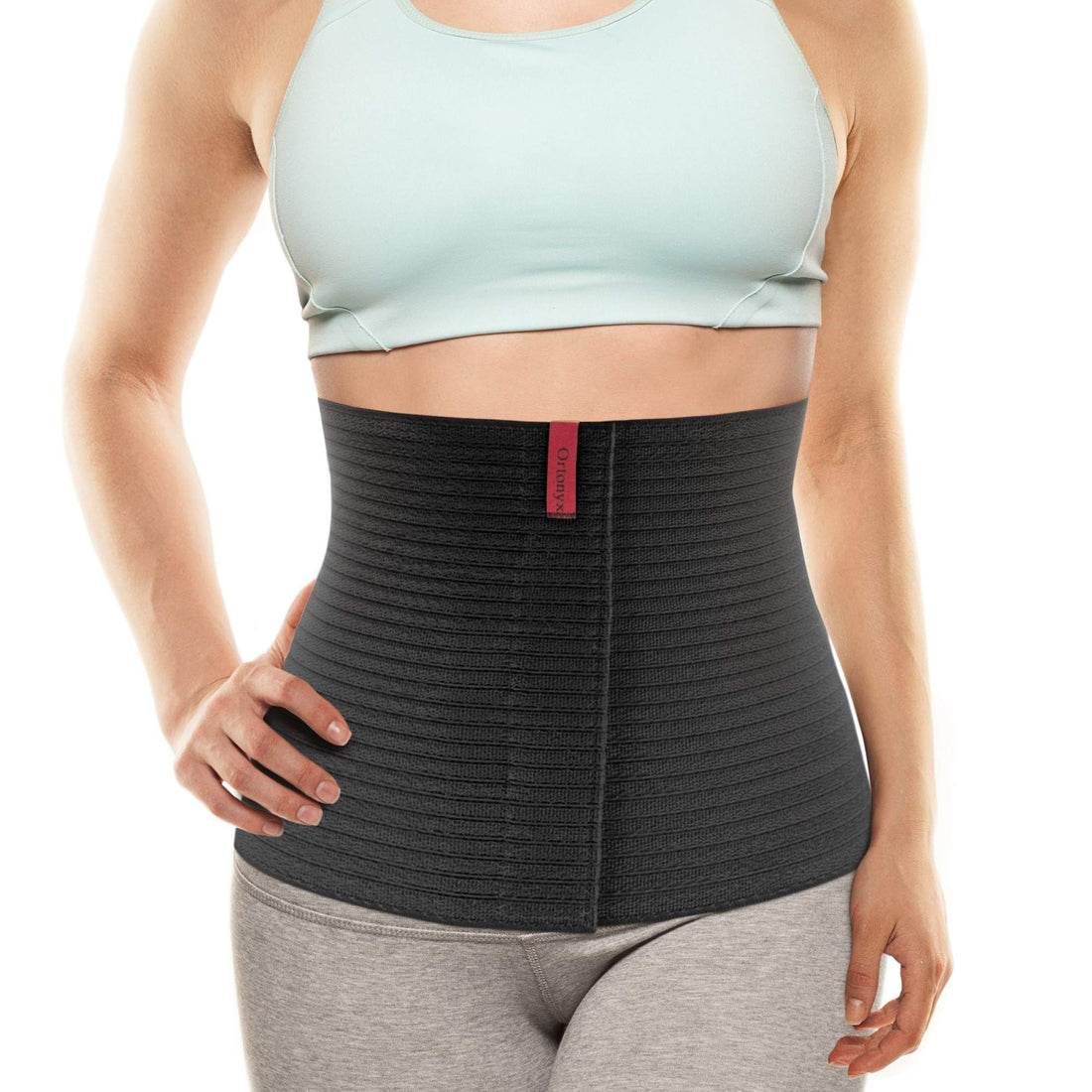
Keep 2–3 binders in rotation for hygiene and convenience. The ORTONYX binder collection offers several options so you always have a clean, ready-to-wear binder available.
Warning Signs: When to Stop and Seek Help
- Severe or increasing pain
- Difficulty breathing
- Dizziness or lightheadedness
- Unusual swelling
- Skin breakdown or severe irritation
- Any symptoms your doctor specifically warned you about
The Road Back to Normal
Recovery isn't linear. Some days will be better than others, and that's completely normal. A few things to remember:
- Keep a symptom diary to track your progress
- Celebrate small victories—each week is an improvement
- Don't compare your recovery to others
- Follow up regularly with your healthcare team
- Be patient with your body's healing process
Frequently Asked Questions
Can I drive while wearing an abdominal binder?
Most patients can drive once cleared by their surgeon (typically 2–4 weeks post-surgery, depending on the procedure). The binder should not interfere with seatbelt use or your ability to control the vehicle. Start with short trips.
Will people notice I'm wearing a binder under my clothes?
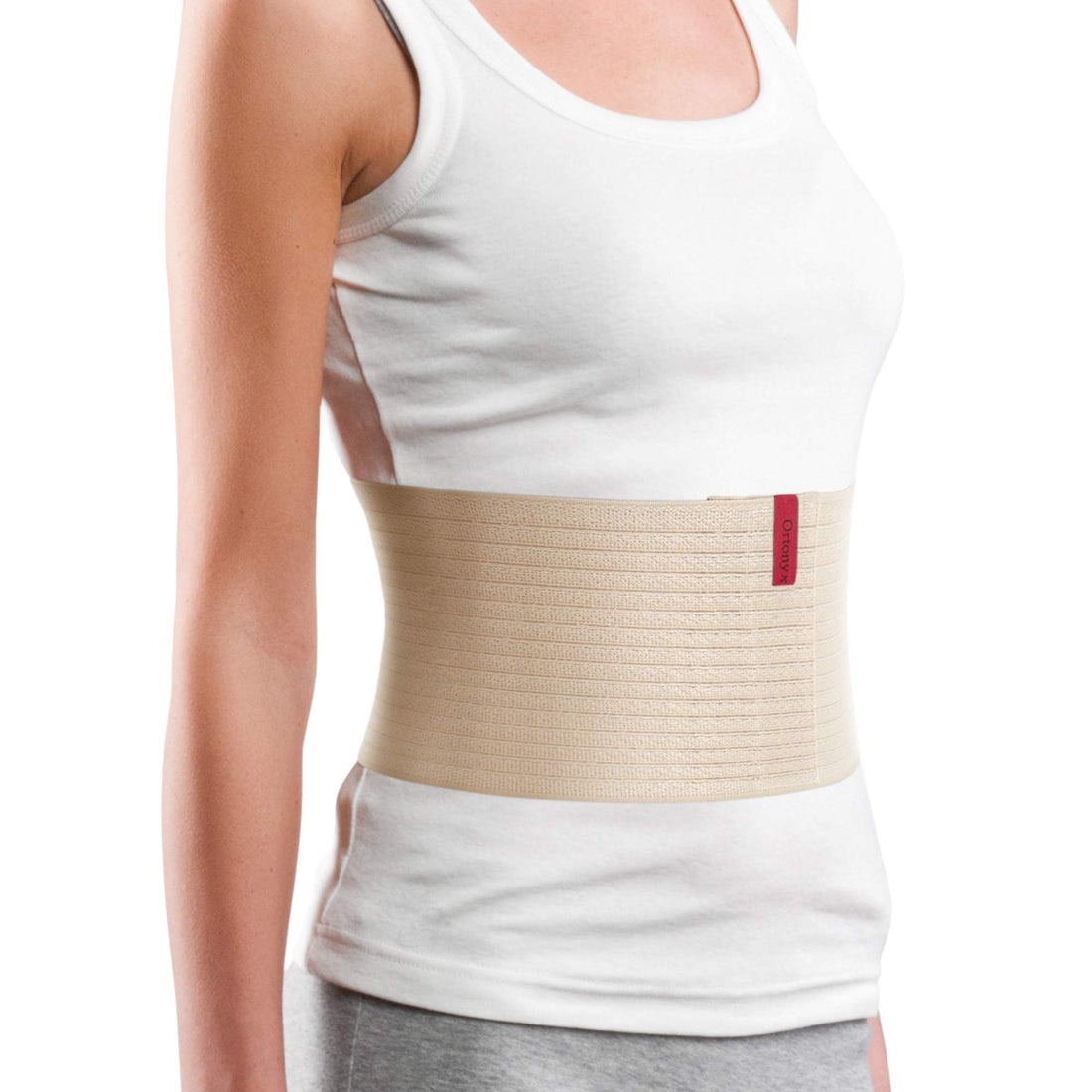
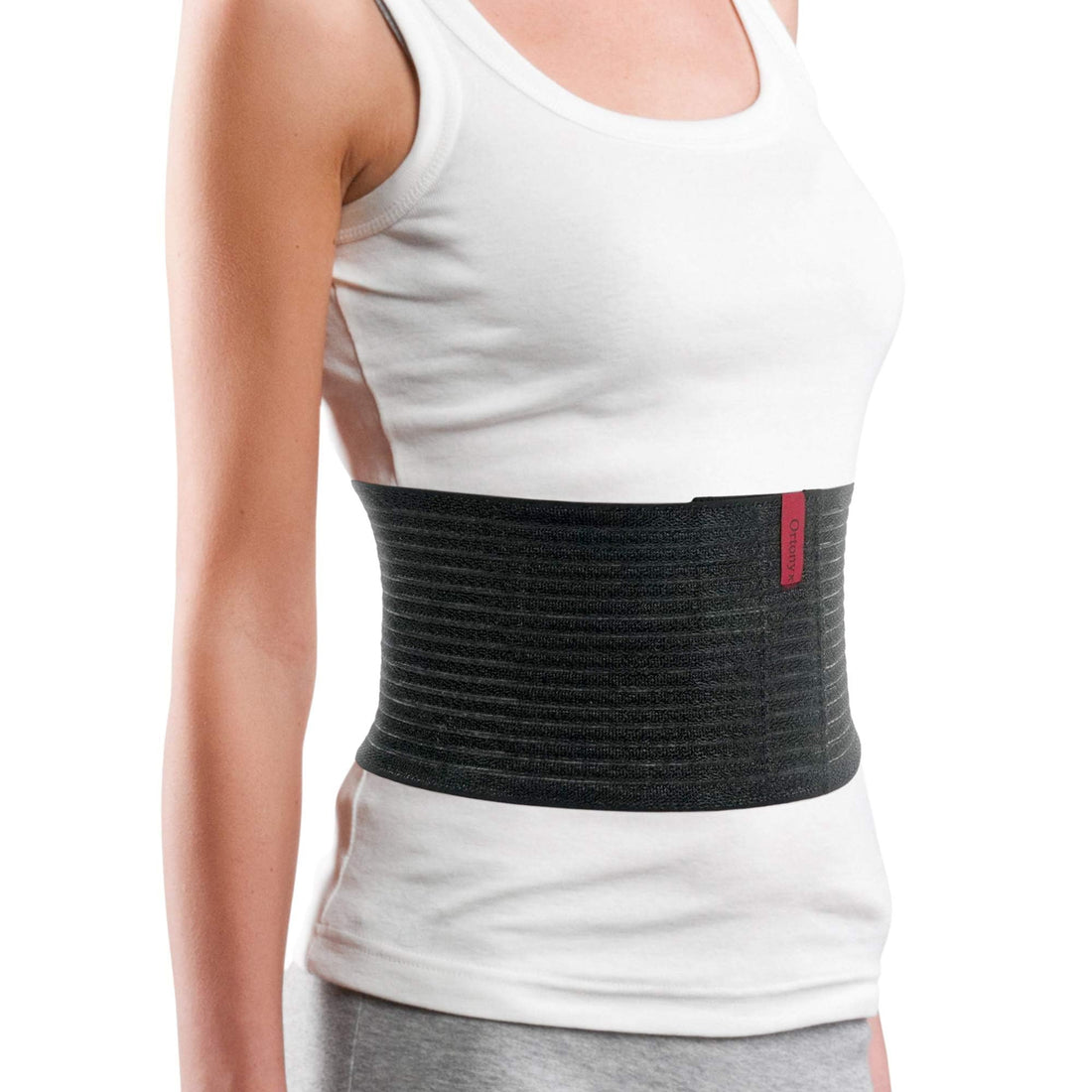
With appropriate clothing choices, most binders are virtually invisible. The ORTONYX binders feature a low-profile design specifically for discreet wear under everyday clothing.
How long will I need to wear a binder for daily activities?
This varies by procedure and individual healing. Most post-surgical patients wear a binder for 4–12 weeks, with gradual reduction in daily wear time as recovery progresses. Your surgeon will provide a personalized timeline.
Can I do yoga or Pilates with my binder on?
Gentle yoga may be appropriate once your doctor clears you for it—typically after the initial healing period. Avoid deep twists, inversions, or intense core work. Pilates-style exercises should be gradually reintroduced under professional guidance.
Remember: wearing a binder is temporary. Focus on proper healing now for the best long-term outcomes. Always follow your healthcare provider's specific instructions for your situation.