
Supporting Your Body Through Pregnancy and Recovery
Pregnancy and childbirth bring profound changes to a woman's body, particularly the abdominal region. Understanding when and how to use abdominal support during these transformative times can significantly improve comfort, recovery, and overall well-being.
How Your Abdomen Changes During Pregnancy
First Trimester (Weeks 1–12)
- Minimal visible changes, but hormones begin softening ligaments
- Early round ligament pain is possible
- Core muscles start adapting to hormonal shifts
Second Trimester (Weeks 13–27)
- Visible belly growth accelerates
- Increasing pressure on the lower back
- Abdominal muscles stretching significantly
- Center of gravity shifts forward
- Diastasis recti (abdominal muscle separation) may begin developing
Third Trimester (Weeks 28–40)
- Maximum abdominal expansion
- Significant postural changes and back strain
- Increased pelvic pressure
- Breathing patterns change as the diaphragm is compressed
Prenatal Support: When and Why
Common Signs You May Benefit from Prenatal Support
- Lower back pain that worsens throughout the day
- Round ligament pain (sharp pain in the lower abdomen or groin)
- Pelvic girdle pain
- Difficulty maintaining daily activities
- Multiple pregnancy (twins or more)
- Healthcare provider recommendation
Types of Prenatal Support
Maternity support belts provide targeted lift and back support:
- Reduce back pain by redistributing belly weight
- Improve posture and reduce pelvic pressure
- Adjustable sizing accommodates growth throughout pregnancy
- Breathable materials for comfort during hormonal temperature changes
Belly bands offer gentler support:
- Seamless under clothing
- Extend the wear of pre-pregnancy pants
- Light compression and warmth
- Best for early to mid-pregnancy and mild discomfort
Safe Usage During Pregnancy
Do:
- Wear over clothing or a thin cotton layer
- Adjust as your belly grows
- Take breaks from wearing throughout the day
- Listen to your body—remove if feeling lightheaded or uncomfortable
Don't:
- Wear too tightly (should support, not compress)
- Sleep in a support belt (unless specifically advised by your provider)
- Ignore discomfort or decreased fetal movement
- Use abdominal support as a replacement for medical care
Postpartum Recovery Support
After Vaginal Delivery
- Most women can begin using abdominal support within a few days
- Start with gentle compression—focus on comfort, not tightness
- Support aids posture during breastfeeding
- Helps abdominal muscles begin returning to pre-pregnancy position
After Cesarean Delivery
- Wait for your surgeon's approval (typically 1–2 weeks post-delivery)
- The binder should protect—not press directly on—the incision
- Reduces pain during movement, coughing, and sneezing
- Provides confidence for early mobilization
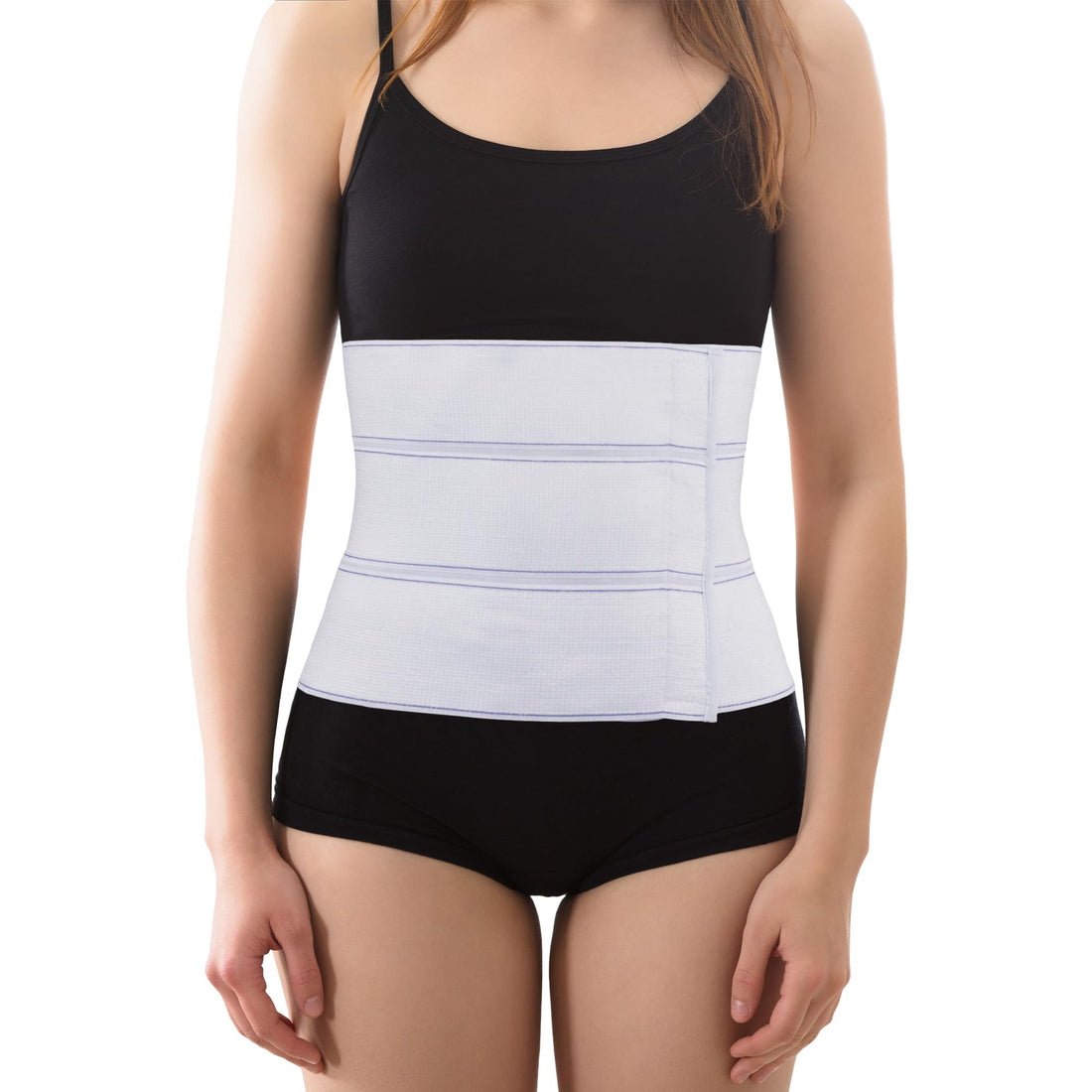
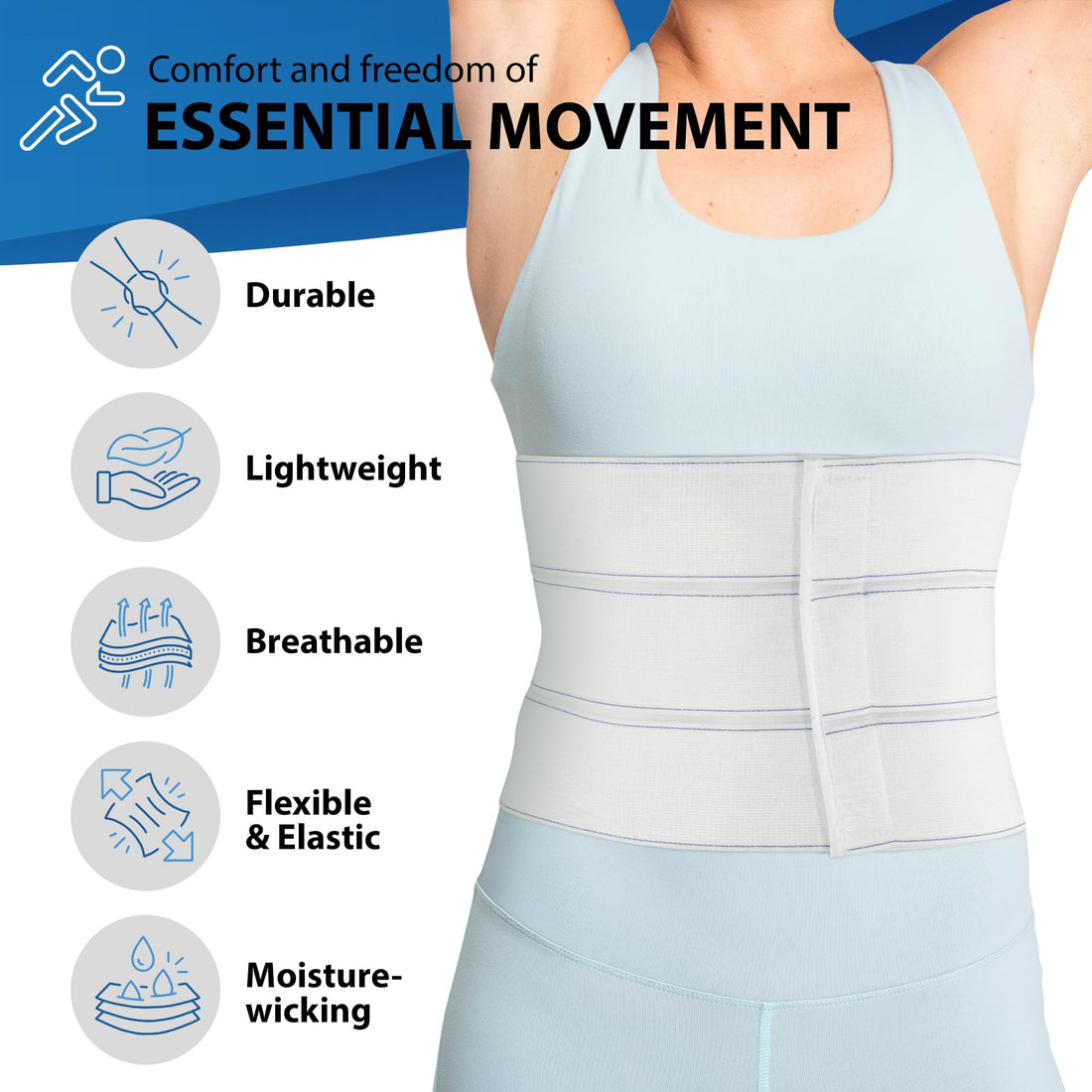
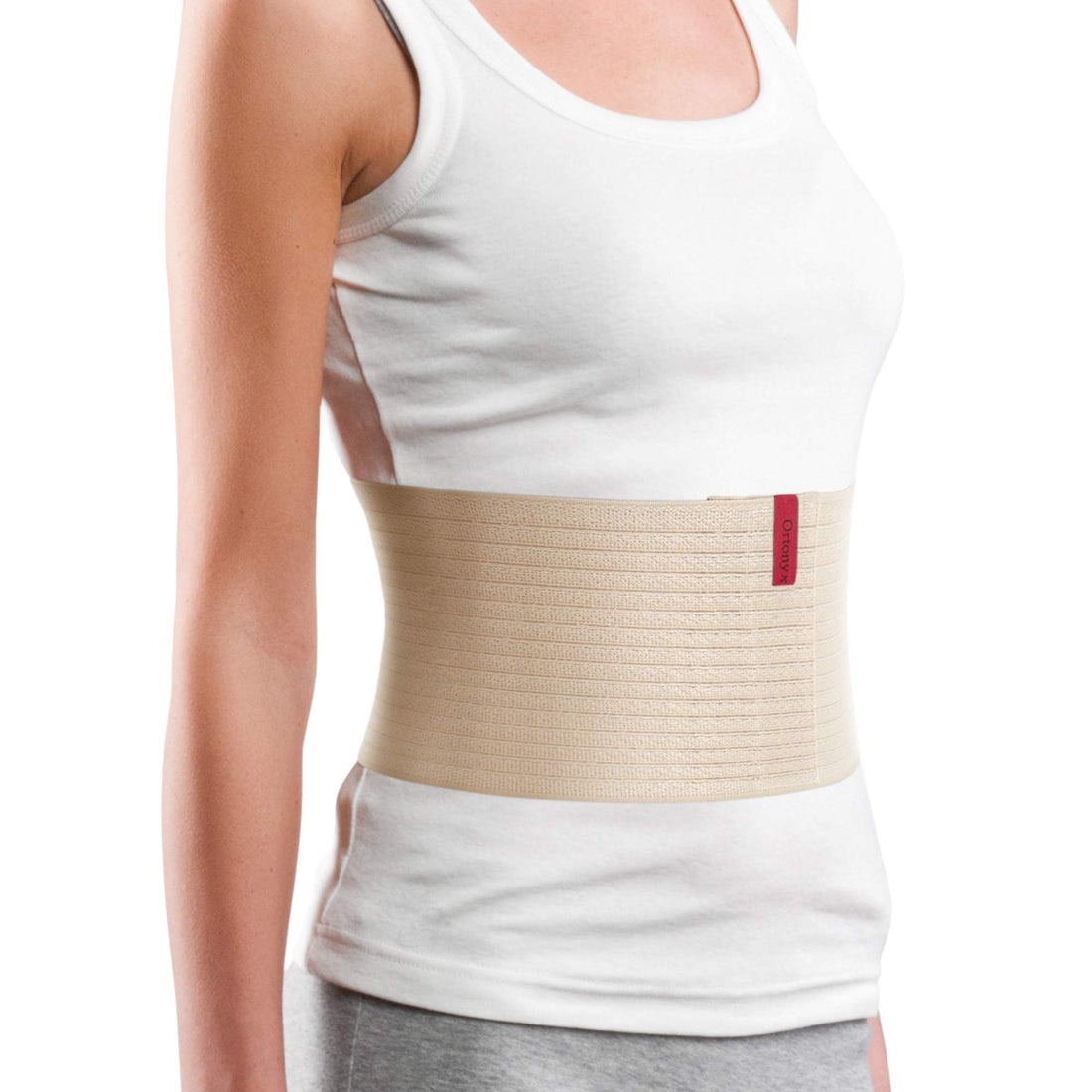
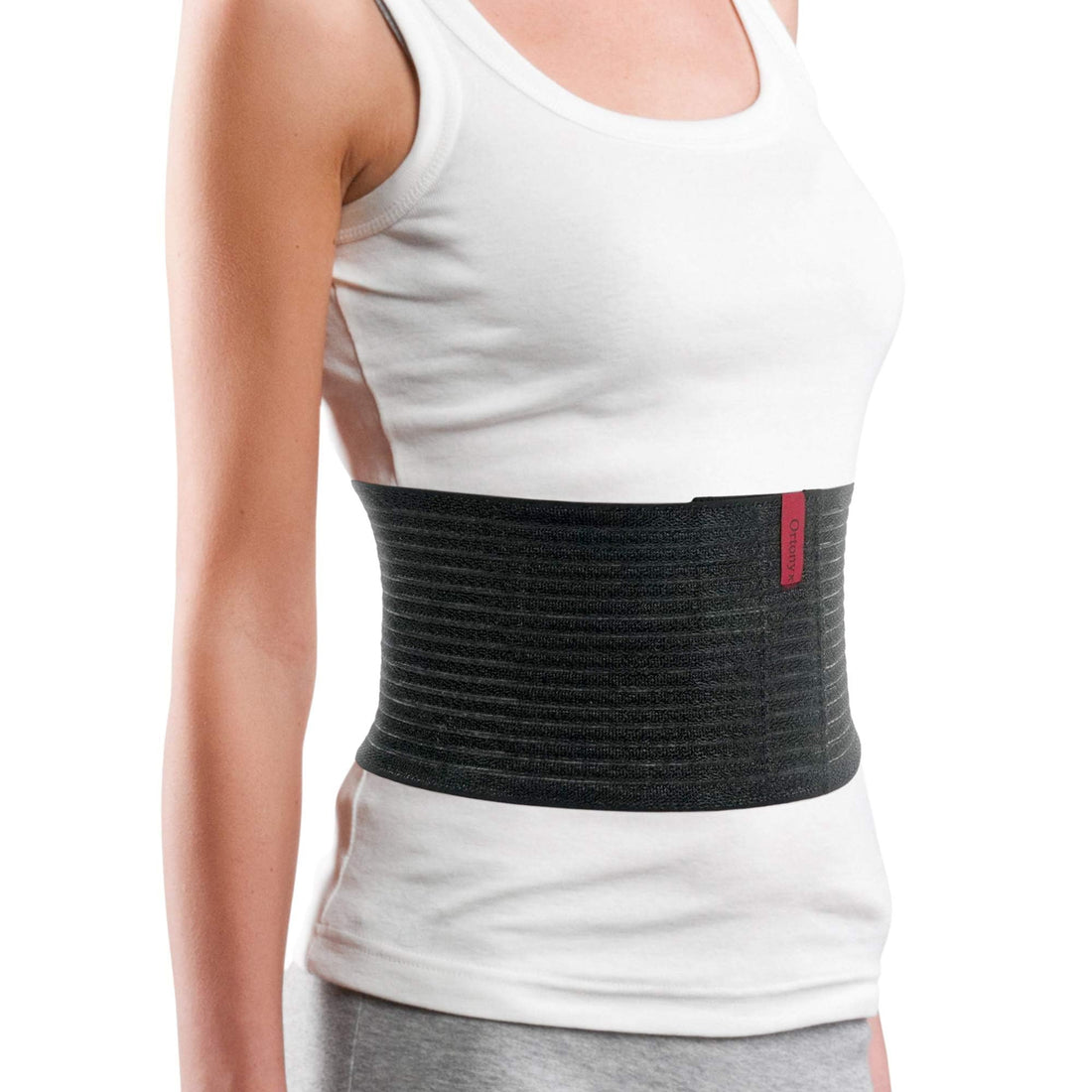
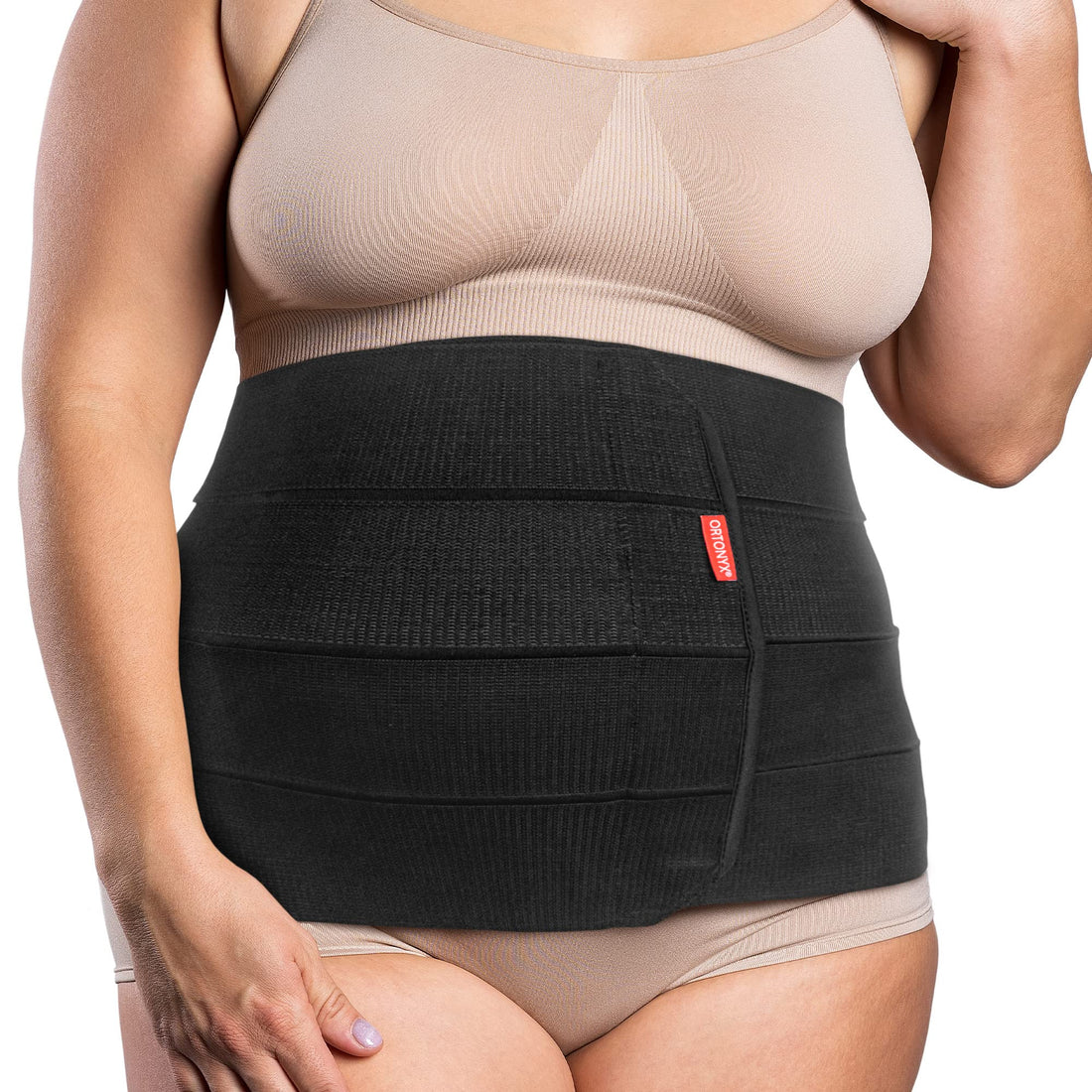
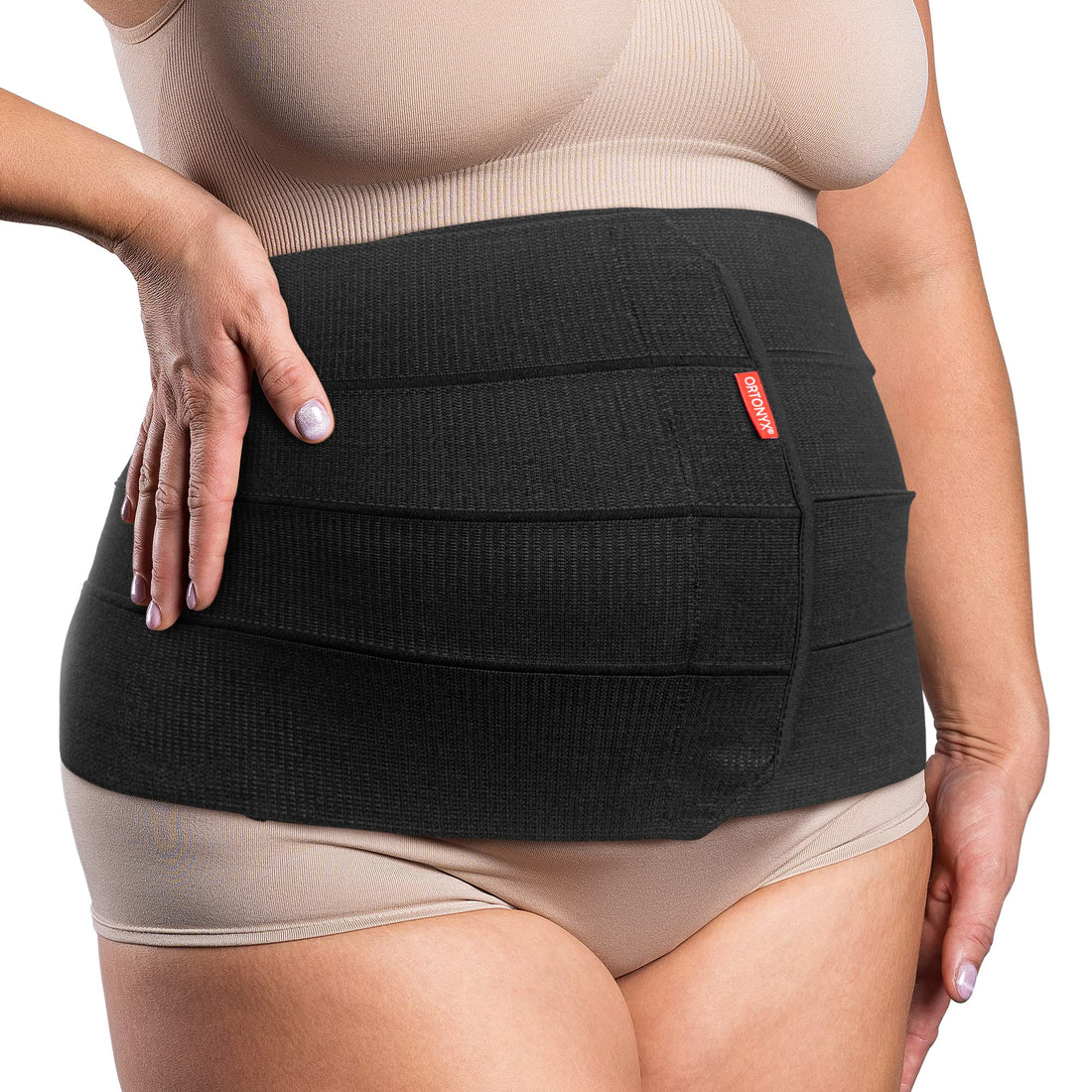
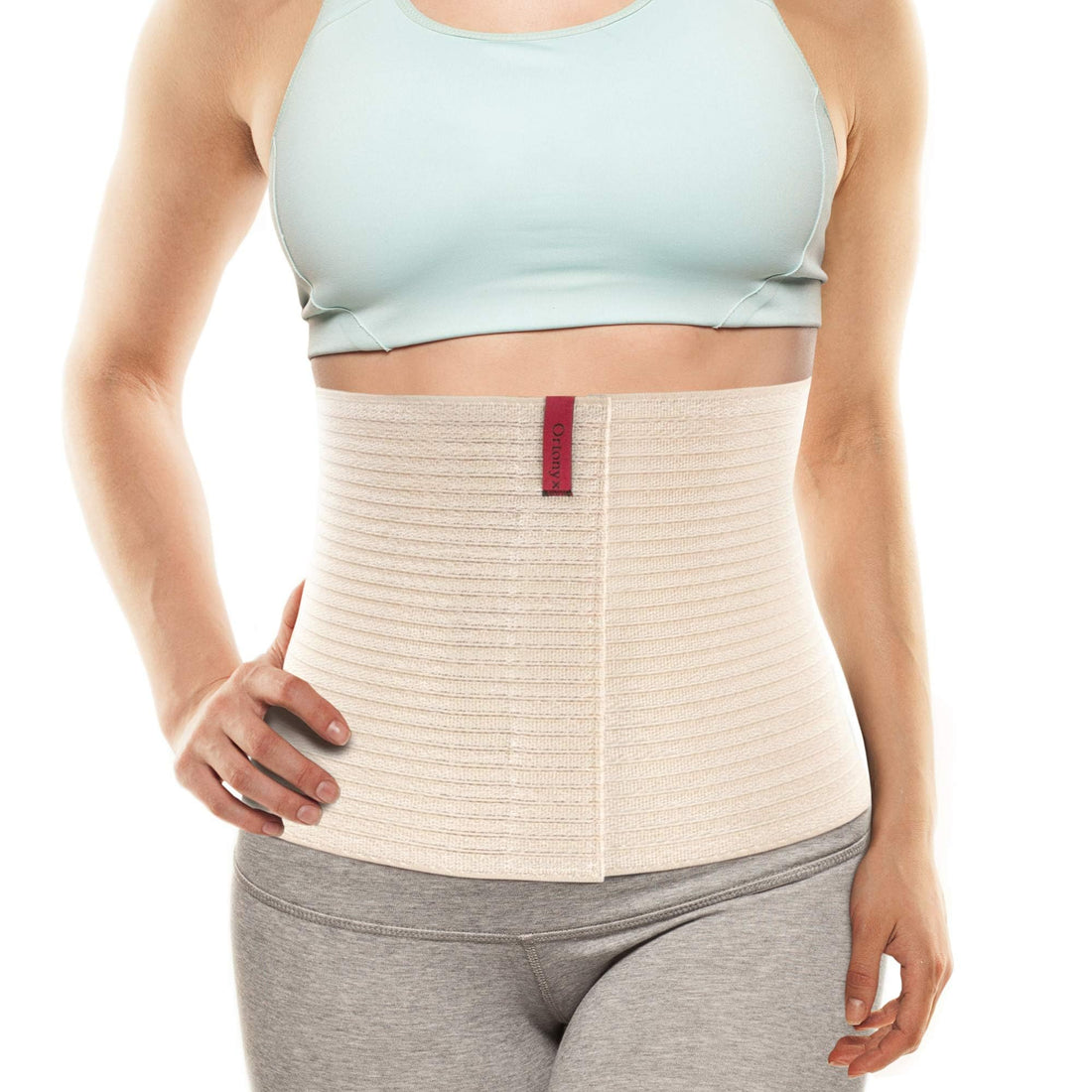
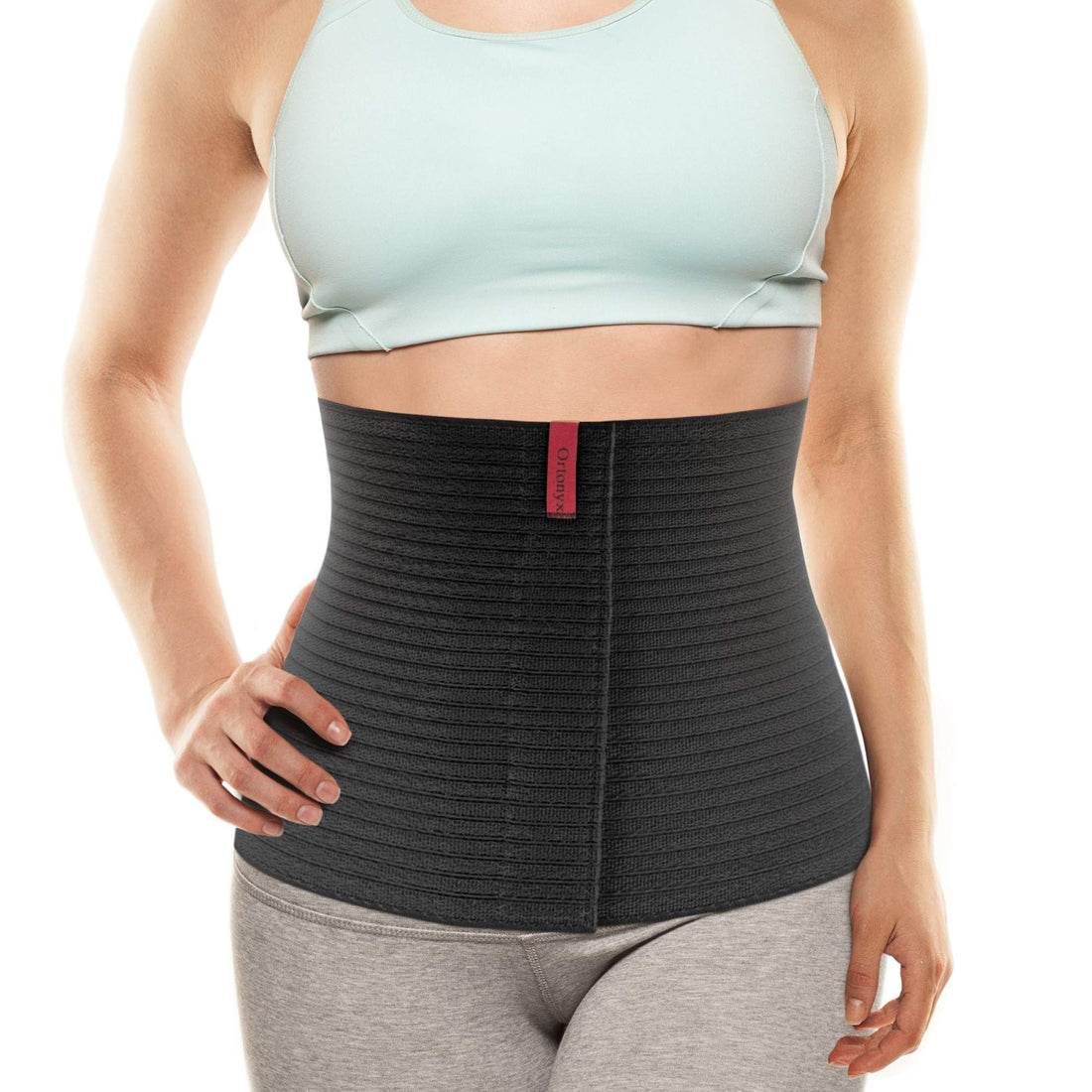
The ORTONYX abdominal binder is a popular choice for postpartum recovery thanks to its adjustable hook-and-loop closure, breathable cotton-blend fabric, and comfortable all-day wear.
Extended Postpartum (6 Weeks – 6 Months)
- Gradual increase in support level as activities increase
- Focus shifts to muscle retraining and core rehabilitation
- Diastasis recti management (if present)
- Support during return to exercise
Understanding Diastasis Recti
Diastasis recti—the separation of the rectus abdominis muscles along the midline—is common during and after pregnancy. Key points:
- Severity varies from mild to significant
- May require specific support strategies (splinting during exercises)
- Consistent binder use can help during recovery
- Targeted exercises under professional guidance are essential
- Most cases improve significantly with proper management
Postpartum Exercise Guide
Weeks 0–6
- Pelvic floor exercises (Kegels)
- Gentle breathing exercises
- Walking as tolerated
- Basic pelvic tilts
- Gentle stretching
Weeks 6–12
- Modified core exercises (avoid traditional crunches)
- Low-impact cardio
- Postnatal yoga
- Swimming (if cleared by your provider)
- Light strength training
After 12 Weeks
- Progressive core strengthening
- Return to higher-intensity exercise
- Sports-specific training
- Full fitness routine (with attention to any remaining diastasis)
Breastfeeding Considerations
When choosing postpartum support, consider nursing-friendly features:
- Easy-access design that doesn't interfere with feeding positions
- Quick adjustment for before and after nursing
- Breathable materials for skin-to-skin comfort
- Compatible with nursing pillow positioning
Choosing the Right Support
For Pregnancy
- Measure at your widest point
- Account for continued growth (choose adjustable options)
- Prioritize breathability and comfort
- Read reviews from women with similar body types
For Postpartum
- Account for post-delivery swelling
- Consider your delivery type (vaginal vs. C-section)
- Think about your lifestyle and daily needs
- Plan for the body changes ahead—you'll likely downsize as recovery progresses
- Invest in quality for a product that will last through your recovery period
Warning Signs: When to Stop and Call Your Provider
During Pregnancy
- Decreased fetal movement
- Difficulty breathing
- Dizziness or faintness
- Numbness or tingling
- Increased contractions
Postpartum
- Increased bleeding
- Severe pain
- Signs of infection (fever, redness, discharge)
- Breathing difficulties
- Delayed healing of incision
Frequently Asked Questions
Will wearing a support belt harm my baby during pregnancy?
No. Properly fitted prenatal support belts support your body—not your baby. They should never compress the uterus. If you experience decreased fetal movement or discomfort, remove the belt and consult your provider.
How soon after a C-section can I wear an abdominal binder?
Most surgeons recommend waiting 1–2 weeks until the incision has begun healing. Some may approve earlier use. Always follow your specific surgeon's guidance.
How long should I wear postpartum support each day?
Typically 6–8 hours daily, with gradual weaning over weeks to months. Listen to your body—if you're comfortable without it, you're ready to reduce wear time.
Can abdominal support help with diastasis recti?
Abdominal support can assist diastasis recti recovery by providing gentle splinting of the separated muscles, especially during exercises and daily activities. However, it works best as part of a comprehensive approach that includes targeted exercises under professional guidance.
Do I need different support for pregnancy vs. postpartum?
Generally, yes. Prenatal support focuses on lifting and back pain relief, while postpartum support focuses on compression and muscle recovery. Some women use a prenatal belt during pregnancy and transition to an abdominal binder for postpartum recovery.
Pregnancy and postpartum recovery are unique journeys. What works for one woman may not work for another. Always prioritize your comfort and safety, and don't hesitate to seek professional guidance. Your body has done incredible work—give it the support it deserves.