
Finding an orthopedic brace when you're plus-size shouldn't feel like a research project — but for too many people, it does. Standard braces that "fit most adults" often don't. The Velcro doesn't reach, the straps dig in, and the support barely covers the area it needs to.
If you've been through that frustration, you're not alone. And you deserve better than a brace that almost works.
The Real Problem With Standard-Size Braces
Most orthopedic braces are designed around average body measurements. That might work for a size Medium or Large, but it leaves a huge portion of the population underserved. Here's what typically goes wrong:
- Insufficient closure range — Velcro panels don't overlap enough, leaving gaps that reduce compression and support
- Narrow width — the brace doesn't provide full coverage of the area it's supposed to support
- Restrictive straps — side-pull straps and adjustable panels run out of length before reaching proper tension
- Uncomfortable pressure points — when a brace doesn't fit the body's contours, it bunches, digs in, and creates hot spots
- Riding up or shifting — poorly fitting braces move constantly, requiring constant readjustment
The result? People either wear a brace that doesn't actually work, or they give up on bracing entirely — missing out on real pain relief and recovery support.
What to Look For in Plus-Size Braces
Extended Sizing That's Actually Extended
"Extended size" means different things to different brands. Some offer an XL that adds two inches. Others engineer their products from the ground up for larger bodies with genuinely wide measurement ranges.
Look for specific waist/hip measurements rather than generic S/M/L sizing. A brace that fits waists 40-65 inches gives you dramatically more range than one that tops out at 48.
Wide Elastic Panels
The best plus-size braces use wide elastic panels rather than just longer Velcro straps. Elastic panels distribute compression evenly across a larger area, preventing the bunching and pressure points that narrow straps create.
Breathable, Moisture-Wicking Materials
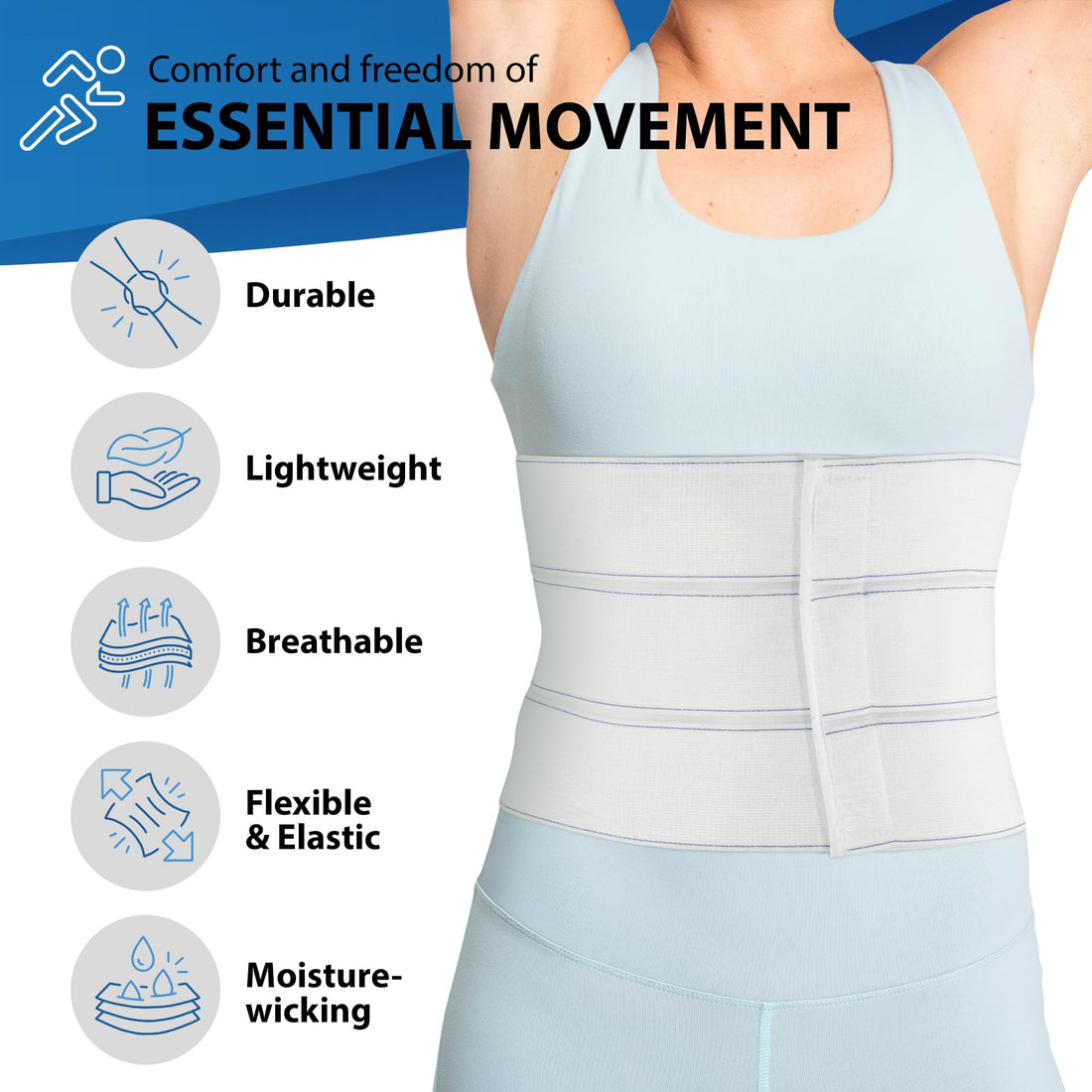
This is non-negotiable for larger bodies. More surface area contact means more heat generation. Look for braces with mesh panels, moisture-wicking fabrics, and materials that allow airflow. Cotton-blend inner layers help prevent skin irritation.
Reinforced Construction
A brace for a larger body needs to handle more stress at the closure points and along the edges. Double-stitched seams, reinforced Velcro patches, and quality elastic that maintains its tension wash after wash make the difference between a brace that lasts months and one that fails in weeks.
Contoured Design
Bodies aren't cylinders. A well-designed brace accounts for the natural contours of a larger torso — the curve of the waist, the shape of the abdomen, the angle of the hips. Braces with shaped panels rather than flat strips conform better and stay in place.
Guide by Brace Type
Back Braces for Plus-Size Bodies
Lower back pain is more prevalent in people with higher BMI — the spine carries more load, discs are under more pressure, and core muscles may be working harder to stabilize. A properly fitting lumbar brace can make a dramatic difference.
What works:
- Wide lumbar panel (10-12 inches) for maximum coverage
- Rigid posterior stays that extend across the full back panel
- Double-pull side straps for adjustable compression
- High-rise design that doesn't roll down over the waistline
What to avoid:
- Braces marketed as "one size fits all" — they rarely do
- Very narrow braces that provide a band of compression rather than broad support
- Stiff, non-stretch materials that can't conform to body shape
Abdominal Binders for Larger Frames
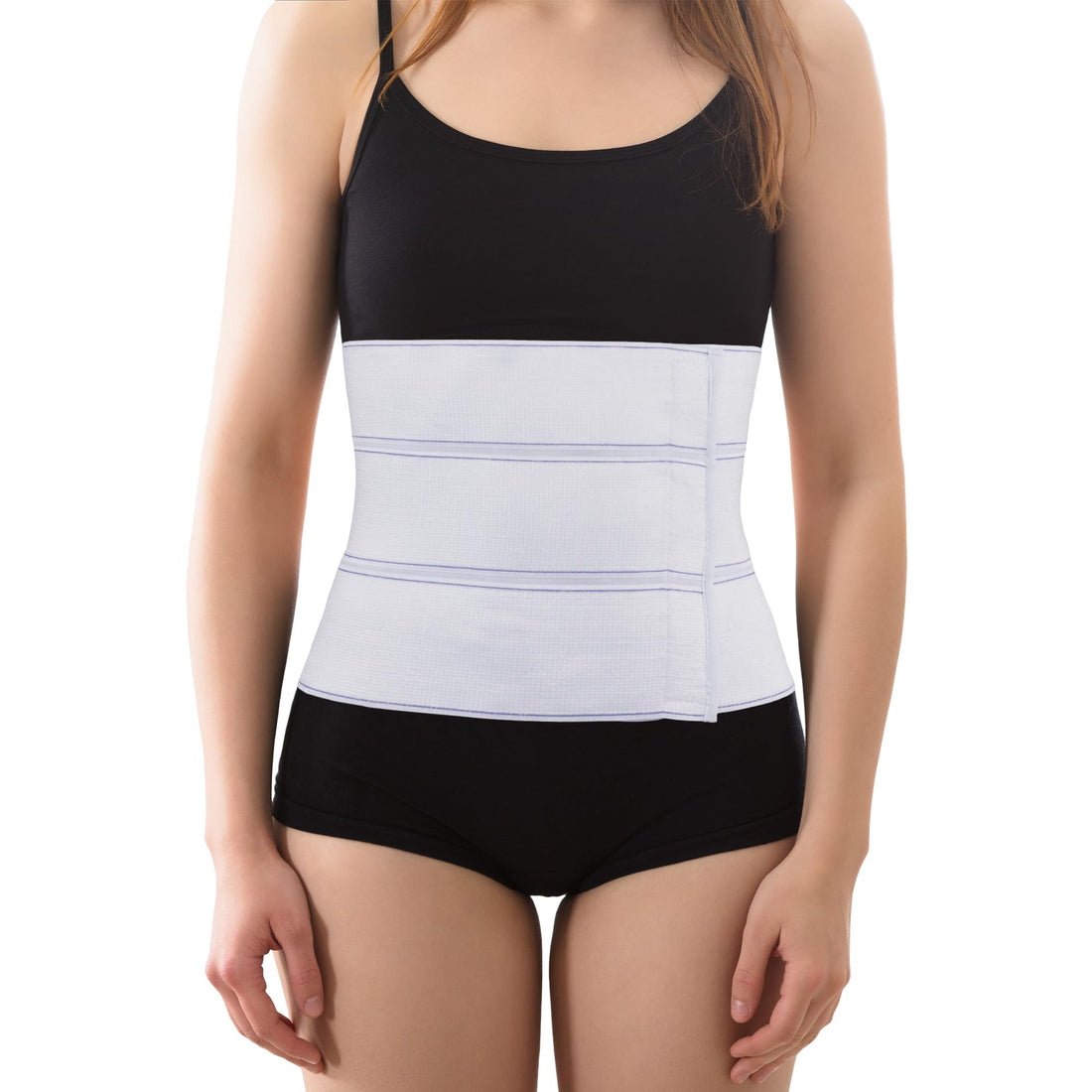
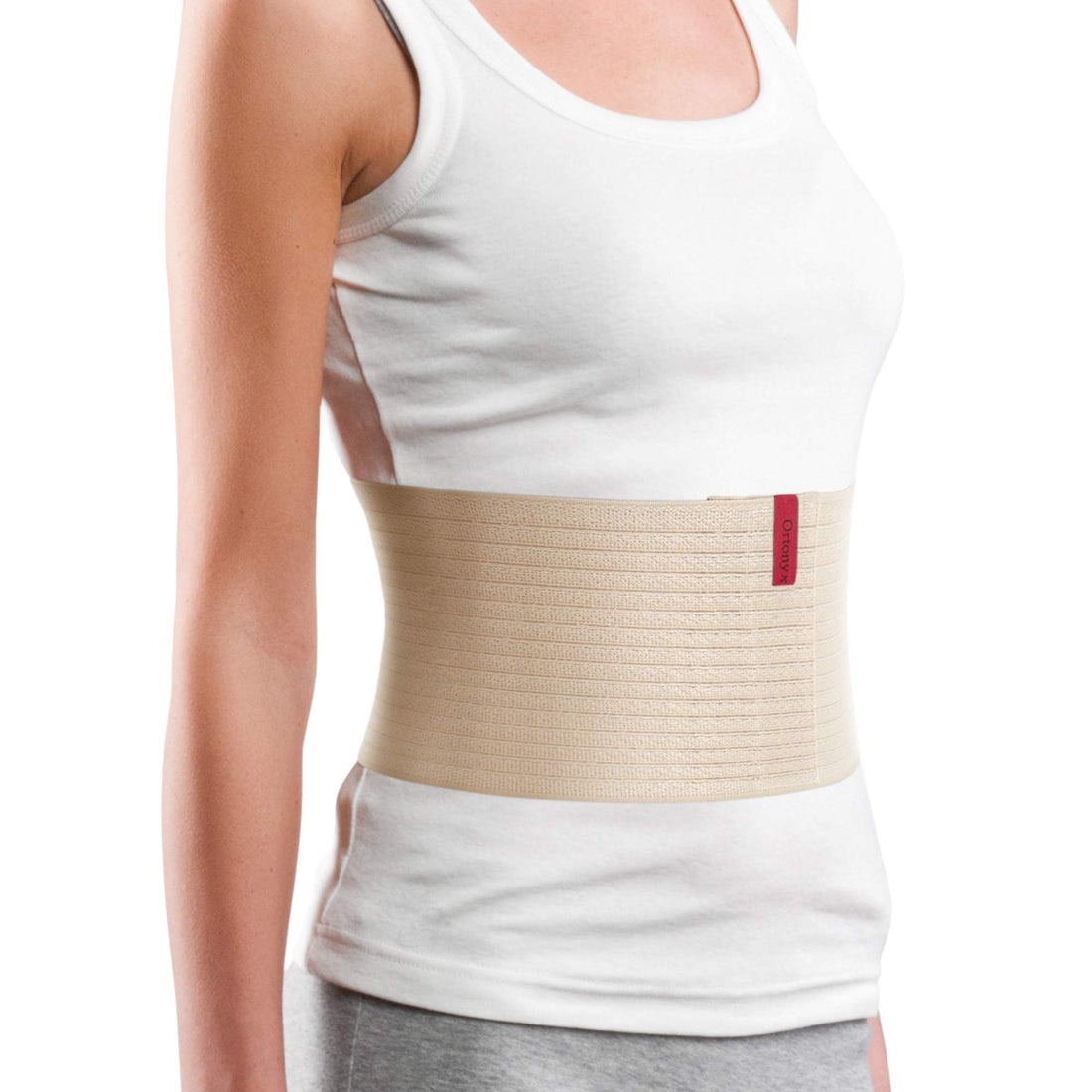
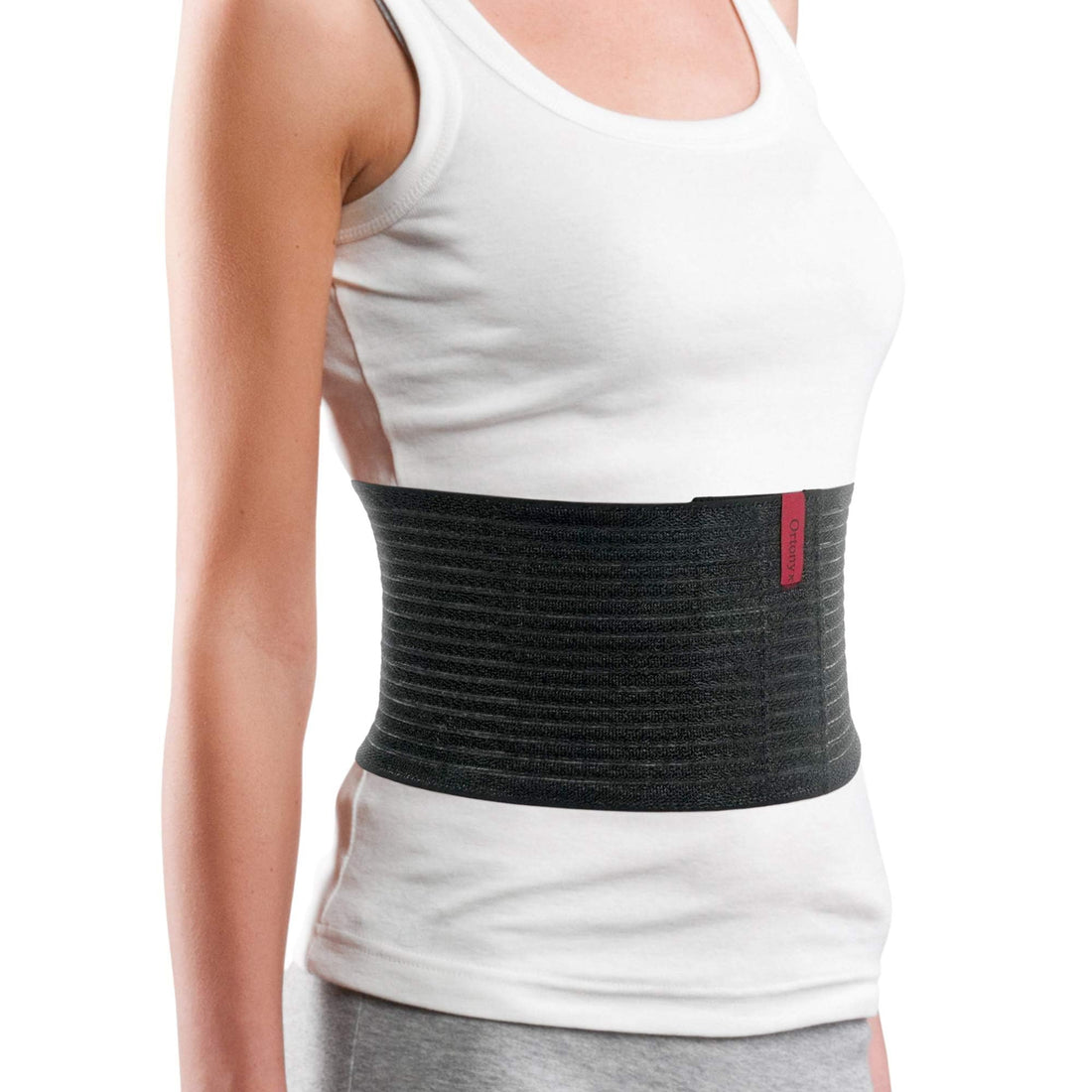
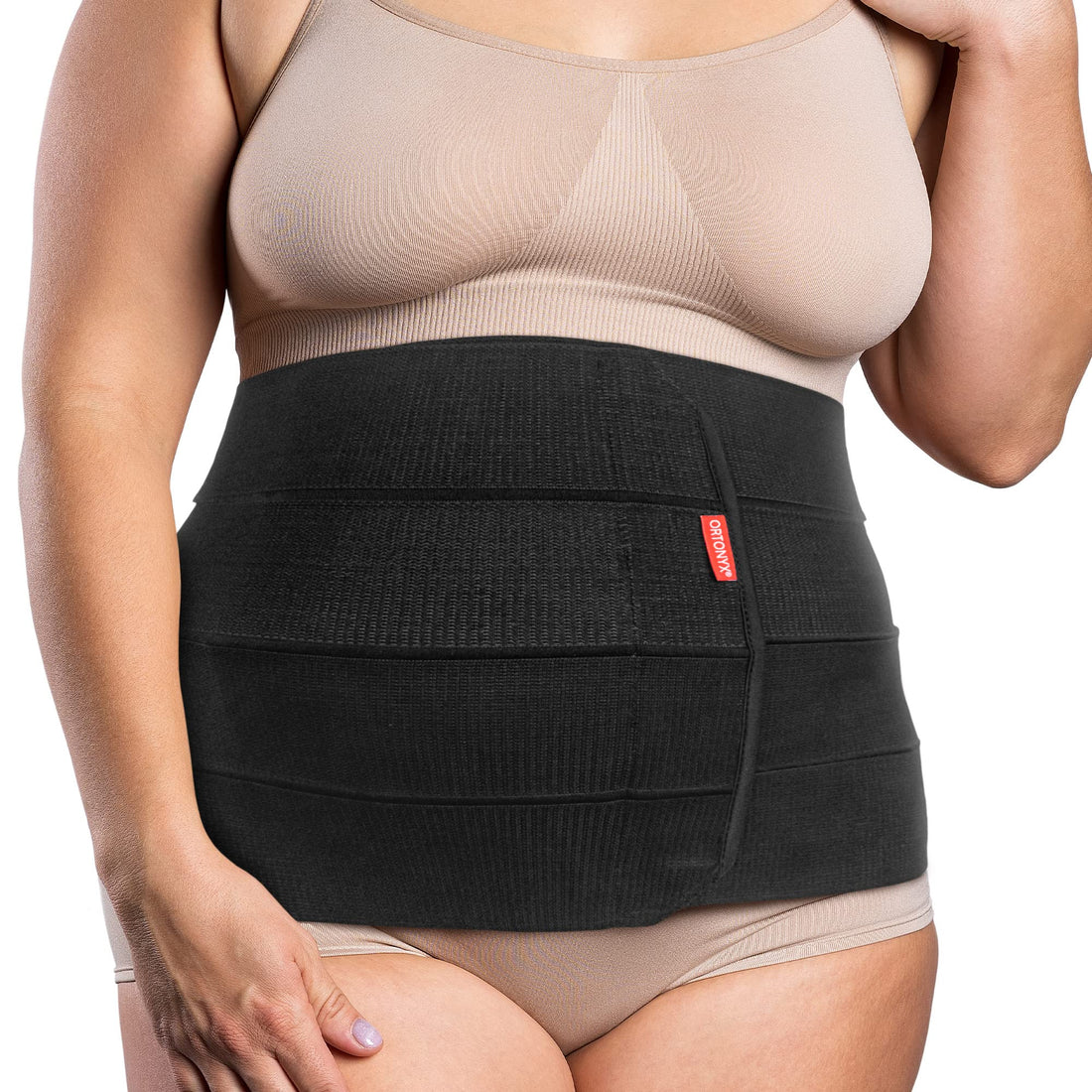
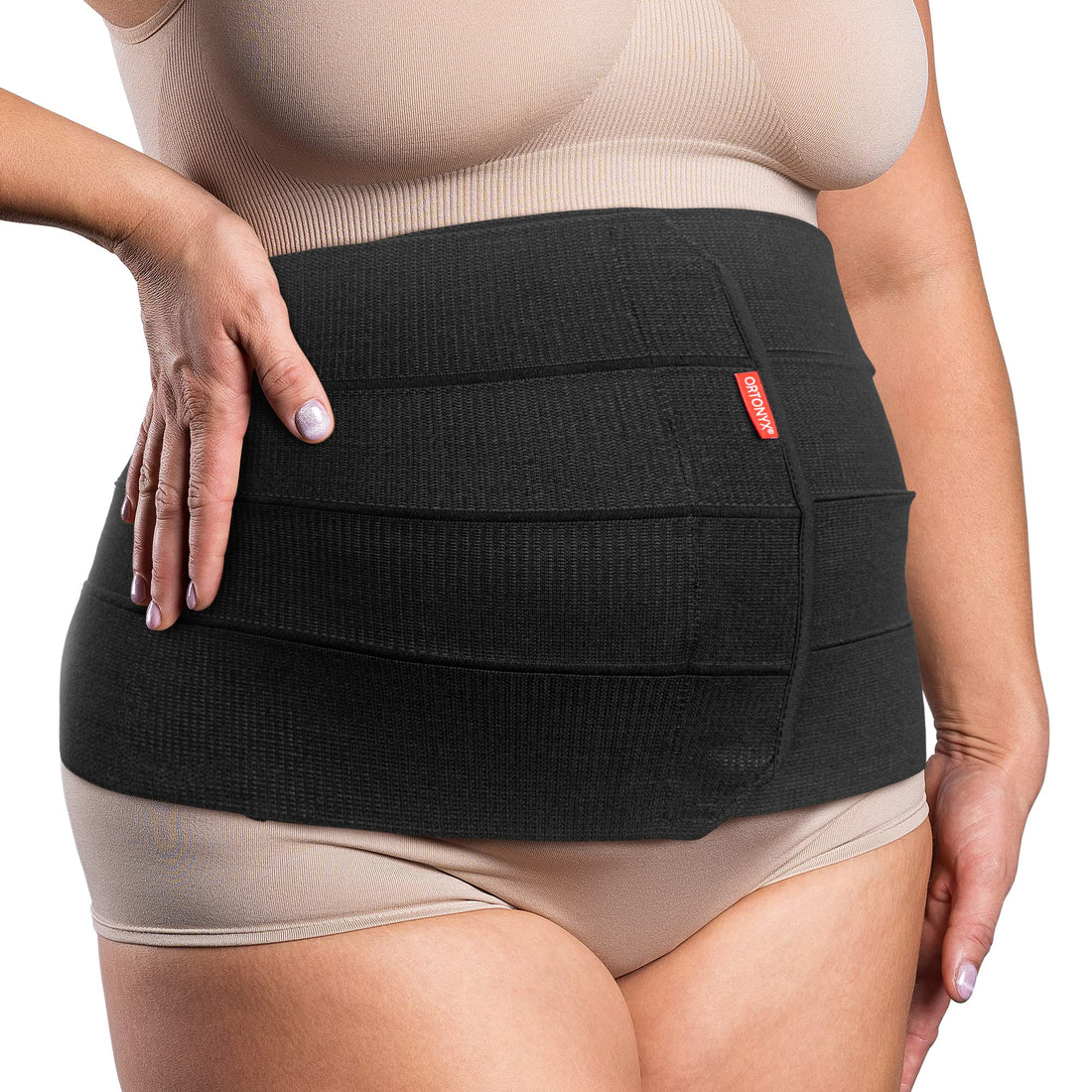
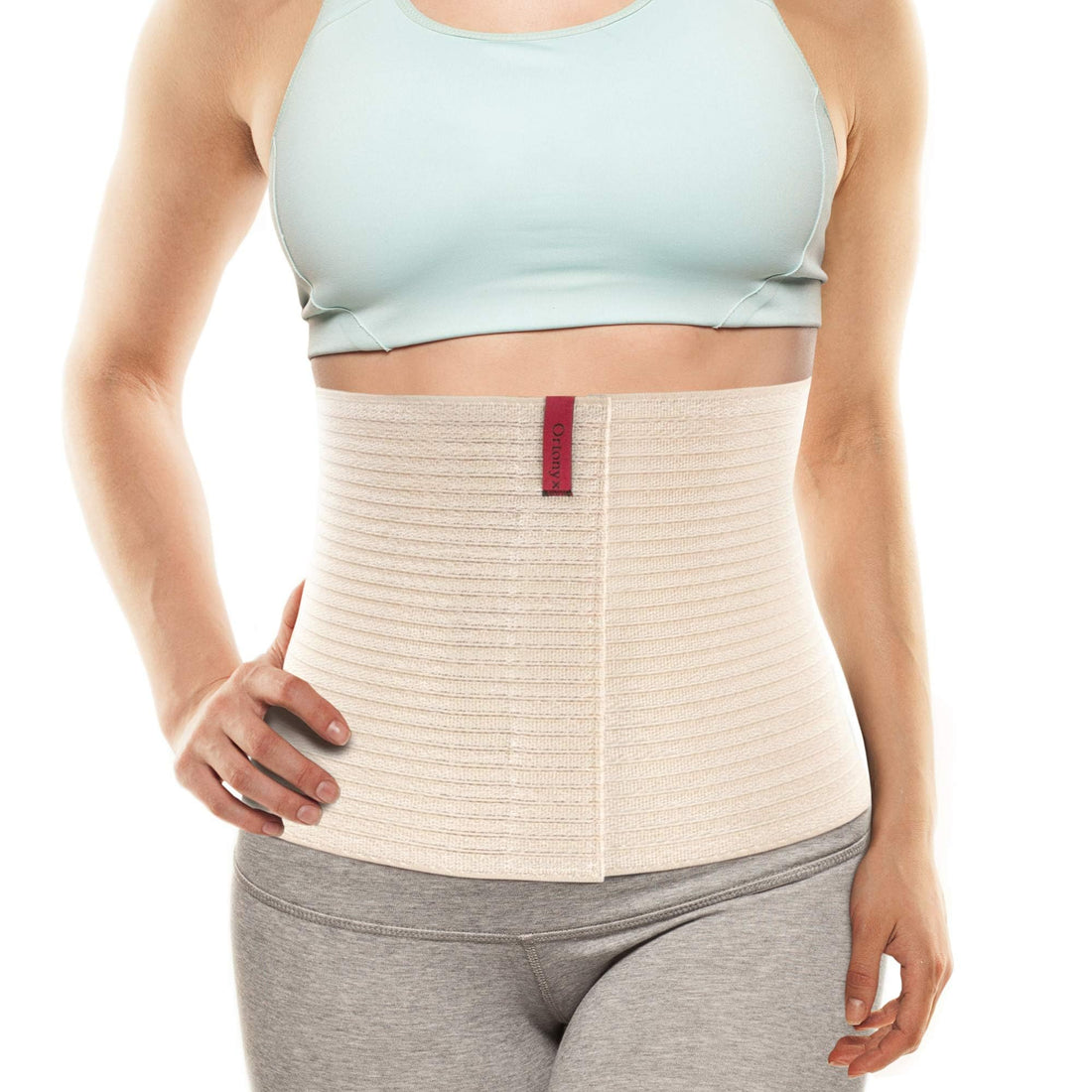
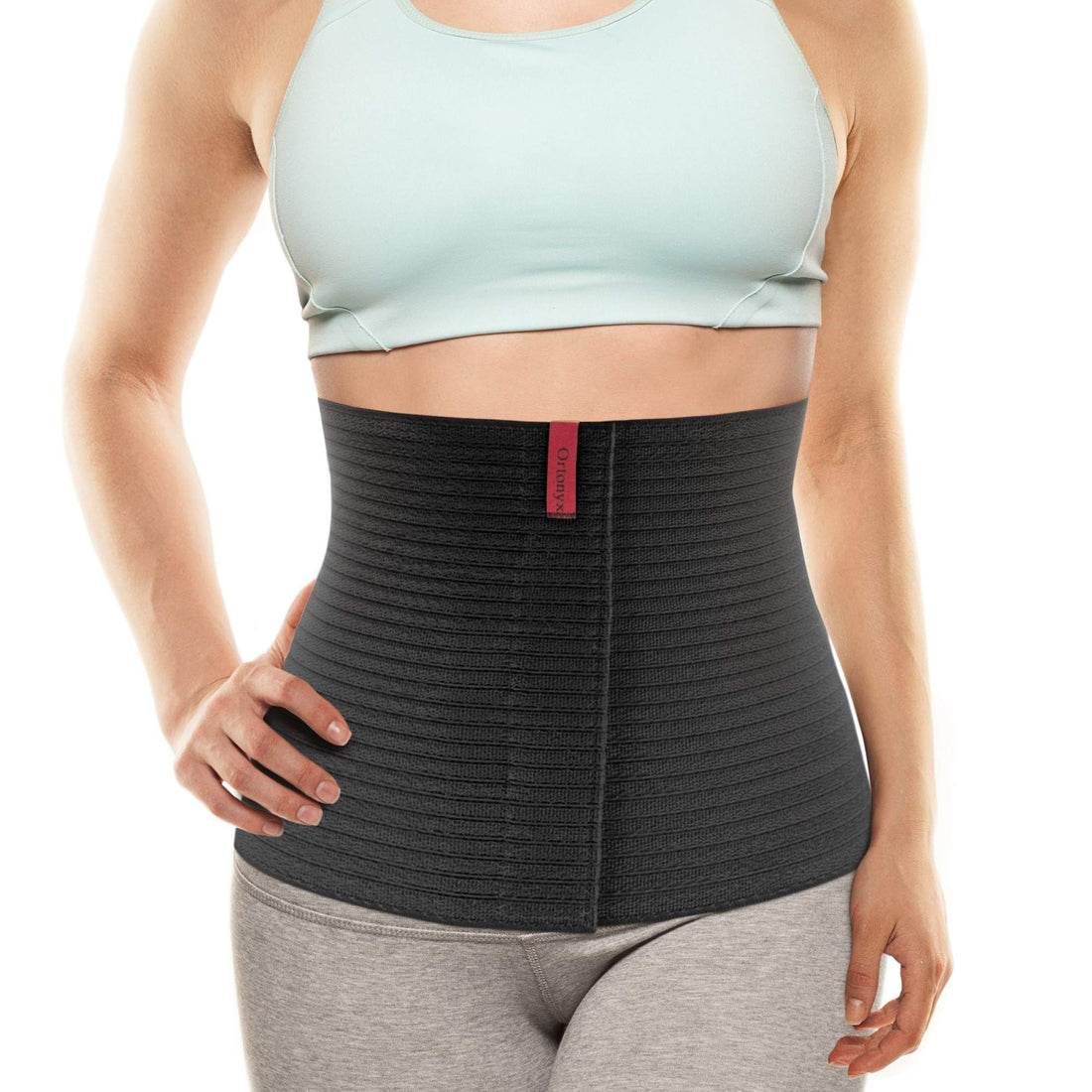
After surgery — whether it's bariatric, hernia repair, C-section, or any abdominal procedure — a properly fitting binder is essential for recovery. For larger bodies, this means:
Key features:
- Circumference range that comfortably accommodates your measurements with room for swelling
- Width options (the 12-inch wide binders provide the best coverage for larger torsos)
- Strong hook-and-loop closure that won't lose grip
- Soft inner fabric that won't irritate skin, especially around incision sites
One of our customers shared: "I am a plus-sized woman and I've given several braces a shot — this one is by far my favorite. The triangular padding feels nice, the metal bars hold your back straight, and it fits just as it should."
Hernia Belts for Extended Sizes
Hernias don't discriminate by body size, but finding a hernia belt that fits a larger abdomen can be challenging. The pad needs to sit directly over the hernia — not above it, not below it, not off to one side because the belt doesn't wrap properly.
What matters:
- Adjustable pad positioning that allows precise placement over the hernia
- Belt length that wraps fully with adequate Velcro overlap (at least 4 inches of overlap for secure closure)
- Firm compression pad that maintains consistent pressure even over a larger surface area
- Low-profile design that works under regular clothing
Posture Correctors for Larger Builds
Posture issues affect people of all sizes, but most posture correctors are designed for smaller frames. The straps are too short, the back panel too narrow, and the overall structure isn't built to handle the forces involved in supporting a larger upper body.
Look for:
- Extended strap length with multiple adjustment points
- Wide, padded shoulder straps that distribute force without digging in
- Back panel that spans the full width between the shoulder blades
- Materials strong enough to provide meaningful correction for a larger frame
Sizing Tips That Actually Help
Measure Accurately
Use a flexible measuring tape. Measure at the widest point of the area the brace will cover — not where you wish it would cover. For abdominal braces, this usually means measuring around the fullest part of the abdomen, not the natural waist.
Measure at the Right Time
Body measurements can vary throughout the day due to bloating, meals, and activity. Measure in the morning and again in the evening, and use the larger number for sizing.
Account for Swelling
If you're buying a brace for post-surgical recovery, add 2-3 inches to your current measurement. Surgical swelling is real and peaks in the first week — a brace that fits perfectly before surgery may be too tight during the days you need it most.
When in Between Sizes, Size Up
You can always tighten a brace. You can't stretch one that's too small. Sizing up gives you adjustment room and ensures adequate Velcro overlap for a secure closure.
Breaking the Stigma
Let's address something directly: needing a larger brace isn't a failure, and it doesn't mean anything about you other than that your body is a certain size and it needs support.
The orthopedic industry has been slow to serve larger bodies. For too long, "extended size" meant slapping longer straps on a design made for someone else. That's changing, but it's not changing fast enough.
Everyone dealing with back pain, recovering from surgery, or working to improve their posture deserves a brace that fits properly and works effectively. Size shouldn't be a barrier to pain relief and recovery.
What Proper Fit Feels Like
You'll know a brace fits right when:
- You feel firm, even compression — not tightness in some spots and looseness in others
- The brace stays in place during normal movement without constant adjustment
- You can breathe normally and comfortably
- The edges don't roll or fold over
- Velcro closures overlap by at least 3-4 inches
- You can wear it for hours without skin irritation or discomfort
- It provides noticeable pain relief or support improvement
If your current brace doesn't check these boxes, it's not the right fit — and a better option exists.
This content is for informational purposes only and is not a substitute for professional medical advice. Consult your healthcare provider for personalized recommendations on orthopedic support products.