
Hernia Truss for Men: Complete Guide to Inguinal Hernia Support
Inguinal hernias affect approximately 27% of men during their lifetime, making them one of the most common medical conditions requiring support and management. For men dealing with inguinal hernias who aren't ready for surgery or are seeking temporary relief, a hernia truss can provide crucial support and comfort.
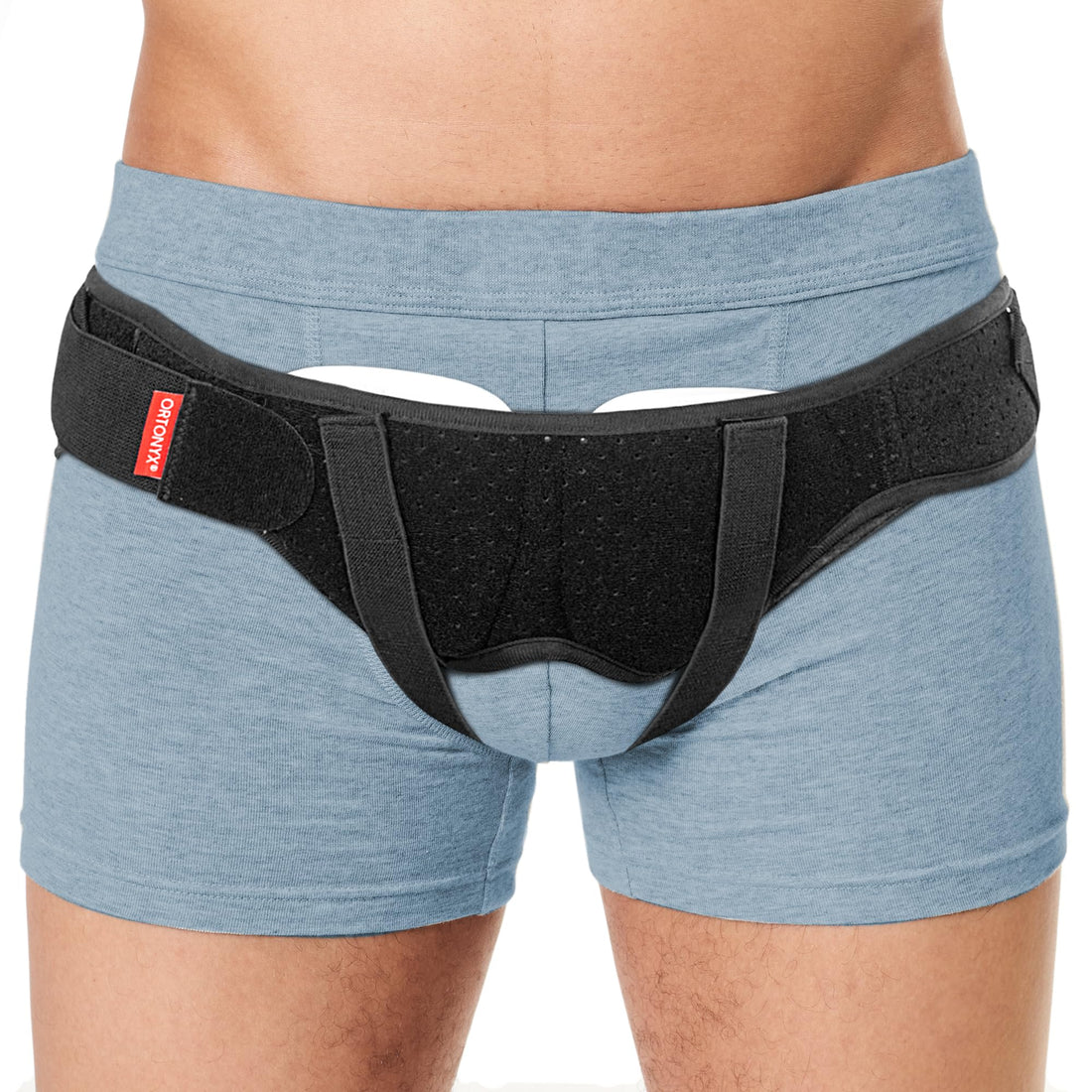
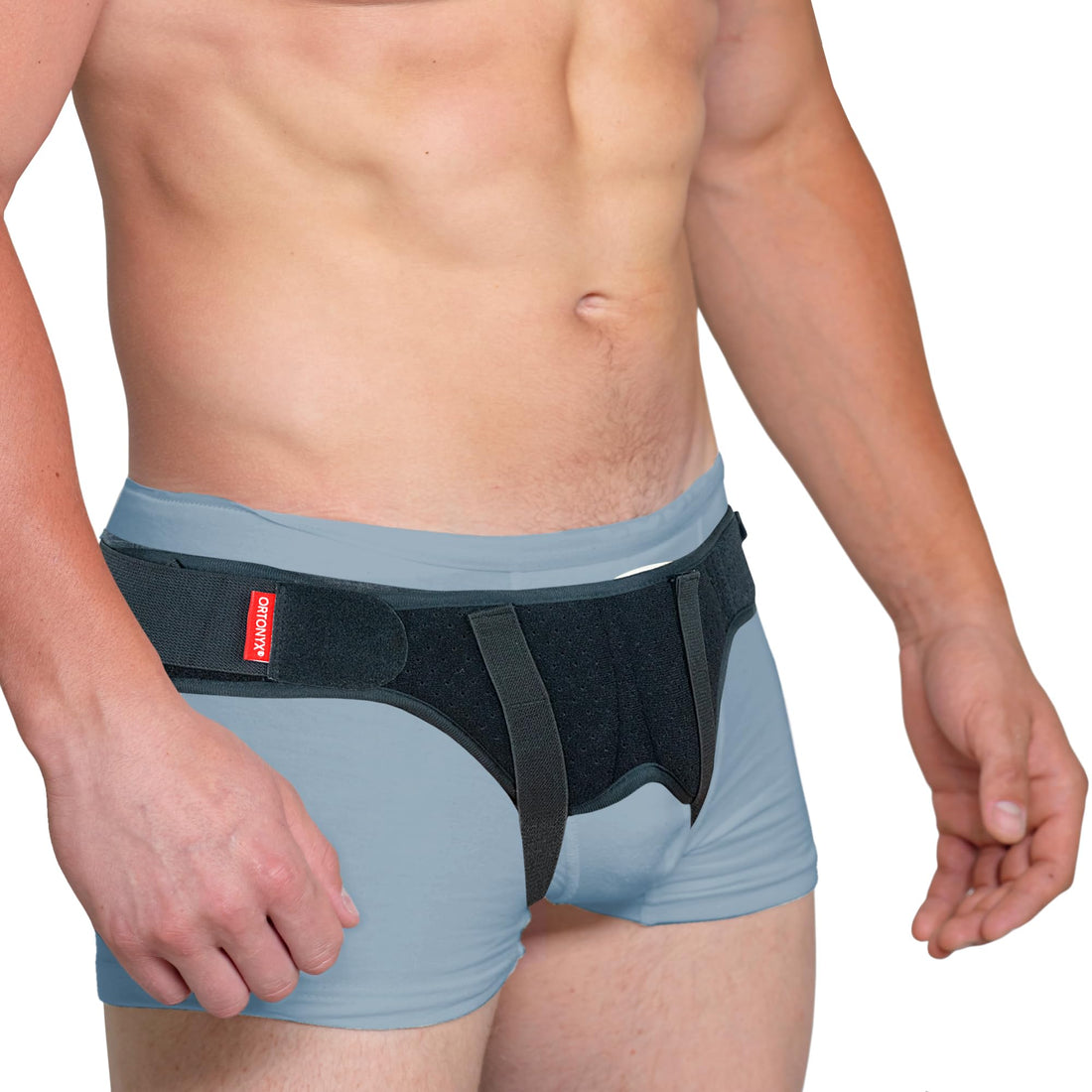
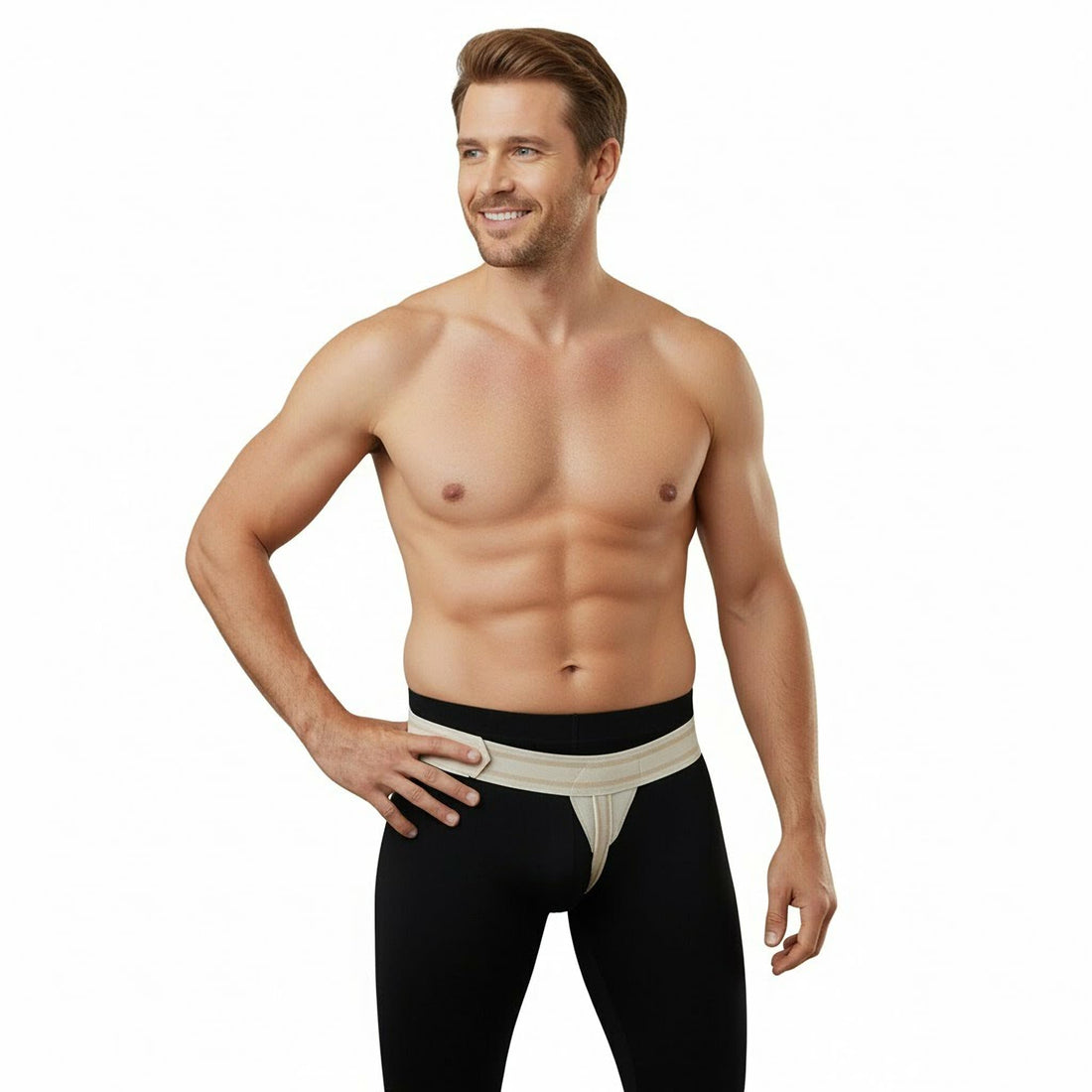
A hernia truss is a supportive undergarment designed specifically to hold herniated tissue in place and reduce discomfort during daily activities. Unlike general abdominal binders, hernia trusses are engineered with targeted compression pads that apply gentle pressure to the hernia site, helping prevent the protrusion from extending further.
This comprehensive guide covers everything you need to know about hernia trusses for men, from understanding how they work to choosing the right fit and using them effectively as part of your hernia management strategy.
Understanding Inguinal Hernias in Men
An inguinal hernia occurs when tissue, usually part of the intestine, protrudes through a weak point in the abdominal muscles in the groin area. This creates a noticeable bulge that may become more pronounced when standing, coughing, or straining.
Why Men Are More Susceptible
Men develop inguinal hernias at rates significantly higher than women due to anatomical differences. The inguinal canal in men is larger to accommodate the spermatic cord, creating a natural area of weakness. Additionally, men's work and lifestyle patterns often involve more heavy lifting and physical strain.
Common Symptoms Include: - Visible bulge in the groin or scrotum - Burning or aching sensation at the bulge - Pain or discomfort when lifting, bending, or coughing - Heavy or dragging sensation in the groin - Weakness or pressure in the groin area
Types of Inguinal Hernias: - Direct inguinal hernia - Develops through a weakness in the abdominal wall - Indirect inguinal hernia - Occurs through the natural opening of the inguinal canal
How Hernia Trusses Work
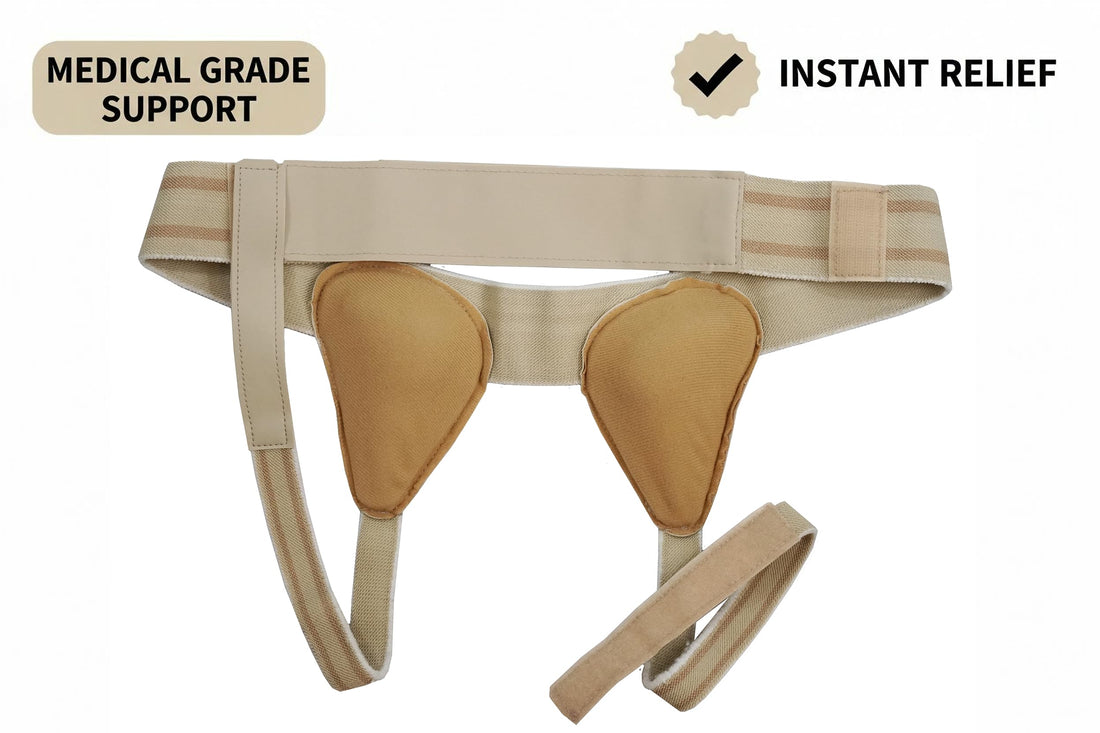
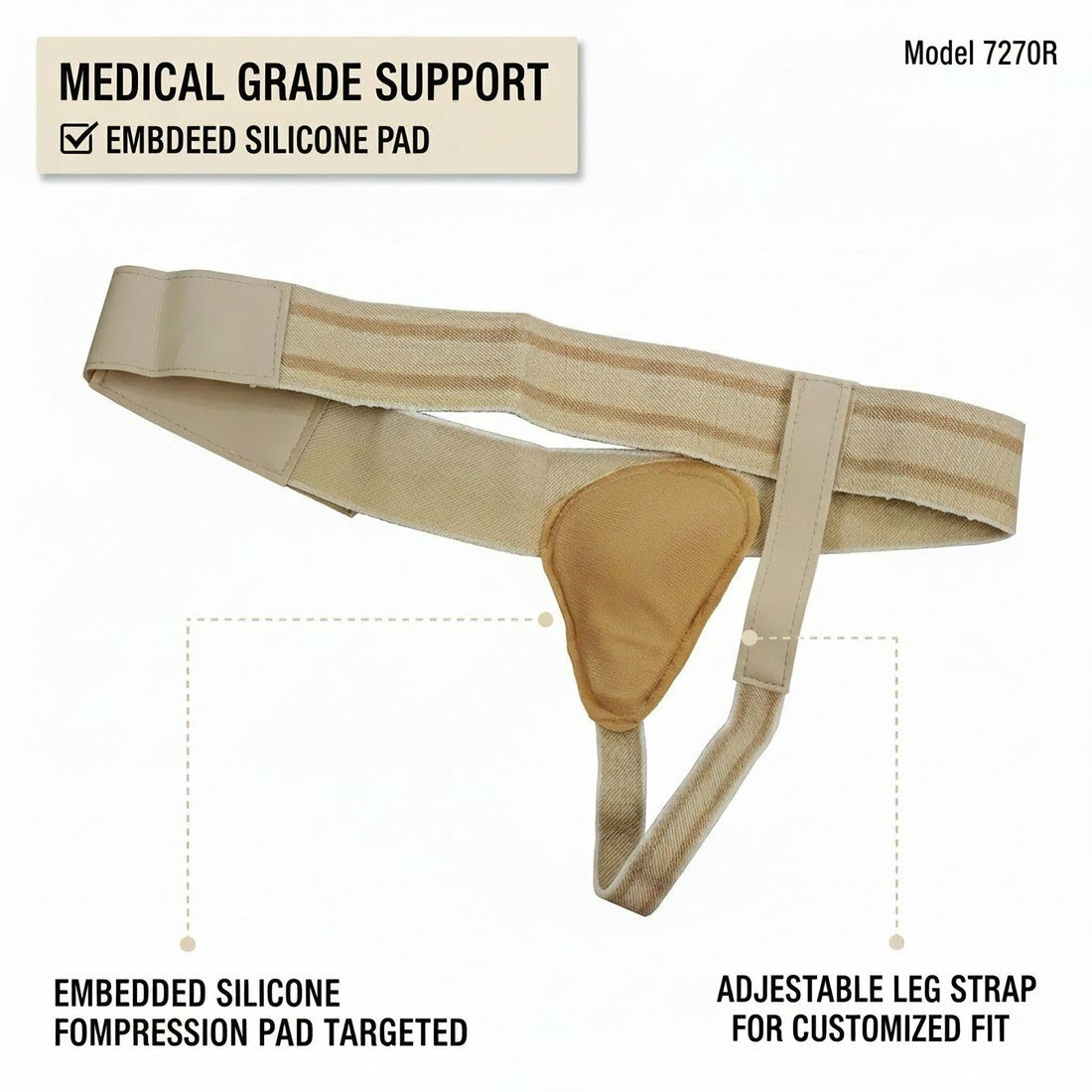
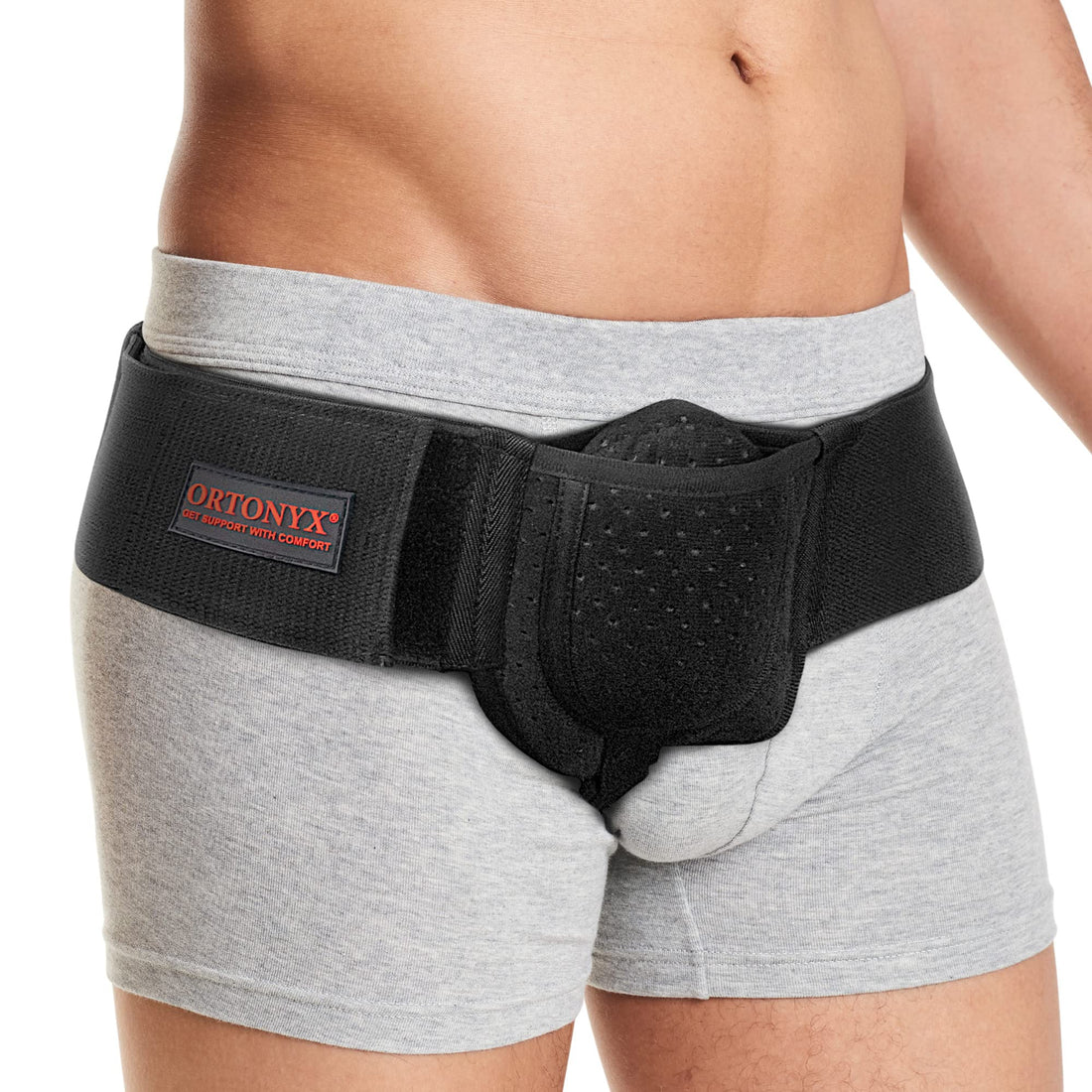
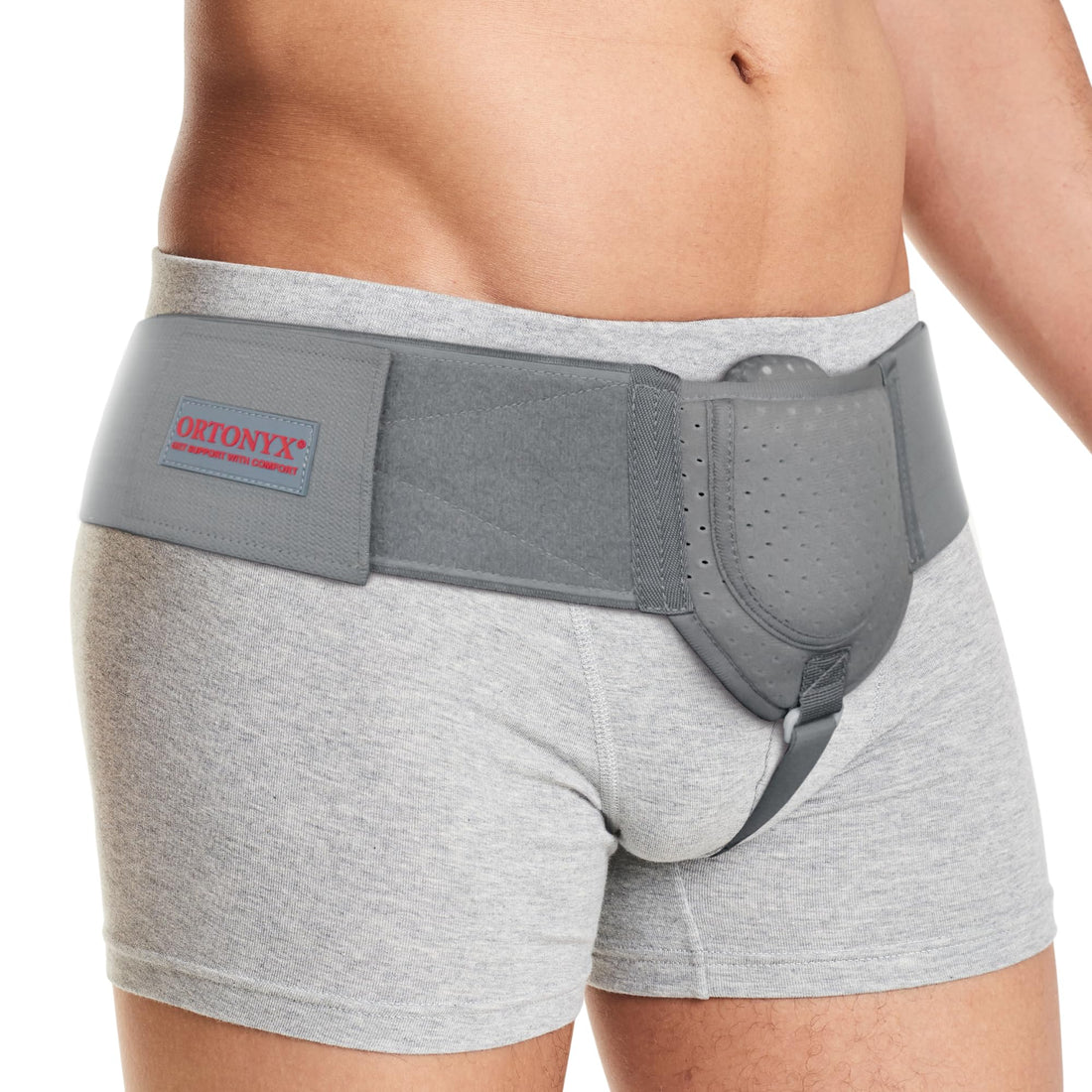
A hernia truss functions by applying controlled compression to the hernia site, helping to keep the protruding tissue in its proper position. The device consists of a supportive belt or undergarment with strategically placed padding that creates gentle, consistent pressure over the hernia.
Key Mechanisms: - Compression - Prevents the hernia from protruding further - Support - Reduces strain on weakened abdominal muscles - Stabilization - Helps maintain proper positioning during movement - Pain relief - Decreases discomfort associated with hernia movement
When Trusses Are Most Effective: - Reducible hernias (those that can be gently pushed back into place) - Small to moderate-sized hernias - As temporary relief while awaiting surgery - For men who cannot undergo surgery due to medical conditions - During recovery periods when surgical intervention isn't immediate
Types of Hernia Trusses for Men
Single Inguinal Hernia Truss
Designed for men with a hernia on one side, these trusses feature a single compression pad positioned over the affected groin area. They're typically lighter and less bulky than bilateral options.
Bilateral Inguinal Hernia Truss
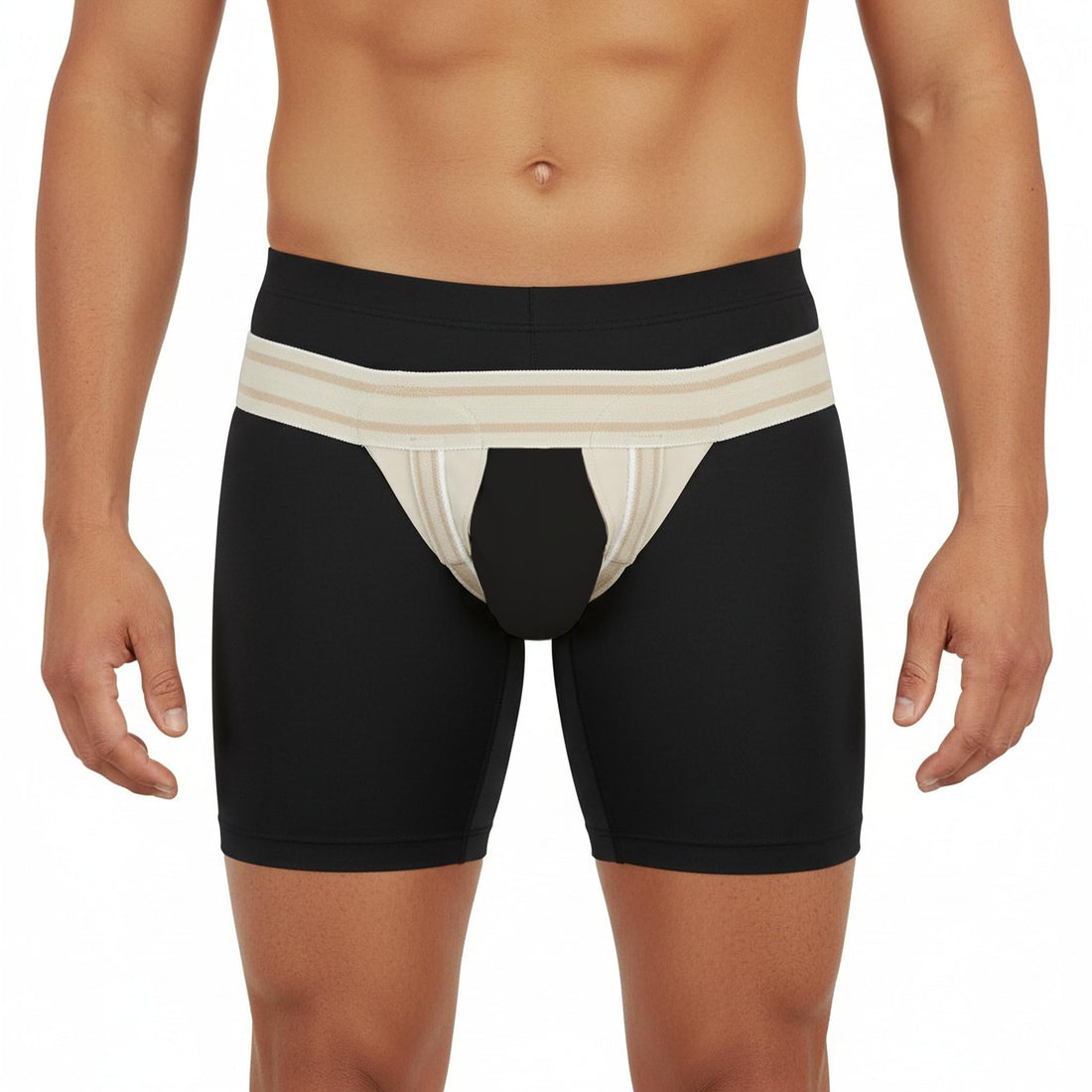
For men with hernias on both sides, bilateral trusses provide dual compression pads. These offer comprehensive support but may feel more substantial under clothing.
Scrotal Support Trusses
Specialized designs that include additional support for the scrotal area, particularly beneficial for larger hernias or those that extend into the scrotum.
Sports Hernia Trusses
Designed for active men who need hernia support during physical activities. These typically feature moisture-wicking materials and secure, movement-friendly designs.
Choosing the Right Hernia Truss
Essential Fit Considerations
Proper fit is crucial for both effectiveness and comfort. A truss that's too tight can restrict circulation and cause discomfort, while one that's too loose won't provide adequate support.
Sizing Guidelines: - Measure waist circumference at the narrowest point - Measure hip circumference at the widest point - Consider thigh circumference for trusses with leg straps - Always refer to manufacturer size charts as sizing can vary between brands
Material Considerations
Breathable fabrics are essential for all-day comfort, especially for men who wear trusses during work or extended periods. Look for moisture-wicking materials that prevent skin irritation.
Adjustability features allow for fine-tuning of compression and accommodate changes in swelling throughout the day. Quality trusses offer multiple adjustment points for optimal customization.
Padding quality directly impacts comfort and effectiveness. High-density foam or gel padding provides better support while conforming to body contours.
Proper Application and Use
Step-by-Step Application Process:
- Preparation - Apply the truss in the morning before getting out of bed when the hernia is naturally reduced
- Positioning - Lie flat and gently reduce the hernia if necessary
- Placement - Position the compression pad directly over the hernia site
- Securing - Fasten straps snugly but not tightly, allowing for comfortable breathing
- Adjustment - Stand and make final adjustments to ensure proper positioning and comfort
Daily Wear Guidelines: - Put on the truss before rising from bed - Wear throughout active hours - Remove before sleeping unless specifically advised otherwise by a healthcare provider - Check positioning periodically throughout the day
Activity Modifications: - Avoid heavy lifting even when wearing a truss - Use proper body mechanics when bending or reaching - Listen to your body and rest if discomfort increases - Remove the truss if it causes unusual pain or numbness
Benefits and Limitations
Key Benefits: - Immediate relief from hernia-related discomfort - Improved mobility during daily activities - Confidence in physical activities without fear of hernia complications - Temporary management while planning or recovering from surgery - Cost-effective compared to surgical intervention - Non-invasive option for men who cannot undergo surgery
Important Limitations: - Doesn't cure the hernia - only provides symptomatic relief - May cause skin irritation if not properly fitted or maintained - Can weaken muscles if relied upon exclusively for long periods - Not suitable for all hernia types, particularly strangulated or incarcerated hernias - May become less comfortable as hernias enlarge over time
When to Seek Medical Attention
While hernia trusses can provide valuable support, certain symptoms require immediate medical evaluation:
Emergency Symptoms: - Severe, sudden pain in the hernia area - Nausea and vomiting - Hernia becomes hard and cannot be reduced - Skin over the hernia becomes red or discolored - Fever accompanying hernia symptoms
Regular Monitoring: - Schedule regular check-ups with your healthcare provider - Monitor hernia size and symptoms - Discuss long-term management strategies - Consider surgical options when appropriate
Maintenance and Care
Daily Cleaning: - Hand wash trusses with mild soap and warm water - Allow to air dry completely before next use - Rotate between multiple trusses if wearing daily - Inspect regularly for wear or damage
Skin Care: - Keep the skin clean and dry under the truss - Use talcum powder if recommended by your healthcare provider - Check for signs of irritation or pressure sores - Take breaks from wearing when possible
ORTONYX Hernia Support Solutions
At ORTONYX, we understand that every man's hernia support needs are unique. Our collection of hernia trusses and supports is designed with input from medical professionals and real users to provide maximum comfort and effectiveness.
Our hernia support options include: - Single and bilateral inguinal hernia trusses - Adjustable compression for personalized fit - Breathable, medical-grade materials - Discrete designs for comfortable wear under clothing - Professional sizing guidance and customer support
Each ORTONYX hernia truss undergoes rigorous testing to ensure durability and effectiveness. We're committed to helping men manage their hernia symptoms with confidence and comfort.
Lifestyle Considerations
Work Environment Adaptations: - Choose low-profile designs for office settings - Select moisture-wicking materials for physically demanding jobs - Communicate with supervisors about lifting restrictions - Take regular breaks to check positioning and comfort
Exercise and Activity: - Consult with healthcare providers before participating in sports - Focus on low-impact activities like walking or swimming - Avoid exercises that increase abdominal pressure - Use proper form and technique in all physical activities
Travel Tips: - Pack extra trusses for extended trips - Carry documentation from your healthcare provider if flying - Research medical facilities at your destination - Maintain regular application and care routines while traveling
Integration with Medical Care
A hernia truss should be part of a comprehensive hernia management plan developed with your healthcare provider. Regular monitoring and open communication about symptoms, effectiveness, and comfort are essential.
Working with Your Healthcare Team: - Discuss truss options during medical appointments - Report any changes in symptoms or comfort - Follow recommendations for activity restrictions - Plan for surgical intervention when appropriate
Cost Considerations and Insurance
Many insurance plans cover hernia trusses when prescribed by a healthcare provider. Check with your insurance company about coverage requirements and approved suppliers. Even when not covered, trusses represent a cost-effective management option compared to other medical interventions.
Tips for Insurance Coverage: - Obtain a prescription from your healthcare provider - Keep detailed records of medical appointments and recommendations - Submit receipts and documentation promptly - Appeal coverage denials if necessary
Future Outlook and Surgical Planning
While hernia trusses provide valuable symptom management, most inguinal hernias will eventually require surgical repair. Use the time wearing a truss to:
- Research surgical options and surgeons
- Optimize overall health for better surgical outcomes
- Plan for recovery time and support systems
- Build confidence in managing hernia-related challenges
Understanding that a truss is typically a temporary solution helps maintain realistic expectations and encourages appropriate medical follow-up.
This information is for educational purposes only and is not intended as medical advice. Consult with a healthcare professional before starting any treatment or using support devices.
Find Your Perfect Hernia Support
Ready to find the right hernia truss for your needs? Browse our complete collection of inguinal hernia supports with free shipping and a 30-day satisfaction guarantee. Our medical-grade trusses are designed specifically for men's anatomy and comfort needs.