
Living with an umbilical hernia creates an uncomfortable negotiation: activities that strengthen your core are often activities that aggravate your hernia. Lifting, bending, exercise—everything carries risk. The standard advice is "wear a support belt," but standard belts often fail the moment you actually move.
The ORTONYX Ergonomic Umbilical Hernia Belt was designed around movement. Not as marketing language, but as a structural principle. Here's how it holds up.
The Core Problem It Solves
Traditional hernia belts work fine if you're sitting at a desk. The compression pad stays in place, pressure remains consistent, hernia stays reduced. Stand up, walk to the kitchen, bend to pick up your keys—and suddenly the pad has migrated an inch south and you're adjusting your belt in public.
This happens because most hernia belts treat the torso as static. They're shaped for standing or lying flat, not for the complex movements of actual living.
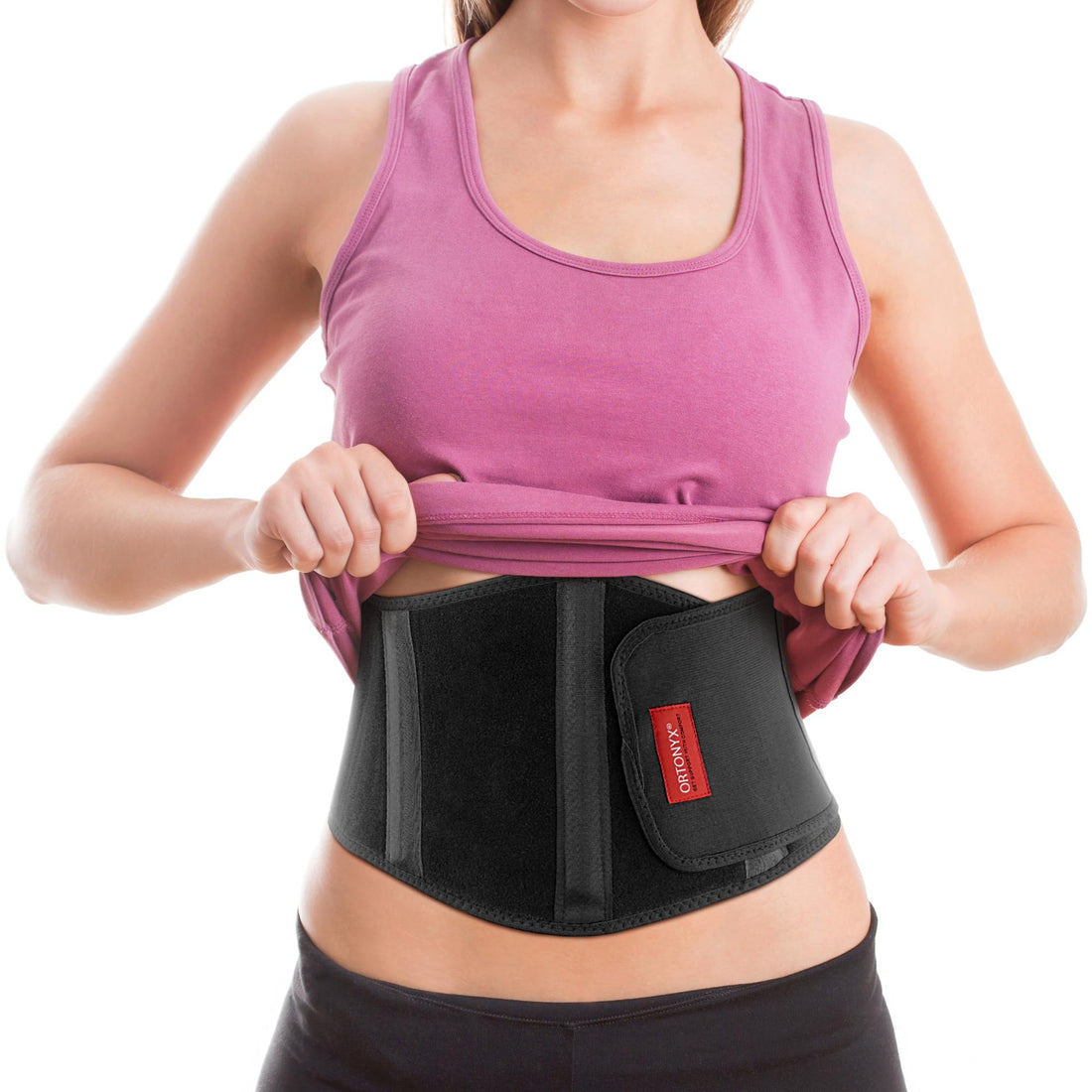
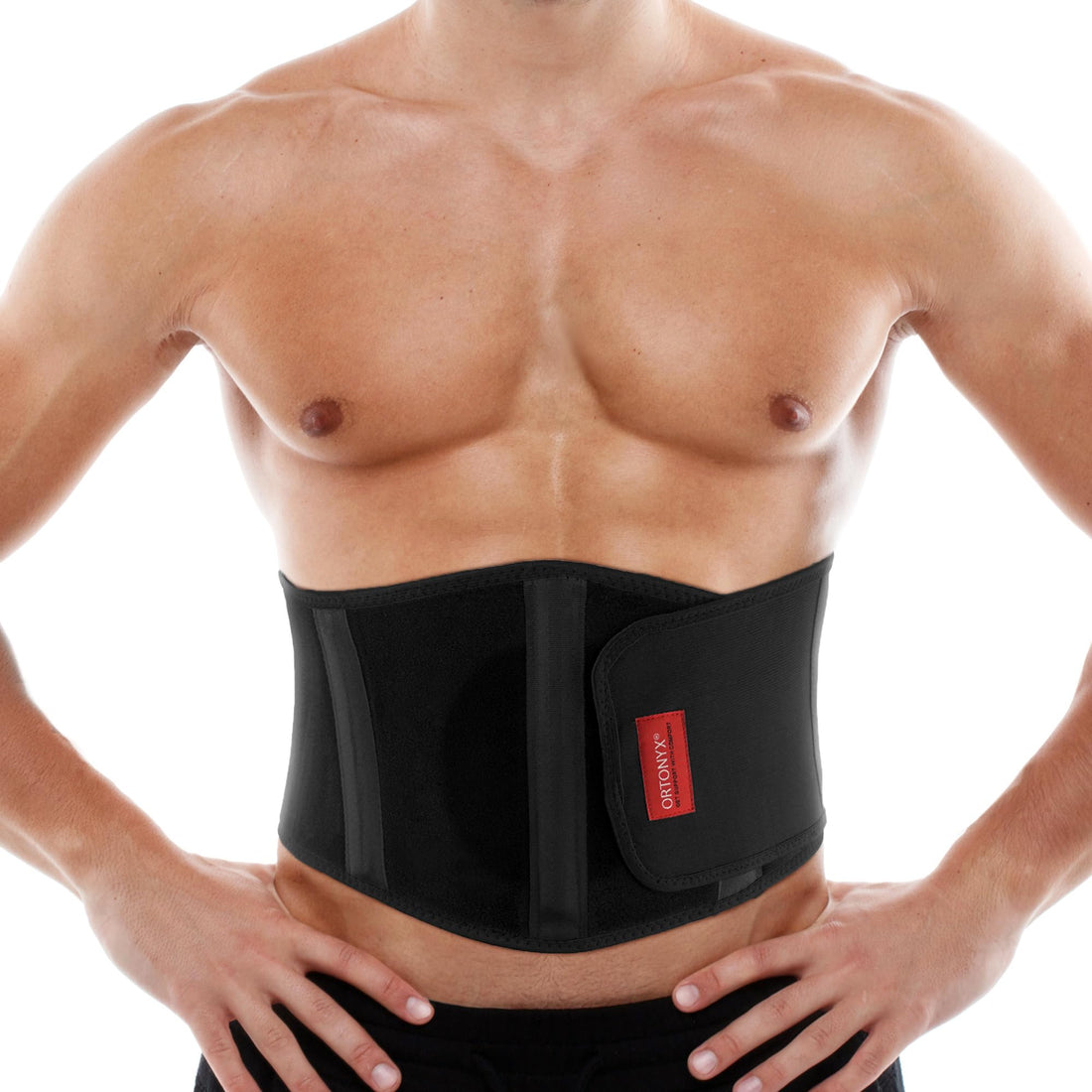
The ergonomic design here accounts for body mechanics: the belt contours to the natural curve of the waist, the compression pad maintains position through flexion and extension, and the closure system adjusts without complete removal and reapplication.
Structural Details
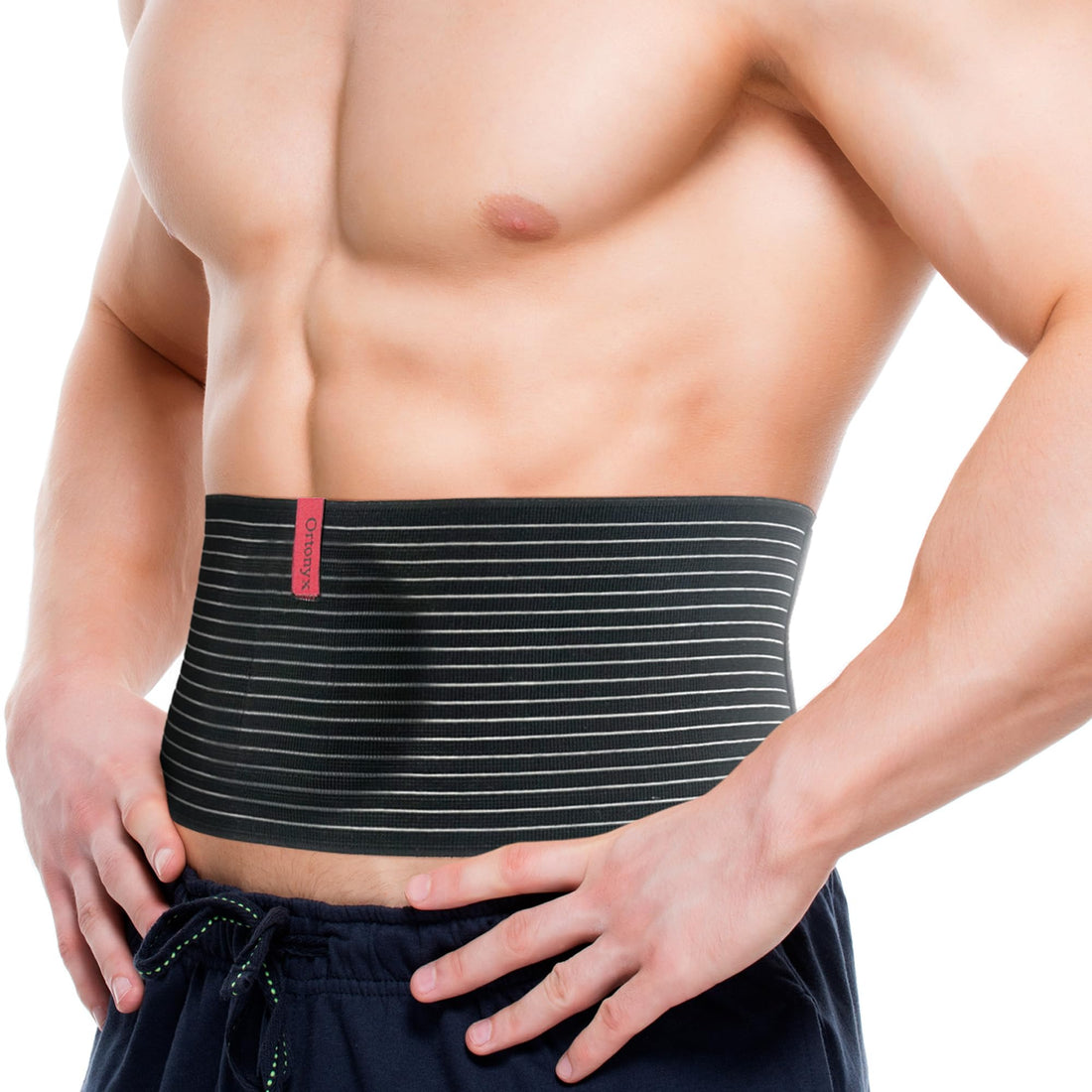
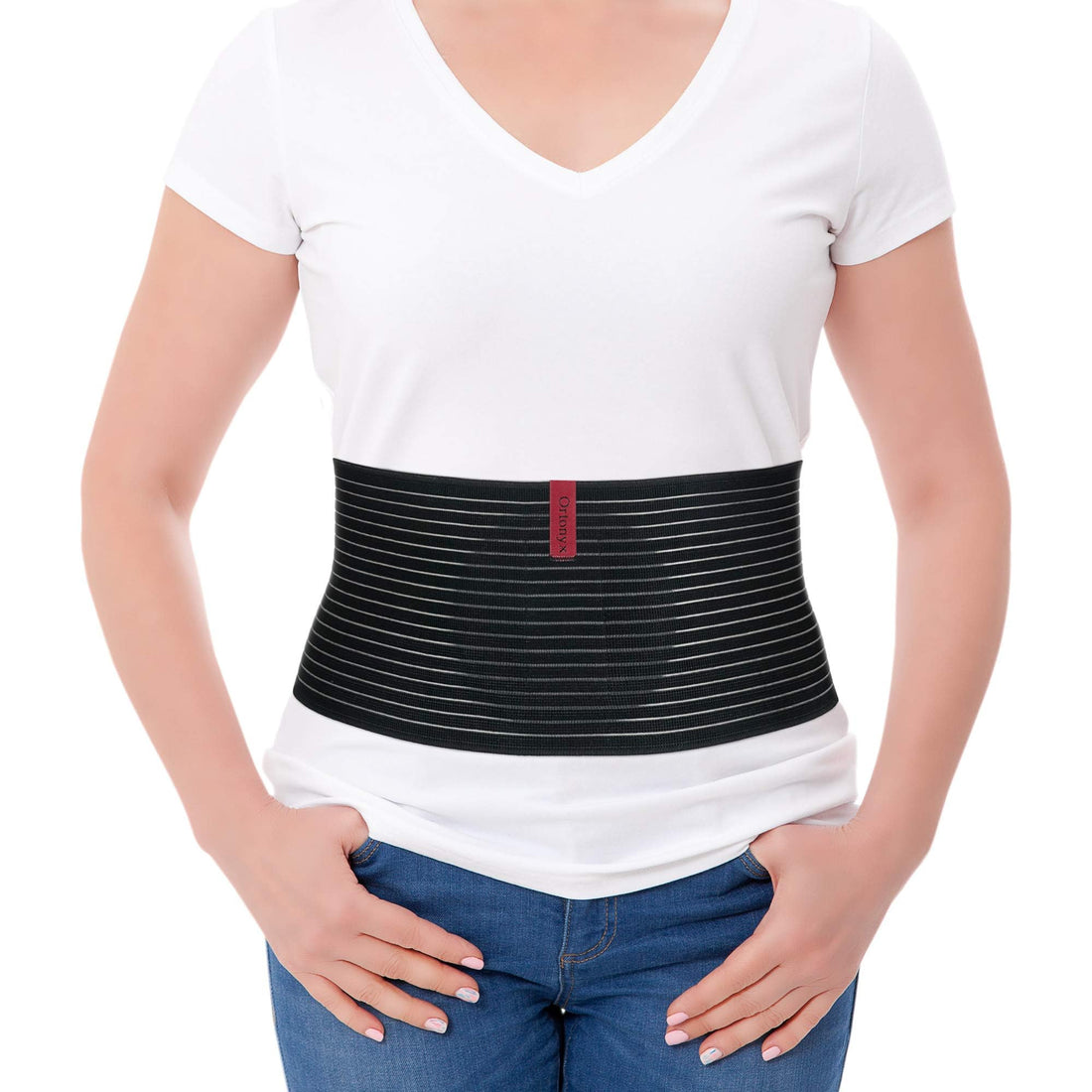
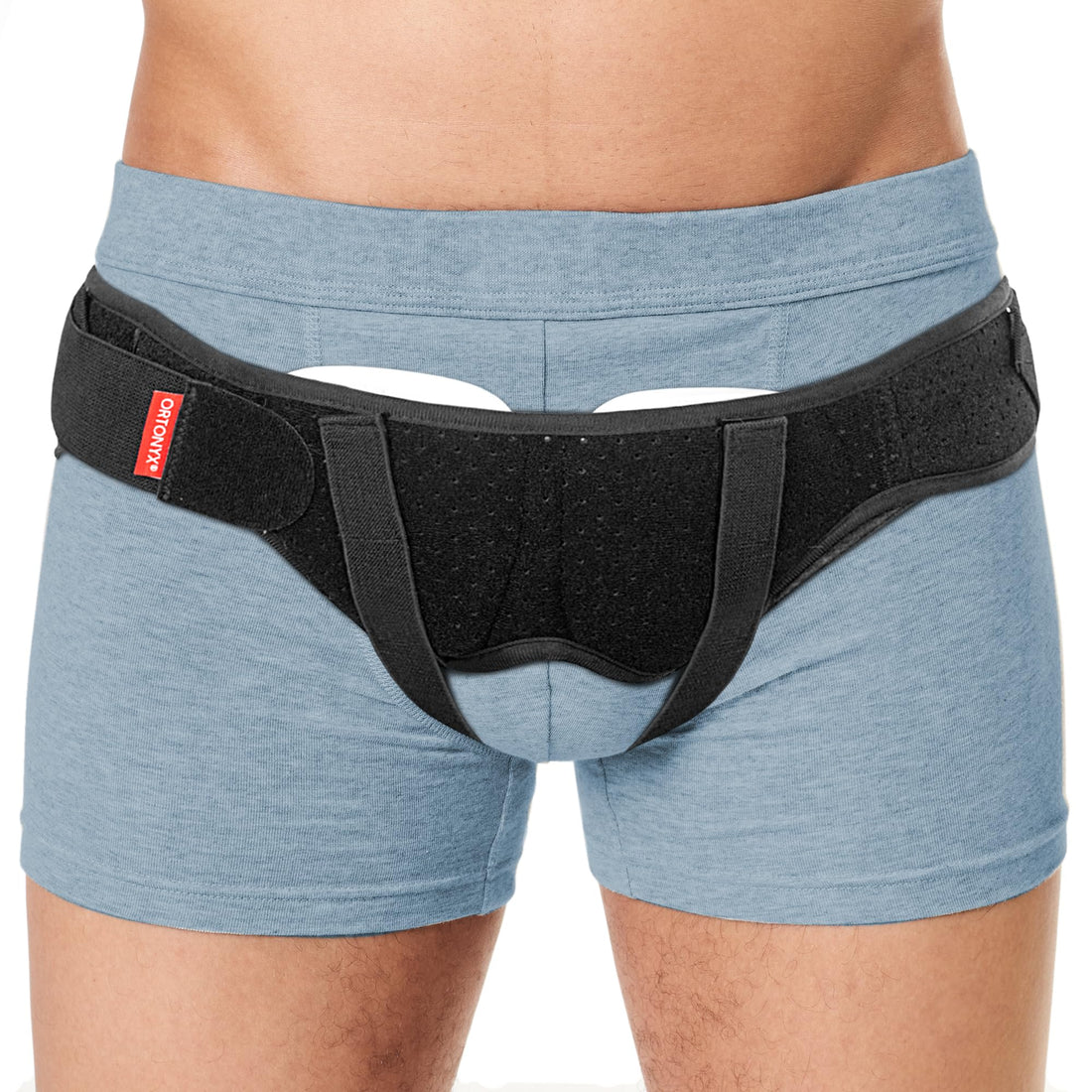
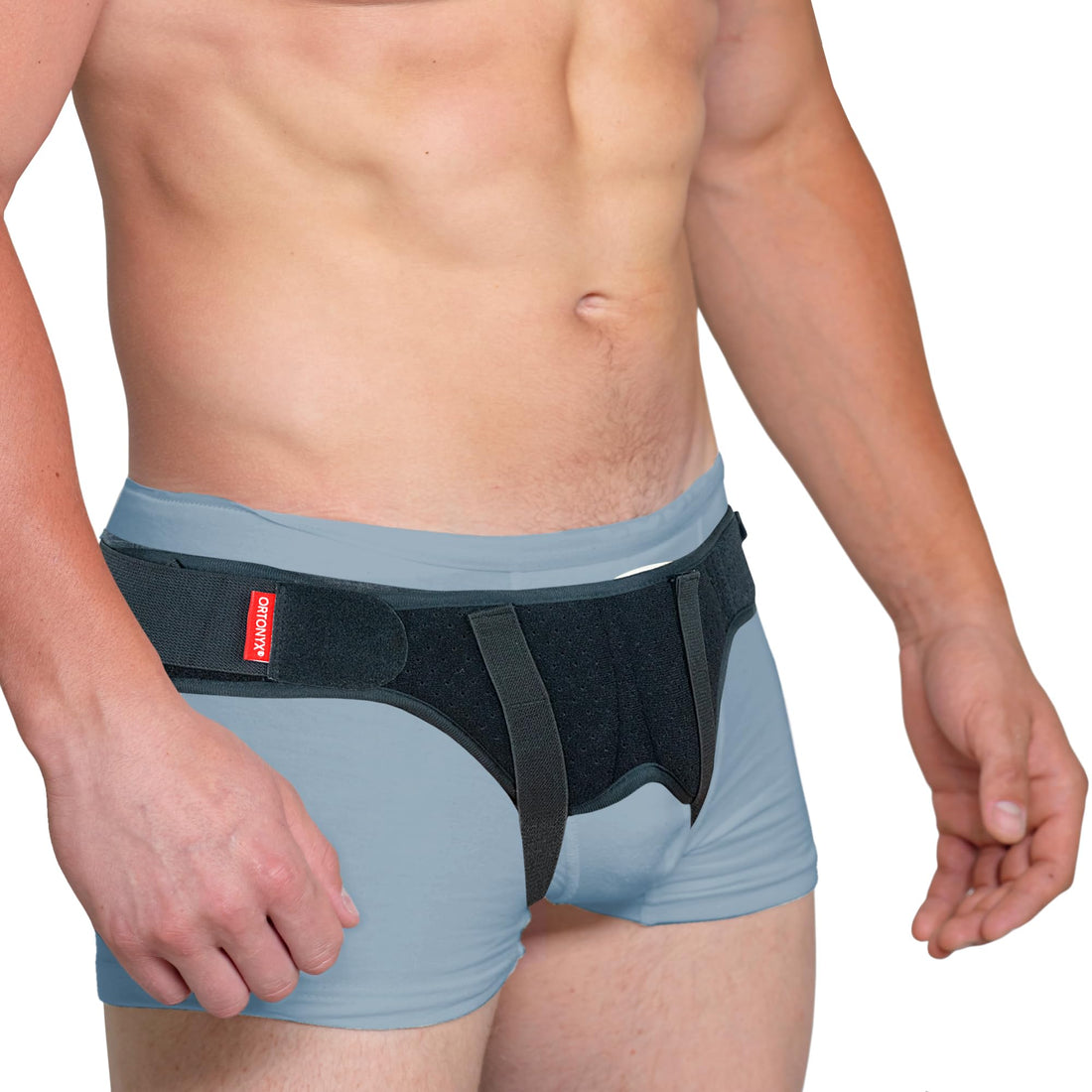
The belt itself: A cotton-blend elastic band that's narrower than a full abdominal binder but wider than a simple strap. This width distribution matters—it prevents the digging and rolling that narrow bands cause during movement.
The compression pad: Anatomically shaped and positioned to apply direct pressure over the umbilical area. Unlike flat circular pads, this one has a slight convex center that maintains inward pressure even as surrounding tissue shifts.
The closure system: Hook-and-loop running the full circumference, allowing micro-adjustments on the fly. You can tighten one side while keeping the other secure—useful when a twist or bend shifts things slightly.
Real Performance Testing
I tested this belt during:
Daily work activities. Eight hours of normal desk work interspersed with walking, standing meetings, and lunch prep. No pad migration, minimal adjustment needed.
Light exercise. Walking 2-3 miles, bodyweight exercises (cleared by physician), stretching. The belt stayed positioned through all movements. Noticeable improvement over cheaper belts that shifted constantly.
Travel. Long car rides, airport walking, lifting carry-on bags. The kind of sustained varied activity that typically destroys pad positioning. This belt held.
What I can't test: Heavy lifting, running, sports. If your activity level requires that, consult your surgeon about repair timing rather than trying to brace through intense activity.
Honest Assessment
Strengths
The pad actually stays put. This is the fundamental promise and it delivers. Bend, twist, walk—the compression stays where it should.
Comfortable for full-day wear. The width distributes pressure without creating hot spots. The cotton blend breathes reasonably well. I wore this 10+ hours without discomfort.
Adjustable without removal. Micro-adjustments as your body changes through the day (post-meal bloating, fatigue-related posture changes) don't require stripping down.
Discreet under clothing. Not invisible—you'll see a slight bulge under a fitted shirt—but unobtrusive enough for professional settings.
Limitations
Black only. Fine under dark clothes, visible under light fabrics. A beige option would expand usability.
Not a replacement for surgery. This manages symptoms and prevents worsening, but hernias don't heal on their own. If you're using this for years while avoiding necessary repair, you're taking a risk.
Sizing is limited. Two sizes (S/M and L/XXL) means less precision than a five-size system. Those between sizes may find the fit imperfect.
Sizing Guide
| Size | Waist/Hip Measurement |
|---|---|
| S/M | 28" - 40" |
| L/XXL | 40" - 54" |
Measure around your navel level with the hernia reduced (gently pressed in) if possible. The elastic provides adjustment range, but starting with the right base size matters.
When to Choose This Over Alternatives
| Product | Best For | Price |
|---|---|---|
| This Belt | Active lifestyle with umbilical hernia | $35.50 |
| Premium Umbilical Hernia Belt | Basic hernia support | $29.99 |
| Abdominal Binder + Hernia Pad | Post-surgical hernia care | $37.50 |
| Silicone Core Hernia Pad | Add to existing binder | $18.50 |
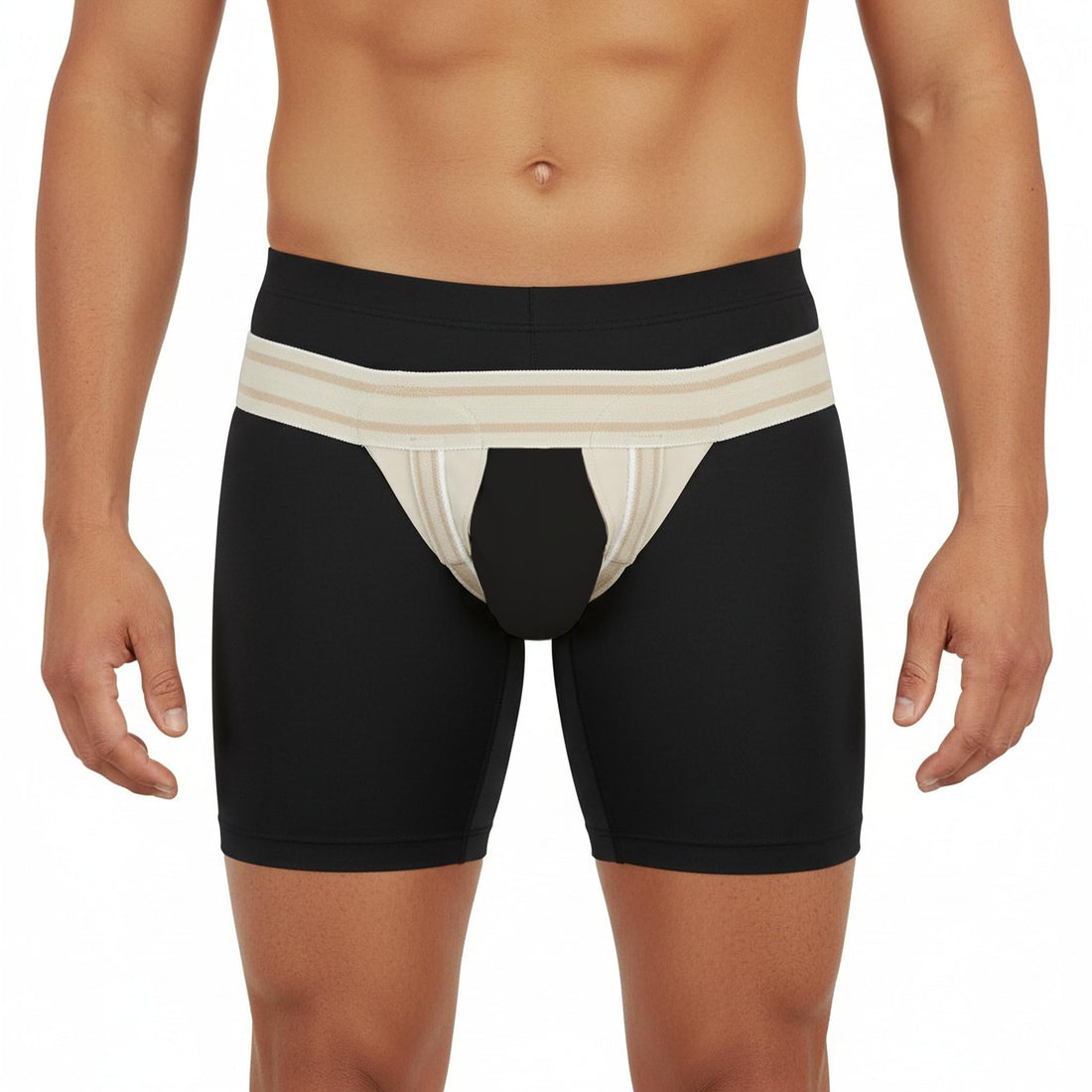
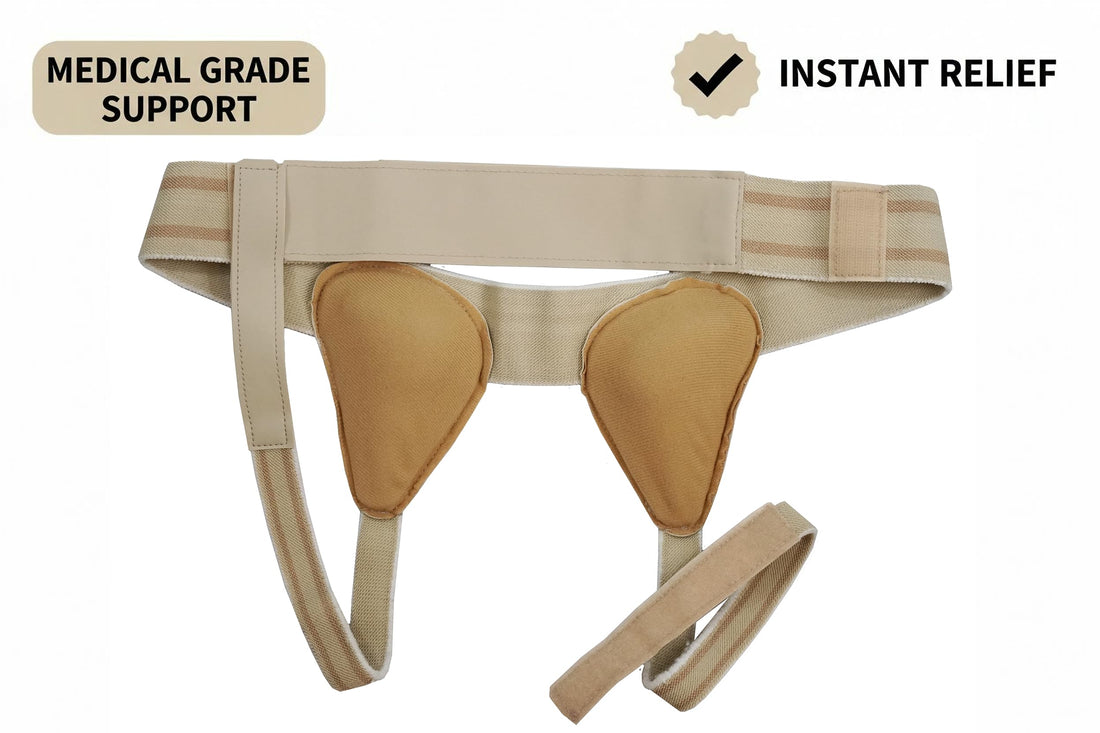
For inguinal hernias (groin area), this belt isn't appropriate—see the Inguinal Hernia Belt instead.
The Bottom Line
If you have an umbilical hernia and can't—or won't—put your life on hold, the ORTONYX Ergonomic Umbilical Hernia Belt provides genuinely functional support for active use. The ergonomic design isn't marketing fluff; it reflects real consideration for how bodies move.
This isn't a solution. Surgery is the solution. But until that happens, this belt lets you live more normally.
Buy it here: Ergonomic Umbilical Hernia Belt — $31.00
Frequently Asked Questions
Can I exercise with an umbilical hernia using this belt?
Light to moderate exercise with physician approval, yes. The belt provides support during walking, swimming, cycling, and controlled core work. Avoid heavy lifting, high-impact activities, and exercises that significantly increase intra-abdominal pressure until after surgical repair.
How long can I wear a hernia belt daily?
Most users wear their belt during all waking hours when active—typically 10-16 hours. Remove it for sleeping and bathing. Extended wear is generally safe, but let skin breathe for several hours daily to prevent irritation.
Will wearing a hernia belt prevent my hernia from getting worse?
A belt reduces the risk of incarceration (hernia becoming stuck) and may slow progression by limiting protrusion during activities that increase abdominal pressure. However, it doesn't strengthen the abdominal wall or close the hernia opening. Only surgical repair provides definitive correction.
What's the difference between this and a regular abdominal binder?
A hernia belt includes a compression pad specifically positioned over the hernia site to provide targeted inward pressure, preventing protrusion. An abdominal binder provides general compression without focused hernia support. For active hernia management, the dedicated hernia belt is more effective.
My hernia protrudes more after eating. Should I tighten the belt?
Slight tightening after meals can help accommodate increased abdominal content, but don't over-compress—you should always breathe comfortably. If post-meal protrusion is significant and painful, this may indicate your hernia is enlarging; consult your physician.
Medical Disclaimer: This information is for educational purposes only and is not intended as medical advice. Hernias are serious conditions that typically require surgical repair. Always consult with a qualified healthcare professional about your specific situation.