
After bariatric surgery — whether it's gastric sleeve, gastric bypass, or lap-band — your body goes through an incredible transformation. But those first weeks and months of recovery? They can be rough.
Your abdominal muscles have been through a lot. The surgical incisions need to heal, the swelling needs to come down, and your core needs support while everything knits back together. That's where an abdominal binder comes in — and if you've been wondering whether it's worth it, the short answer is absolutely yes.
Why Your Body Needs Extra Support After Bariatric Surgery
Bariatric procedures — even laparoscopic ones — involve significant changes to your internal anatomy. Your surgeon made incisions through skin, fat, and muscle layers to reach your stomach. Even with small laparoscopic ports, the trauma to your abdominal wall is real.
Here's what happens during recovery:
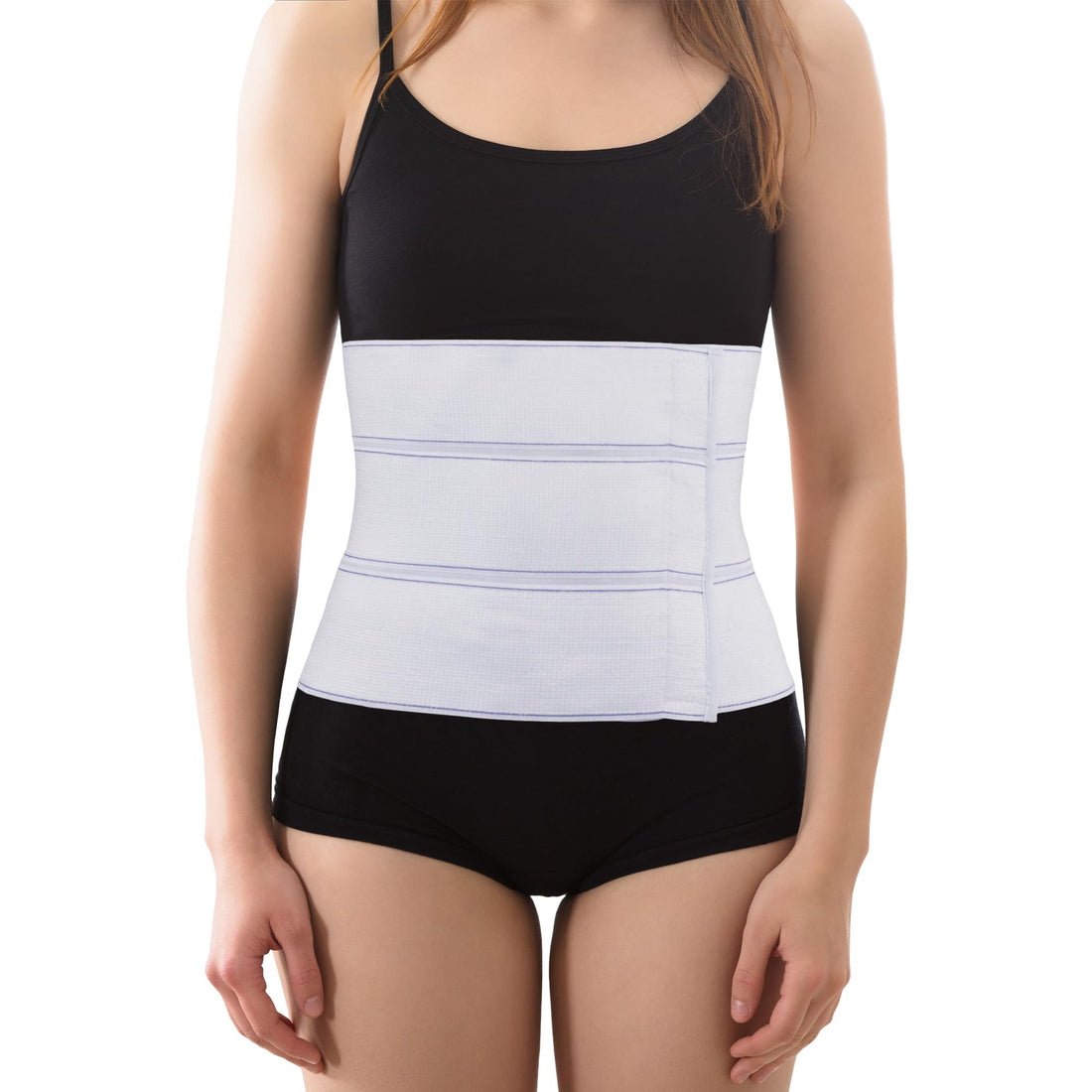
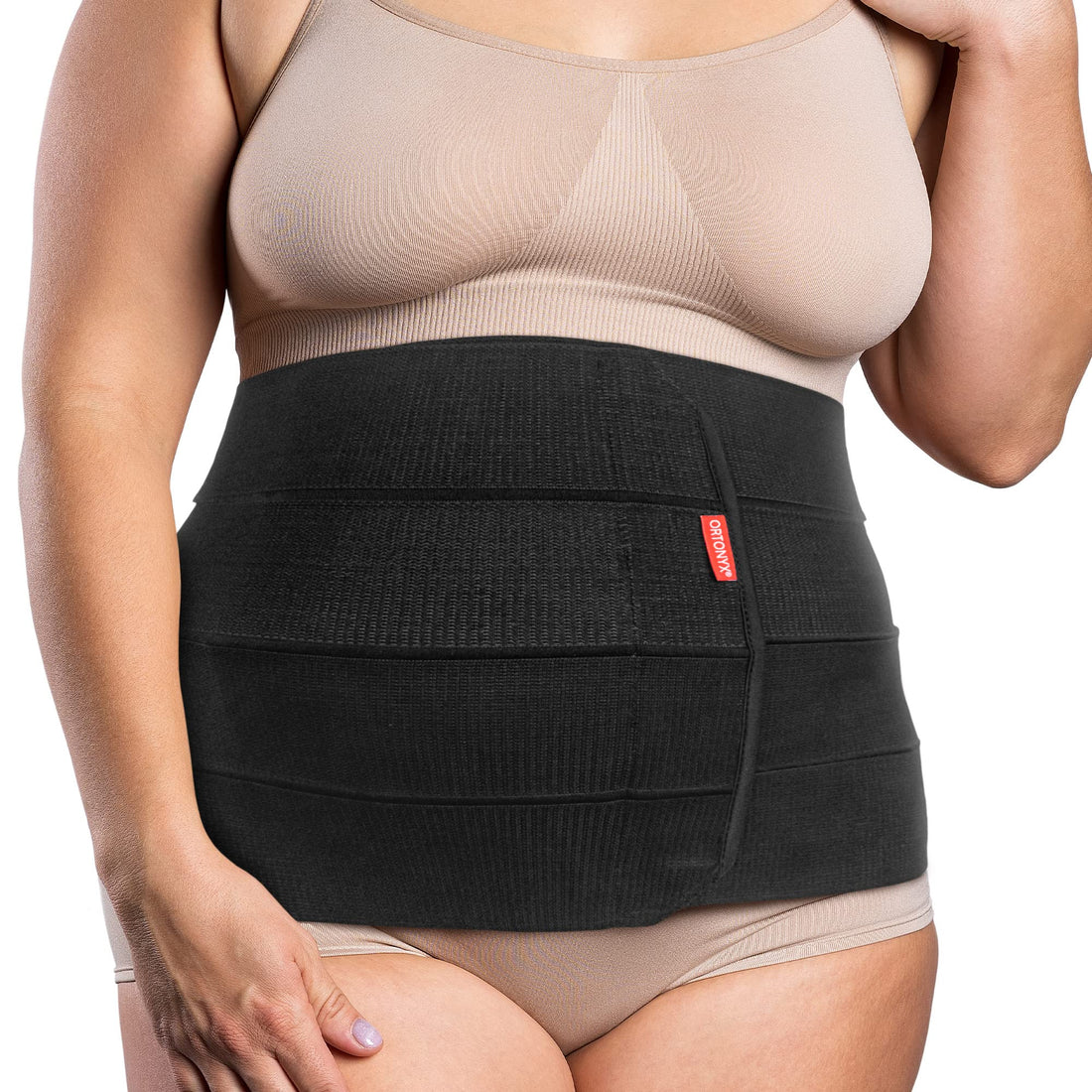
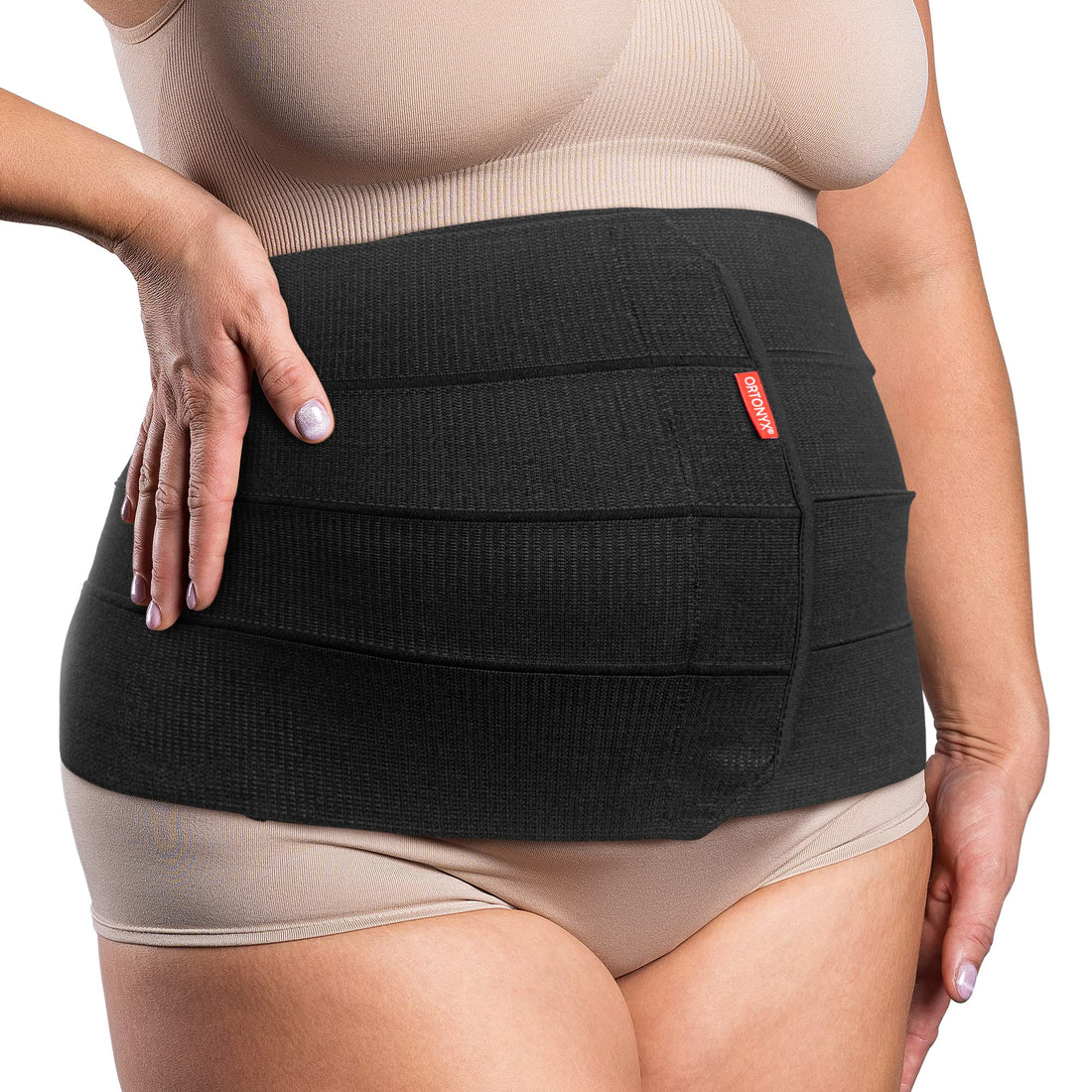
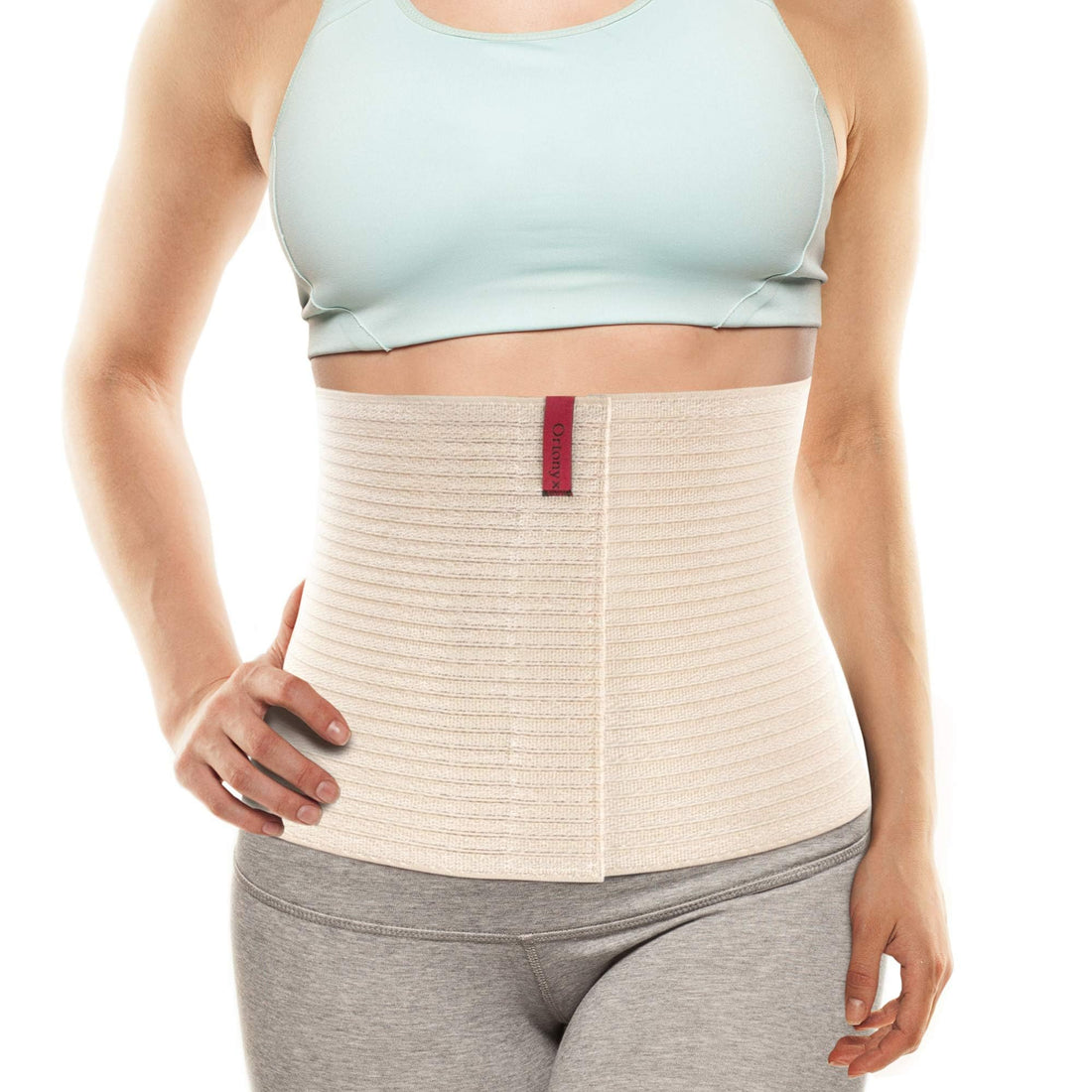
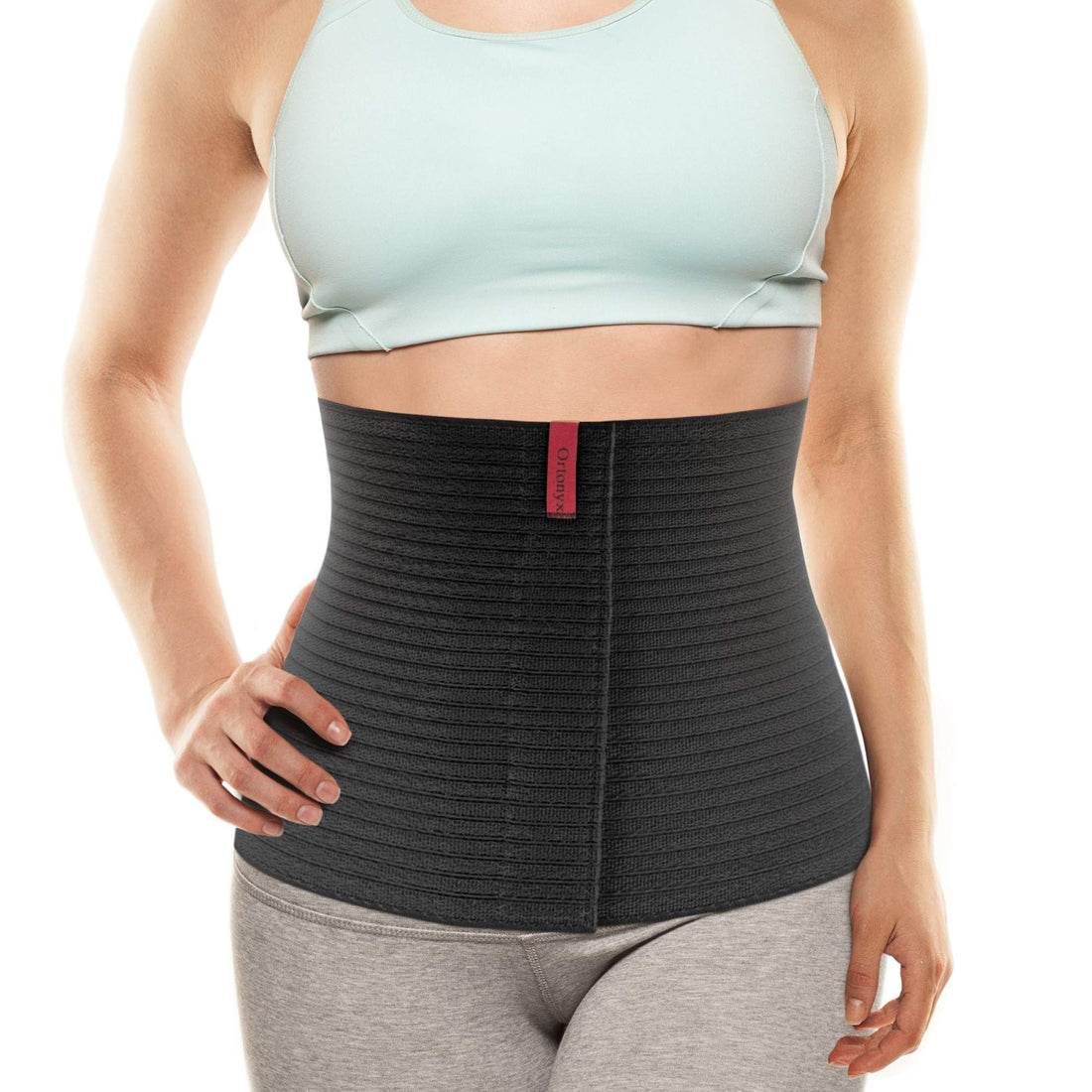
An abdominal binder acts as an external support system — it gently compresses the surgical area, reduces swelling, and gives your muscles the backup they need while they recover.
The Real Benefits of Wearing a Binder After Weight Loss Surgery
Pain Reduction
This is the big one. Most bariatric patients report a significant drop in pain when wearing a binder, especially during movement. The compression keeps everything stable, so every step doesn't send a jolt through your incision sites.
One of our customers put it perfectly: "I just had bariatric surgery. I was really uncomfortable walking around without belly support. The belly binder was a blessing — I can walk like a normal human now."
Reduced Swelling
Gentle, even compression helps your lymphatic system drain excess fluid from the surgical area. Less swelling means less pain, faster healing, and more comfort overall.
Better Mobility
It sounds counterintuitive — wrapping your midsection helps you move more? But it's true. With the support of a binder, patients feel confident getting up, walking, and starting their recovery exercises earlier. And early mobilization is one of the most important factors in bariatric recovery.
Incision Protection
A binder keeps your incision sites protected from friction against clothing and provides a barrier during daily activities. This is especially important during the first two weeks when the incisions are still fresh.
Posture Support
After surgery, it's natural to hunch forward to protect your abdomen. A binder provides enough support that you can stand and sit more upright, which helps with breathing, digestion, and overall comfort.
When to Start Wearing Your Abdominal Binder
Most bariatric surgeons recommend starting with an abdominal binder immediately after surgery — many patients wear one home from the hospital. Here's a general timeline:
Week 1-2: Full-Time Wear
Wear your binder during all waking hours, and consider wearing it while sleeping if it's comfortable. This is when swelling peaks and your incisions are most vulnerable. Remove it only for showering and to let your skin breathe for short periods.
Week 3-4: Daytime Wear
As your incisions begin closing and swelling decreases, you can transition to daytime-only wear. Most patients find they still want the support during activity but can sleep comfortably without it.
Week 5-8: Activity-Based Wear
By now, your body is doing a lot of the healing work on its own. Wear the binder during activities that put strain on your core — walking, light household tasks, or anytime you feel you need extra support.
Week 8+: As Needed
Listen to your body. Some patients continue wearing their binder during exercise or on particularly active days for months after surgery. There's no harm in continuing to use it as long as it's comfortable.
Important: Always follow your surgeon's specific recommendations — they know your individual case best.
Choosing the Right Binder for Bariatric Recovery
Not all abdominal binders are created equal, and after bariatric surgery you have some specific needs:
Adjustability is Essential
Here's the thing about bariatric surgery — your body is going to change dramatically over the coming months. You'll be losing weight, and the binder needs to change with you. Look for binders with wide Velcro closures or elastic panels that accommodate a range of sizes.
As one of our customers noted: "As I lose weight, I can just adjust it to whatever tension is comfortable."
Width Matters
A wider binder (10-12 inches) provides more coverage and more even compression across your surgical area. Narrow binders can bunch up or roll, which defeats the purpose and creates uncomfortable pressure points.
Material and Breathability
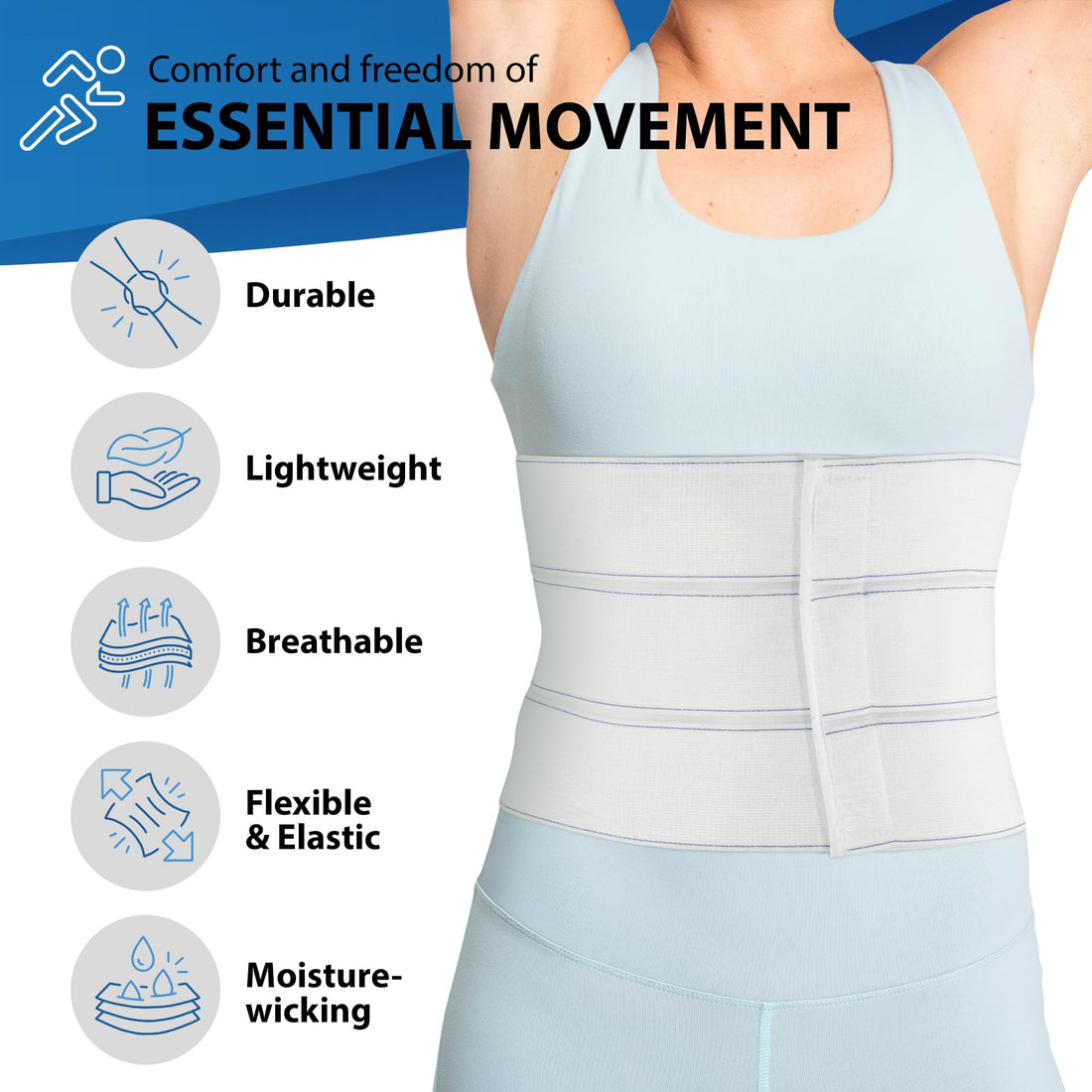
You'll be wearing this thing for hours at a time during recovery. Look for binders made with breathable, moisture-wicking materials that won't trap heat against your skin. Cotton-blend panels against the skin with elastic compression panels are ideal.
Medical-Grade Construction
After surgery, you want support you can trust. Medical-grade binders from FDA-registered facilities are designed and tested for post-surgical use — they provide the right amount of compression without restricting breathing or circulation.
Common Concerns After Bariatric Surgery
"Will a binder slow my weight loss?"
No. An abdominal binder has zero effect on your metabolism or weight loss. It's a support device, not a waist trainer. It helps you heal so you can get active sooner — which actually supports your weight loss goals.
"I'm plus-size — will a binder fit me?"
This is a real concern, and too many binder brands ignore it. Look for brands that offer extended sizing and wide Velcro panels that provide a generous adjustment range. The binder should wrap comfortably without gaps and without squeezing too tight.
"Can I wear it too tight?"
Yes — and you should be careful about this. The binder should feel supportive, not restrictive. You should be able to breathe normally and slide a finger between the binder and your skin. If you feel numbness, tingling, or shortness of breath, loosen it immediately.
"Should I wear it over or under my clothes?"
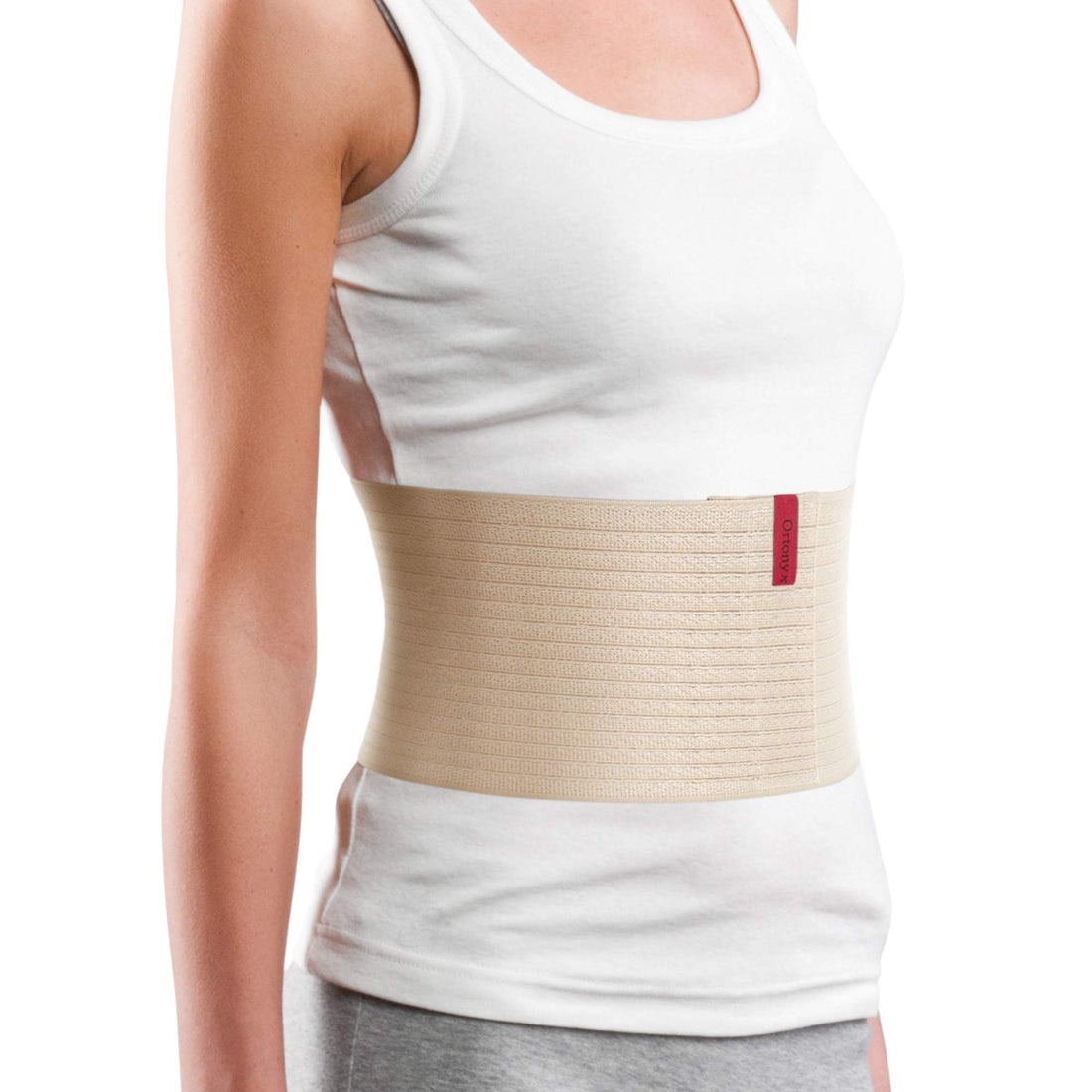
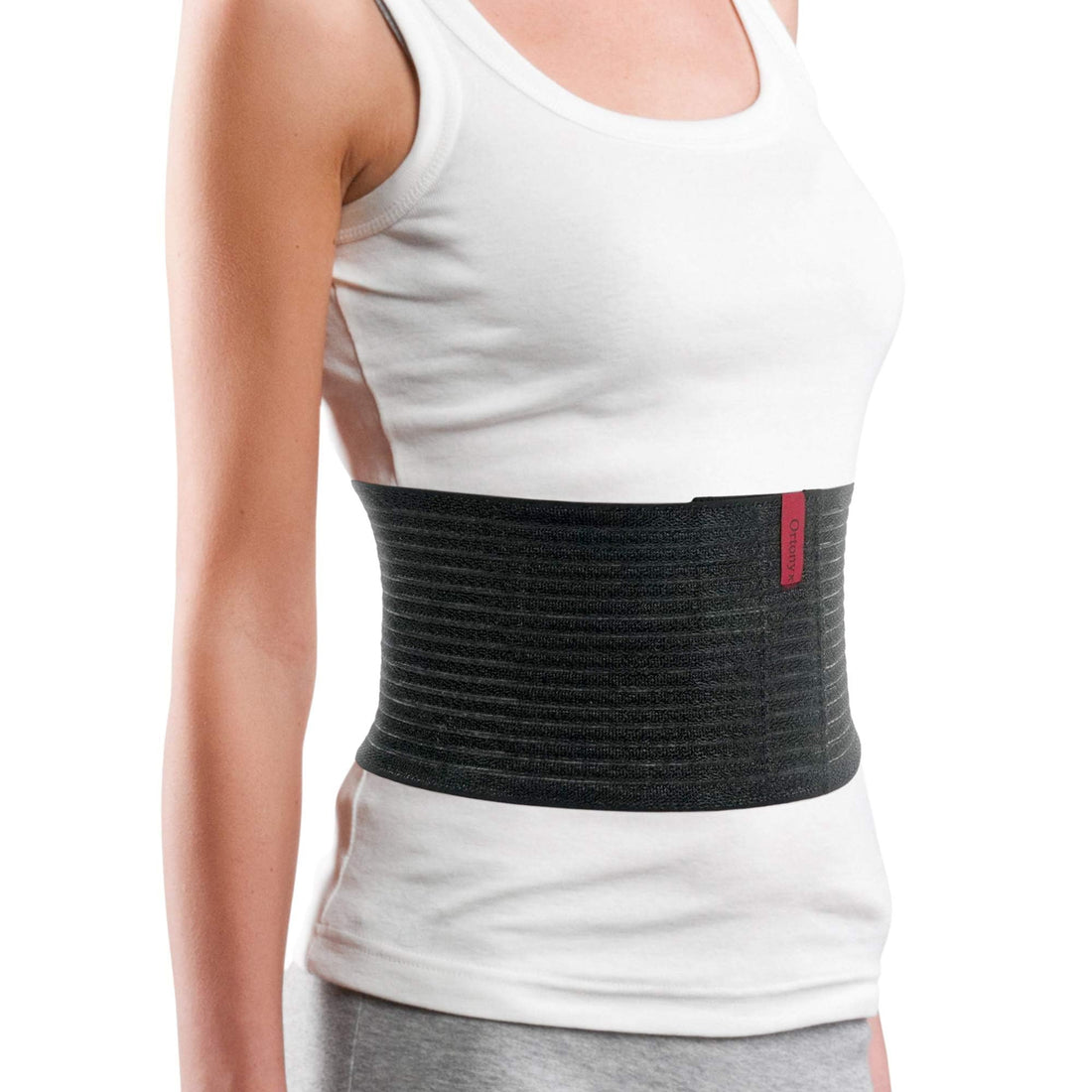
Most patients wear the binder directly against their skin or over a thin cotton undershirt. Wearing it under clothes gives a cleaner look and prevents the binder from shifting.
Your Recovery Roadmap
Bariatric surgery is the beginning of a new chapter. The first few weeks are about healing, and an abdominal binder is one of the simplest, most effective tools to make that healing smoother.
Here's your action plan:
Your body just did something amazing. Give it the support it deserves.
This content is for informational purposes only and is not a substitute for professional medical advice. Always follow your surgeon's specific recovery guidelines.